
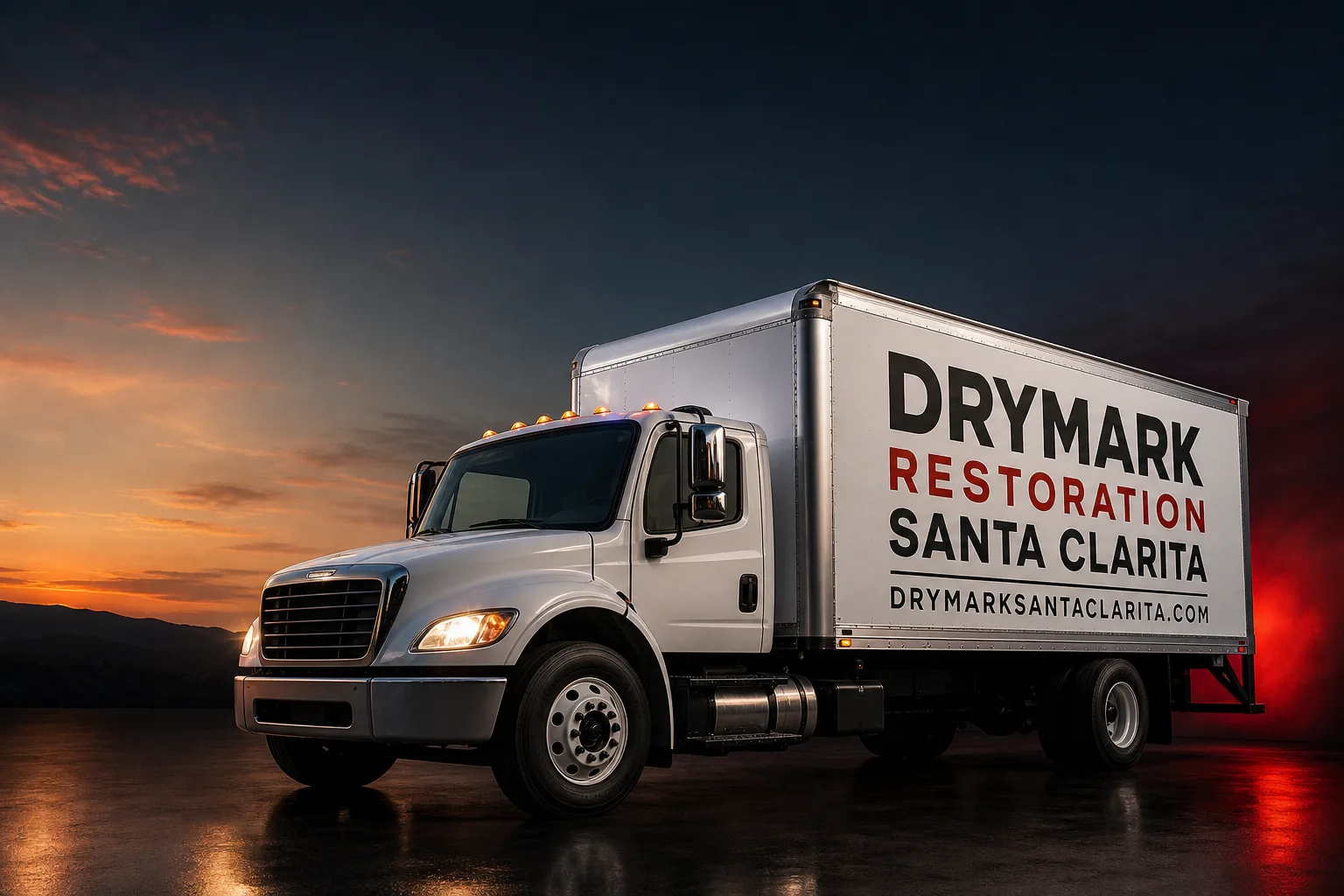
Free visual inspection and a written scope of work before any mitigation begins - photos, moisture readings, and drying logs go in your claim file
The scope we write is the scope we bill. Anything new gets shown to you, in writing, before we touch it.
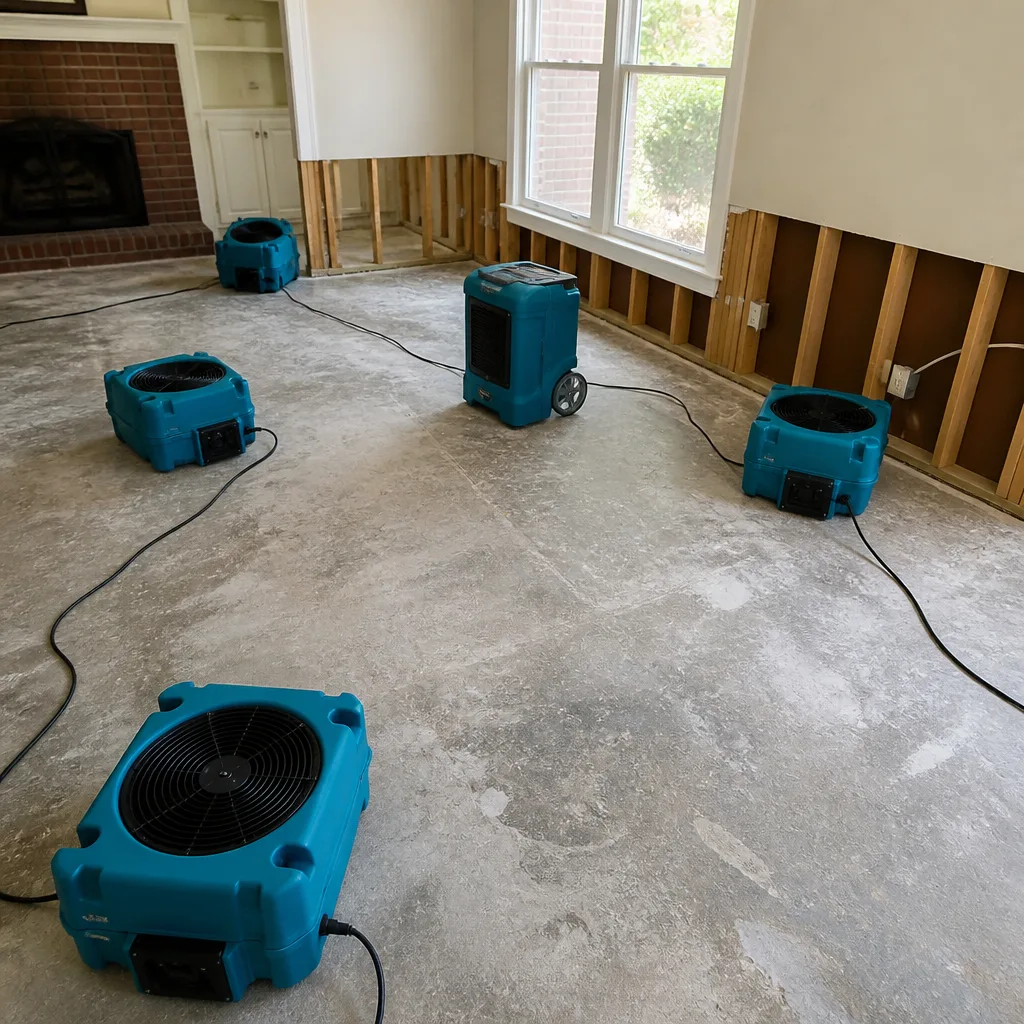
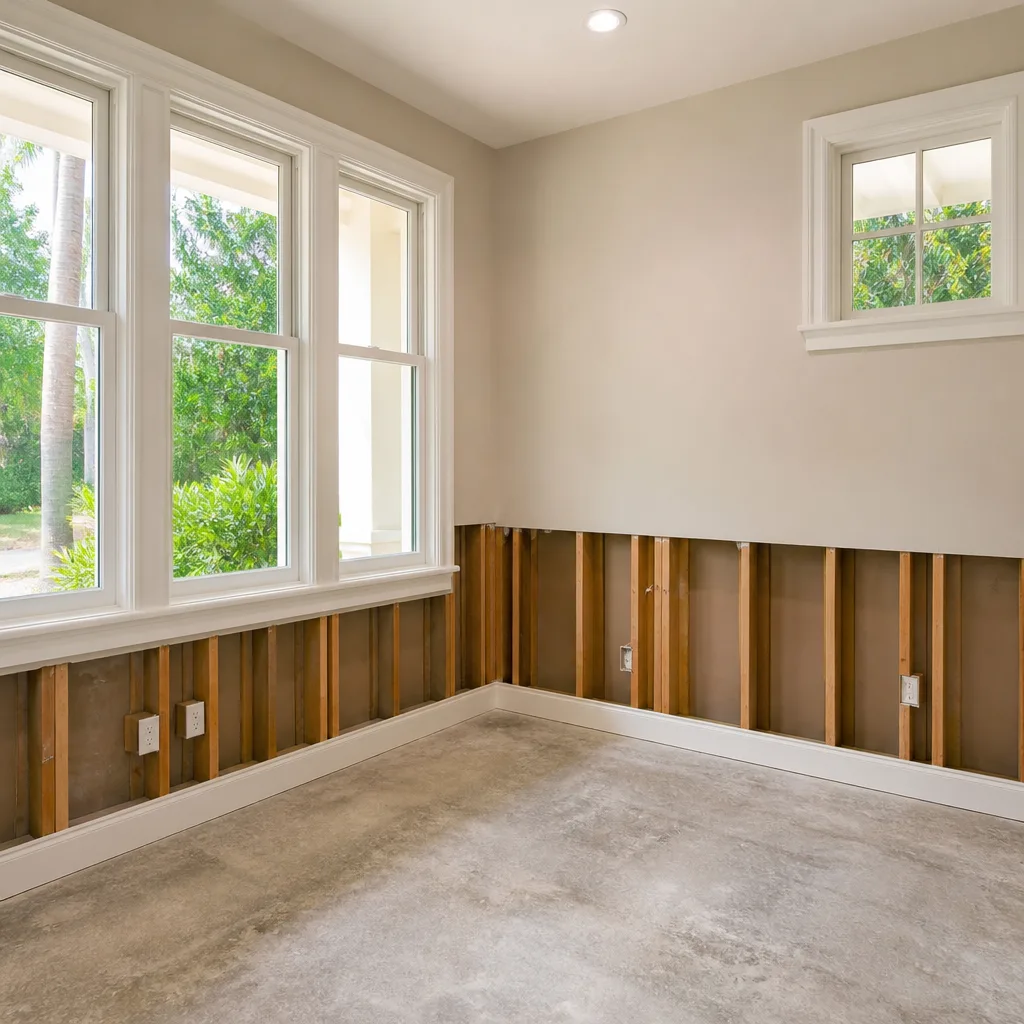
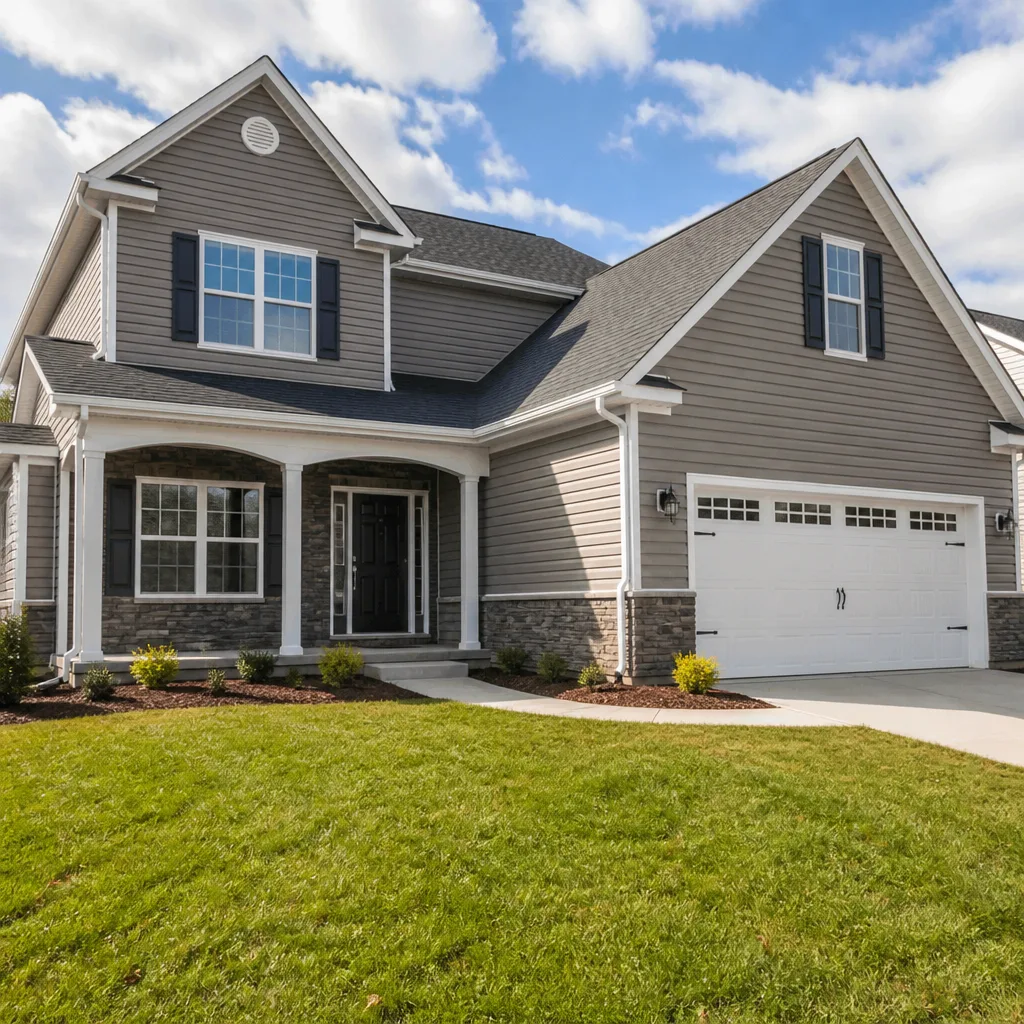
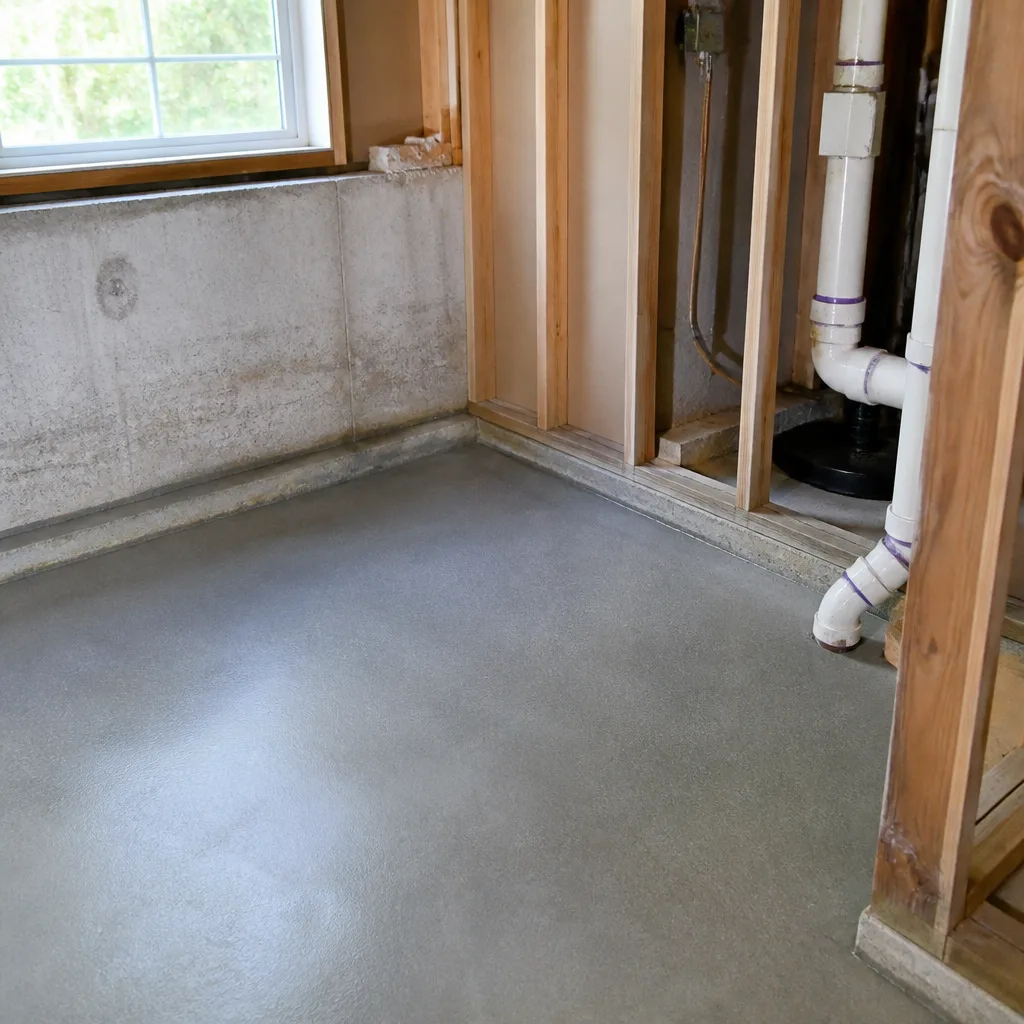
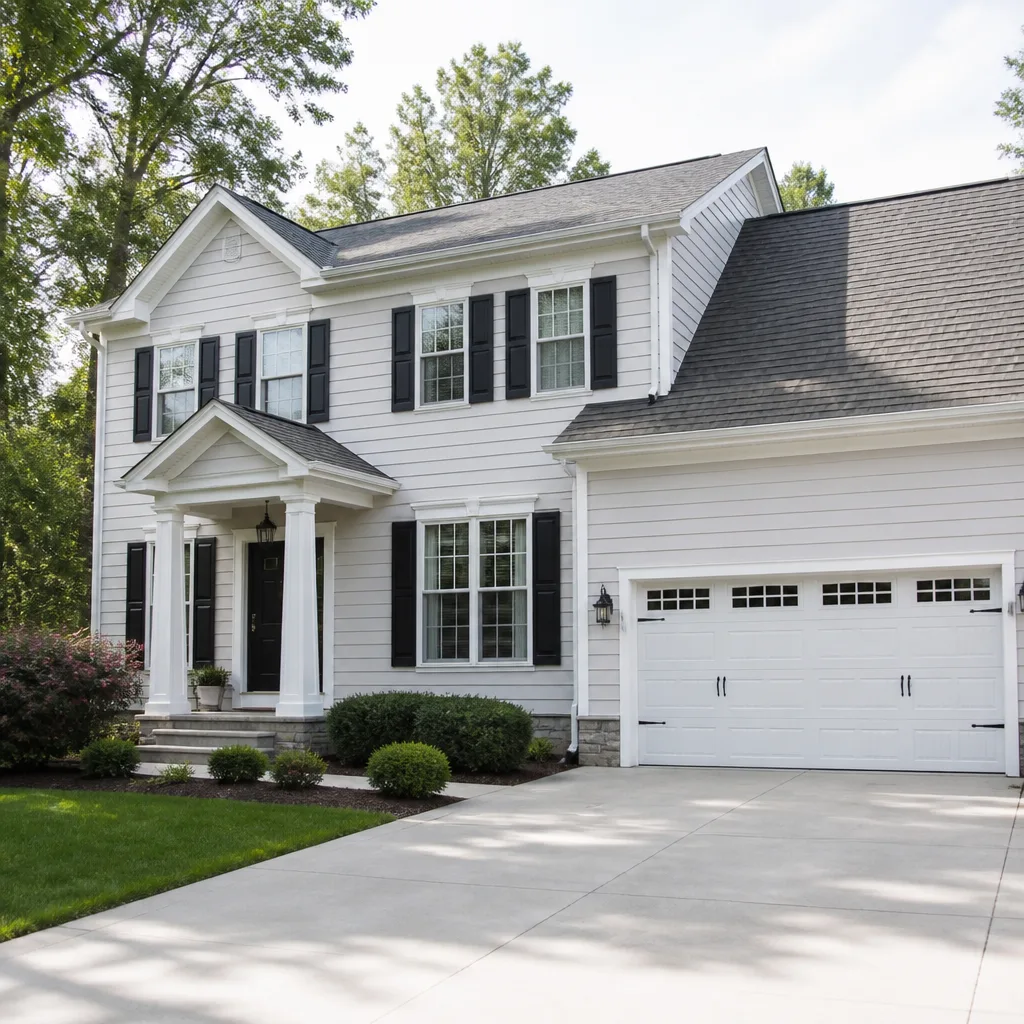
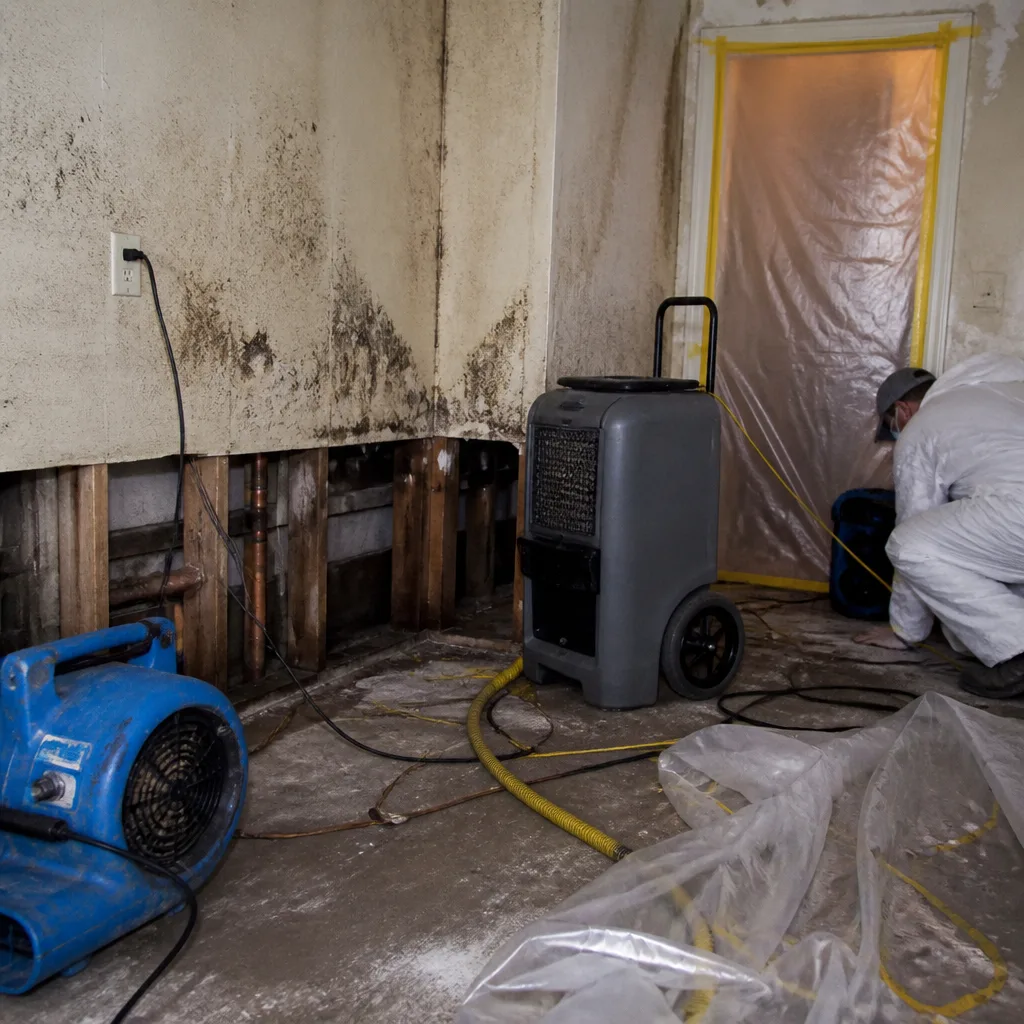 Before
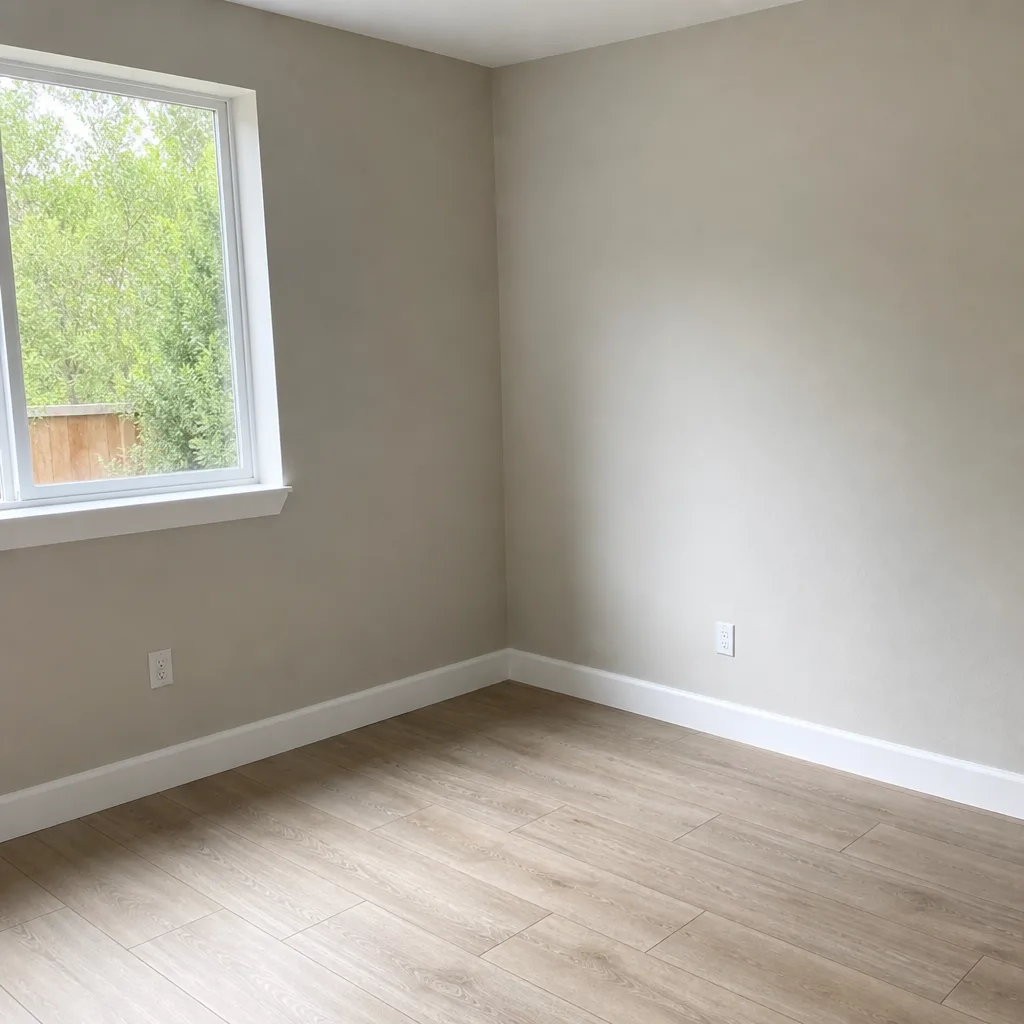 After
After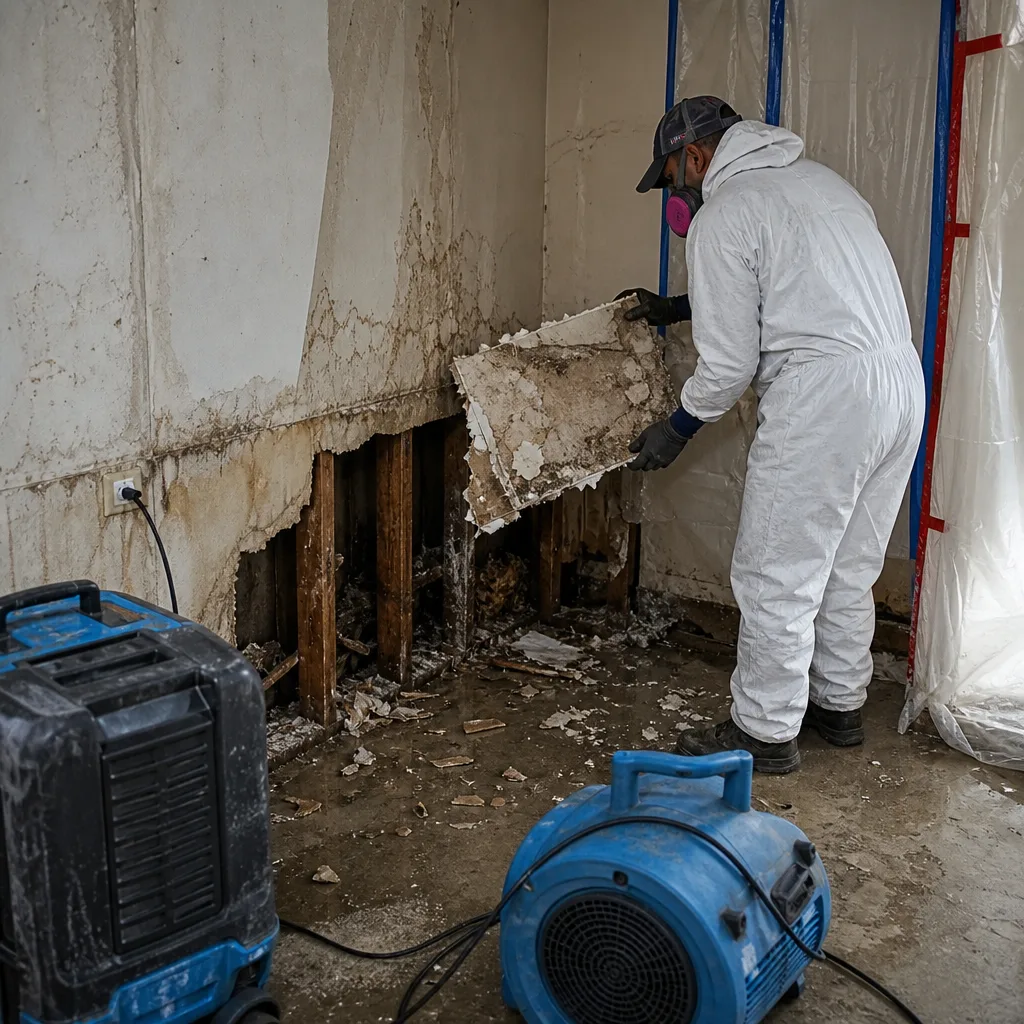 Before
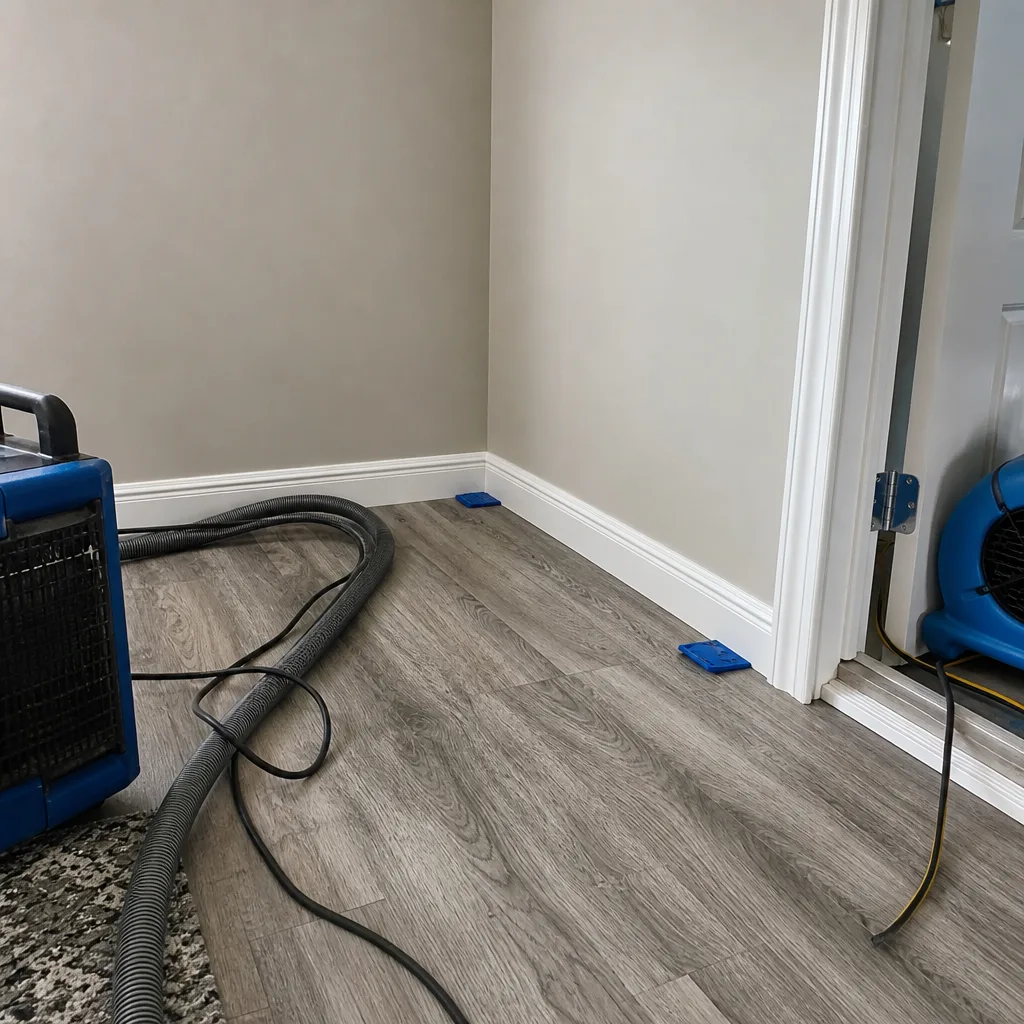 After
After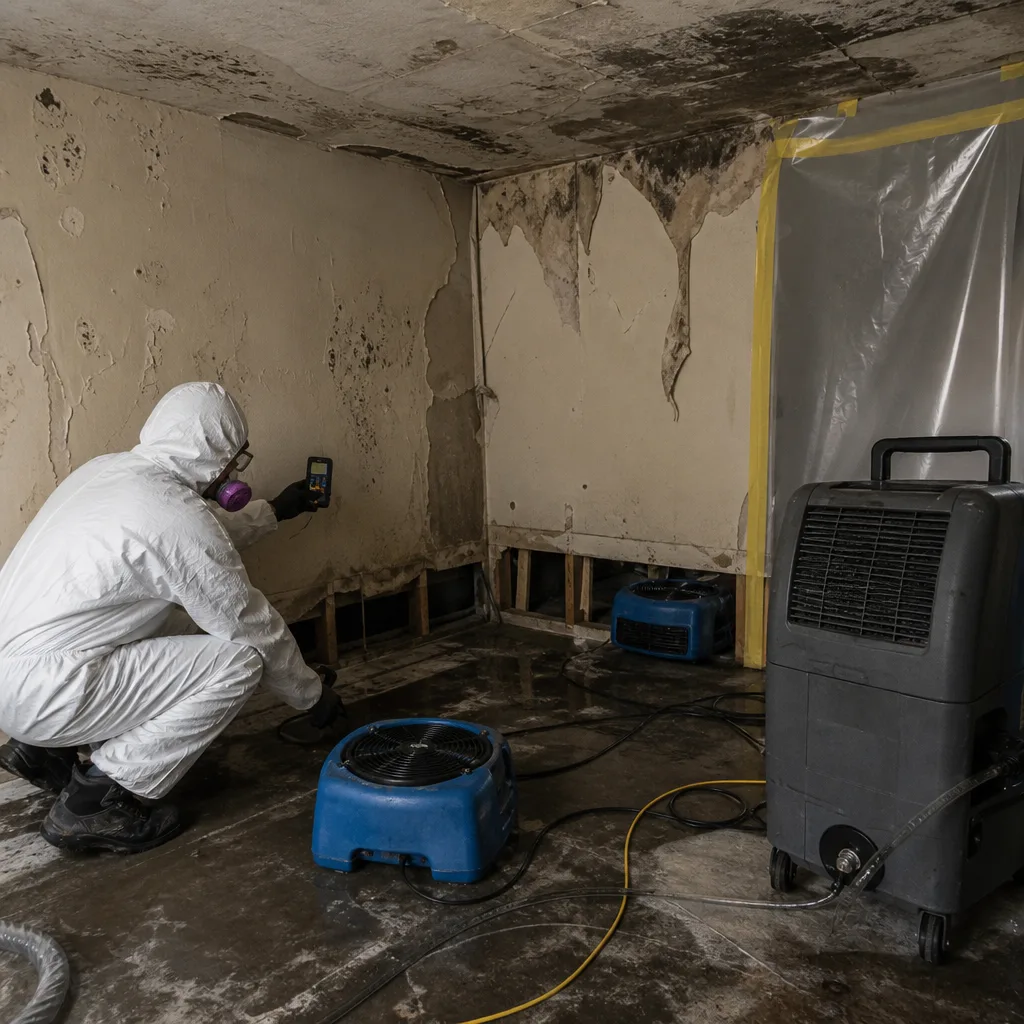 Before
 After
After24/7 Emergency Fire & Smoke Damage Restoration in Mission Hills
Fire and smoke damage restoration in Mission Hills typically costs $4,200-$18,500 depending on the affected square footage, soot residue type, and whether structural repairs are needed after inspection. Most emergency board-ups and stabilization begin within 45 minutes of your call, with full restoration timelines running 3-14 days for residential properties. Call (747) 294-2725 now and a live person will answer, 24 hours a day, 7 days a week, no voicemail, no callback queue.
The first hour after a fire determines how far smoke migrates through your HVAC system, how deeply soot embeds into porous surfaces, and whether water from suppression efforts begins secondary damage in wall cavities. Our crews are dispatched from the brand’s Los Angeles office and serve Mission Hills directly. We arrive with thermal imaging cameras, moisture meters, and HEPA air scrubbers to document the loss before conditions change. Every job starts with a free visual inspection and a written price before any work begins, Haven Standard, Clause 1.
Understanding Fire & Smoke Damage Restoration Severity in Mission Hills Properties
Fire damage in Mission Hills follows a severity gradient that maps directly to the area’s housing stock: 1950s-1970s wood-frame stucco ranches with original duct wrap, popcorn ceilings, and single-wall construction. Dry protein residue from kitchen fires presents as nearly invisible, sticky film that etches painted surfaces within hours. Wet smoke from slow-burning synthetic materials leaves thick, smeary deposits that require alkaline cleaners and aggressive agitation. Fuel oil soot, common in garage and workshop fires on the area’s larger lots, is petroleum-based and demands solvent cleaning protocols.
Smoke migration in these older ranches is particularly aggressive. The original HVAC ducting, often unsealed at joints and wrapped in asbestos-containing material, acts as a distribution network that carries particulate into every room within minutes. Tertiary damage, the hidden corrosion and odor absorption that continues for weeks after visible cleanup, is where most DIY and cut-rate restoration efforts fail. We document smoke migration paths with thermal imaging, then establish negative air pressure containment before any demolition begins. This is standard IICRC FSRT protocol, but in Mission Hills it is complicated by the additional layer of potential asbestos disturbance and the seismic vulnerabilities we routinely find behind wall cavities.
Why Mission Hills Property Owners Choose DryMark Restoration Santa Clarita
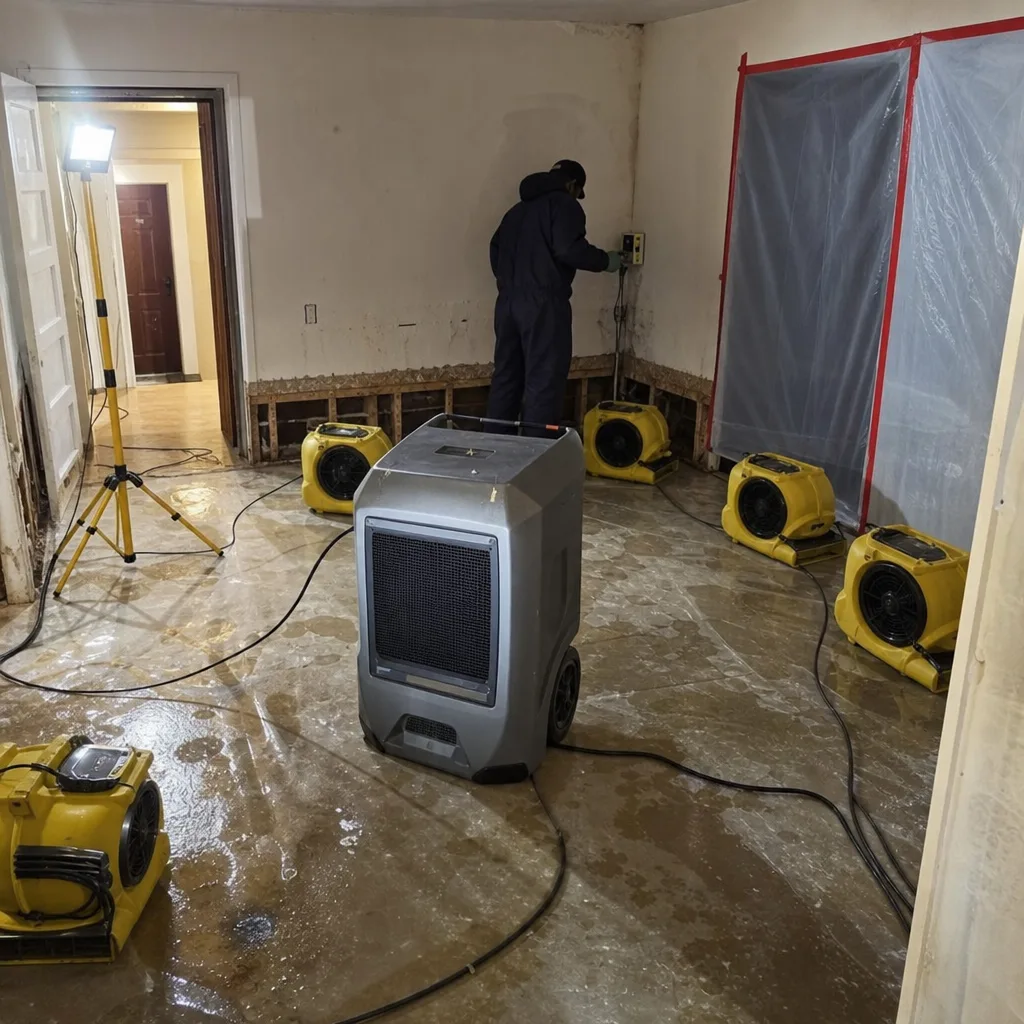
- 45-minute response commitment to Mission Hills from dispatch, with crews carrying board-up materials, tarping, and initial extraction equipment on every truck.
- 24/7 live answer - a real person, never an automated system or voicemail tree, picks up every call to our emergency line.
- IICRC-certified crews holding FSRT (Fire and Smoke Restoration Technician) and WRT (Water Damage Restoration Technician) certifications, with AMRT (Applied Microbial Remediation Technician) cross-training for the water damage that accompanies nearly every fire suppression.
- Free visual inspection at your Mission Hills property, with moisture readings and photo documentation started before any contract is signed.
- Direct insurance billing with photo-documented scopes, daily drying logs, and adjuster coordination handled by our in-house claims team.
- One team from emergency board-up through structural repair, eliminating the handoff gaps where documentation disappears and change orders multiply.
 Before
 After
AfterOur Fire & Smoke Damage Restoration Process
1. Inspection & Assessment
We arrive with thermal imaging cameras, hygrometers, and moisture meters to map the full extent of fire, smoke, and water damage. In Mission Hills, this includes immediate assessment for asbestos-containing materials in popcorn ceilings, floor tiles, and duct wrap, plus documentation of any seismic damage visible behind compromised surfaces. You receive a written scope and price before any work begins.
2. Emergency Board-Up & Stabilization
Broken windows, compromised roofing, and damaged exterior walls are secured with weather-resistant materials to prevent additional damage and satisfy insurance policy requirements. For properties near Sepulveda or Brand corridors with active soft-story retrofit orders, we coordinate our stabilization plan with existing structural work to avoid permit conflicts.
3. Water Extraction & Structural Drying
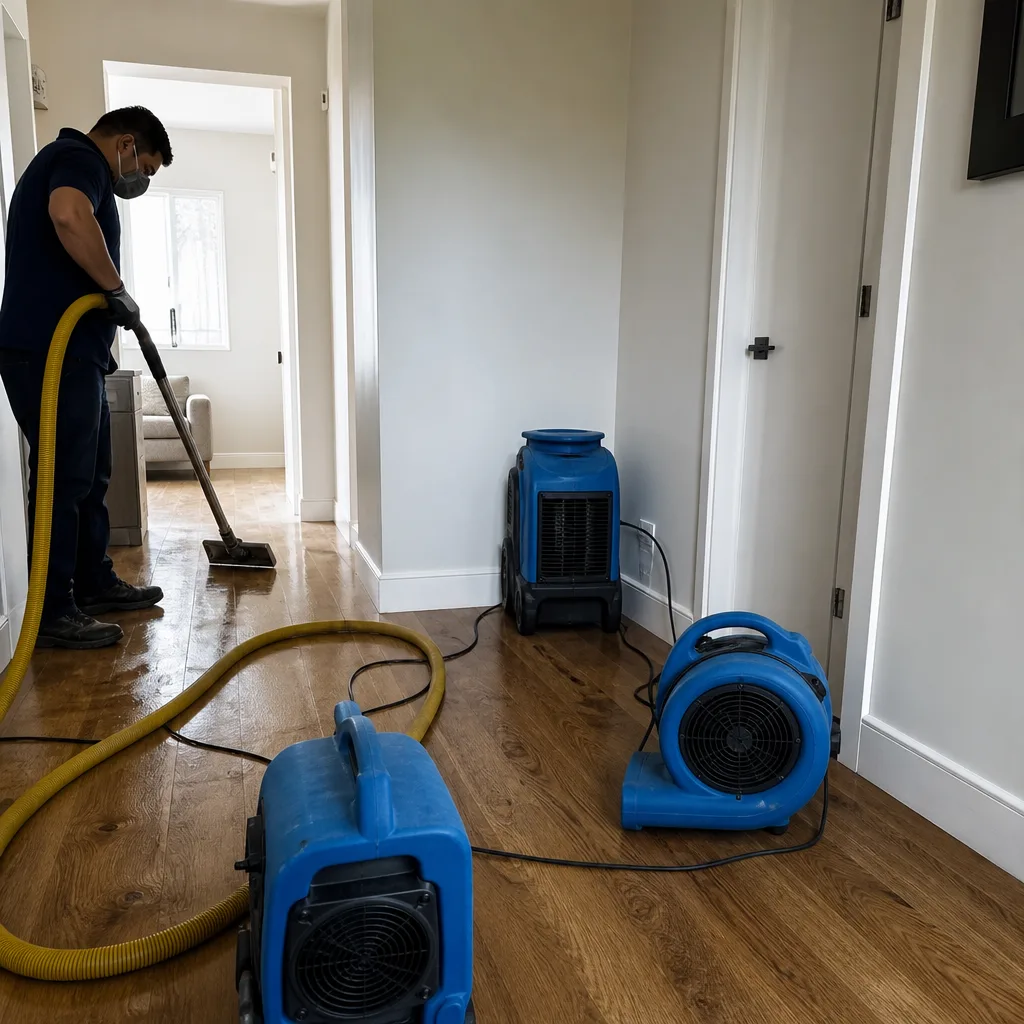
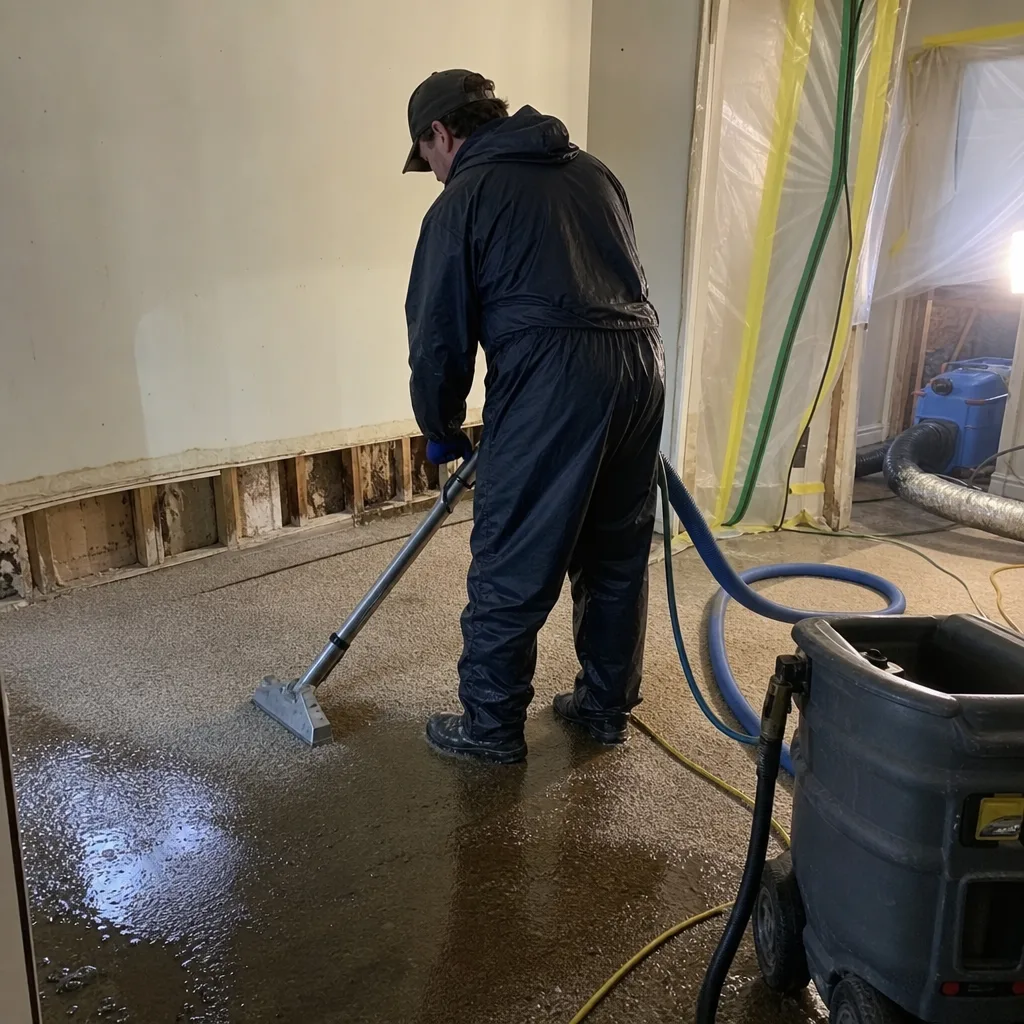
Fire suppression leaves Category 2 or 3 water in wall cavities, subfloors, and insulation. We deploy Phoenix and Dri-Eaz dehumidifiers, B-Air air movers, and Injectidry systems for cavity drying, with daily moisture logs tracking specific humidity and vapor pressure differential. In Mission Hills’s summer heat, surface materials dry deceptively fast; we verify cavity conditions with pinless meters to prevent the “dry surface, wet cavity” trap.
4. Smoke & Soot Removal
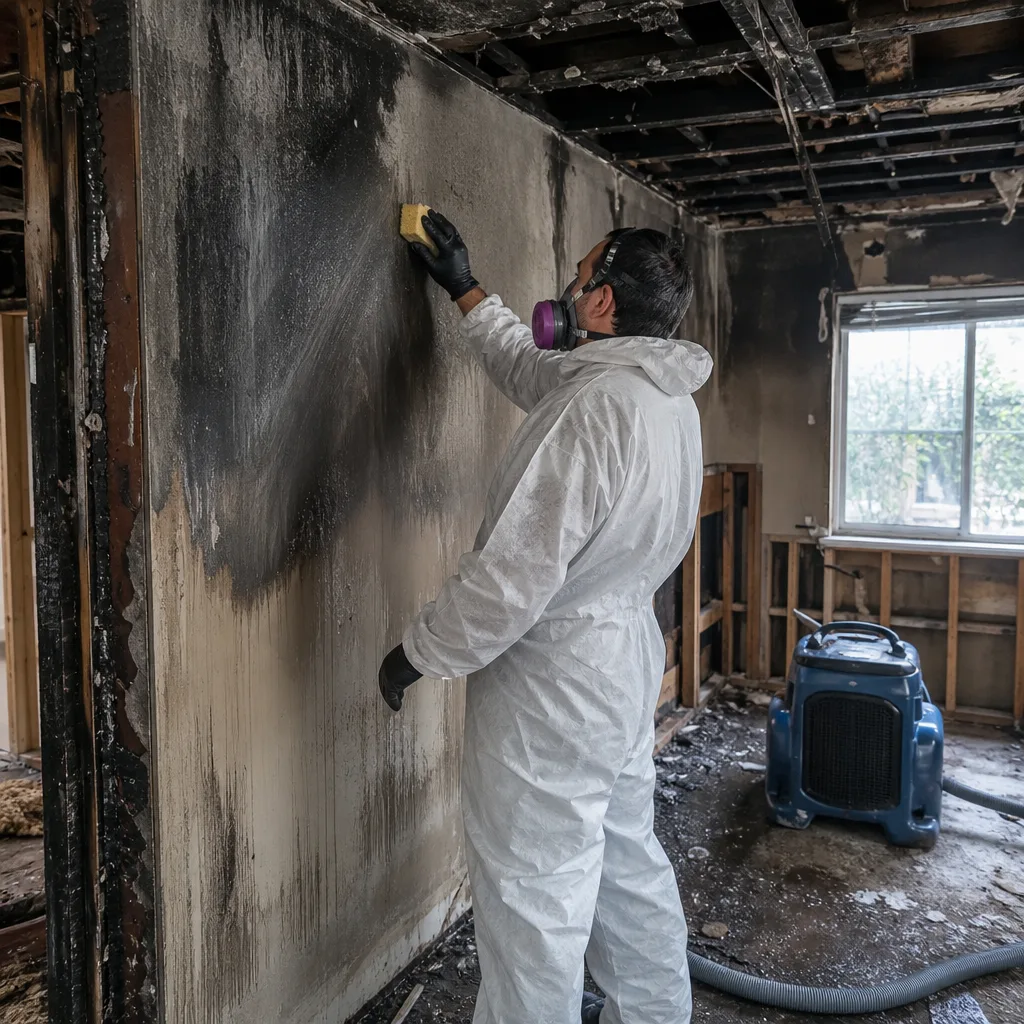
Soot residue is classified by type (dry, wet, protein, fuel oil) and cleaned with matched chemistries: dry sponging for light particulate, alkaline cleaners for wet smoke, enzyme treatments for protein residue, solvent-based protocols for petroleum soot. HEPA air scrubbers run continuously during this phase to capture airborne particulate.
5. Odor Removal & Deodorization
Smoke odor penetrates porous materials at the molecular level. We use thermal fogging, ozone treatment, and hydroxyl generators depending on material sensitivity and occupancy status. In Mission Hills’s 1950s-1970s ranches with original lath-and-plaster or early drywall, odor has often penetrated into structural framing requiring sealed encapsulation.
6. Structural Fire Repair & Reconstruction
Charred or heat-compromised framing, sheathing, and finishes are replaced to code. Because Mission Hills falls under LADBS jurisdiction, all structural repair permits route through the City of Los Angeles system, and properties with existing soft-story retrofit orders require coordination with the retrofit contractor before permitted work can proceed. We handle this coordination as part of our scope.
Need Emergency Fire & Smoke Damage Restoration in Mission Hills Now?
Crews minutes away, answering live 24 hours a day. The sooner we start, the less it costs.
Working With Your Insurance Company
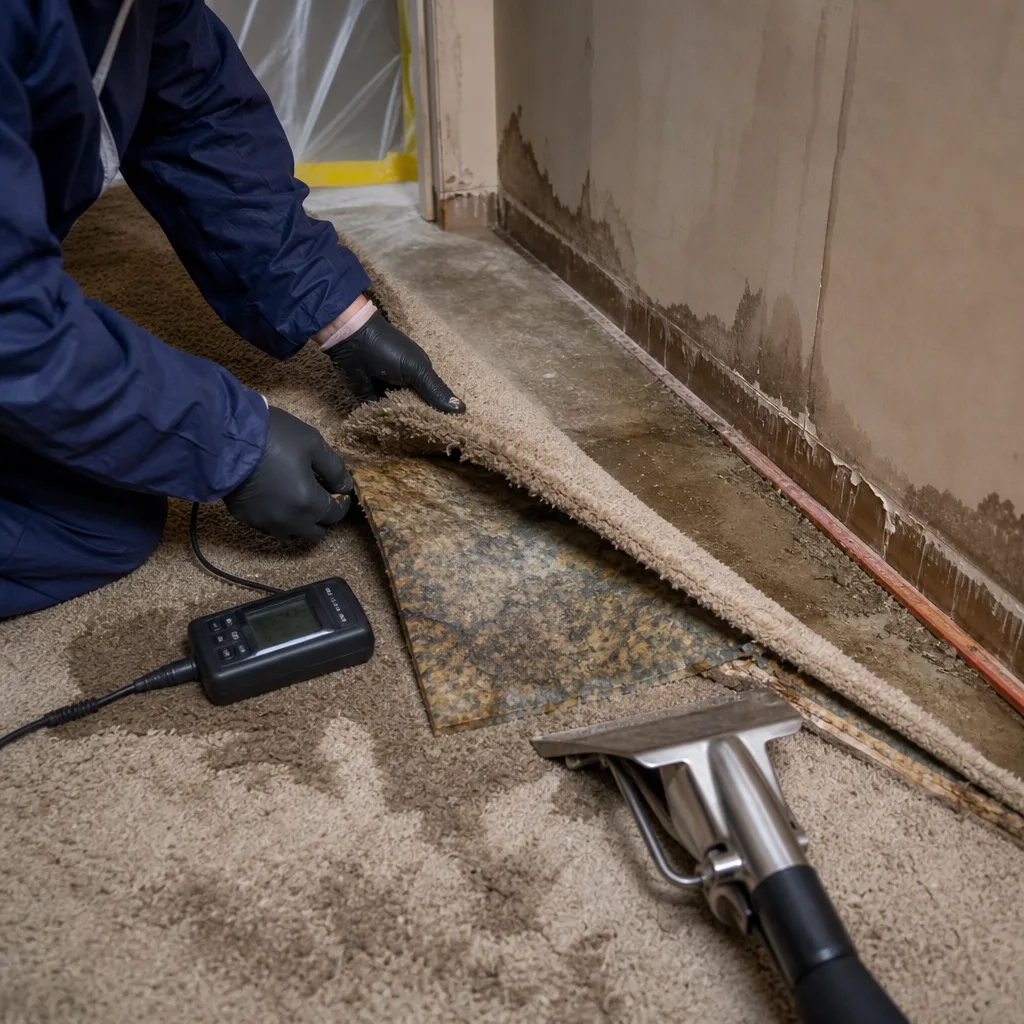
Our documentation-first approach exists because Alicia Brennan founded this company in 2011 after watching homeowners lose legitimate claims to incomplete records. Every Mission Hills fire restoration begins with photo documentation in the first hour and continues with room-by-room damage logs, moisture readings, material classifications, and daily progress records. Your adjuster receives a complete file, not a summary.
We write estimates to industry-standard formats (Xactimate, Symbility where required) and communicate directly with your carrier’s desk adjuster or field representative. Our in-house claims team understands the specific documentation requirements that separate payable fire losses from disputed ones. The photo record on every visit is included as standard, never an upsell.
What We Provide Your Insurer
- Thorough documentation of the loss
- Photos of all damage, room by room
- Moisture readings and drying logs
- A detailed, line-item scope of work
- Direct coordination with your carrier
Built for Mission Hills’s Loss Calendar
January through March brings the highest residential fire load in Mission Hills. Heating systems in 1950s-1970s ranches, many with original wall furnaces or aging central units, work overtime during valley cold snaps. Space heater misuse in converted garages and detached workshops, common on the area’s larger lots, adds to the tally. Kitchen fires spike during holiday cooking periods.
May through October, the northern San Fernando Valley heat island pushes temperatures past 100°F and Santa Ana wind events drive humidity to single digits. These conditions accelerate surface drying while driving moisture deeper into wall cavities, a pattern that misleads inexperienced restoration crews and allows mold colonization to begin before visible indicators appear. Wildfire season brings smoke intrusion losses even when structures never ignite, with fine particulate penetrating through eave vents and window seals.
November and December see electrical fire increases from overloaded circuits in homes with original aluminum wiring or unpermitted additions. The holiday lighting load on aging infrastructure is a documented pattern in the 91345 and adjacent ZIP codes.
Fire & Smoke Damage Restoration Across Mission Hills’s Neighborhoods
The area west of Sepulveda Boulevard, toward the northern slopes, holds larger parcels with detached workshops, ADUs, and outbuildings. Fires here often start in garage or workshop spaces with stored solvents, automotive products, and propane equipment, producing fuel oil soot that demands specialized cleaning chemistry. Access roads are narrower and response routing requires local knowledge.
The Brand Boulevard corridor and adjacent streets contain a mix of original 1950s ranches and later apartment construction. The soft-story retrofit ordinance has active orders on multiple two-story buildings here, meaning any fire restoration requiring structural permits must coordinate with existing retrofit timelines. We’ve handled cases where the retrofit contractor’s scheduled work and our repair scope had to be sequenced through LADBS to avoid conflicting inspections.
Properties near San Fernando Road and the historic Mission San Fernando Rey de España experience different traffic and access patterns, with older infrastructure and some unpermitted additions that complicate scope verification. The stucco ranch stock here is among the oldest in the community, with higher probability of asbestos-containing materials and the seismic vulnerabilities from the 1994 Northridge earthquake.
South Mission Hills, toward Roscoe Boulevard, sees more recent construction but still contains significant 1960s-1970s inventory. The heat island effect is most pronounced here, and summer fire restorations require particular attention to the vapor pressure differential that drives moisture into hidden cavities while surfaces read dry.
Specialized Fire & Smoke Damage Restoration Services We Offer in Mission Hills
Fire Damage Cleanup
Structural cleaning after fire requires residue classification before chemistry selection. In Mission Hills’s stucco ranches, we frequently find that smoke has penetrated the gap between stucco and lath, requiring controlled demolition and cavity treatment. Every demolition boundary is photo-documented for the adjuster.
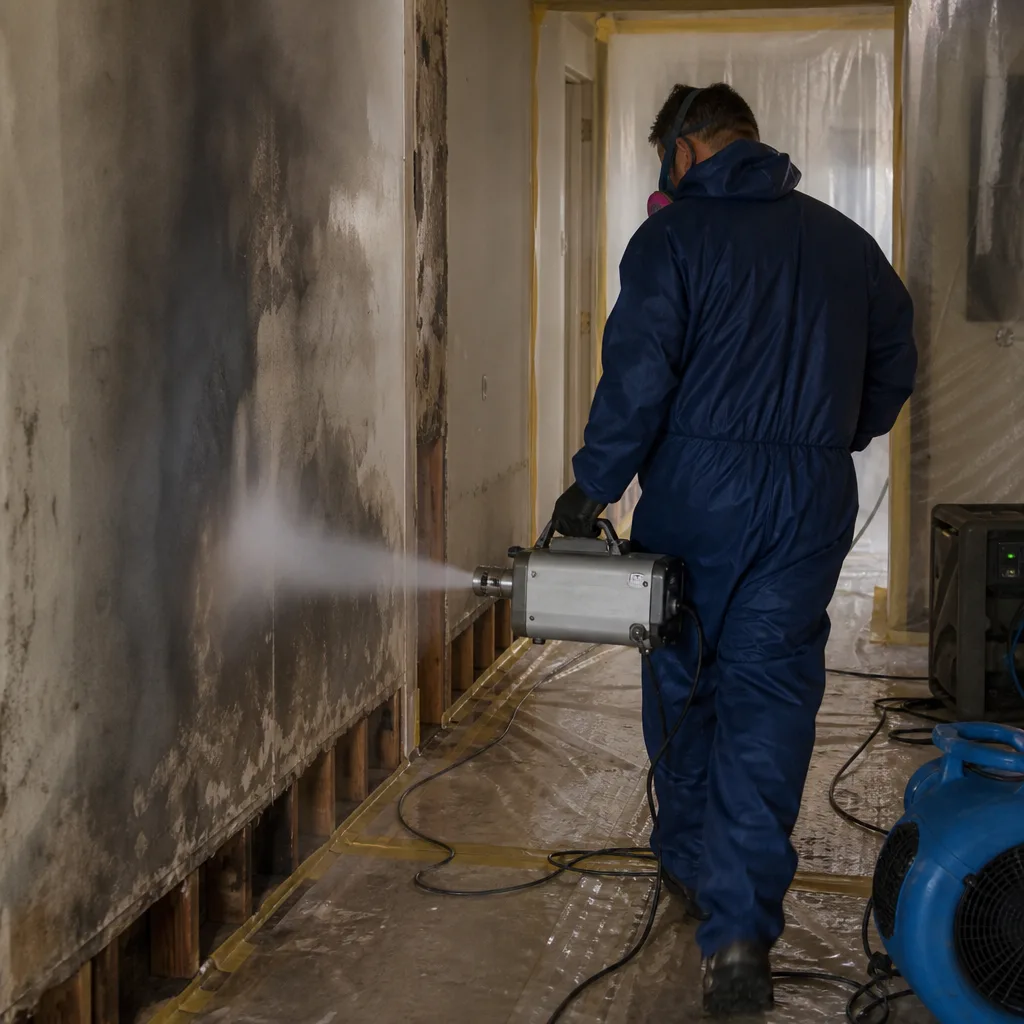
Smoke & Soot Removal
Soot is acidic and begins etching painted surfaces within hours. Our crews carry dry-cleaning sponges, HEPA vacuums, and pH-neutral to alkaline cleaning agents matched to residue type. For the protein residues common in kitchen fires near Brand Boulevard and Sepulveda, enzyme-based treatments prevent permanent odor embedding.
Odor Removal & Deodorization
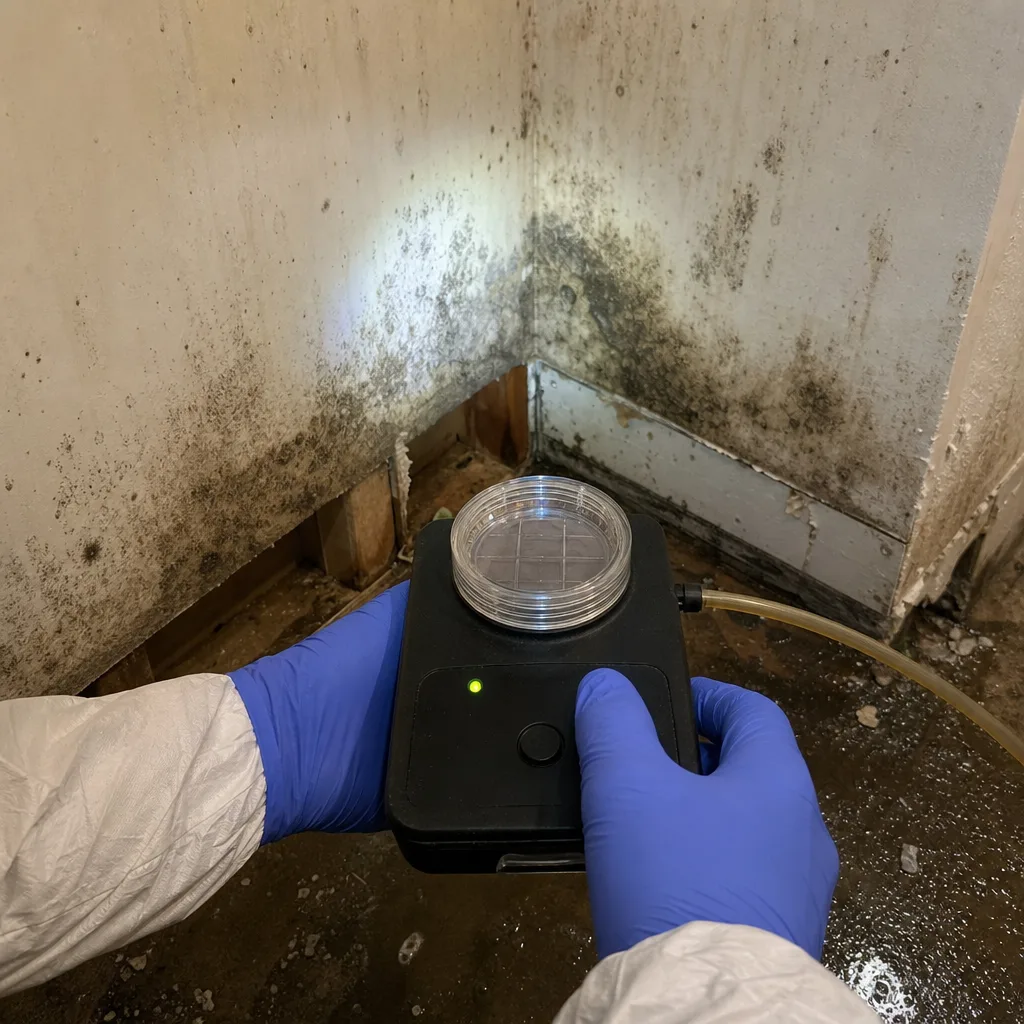
Smoke odor in Mission Hills’s older homes often requires multi-modal treatment: thermal fogging for structural voids, hydroxyl generators for occupied spaces, and sealed encapsulation for framing members where odor has penetrated beyond surface reach. We verify results with olfactory testing and, where required, air sampling.
Contents Cleaning & Pack-Out
Salvageable contents are inventoried, photographed, and transported to our cleaning facility for ultrasonic, immersion, or dry-cleaning treatment. Non-salvageable items are documented for replacement valuation. Our field vignette from a 1960s stucco ranch off Sepulveda illustrates the complexity: a kitchen fire with hidden cripple-wall damage required containment, antimicrobial treatment, and careful separation of fire loss from seismic pre-existing conditions for the carrier.
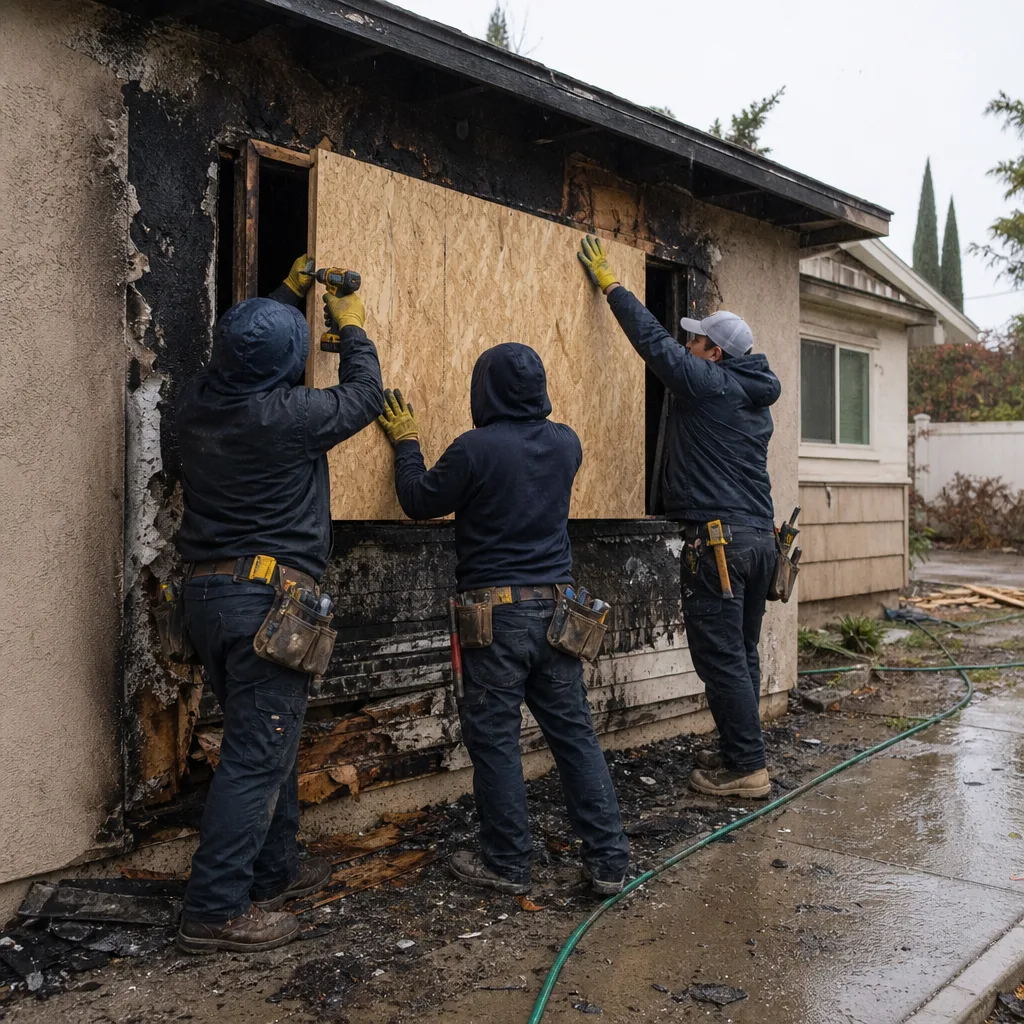
Emergency Board-Up & Tarping
Immediate weather protection and security closure satisfy insurance policy conditions and prevent secondary damage. We carry board-up materials on every response vehicle and can secure structures with compromised roofs, windows, or exterior walls within minutes of arrival. For properties under active soft-story retrofit orders, our stabilization plan accounts for existing structural modifications.
Structural Fire Repair
Heat-compromised framing, sheathing, and finishes are replaced to current LADBS code. This is where the layered damage problem in Mission Hills becomes critical: fire-damaged studs may reveal earthquake-era cracks, cripple-wall failures, or chimney separations that were cosmetically patched in 1994. We document pre-existing conditions with photos and written notation so the adjuster can separate seismic from fire loss. Permits route through LADBS, and coordination with soft-story retrofit contractors on adjacent or shared structures is standard in our scope.
What happens when you call
- 1
A real person answersNo phone trees - you reach a local pro.
- 2
You get an upfront price rangeHonest numbers before anyone is dispatched.
- 3
A background-checked tech heads outLicensed & insured, dispatched right away.
- 4
You approve before work beginsNothing starts until you say go.
Fire & Smoke Damage Restoration Costs in Mission Hills, CA
| Service | Typical Range in Mission Hills |
|---|---|
| Emergency board-up & tarping | $800 - $2,400 |
| Smoke & soot cleanup (per affected room) | $1,200 - $3,800 |
| Odor removal & deodorization | $900 - $2,600 |
| Contents pack-out & cleaning | $1,500 - $5,500 |
| Water extraction & structural drying | $2,400 - $7,200 |
| Structural fire repair (per 100 sq ft) | $4,200 - $12,000 |
| Asbestos abatement (when required) | $3,000 - $9,500 |
Total project costs typically fall between $4,200 for limited kitchen fires with minimal structural involvement and $18,500+ for whole-structure losses with asbestos abatement and seismic damage documentation. Insurance coverage for fire damage is generally straightforward, though disputes arise when pre-existing conditions are discovered mid-job. Our written scope, updated with photo documentation at each phase, gives the adjuster clear evidence to approve necessary additions. Free Second Opinion on any competitor’s written estimate, Haven Standard, Clause 7.
We Also Serve Cities Near Mission Hills
Our crews respond throughout the northern San Fernando Valley, including Mission Hills and neighboring San Fernando, Granada Hills, Panorama City, and Sylmar. Dispatch and scheduling are coordinated from the brand’s Los Angeles office; crews serve each city locally with the same documentation standards and 45-minute emergency commitment.
Serving Mission Hills, CA - Our Local Coverage Area
We’re based in the Mission Hills area and know this community well. Use the map below to see our service coverage - if you’re nearby, we can almost certainly help.
Mission Hills Fire & Smoke Damage Restoration Questions, Answered
Why does fire damage restoration in Mission Hills take longer than in neighboring cities?
Because Mission Hills properties frequently conceal 1994 Northridge earthquake damage behind fire-compromised surfaces, and because the area’s 1950s-1970s housing stock contains asbestos requiring mandatory abatement protocols. LADBS permitting, required for all structural repairs, adds coordination time that smaller municipal departments avoid. Call (747) 294-2725 for a timeline specific to your property.
Can you separate 1994 Northridge earthquake damage from my new fire loss?
Yes. Our inspection protocol includes photo documentation of all visible conditions before any demolition begins, with written notation distinguishing pre-existing seismic cracks, cripple-wall failures, and chimney separations from fresh fire damage. Moisture readings and material classifications are logged to IICRC standards. This documentation package is submitted with your claim to prevent carrier disputes. Call (747) 294-2725 to schedule the initial assessment.
What’s your protocol for smoke odor in a 1950s stucco ranch?
We classify the residue type first, then select chemistry: dry sponging for light particulate, alkaline cleaners for wet smoke, enzyme treatments for protein residue. Odor in these homes often penetrated the lath-and-plaster or early drywall into structural framing, requiring thermal fogging of voids and sealed encapsulation of framing members. HEPA air scrubbers run continuously during treatment. Call (747) 294-2725 for an inspection and specific protocol.
Do you handle the asbestos abatement that comes up mid-job?
Yes. Mission Hills’s postwar housing stock frequently contains asbestos in floor tiles, duct wrap, and popcorn ceilings. When our initial inspection or demolition reveals suspect materials, work stops pending certified testing. If positive, we engage licensed abatement contractors, document the additional scope with photos, and submit the change order to your carrier with the test results. This is standard on most full-scale restorations in the area. Call (747) 294-2725 to discuss your property’s specific risk profile.
How do you avoid the ‘dry surface, wet cavity’ trap in Mission Hills’ summer heat?
We verify cavity conditions with pinless moisture meters and thermal imaging, not surface readings alone. Phoenix and Dri-Eaz dehumidifiers with Injectidry cavity drying systems maintain controlled vapor pressure differential, and daily moisture logs track specific humidity in wall voids and slab edges. The Santa Ana-driven low humidity that accelerates surface drying is factored into our psychrometric calculations. Call (747) 294-2725 for documentation of our drying protocol.
Will my insurance cover the full restoration, including asbestos abatement?
Fire damage is typically covered, including necessary abatement of hazardous materials disturbed by the covered loss. Disputes arise when carriers argue asbestos was pre-existing and not fire-related. Our documentation package, with pre-demolition photos and material classifications, establishes that abatement was necessitated by the fire restoration scope. We coordinate directly with your adjuster. Call (747) 294-2725 and bring your policy documents to the free inspection.
How fast can someone actually get to my property in Mission Hills?
Our 45-minute response commitment applies to Mission Hills from dispatch. A live person answers every call, 24 hours a day, 7 days a week. Crews carry board-up materials, extraction equipment, and initial documentation tools on every truck. Emergency stabilization begins immediately upon arrival. Call (747) 294-2725 now if you have active fire damage.
Can we stay in the home during fire damage restoration?
Often not during the initial phase. Smoke particulate and cleaning chemistry create air quality conditions that IICRC protocols classify as unsafe for occupancy. Once HEPA scrubbers have reduced airborne particulate and structural repairs are complete, limited occupancy may resume. We document air quality readings and provide written clearance. Call (747) 294-2725 to discuss your specific situation and timeline.
Every Fire & Smoke Damage Restoration job we take in Mission Hills is covered by our 365-Day Done Right Promise under The Haven Standard: if it’s not done right, we make it right. Not a marketing line. A signed guarantee.
Written by Alicia Brennan, Owner at DryMark Restoration Santa Clarita, serving Mission Hills since 2011.
Fire & Smoke Damage Restoration in Nearby Areas