
Free visual inspection and a written scope of work before any mitigation begins - photos, moisture readings, and drying logs go in your claim file
The scope we write is the scope we bill. Anything new gets shown to you, in writing, before we touch it.
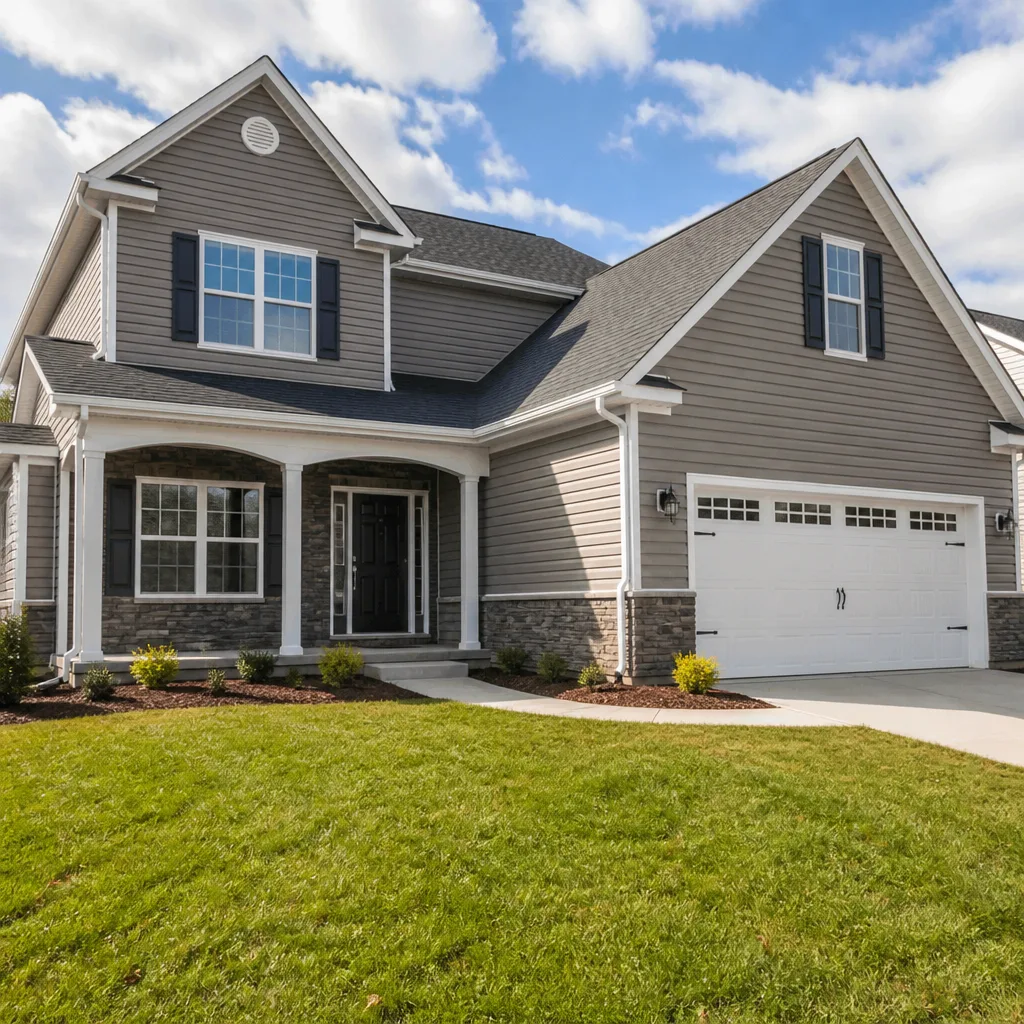
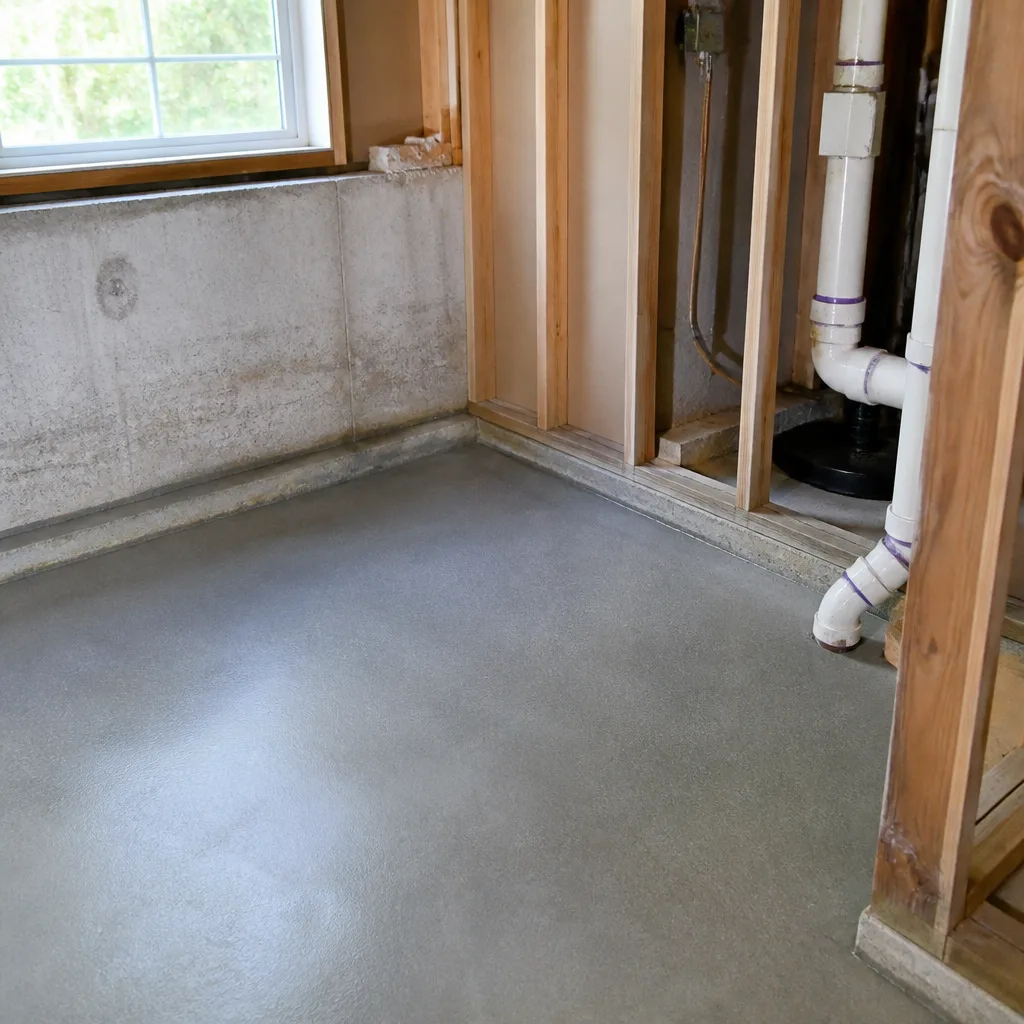
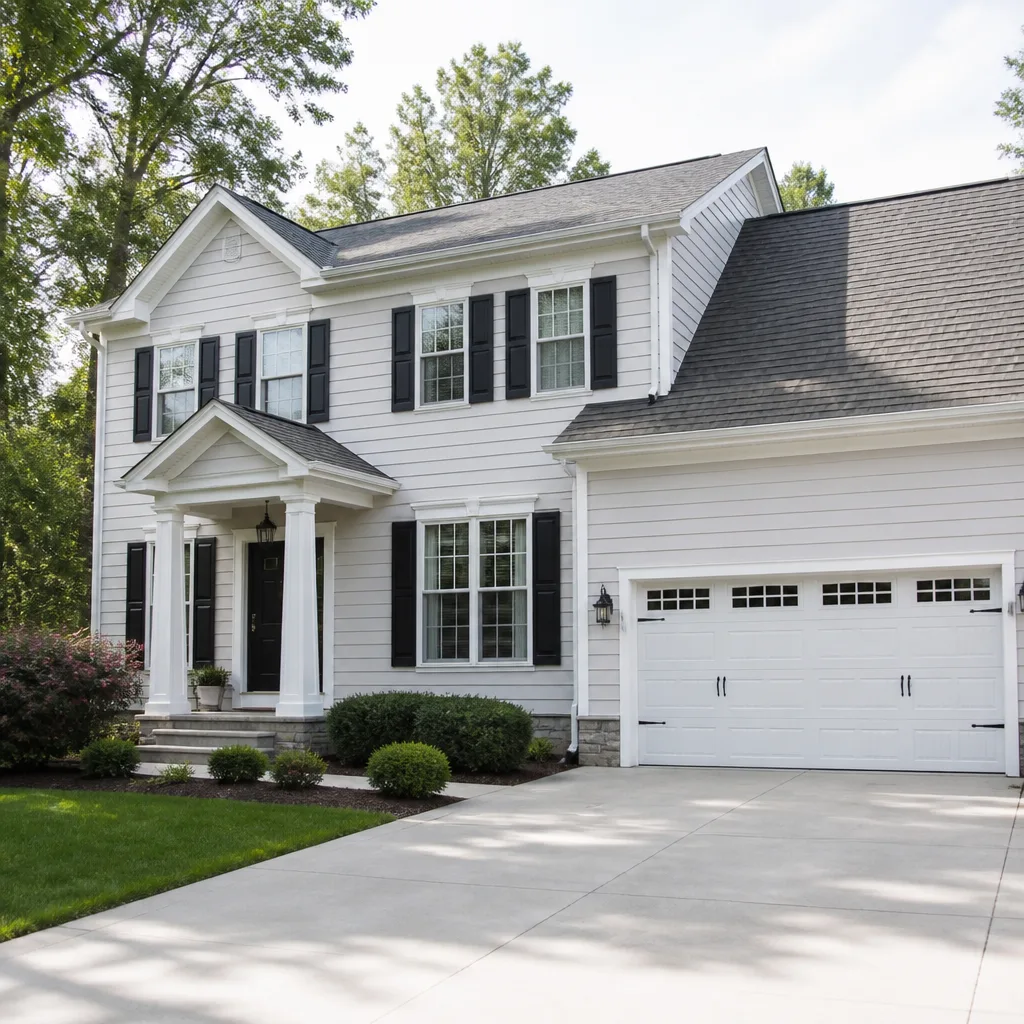
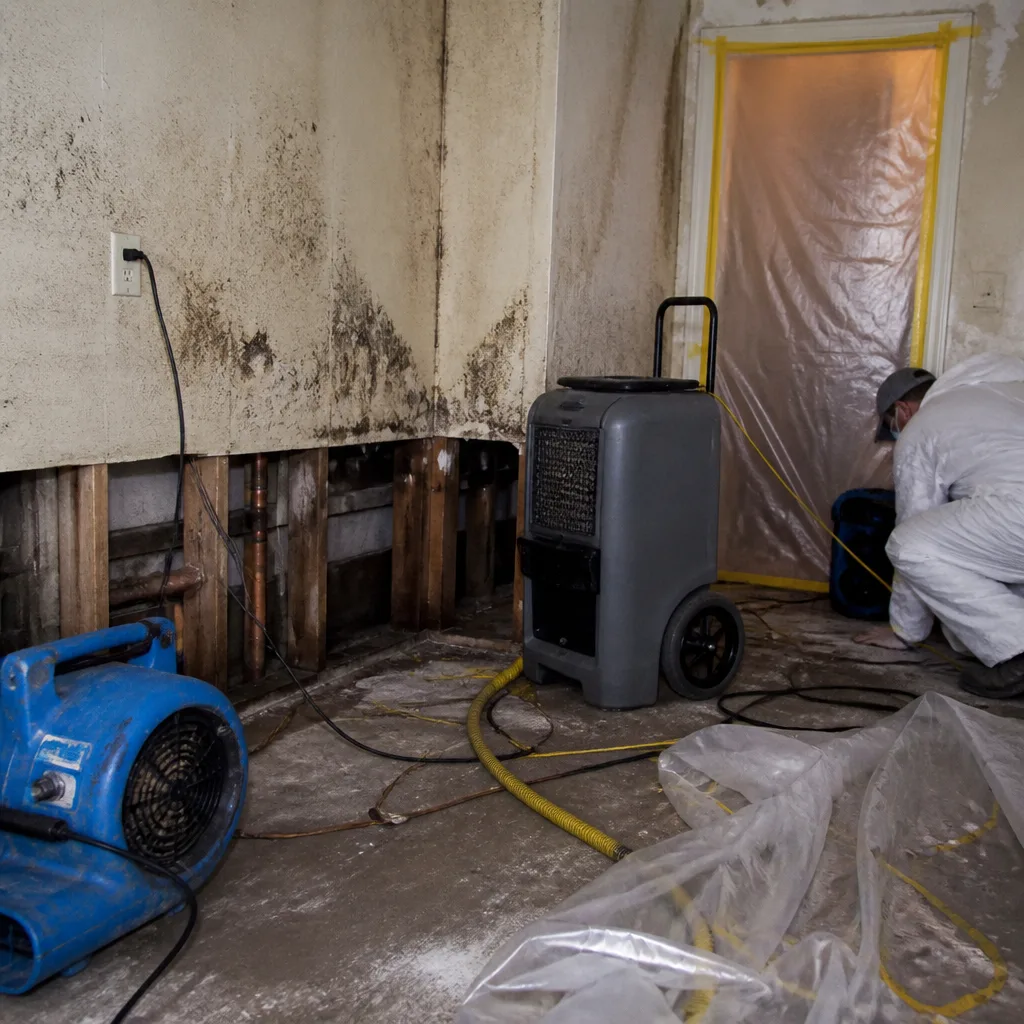 Before
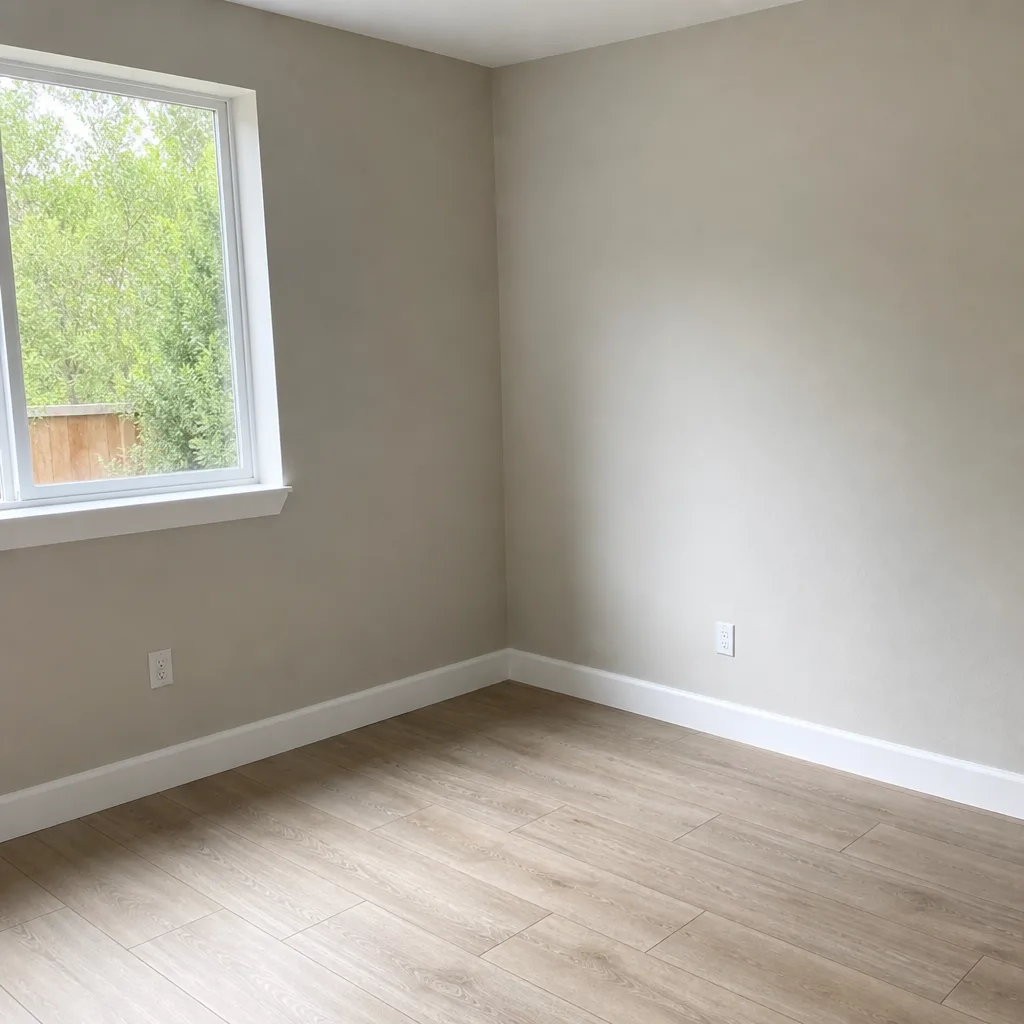 After
After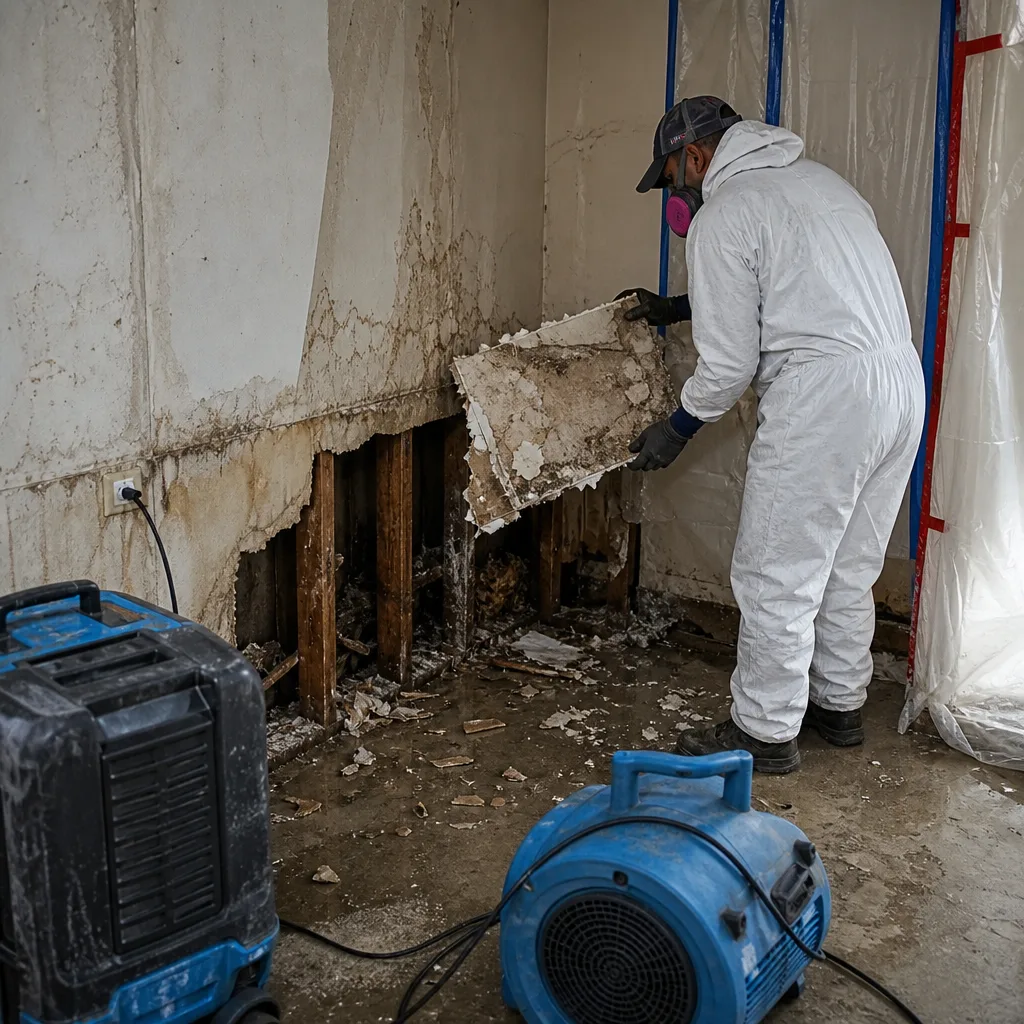 Before
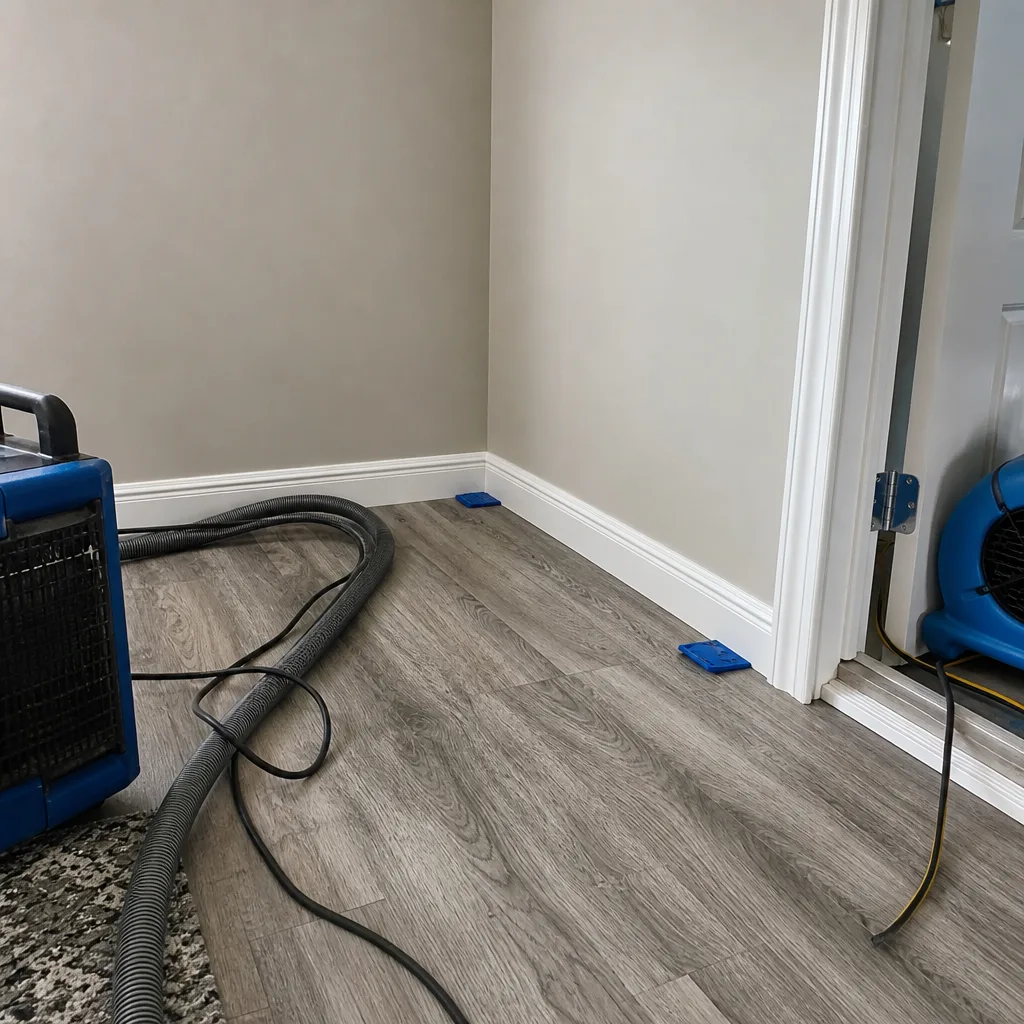 After
After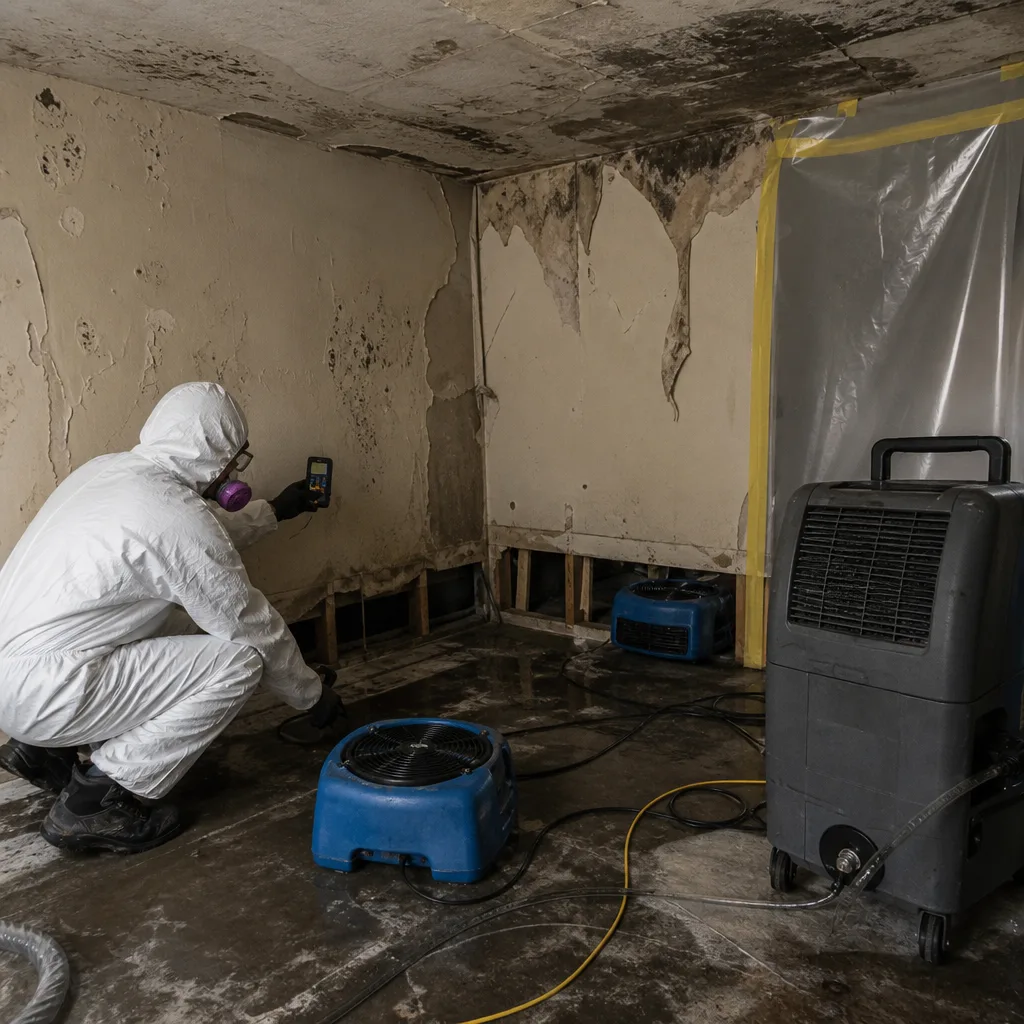 Before
 After
After24/7 Emergency Fire & Smoke Damage Restoration in San Fernando
Fire and smoke damage restoration in San Fernando typically costs $4,200-$18,500 depending on the affected square footage, with emergency board-up and stabilization starting at $850-$2,400. Most San Fernando homeowners see our crews on-site within 45 minutes of calling (747) 294-2725, where a live person answers every call, 24 hours a day, 7 days a week. The first hour after a fire determines whether smoke residues set permanently into plaster and framing, whether water from suppression efforts triggers secondary mold in San Fernando’s 100°F summer heat, and whether a compromised roof or wall assembly survives the next storm without catastrophic interior damage. We dispatch from our Los Angeles metro office with crews who know San Fernando’s permit workflow, its 1940s-1960s housing stock, and the specific failure patterns that follow kitchen and electrical fires in this city’s older stucco and wood-frame buildings.
Understanding Fire & Smoke Damage Restoration Severity in San Fernando Properties
Fire damage in San Fernando breaks into three severity tiers that dictate scope, timeline, and documentation requirements. Light smoke damage - limited to a single room with superficial soot on walls and contents - typically involves dry smoke residue from fast-burning, oxygen-rich fires, and responds to HEPA vacuuming and thermal fogging. Moderate damage extends smoke migration into HVAC systems, attic spaces, and wall cavities through the lath-and-plaster assemblies common in San Fernando’s 1950s bungalows; this demands containment, negative air pressure, and systematic deodorization with hydroxyl generators or ozone treatment. Severe damage compromises structural elements, requires partial or full gut-out, and almost always reveals hidden conditions in this city’s earthquake-patched housing stock.
San Fernando’s dominant building era complicates every assessment. The 1940s-1960s single-family homes and small multi-family stucco buildings that define this city’s neighborhoods often contain original galvanized plumbing, asbestos floor tile, and popcorn ceiling textures. After a fire, smoke travels through gaps in aging wall assemblies that were patched rather than rebuilt after the 1971 San Fernando earthquake and the 1994 Northridge event. Our crews use thermal imaging to trace migration paths through these compromised cavities, then document what we find in the photo record that accompanies every written scope.
Smoke residue types matter for protocol selection. Dry smoke from paper and wood fires produces powdery, easily smeared soot requiring dry-cleaning sponges before wet contact. Wet smoke from plastics and synthetic materials burns low and slow, leaving sticky, odorous residue that demands solvent-based cleaning agents. Protein smoke from kitchen fires - common in San Fernando’s older homes with original electrical panels - leaves nearly invisible but pungent residue that penetrates porous materials and requires enzymatic treatment. We identify the residue type before selecting chemistry, because the wrong approach drives soot deeper and voids coverage.
Why San Fernando Property Owners Choose DryMark Restoration Santa Clarita
- 45-minute response commitment to San Fernando addresses, with crews staged for the Valley’s corridor traffic patterns.
- 24/7 live answer - a real person, never an automated system or voicemail tree, every hour of every day.
- IICRC-certified crews holding FSRT (Fire and Smoke Restoration Technician) and WRT (Water Damage Restoration Technician) credentials, with AMRT (Applied Microbial Remediation Technician) certification for the mold that follows suppression water.
- Free visual inspection with a written scope delivered before any work begins, every time, with no exceptions.
- Direct insurance billing with photo-documented drying logs and moisture readings that turn restoration invoices into payable claims.
- One team from board-up to rebuild - no handoffs between mitigation and reconstruction contractors that delay permit closure.
 Before
 After
AfterOur Fire & Smoke Damage Restoration Process
1. Inspection & Assessment
We arrive with thermal imaging cameras, moisture meters, and hygrometers to map fire, smoke, and water damage across the affected structure. In San Fernando’s older homes, this includes identifying asbestos-containing materials, seismic repair patches, and compromised wall assemblies that change the scope. Every finding is photographed and logged before we leave the site.
2. Emergency Board-Up & Tarping
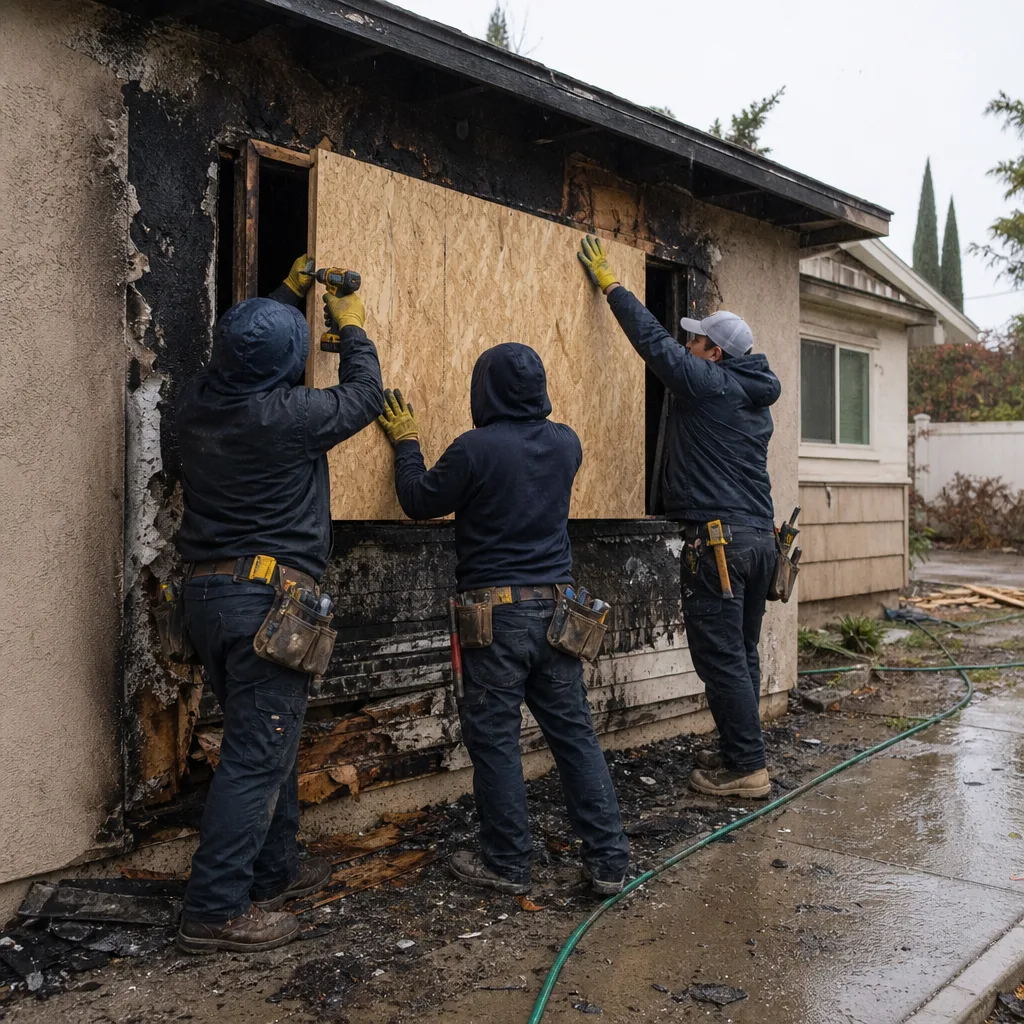
We secure the structure against weather, intrusion, and further damage with plywood, roof tarps, and temporary fencing as needed. Permits for permanent repairs in San Fernando must route through the city’s Community Development Department, not LADBS, so our board-up documentation supports that separate permit track from day one.
3. Water Extraction & Structural Drying
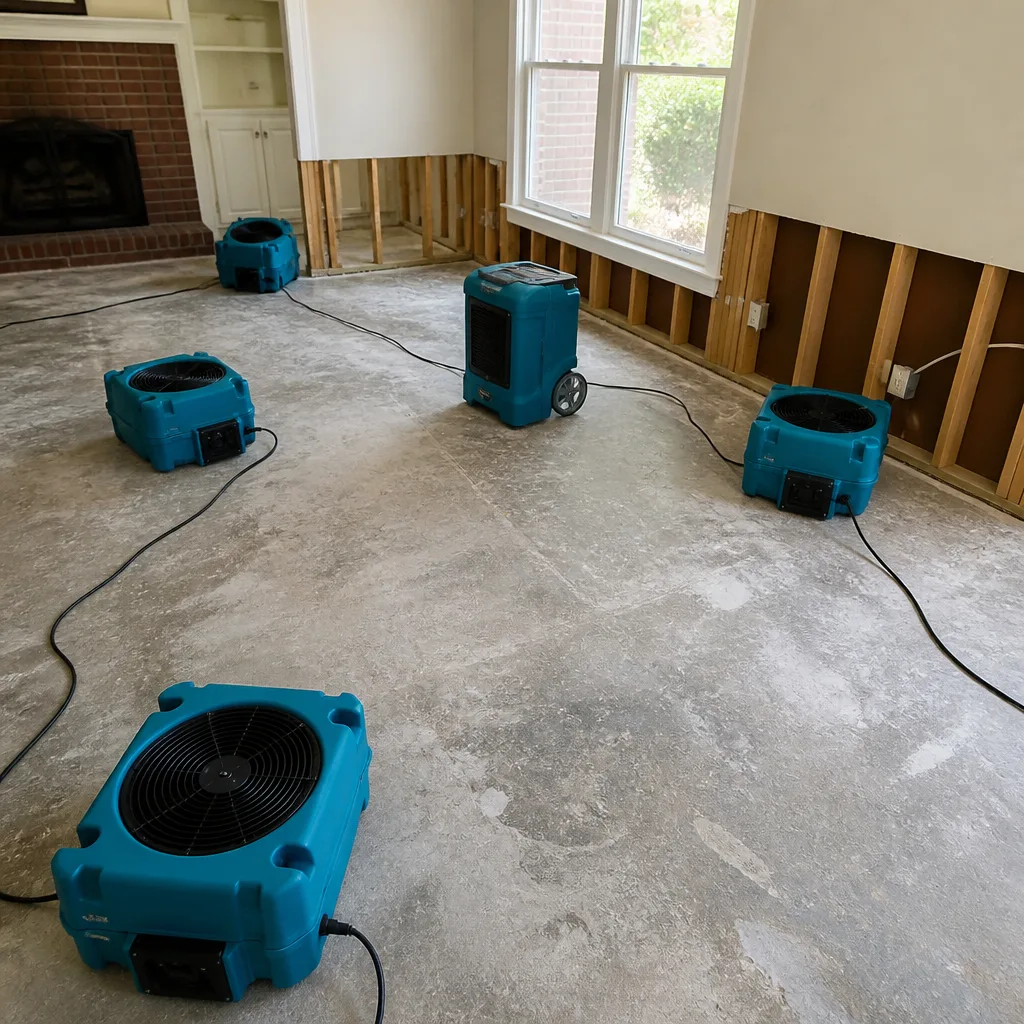
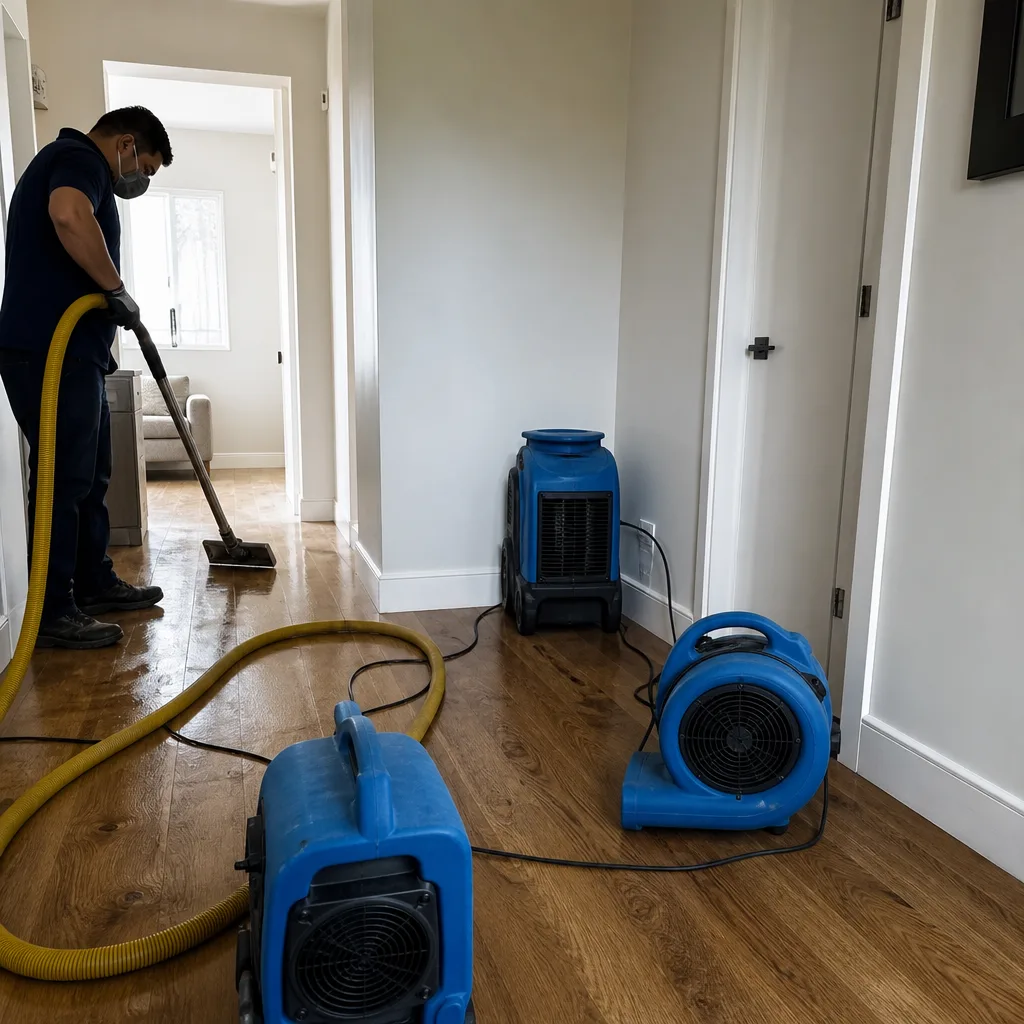
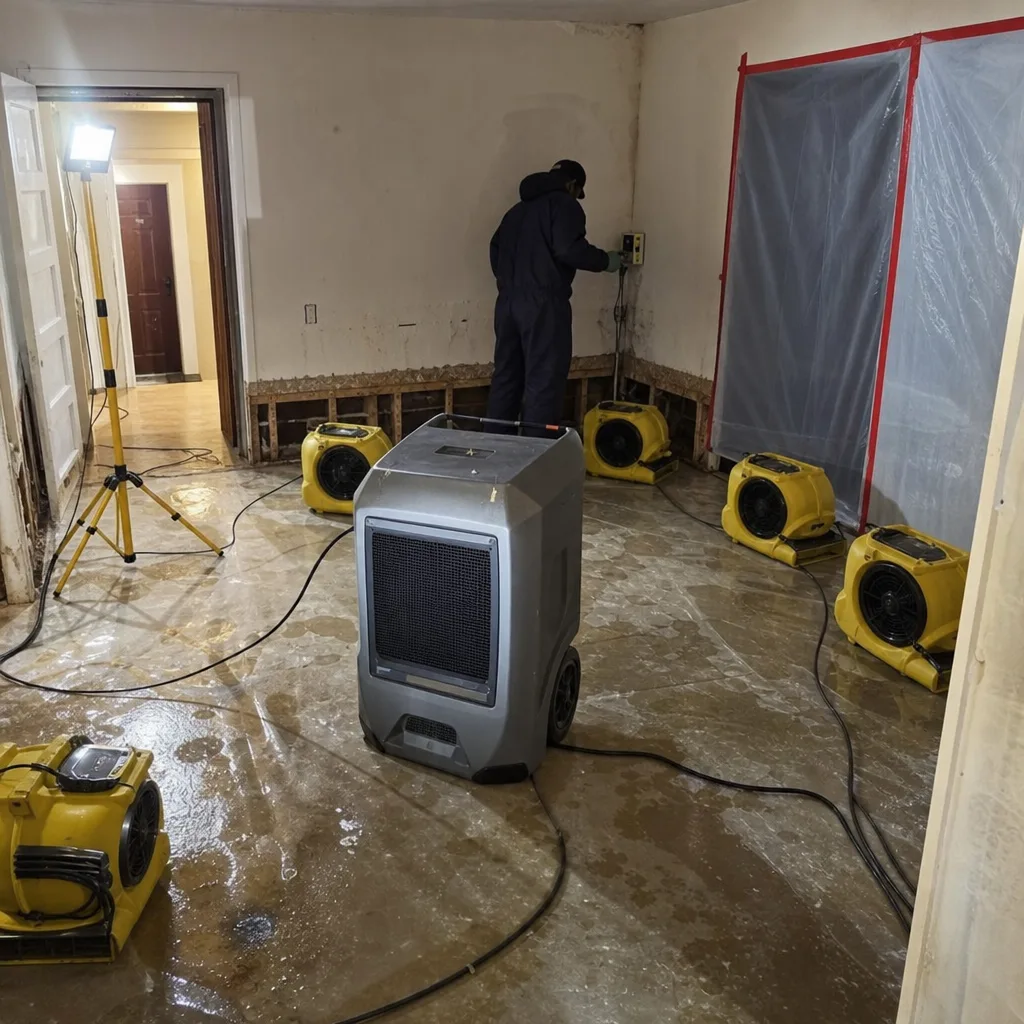
Fire suppression water is extracted and the structure dried using Phoenix and Dri-Eaz dehumidifiers, XPOWER and B-Air air movers, and Injectidry systems for cavity drying. Daily moisture logs track specific humidity, temperature, and vapor pressure differential - the measurable force that drives moisture from wet materials into dry air - until readings confirm the structure has reached pre-loss equilibrium.
4. Smoke & Soot Removal
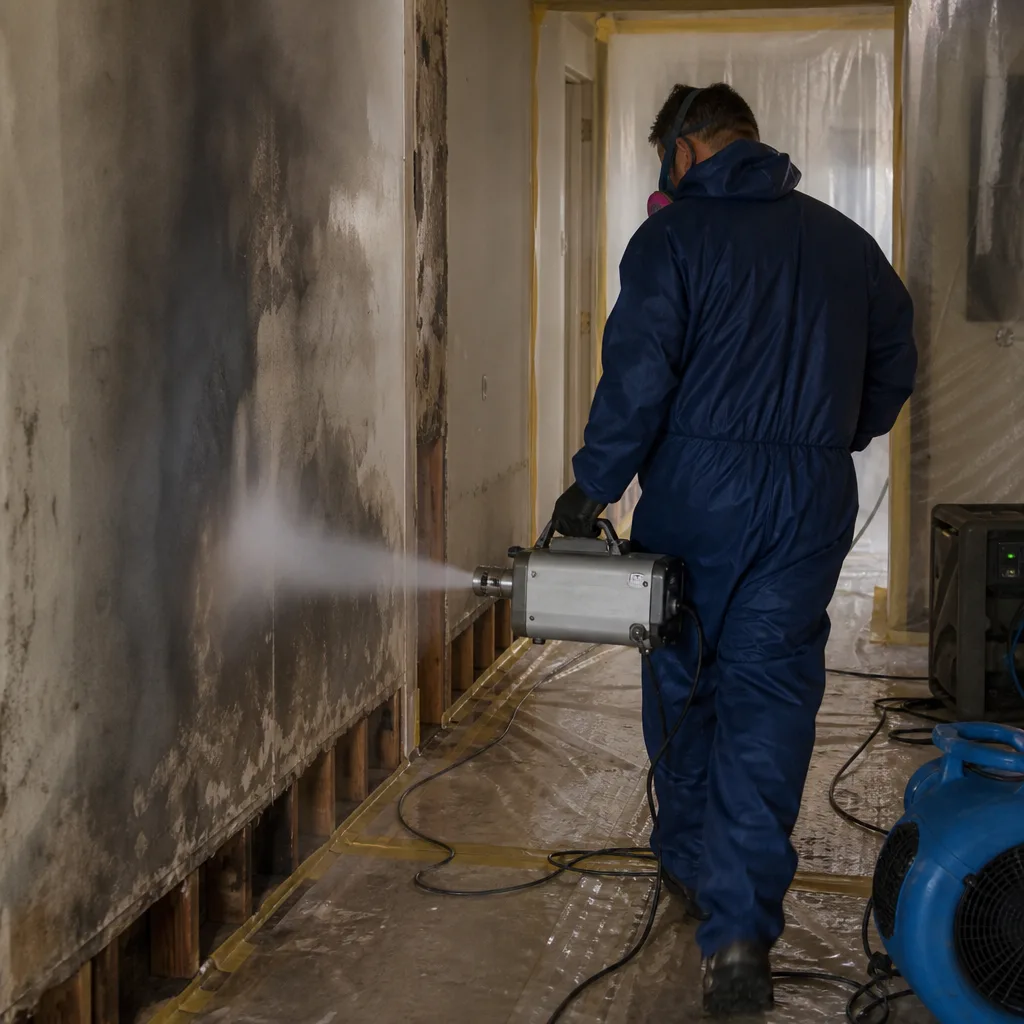
HEPA air scrubbers establish negative pressure containment while technicians remove soot with dry sponges, solvent cleaning, or ultrasonic methods depending on residue type and surface material. In San Fernando’s lath-and-plaster homes, we frequently find smoke has traveled through earthquake-created gaps that require targeted cavity treatment.
5. Odor Removal & Deodorization
Thermal fogging, hydroxyl generators, and ozone treatment neutralize odor molecules at their source rather than masking them. For protein smoke from kitchen fires - the most common call we get near downtown San Fernando - enzymatic digesters break down odor-causing compounds in porous materials before sealants are applied.
6. Structural Fire Repair & Restoration
Reconstruction follows the written scope with matched materials: stucco texture, period-appropriate trim, and finishes that restore pre-loss condition. Our 365-Day Done Right Promise under The Haven Standard covers every repair; if it’s not done right, we make it right.
Need Emergency Fire & Smoke Damage Restoration in San Fernando Now?
Crews minutes away, answering live 24 hours a day. The sooner we start, the less it costs.
Working With Your Insurance Company
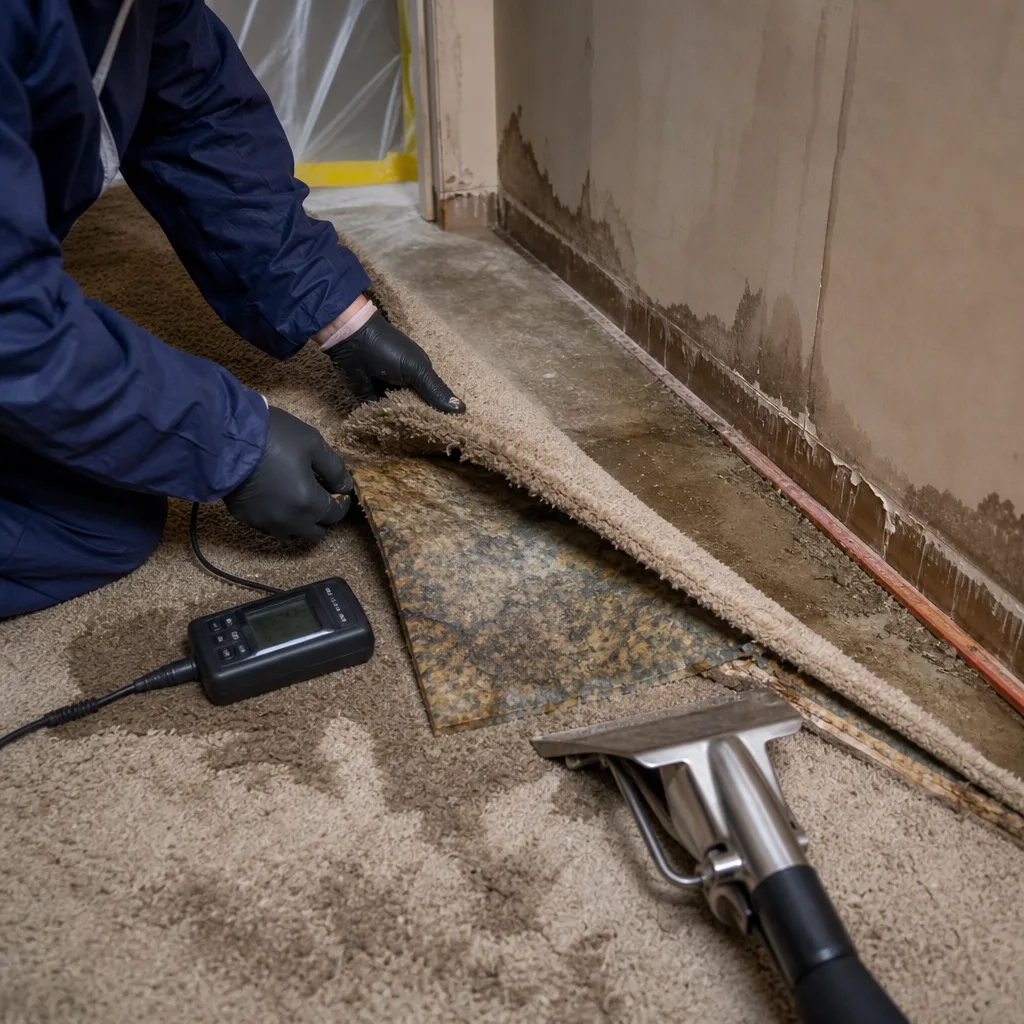
Fire claims live or die on documentation. We begin photographing and logging from the first hour, producing the drying logs, moisture readings, and room-by-room photo records that adjusters need to approve scope and payment. Our estimates follow Xactimate or Symbility industry standards, and we coordinate directly with your carrier’s assigned adjuster rather than handing you a bill to dispute alone.
The Haven Standard requires a written price before work begins, every time, with no scope-creep additions once the crew is inside your home. This documentation discipline - Clause 1 of The Haven Standard - is why our invoices clear review without the back-and-forth that delays payment and leaves homeowners carrying costs.
What We Provide Your Insurer
- Thorough documentation of the loss
- Photos of all damage, room by room
- Moisture readings and drying logs
- A detailed, line-item scope of work
- Direct coordination with your carrier
Built for San Fernando’s Loss Calendar
San Fernando’s fire and smoke damage calendar runs on three distinct patterns. Winter brings atmospheric-river storms and cold snaps that drive portable heater and space-heater fires in older homes with original electrical systems, followed by wind-driven rain through compromised roof assemblies that complicates smoke damage with category 2 water intrusion. Spring sees the highest volume of kitchen fires - grease ignition, unattended cooking, and electrical overloads in 1950s-era panels - as families resume normal routines after holiday disruptions.
Summer’s extreme heat, with temperatures routinely exceeding 100°F in San Fernando’s Valley heat-island pocket, accelerates every secondary damage pathway. Suppression water that isn’t fully extracted within 24-48 hours triggers mold colonization in wall cavities. Smoke odors that weren’t fully neutralized at the molecular level reactivate in high heat and humidity. And the Santa Ana wind periods of fall create the conditions for rapid fire spread from outdoor sources - brush, electrical infrastructure, neighboring structures - that produce the complex smoke patterns we see across the city’s older multi-family buildings.
Our Fire & Smoke Damage Restoration team maintains equipment readiness and crew rotation for these seasonal spikes, with documentation protocols that account for the layered damage types San Fernando’s climate produces.
Fire & Smoke Damage Restoration Across San Fernando’s Neighborhoods
San Fernando’s compact geography contains distinct building eras and fire risk profiles that shape how we respond. North San Fernando, toward the foothills near Hubbard Street and the Sylmar border, holds larger 1960s ranch homes on bigger lots; fires here tend to start in attached garages or outdoor cooking areas, with smoke migration into attic spaces that requires extensive HEPA filtration and cavity inspection. The downtown corridor along Maclay Avenue and San Fernando Road is dense with 1940s-1950s bungalows and small commercial buildings; kitchen electrical fires are common, and the narrow lot lines mean our board-up has to secure against both weather and adjacent structure exposure.
West San Fernando toward Mission Hills transitions into the multi-family stucco buildings of the 1950s and 1960s, where a single unit fire routinely affects common wall assemblies and requires coordinated access with multiple owners or property managers. The eastern edge near the 118 corridor mixes industrial and residential uses; fires in this zone often involve chemical or solvent smoke that demands specialized residue identification before cleaning protocol selection. In every zone, our crews know the response routes, the building stock, and the permit workflow that applies to that specific San Fernando address - not the LADBS process that out-of-area contractors incorrectly assume.
Specialized Fire & Smoke Damage Restoration Services We Offer in San Fernando
Fire Damage Cleanup
We remove charred materials, debris, and compromised structural elements with documented photo records at every phase. In San Fernando’s earthquake-patched housing stock, this frequently reveals pre-existing conditions - expired yellow-tag seismic repairs, non-original framing members, mismatched stucco - that must be distinguished from fire loss for accurate insurance scope. We document both, clearly, in the written price delivered before rebuild work begins.
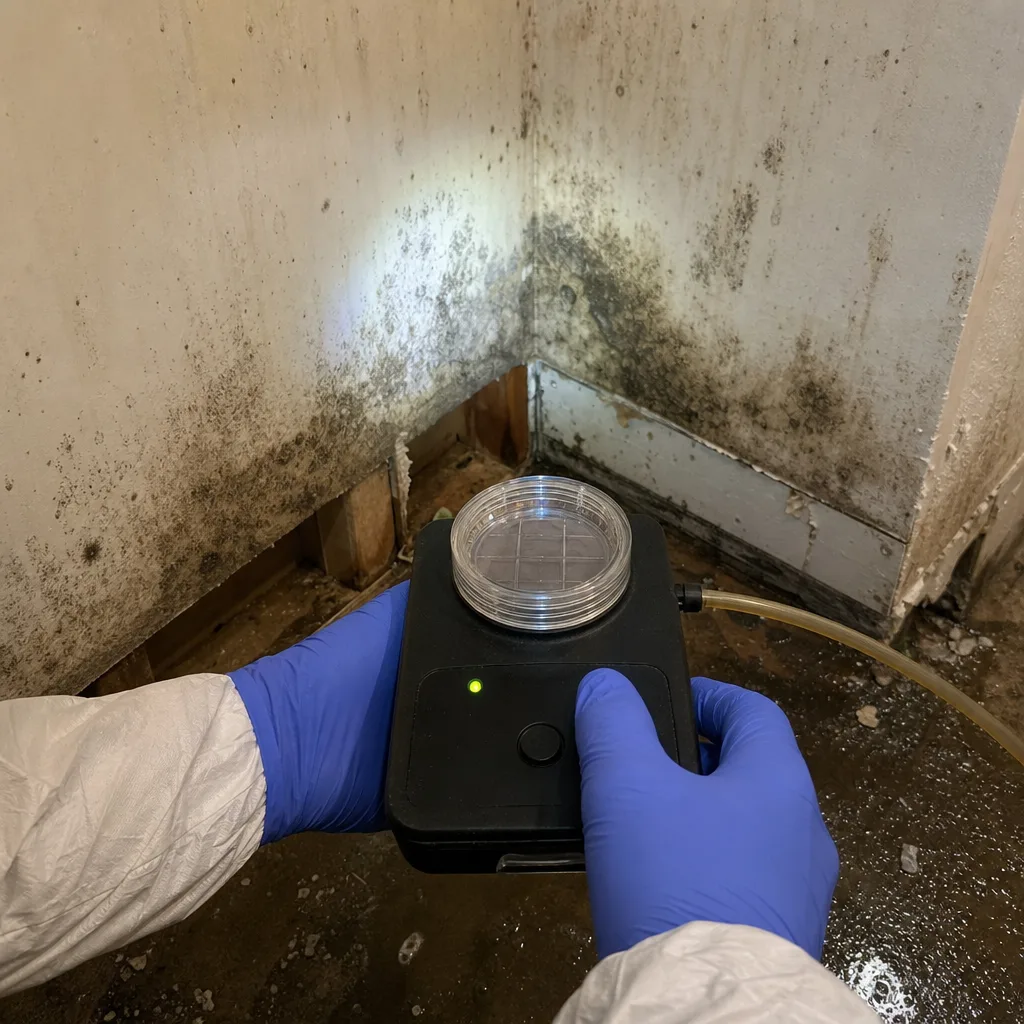
Smoke & Soot Removal
Dry, wet, and protein smoke residues each demand specific chemistry and technique. Our FSRT-certified technicians identify residue type through field testing, then deploy dry sponges, solvent cleaning, or ultrasonic methods with HEPA-contained negative air pressure. For San Fernando’s lath-and-plaster homes, we use thermal imaging to find the migration paths that visual inspection misses.
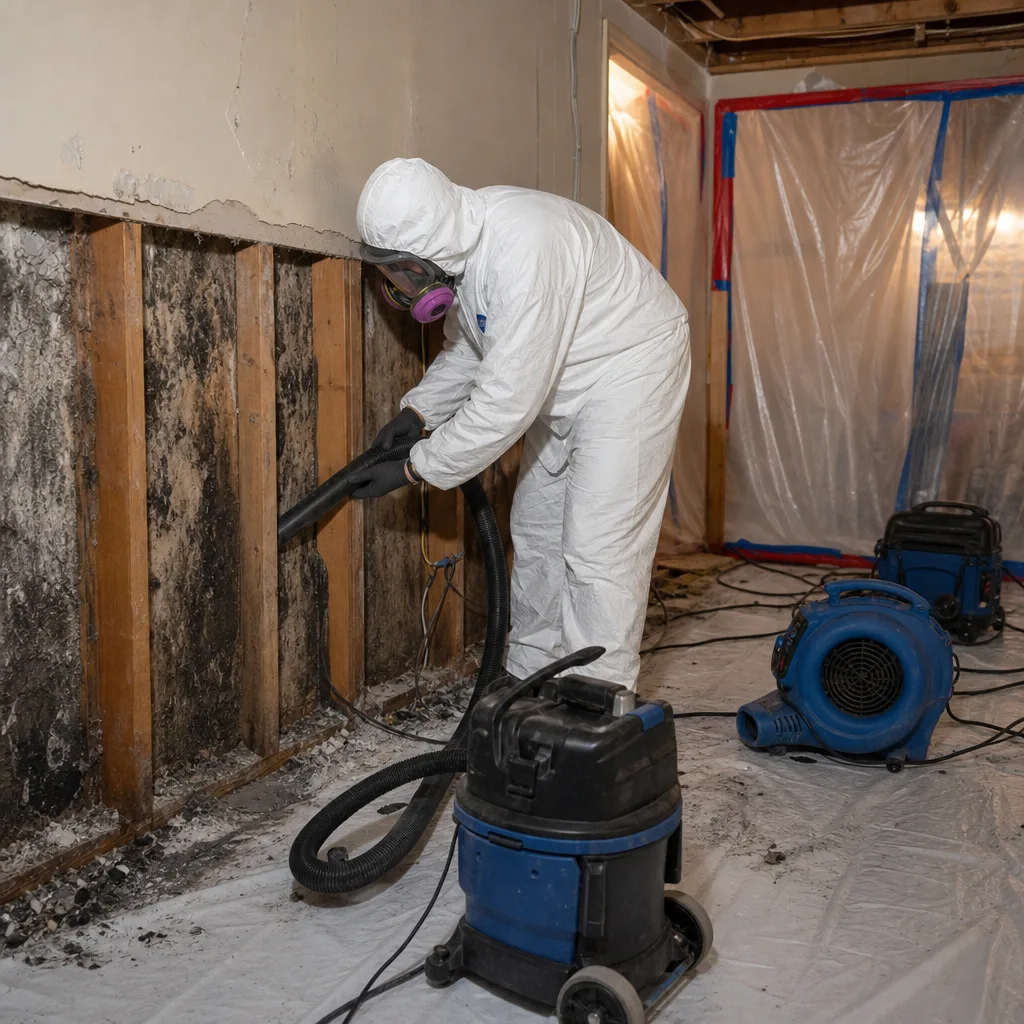
Odor Removal & Deodorization
Masking agents fail; molecular neutralization works. Thermal fogging, hydroxyl generators, and ozone treatment destroy odor compounds at their source. In San Fernando’s summer heat, incomplete deodorization reactivates within weeks; our protocol includes post-treatment verification before we sign off.
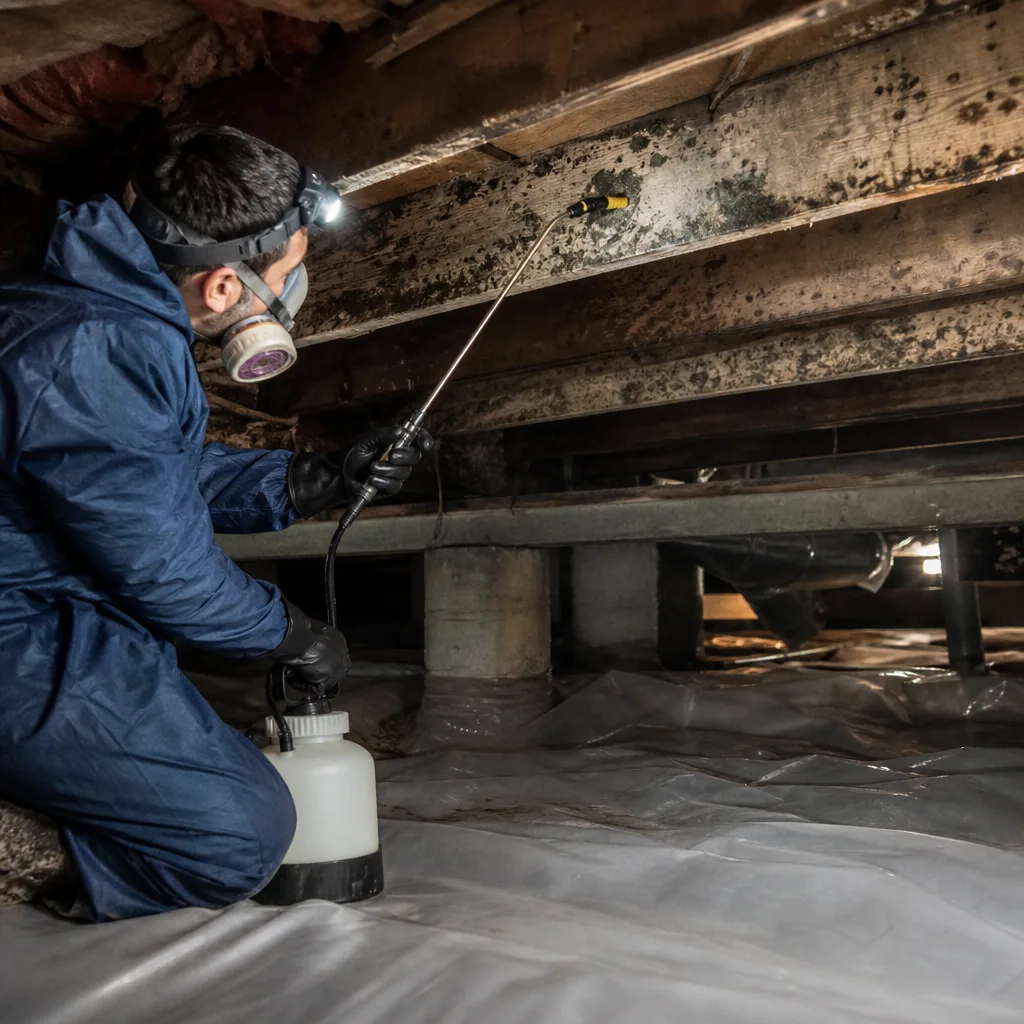
Contents Cleaning & Pack-Out
Fire-damaged belongings are inventoried, photographed, and transported to our cleaning facility for ultrasonic, ozone, or specialized textile treatment. The pack-out itself is documented room by room, with condition notes that support your contents claim.
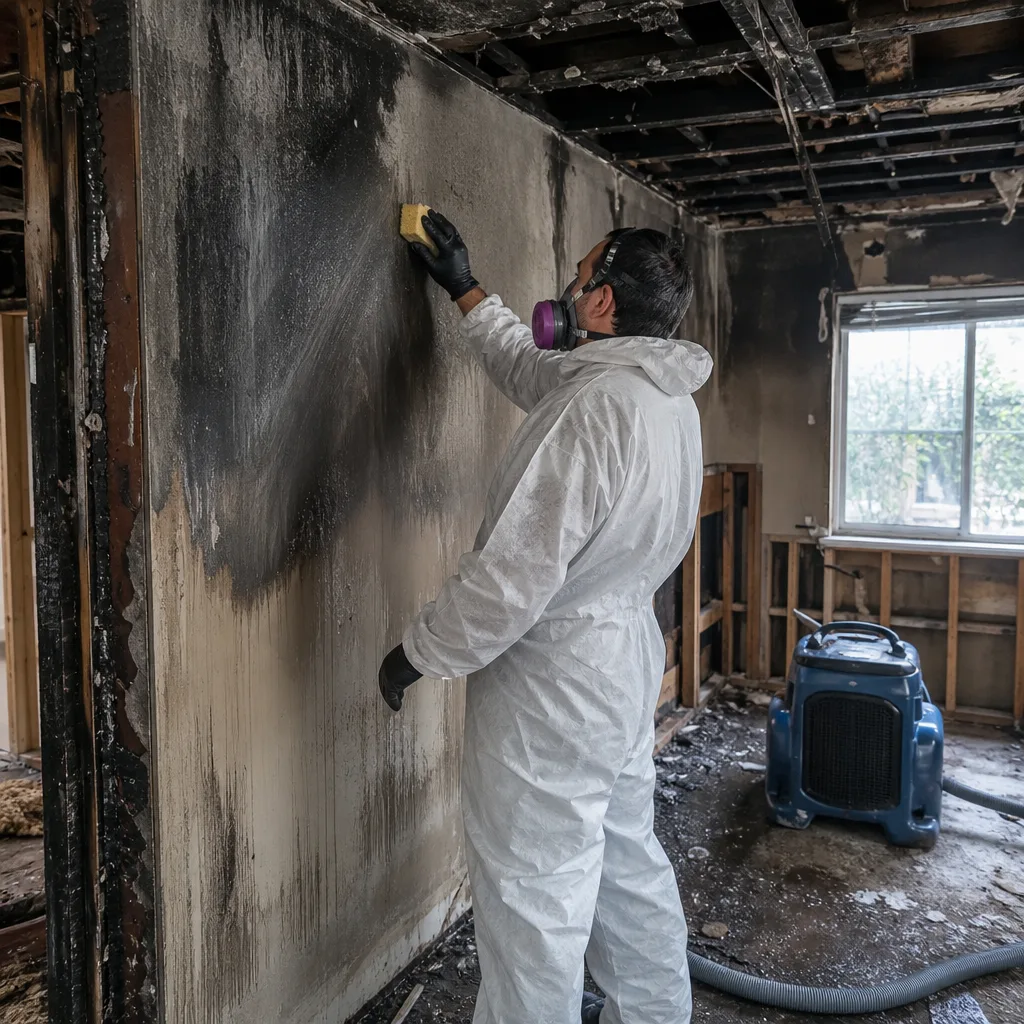
Emergency Board-Up & Tarping
Structure security is immediate and permit-aware. We board, tarp, and fence with materials and methods that satisfy San Fernando’s Community Development Department requirements, not LADBS. This distinction matters; we’ve seen out-of-area contractors lose weeks to permit rejection because they filed with the wrong city entirely.
Structural Fire Repair
Reconstruction restores pre-loss condition with matched materials and documented quality. Our 365-Day Done Right Promise under The Haven Standard applies to every structural repair we complete in San Fernando.
What happens when you call
- 1
A real person answersNo phone trees - you reach a local pro.
- 2
You get an upfront price rangeHonest numbers before anyone is dispatched.
- 3
A background-checked tech heads outLicensed & insured, dispatched right away.
- 4
You approve before work beginsNothing starts until you say go.
Fire & Smoke Damage Restoration Costs in San Fernando, CA
Typical fire and smoke damage restoration in San Fernando runs $4,200-$18,500 for residential properties, with specific line-item ranges as follows:
| Service | Typical Range in San Fernando |
|---|---|
| Emergency board-up & tarping | $850-$2,400 |
| Smoke & soot removal (single room) | $1,200-$3,800 |
| Structural drying (water from suppression) | $1,500-$4,200 |
| Odor removal & deodorization | $800-$2,600 |
| Contents pack-out & cleaning | $1,400-$5,500 |
| Structural repair & reconstruction | $3,200-$15,000+ |
What moves the price: affected square footage, smoke residue type, whether water damage from suppression requires full structural drying, presence of asbestos or lead requiring abatement, and the extent of hidden damage in wall cavities. Insurance typically covers sudden and accidental fire damage, including smoke and water from suppression; our documentation package supports that coverage determination. Haven Standard, Clause 1: a written price before work begins, every time, with no exceptions. Call (747) 294-2725 for your free visual inspection and exact scope.
We Also Serve Cities Near San Fernando
Our crews respond throughout the northeast San Fernando Valley, including Sylmar to the north with its hillside ranch homes and brush-fire exposure, Mission Hills to the west with its dense 1950s multi-family stock, Granada Hills with its larger lots and extended smoke migration paths, and Panorama City to the south with its concentration of mid-century apartment buildings and commercial-residential mixed use. Each city’s permit workflow, building stock, and fire risk profile differs; our documentation and response protocols adapt accordingly.
Serving San Fernando, CA - Our Local Coverage Area
We’re based in the San Fernando area and know this community well. Use the map below to see our service coverage - if you’re nearby, we can almost certainly help.
San Fernando Fire & Smoke Damage Restoration Questions, Answered
Why does San Fernando fire and smoke damage restoration take longer than in neighboring Burbank or Glendale?
San Fernando’s independent city status means fire restoration permits route through San Fernando’s Community Development Department, not LADBS, and its 1940s-1960s housing stock routinely conceals expired yellow-tag seismic patches that must be distinguished from fire loss for accurate insurance scope. Out-of-area contractors who don’t know this workflow add weeks of permit rejection and scope revision. Call (747) 294-2725 for a crew that knows San Fernando’s process.
Will smoke odor come back after a fire in a San Fernando house?
It will if deodorization stopped at masking rather than molecular neutralization. San Fernando’s 100°F summer heat reactivates incomplete odor treatment within weeks. Our protocol uses thermal fogging, hydroxyl generators, or ozone to destroy odor compounds at their source, with post-treatment verification before sign-off. Call (747) 294-2725 for a permanent solution.
How quickly do I need emergency board-up after a fire in San Fernando?
Immediately, and no later than the same day. Open structures attract weather intrusion, theft, and liability exposure; San Fernando’s winter atmospheric-river storms and summer Santa Ana winds compound the damage. Our 45-minute response commitment includes board-up and tarping with permit-aware documentation. Call (747) 294-2725 now.
What hidden issues should I expect when restoring an older San Fernando home after fire damage?
Asbestos floor tile, popcorn ceiling texture, original galvanized plumbing, and expired yellow-tag seismic repair patches are standard findings in San Fernando’s 1940s-1960s stock. After a kitchen fire on Maclay Avenue, our crew boarded and tarped the burned wall, then used moisture mapping and thermal imaging to trace smoke residue into 1950s lath-and-plaster cavities. We set up containment with Dri-Eaz and Phoenix air movers and dehumidification for structural drying, and the pack-out revealed asbestos floor tile under the char - all documented in drying logs for the scope of work. The final repair matched the original stucco and restored pre-loss condition. Call (747) 294-2725 for inspection.
Does San Fernando’s heat-island climate affect fire and smoke damage restoration?
Yes, significantly. Summer temperatures exceeding 100°F accelerate mold colonization in suppression water within 24-48 hours, and reactivate incompletely neutralized smoke odors. Our drying protocols account for this with accelerated dehumidification schedules and heat-aware deodorization verification. Call (747) 294-2725 for climate-appropriate response.
Will insurance cover fire and smoke damage restoration in San Fernando?
Sudden and accidental fire damage, including smoke, soot, and water from suppression, is standard coverage in most homeowner policies. Our documentation - room-by-room photos, moisture readings, drying logs, and line-item scope - supports clean claim approval. We bill carriers directly and coordinate with your adjuster. Call (747) 294-2725 to start the documentation process.
How long does fire and smoke damage restoration take in San Fernando?
Light smoke damage: 2-5 days. Moderate damage with water intrusion: 1-3 weeks including structural drying. Severe damage requiring gut-out and rebuild: 4-12 weeks depending on permit timeline through San Fernando’s Community Development Department. Every job gets a written timeline with the written price. Call (747) 294-2725 for your specific scope.
Can my family stay in the home during fire and smoke damage restoration?
Not during the initial board-up, smoke removal, and structural drying phases; air quality and structural safety require temporary relocation. For light, contained damage limited to a single room with no HVAC contamination, limited occupancy may be possible after air scrubbing and clearance. We document air quality readings and communicate specific re-entry conditions. Call (747) 294-2725 to discuss your situation.
Fire damage doesn’t wait, and neither should documentation. Call (747) 294-2725 now for live answer, 45-minute response to San Fernando, and a free visual inspection with written price before any work begins. Haven Standard, Clause 1, every time.
Written by Alicia Brennan, Owner at Back to Dry Restoration, serving San Fernando since 2011.
Fire & Smoke Damage Restoration in Nearby Areas