

Free visual inspection and a written scope of work before any mitigation begins - photos, moisture readings, and drying logs go in your claim file
The scope we write is the scope we bill. Anything new gets shown to you, in writing, before we touch it.
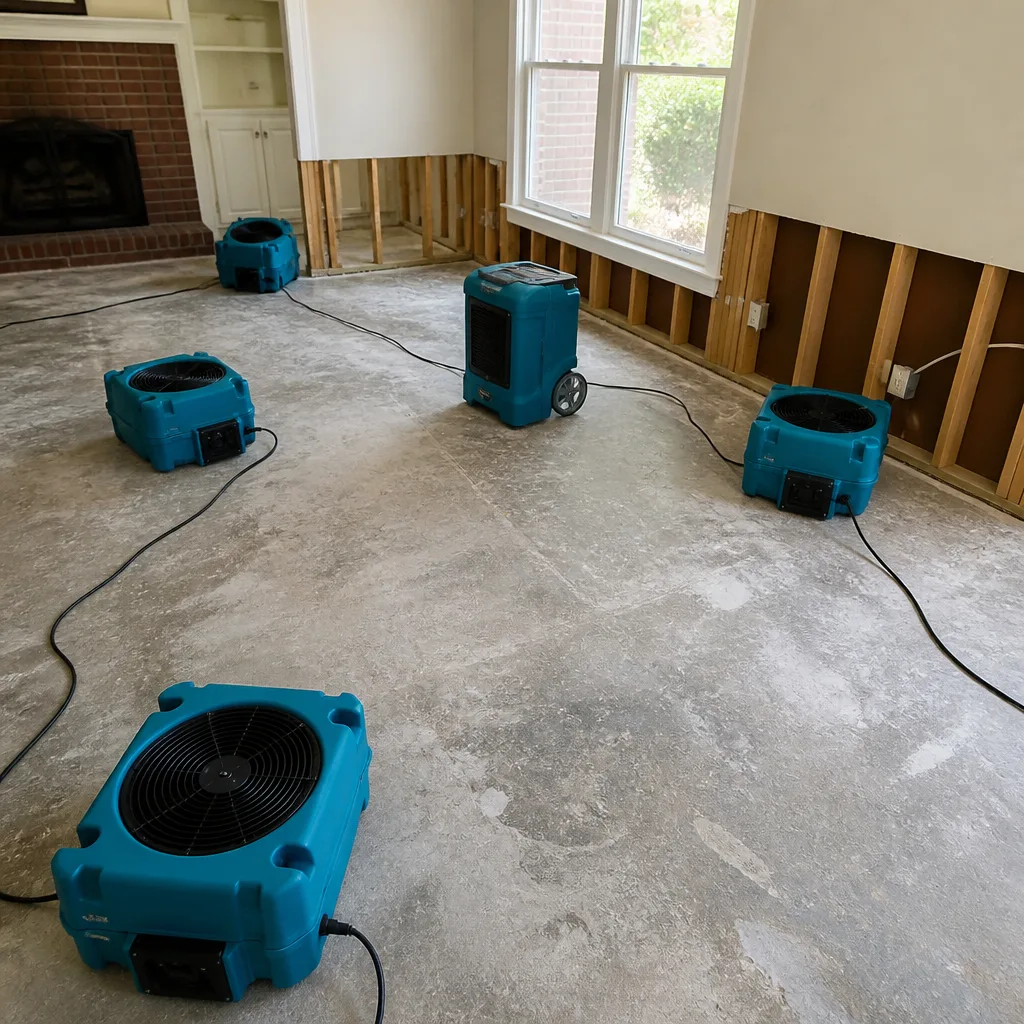
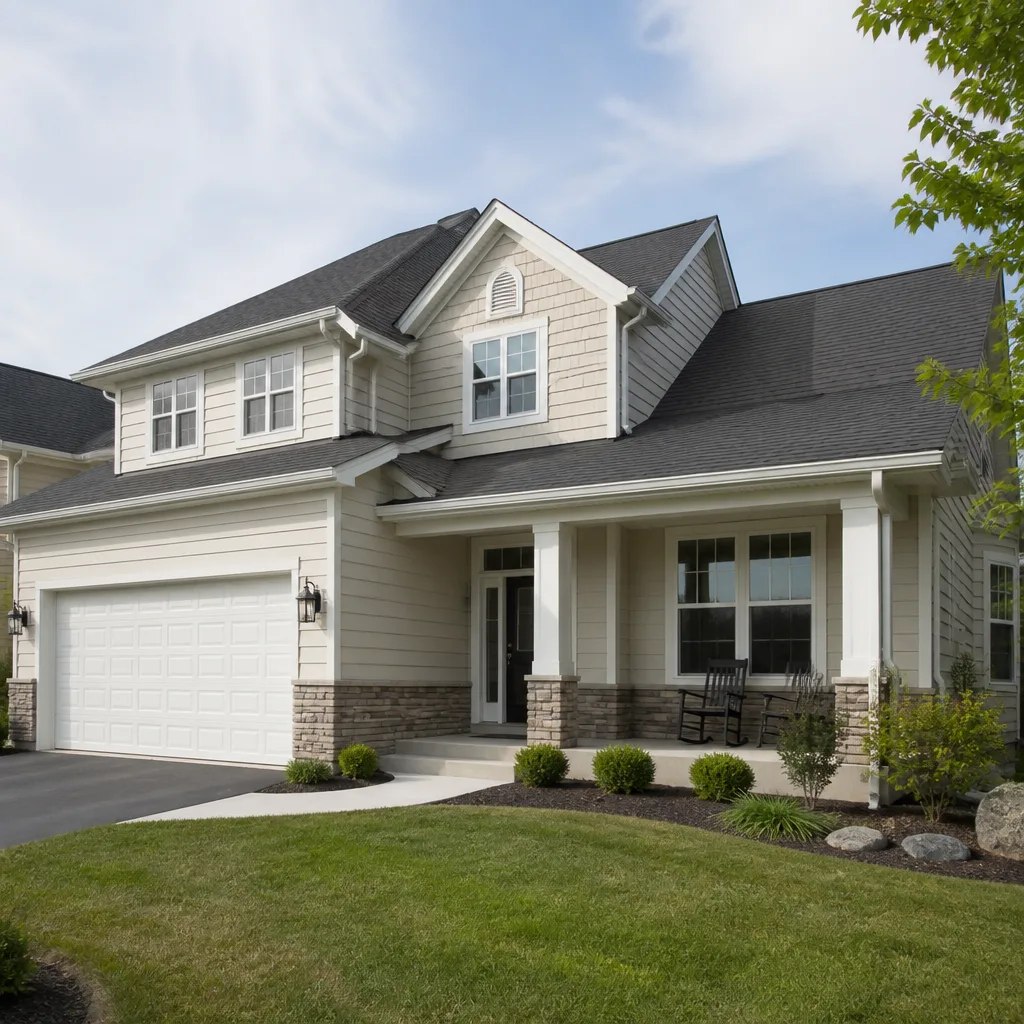
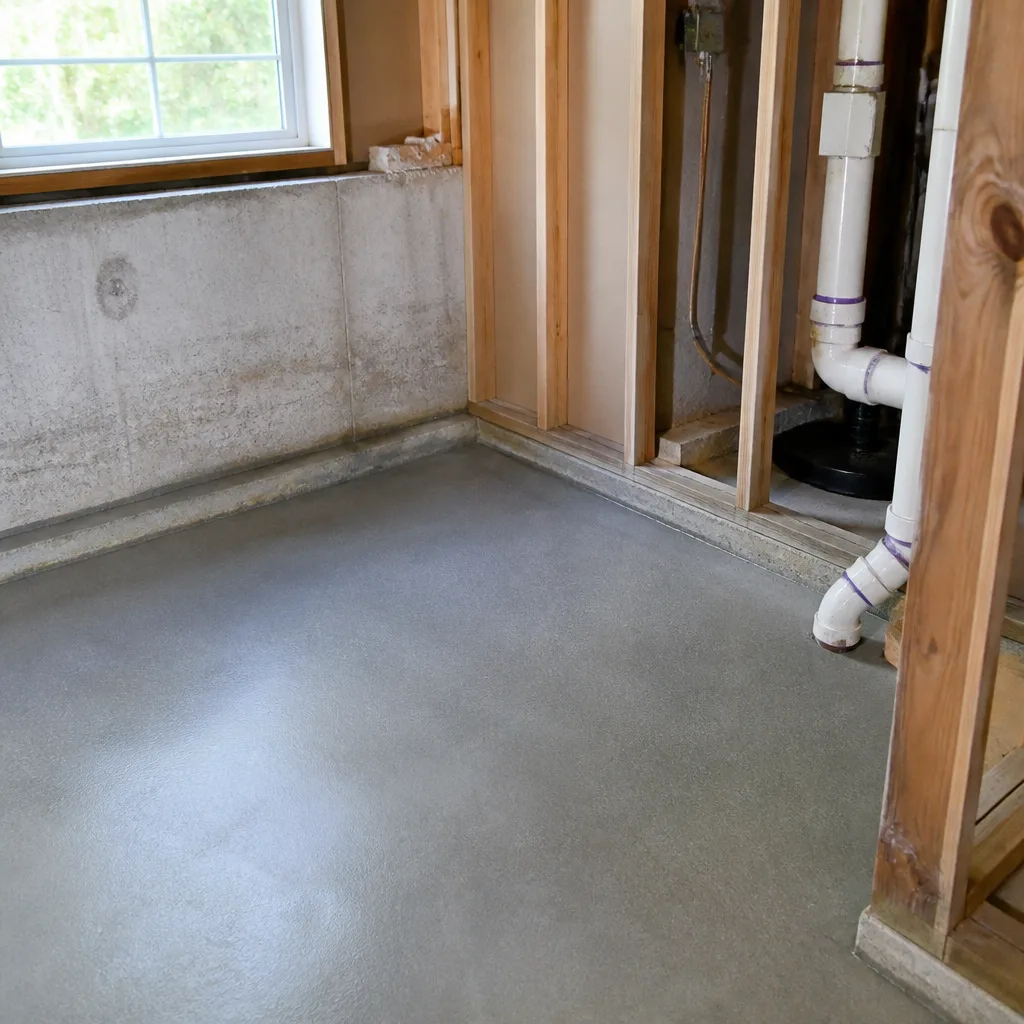
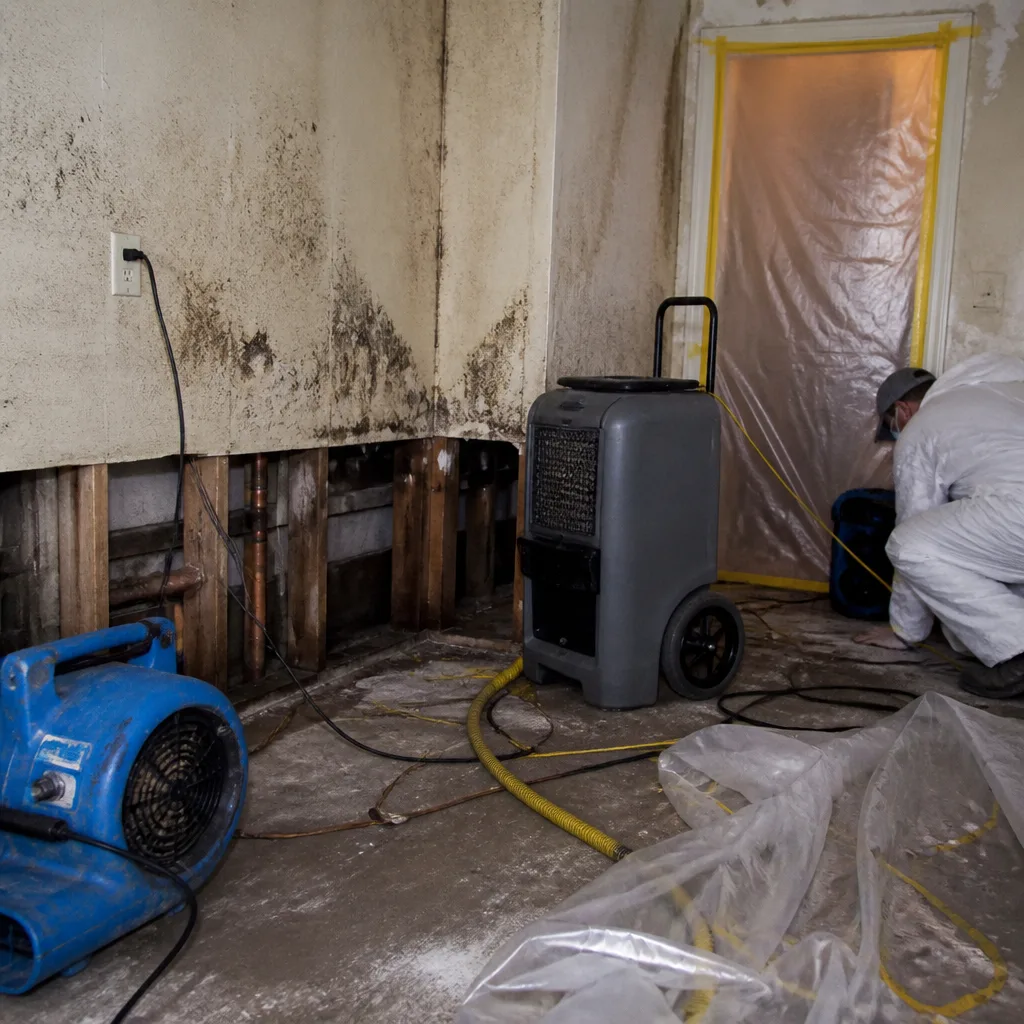 Before
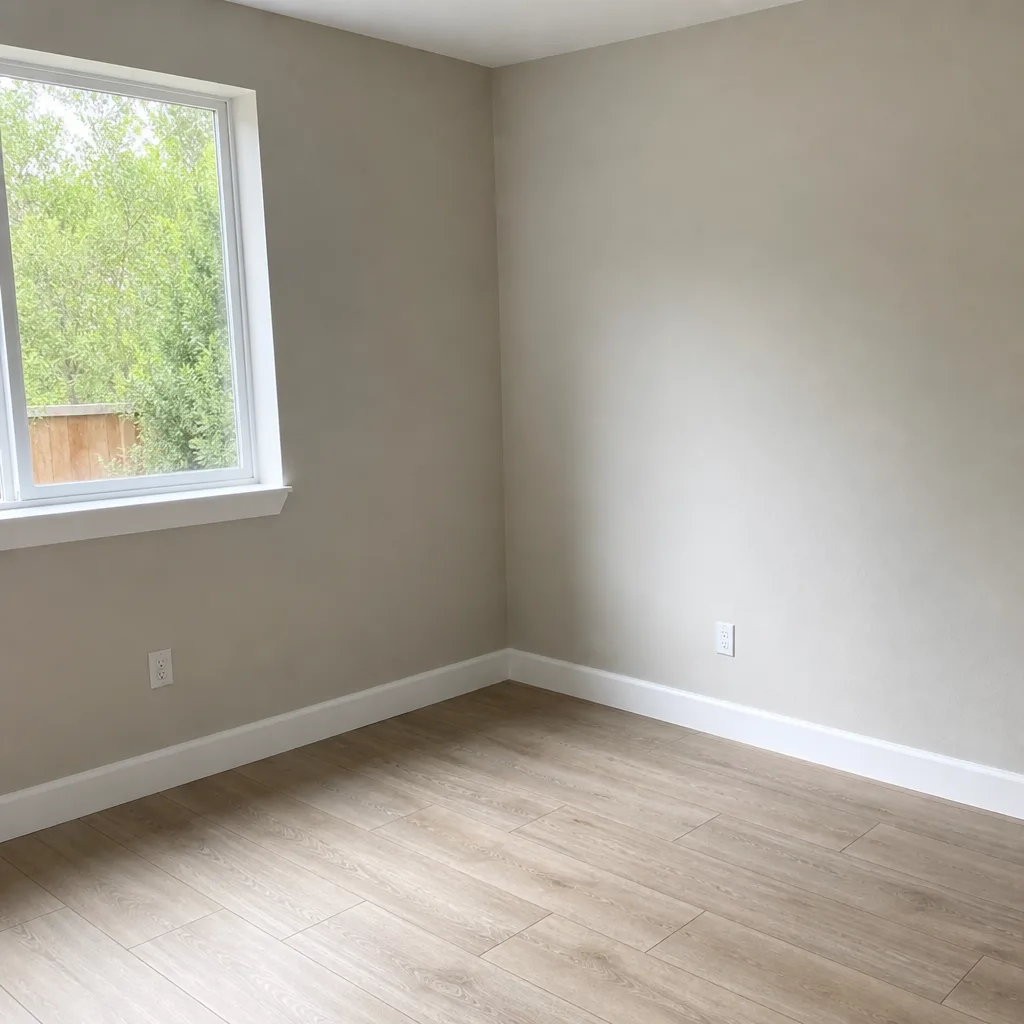 After
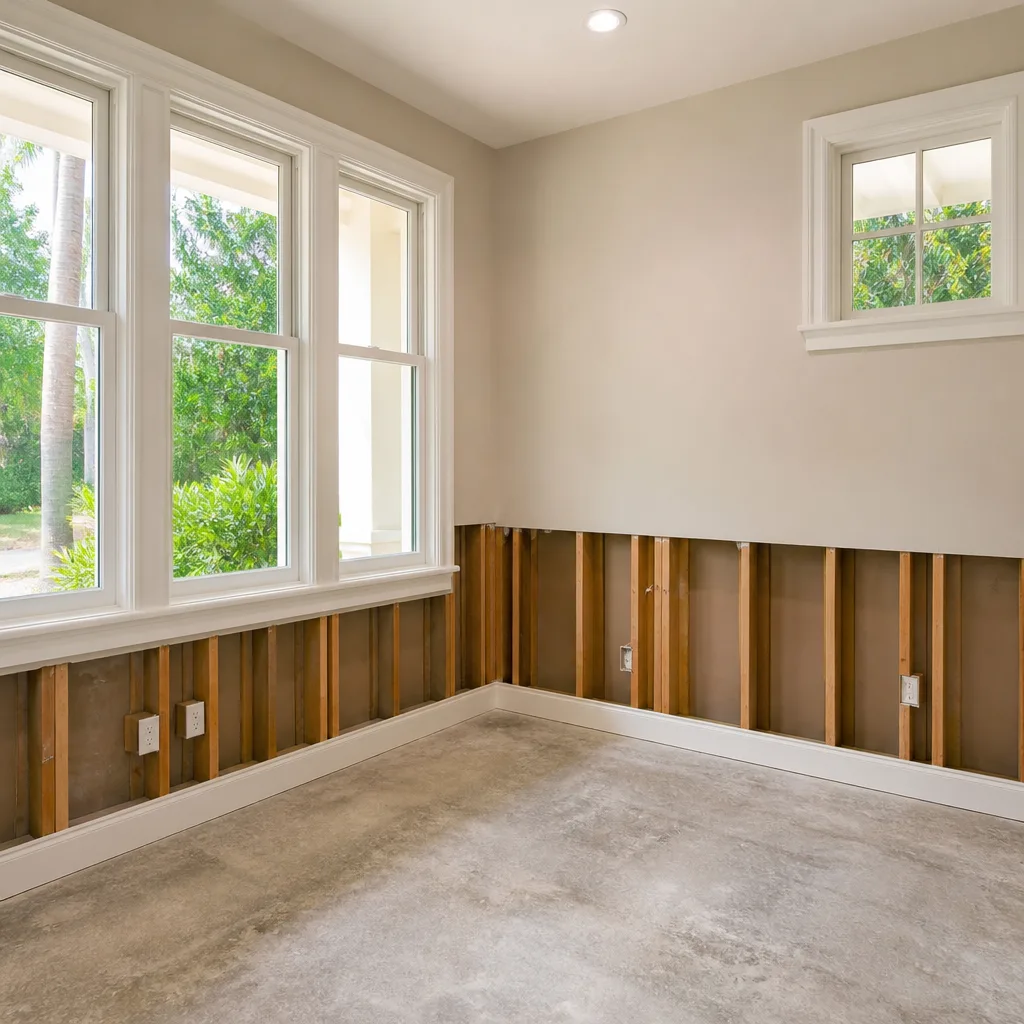
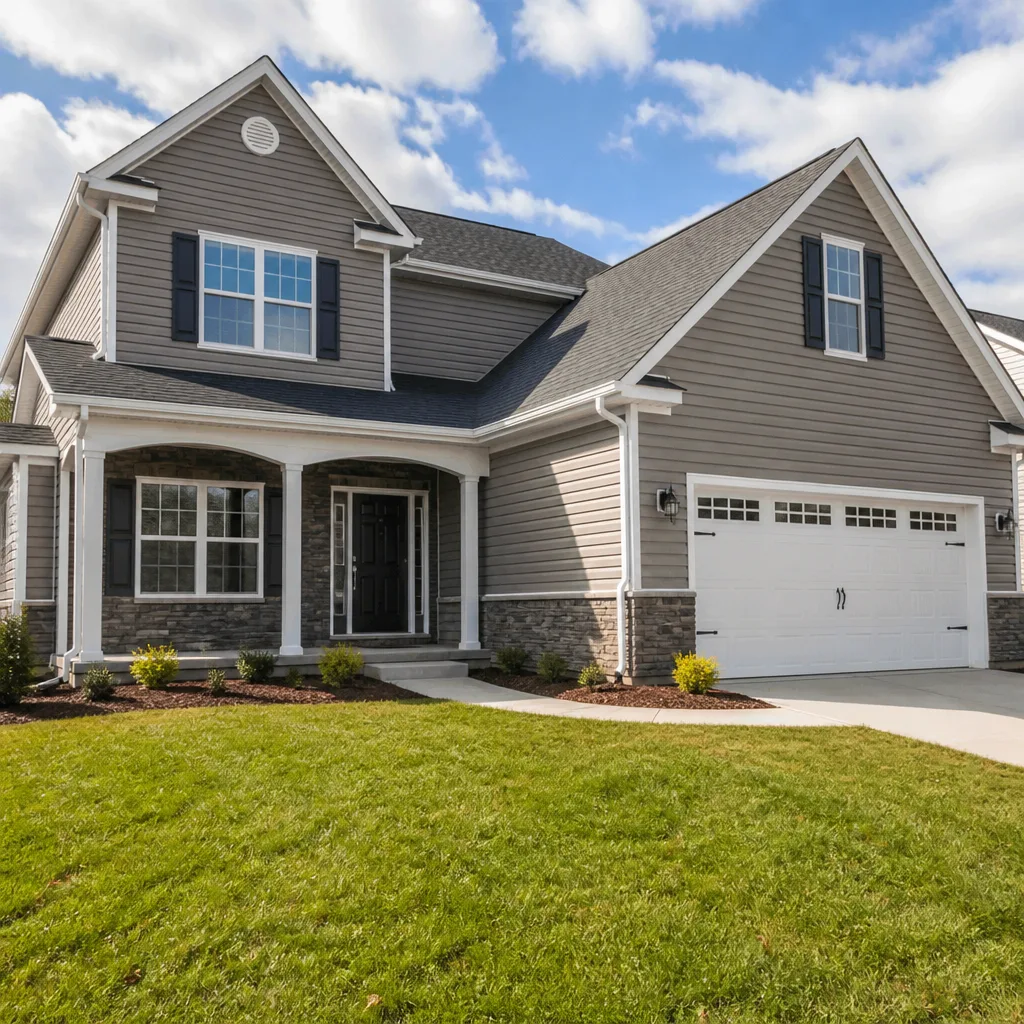
After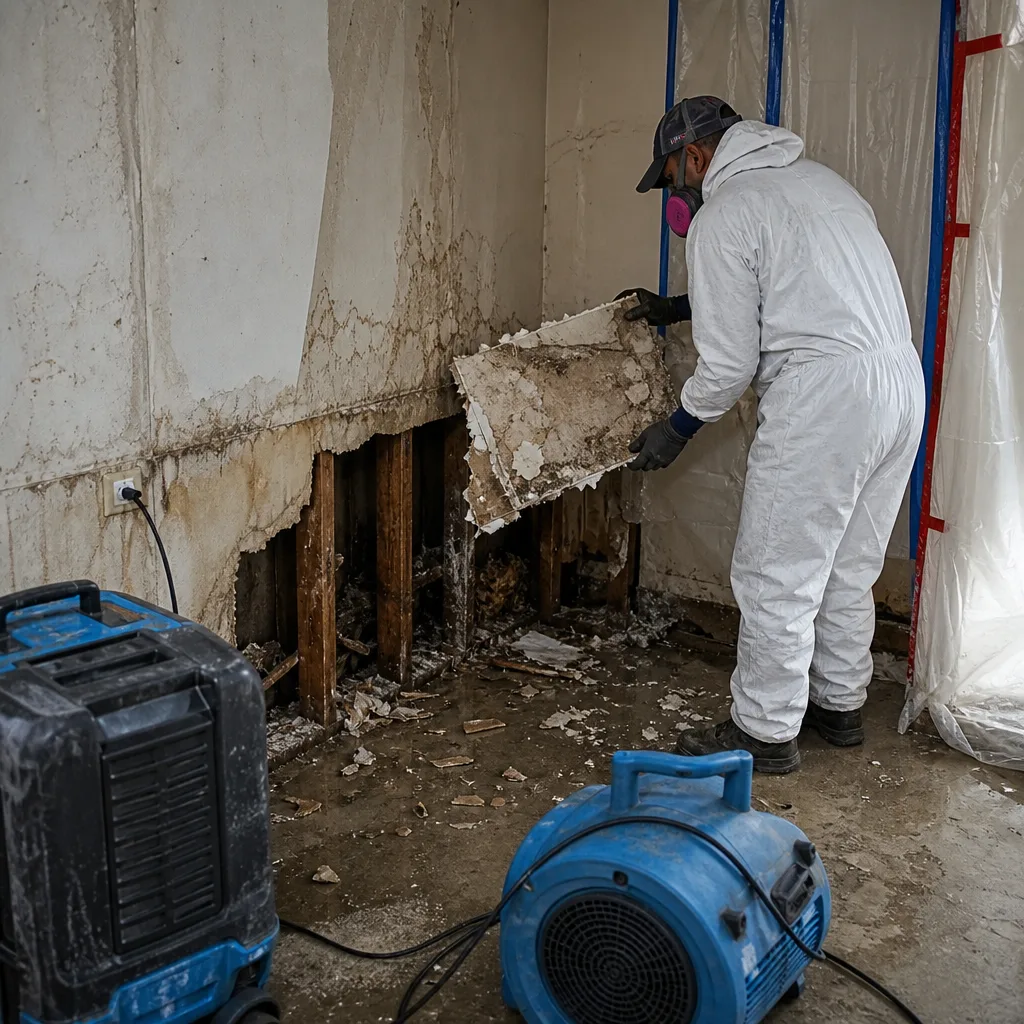 Before
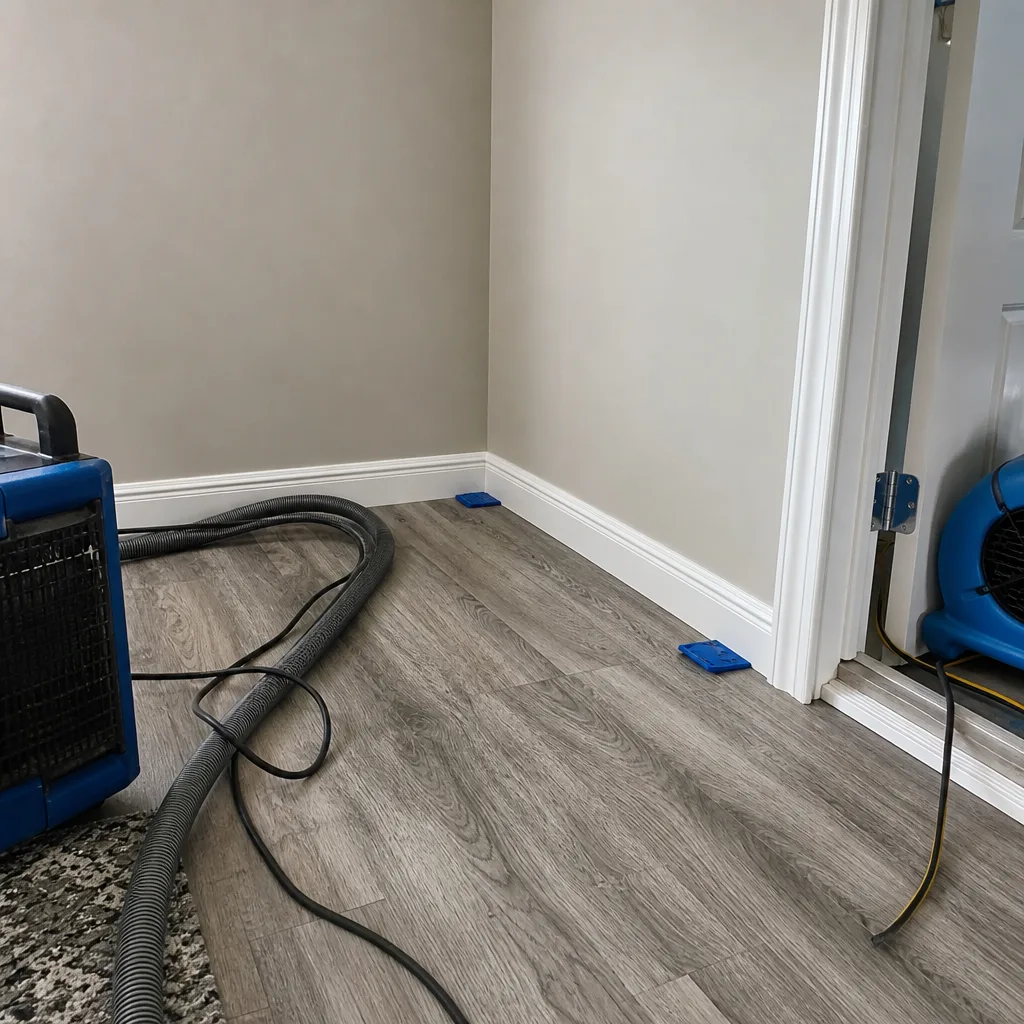 After
After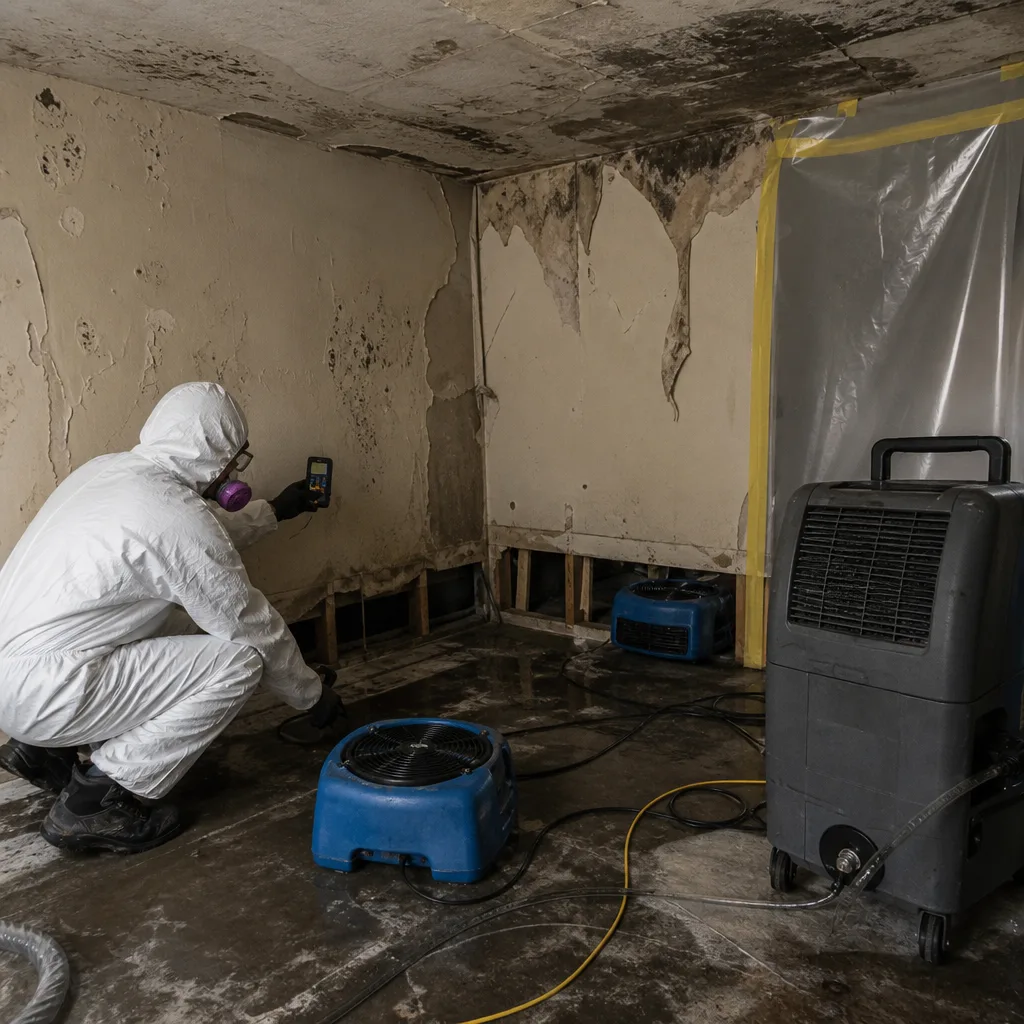 Before
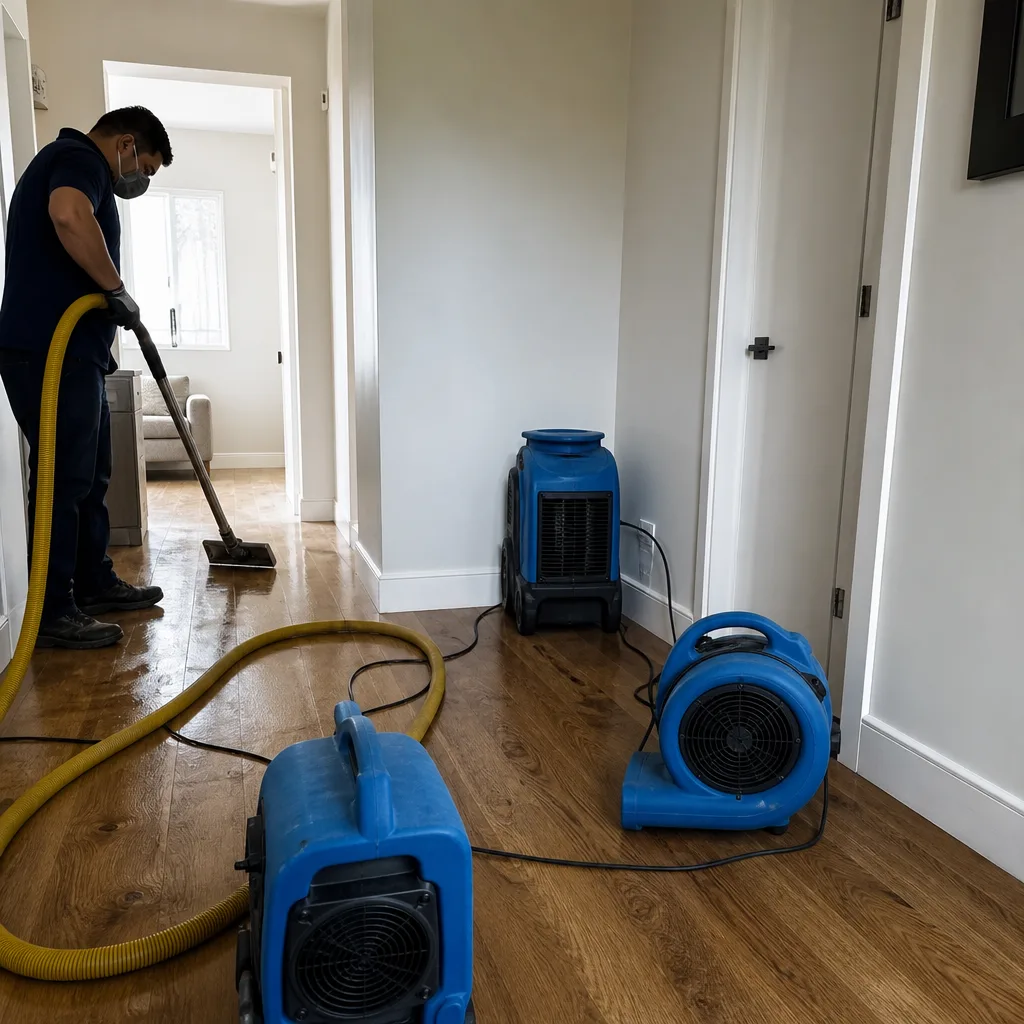 After
After24/7 Emergency Mold Remediation in Mission Hills
Mold remediation in Mission Hills typically costs $1,800-$6,500 depending on affected square footage, and our crews can be on-site within 45 minutes of your call. Every minute matters once mold is active; spores colonize drywall in 24-48 hours and spread through HVAC systems in homes throughout the Mission Hills area. Call (747) 294-2725 now and you’ll reach a live person, not a voicemail tree. We dispatch containment crews around the clock, provide a free visual inspection, and deliver a written price before any work begins under Haven Standard, Clause 1.
Our Los Angeles office coordinates scheduling and dispatch for Mission Hills properties directly. We know the local streets, the LADBS permit system, and the specific failure patterns in the valley’s postwar housing stock.
Understanding Mold Remediation Severity in Mission Hills Properties
Mold damage in Mission Hills falls into three containment tiers. Limited growth, under 10 square feet and contained to a single non-porous surface, requires localized containment with poly sheeting and HEPA vacuuming. Moderate growth, 10-100 square feet with penetration into porous materials like drywall or insulation, demands full containment with negative air pressure, air scrubbing, and removal of affected building materials. Extensive growth exceeding 100 square feet, or any situation involving HVAC contamination, requires full-area containment, dedicated dehumidification, and third-party clearance testing before reoccupancy.
Mission Hills’s 1950s-1970s wood-frame ranch homes complicate every tier. Stucco cladding traps moisture behind the surface while Santa Ana winds bake the exterior dry, a vapor pressure differential that pushes moisture into wall cavities where pin-type meters rarely detect it. Many of these homes still contain asbestos in original floor tiles, duct wrap, or popcorn ceilings, so disturbance of mold-affected materials triggers mandatory hazmat protocols under California Code of Regulations Title 8, Section 1529. We test before we cut.
Our Mold Remediation crews document moisture readings with calibrated thermo-hygrometers and thermal imaging, not pin probes alone, because surface readings in Mission Hills’s heat-island conditions deceive.
Why Mission Hills Property Owners Choose DryMark Restoration Santa Clarita
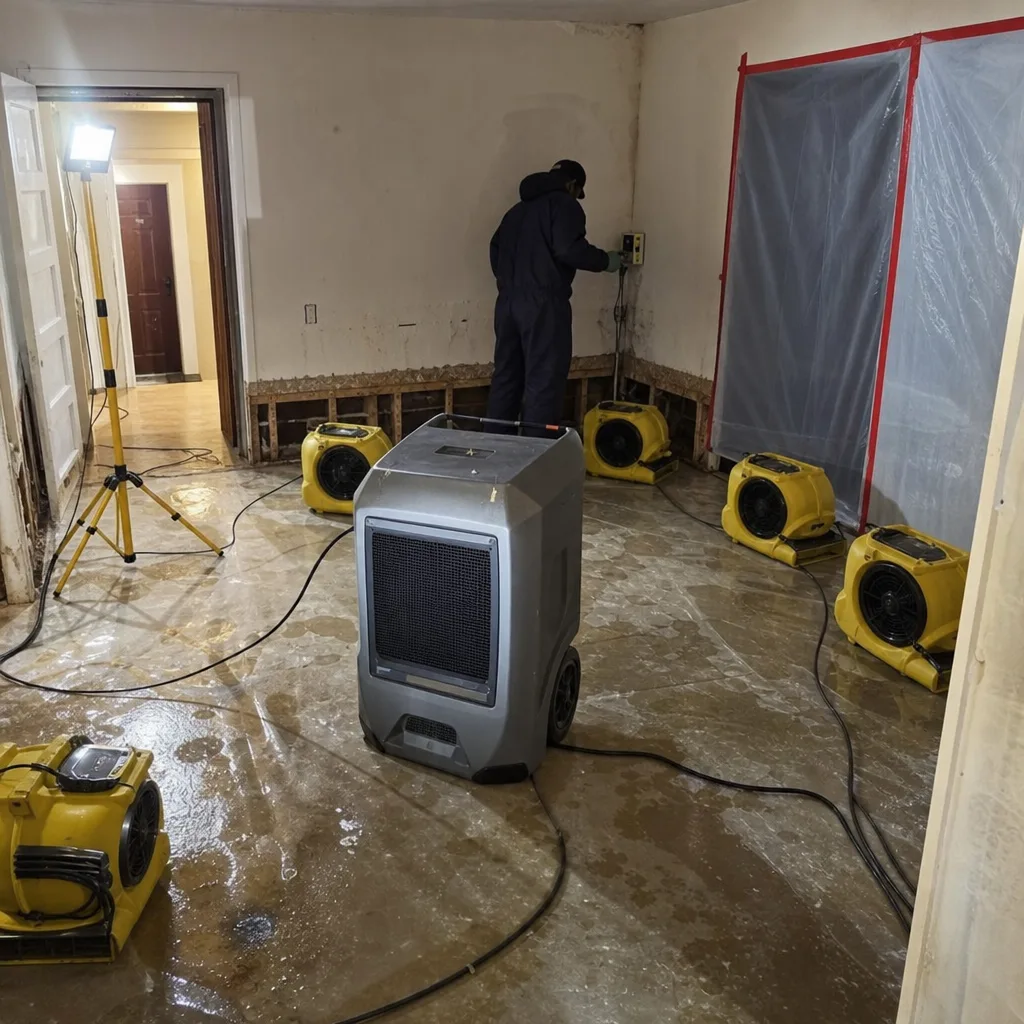
- 45-minute response commitment to Mission Hills properties, with crews staged for the northern San Fernando Valley.
- 24/7 live answer - a real person picks up every call, never an automated system or callback queue.
- IICRC-certified crews holding AMRT (Applied Microbial Remediation Technician) and WRT (Water Damage Restoration Technician) certifications, with license numbers provided on request.
- Free visual inspection and moisture assessment, documented with photos before any scope is written.
- Direct insurance billing with photo-documented drying logs that adjusters recognize and pay without dispute.
- One team from containment through reconstruction - no handoffs between mitigation and rebuild contractors.
 Before
 After
AfterOur Mold Remediation Process
1. Inspection & Assessment
We map moisture with FLIR thermal imaging and thermo-hygrometers, then test suspect materials for asbestos before opening any wall. Our written scope separates pre-existing conditions from active mold damage, critical for Mission Hills homes with unrepaired Northridge-era seismic cracks.
2. Containment & Air Filtration
We establish negative-pressure containment with 6-mil poly sheeting and run HEPA air scrubbers at 4-6 air changes per hour. This prevents cross-contamination to unaffected areas, especially important in Mission Hills’s compact ranch layouts with central HVAC.
3. Mold Removal & Material Disposal
Affected drywall, insulation, and porous framing come out in sealed bags. Non-porous materials get HEPA vacuuming and antimicrobial treatment with EPA-registered biocides. We document every removed square foot with photos for your insurer.
4. Drying & Dehumidification
We deploy Dri-Eaz dehumidifiers and Injectidry cavity drying systems to pull residual moisture from wall voids and slab edges, the hidden spaces where Mission Hills’s heat-island effect traps water. Daily psychrometric data goes into your drying log.
5. Antimicrobial Treatment & Air Quality Restoration
After drying, we apply botanical or synthetic antimicrobial agents per IICRC S520 standards, then run HEPA scrubbers for 24-48 hours to capture airborne spores. Third-party clearance testing confirms safe reoccupation.
6. Repairs & Restoration
Our rebuild crew replaces drywall, insulation, and finishes to match existing conditions. For Mission Hills homes with LADBS permit requirements, we coordinate directly with the building department and any active soft-story retrofit contractors to prevent delays.
Need Emergency Mold Remediation in Mission Hills Now?
Crews minutes away, answering live 24 hours a day. The sooner we start, the less it costs.
Working With Your Insurance Company
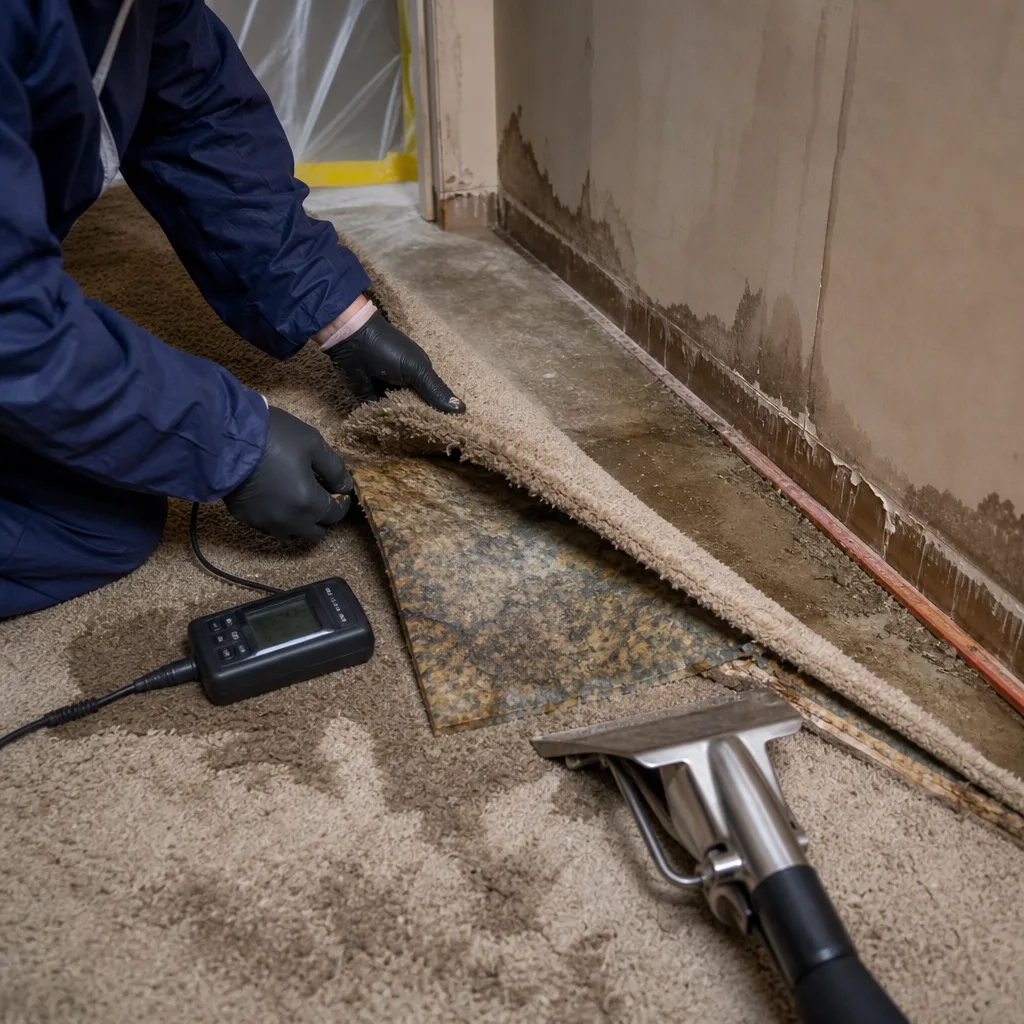
Insurance coverage for mold damage hinges on documentation that proves the mold resulted from a covered sudden event, not long-term maintenance neglect. We start building that file the moment we arrive. Our technicians photograph every affected surface, record moisture content percentages in a daily drying log, and write a line-item scope that separates pre-existing conditions from active damage. This matters enormously in Mission Hills, where unrepaired Northridge earthquake cracks in foundations and cripple walls are common, and insurers routinely deny claims that blur old structural damage with new water loss.
We communicate directly with your adjuster, provide IICRC-standard estimates, and never ask you to pay upfront and seek reimbursement later. Our documentation has been tested through thousands of claims since 2011.
What We Provide Your Insurer
- Thorough documentation of the loss
- Photos of all damage, room by room
- Moisture readings and drying logs
- A detailed, line-item scope of work
- Direct coordination with your carrier
Built for Mission Hills’s Loss Calendar
January through March brings the valley’s heaviest rains, and Mission Hills’s flat-roofed ranch homes with original tar-and-gravel roofing see the most interior moisture intrusion. Water finds the path of least resistance, often traveling along earthquake-compromised foundation cracks before showing as ceiling stains.
April and May deliver mild temperatures that slow surface drying while maintaining humidity, the perfect window for hidden mold to establish colonies in wall cavities. June through September, the San Fernando Valley heat-island effect pushes temperatures past 100°F and Santa Ana winds drive relative humidity into single digits. Surfaces dry fast. Moisture meters misread. Mold continues growing in the dark spaces behind stucco where vapor pressure differentials drive water inward.
October and November bring Santa Ana wind events that damage aging roofing and force wind-driven rain through compromised flashing. December’s occasional heavy storms test every weak point the year’s heat has baked. We staff for surge capacity through the winter moisture season.
Mold Remediation Across Mission Hills’s Neighborhoods
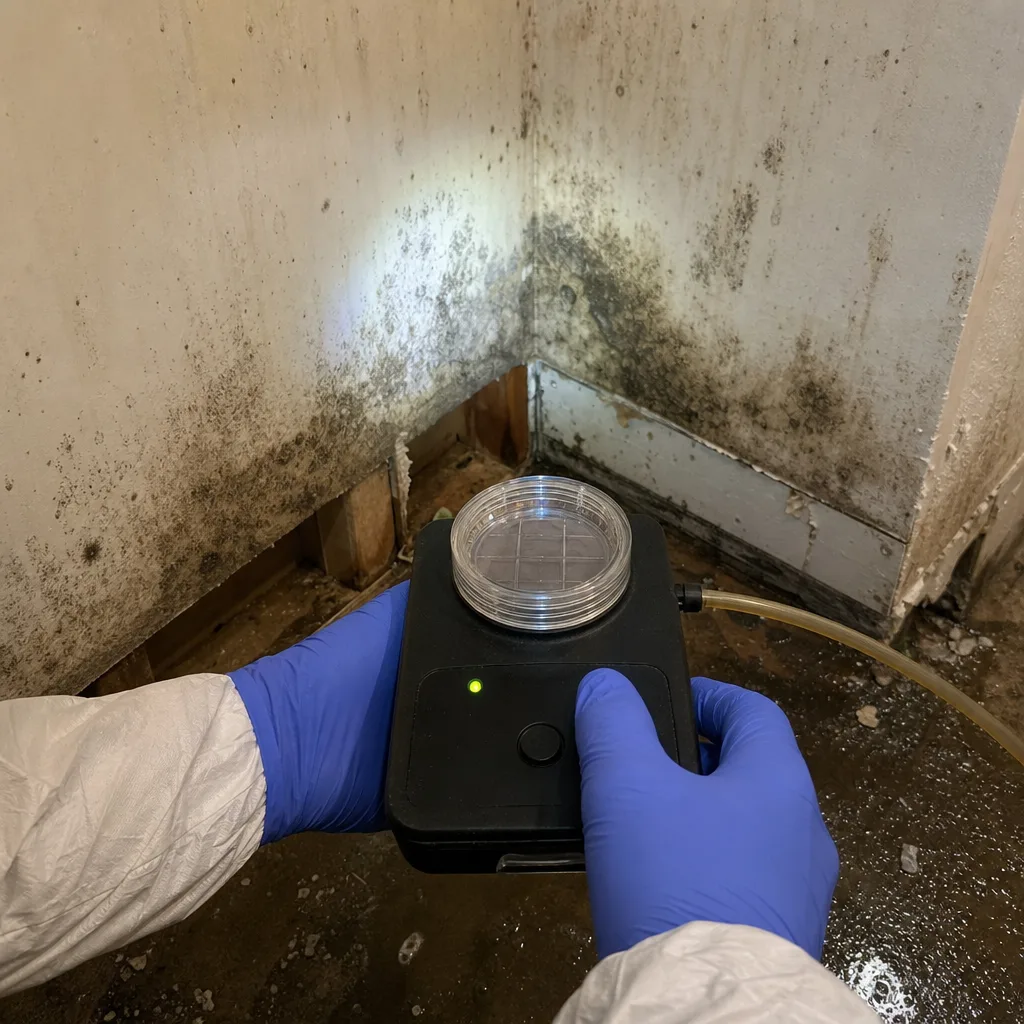
The area north of Rinaldi Street, toward the foothills of the Santa Susana Mountains, contains some of Mission Hills’s oldest 1950s tracts, many with original slab-on-grade construction and no vapor barriers. We find crawl space mold there regularly, especially where perimeter drainage has failed and seasonal runoff from the hills saturates the soil line.
Along Sepulveda Boulevard and Brand Boulevard corridors, older two-story apartment buildings face an additional complication: LADBS soft-story retrofit orders already in progress. When mold remediation is needed in these buildings, permits stall until the retrofit contractor confirms structural work won’t conflict with our containment and removal scope. We’ve developed direct relationships with several retrofit contractors to coordinate sequencing.
The residential blocks between Woodman Avenue and Haskell Avenue contain dense concentrations of 1960s ranch homes with original popcorn ceilings and floor tiles. We test for asbestos in these properties on every job, because disturbing even a small area of contaminated material triggers mandatory abatement that doubles timeline and cost.
Near San Fernando Mission Boulevard, closer to the historic mission grounds, some properties sit on expansive clay soils that shift seasonally, reopening old foundation cracks and creating new pathways for moisture. Our thermal imaging protocols are essential there; visual inspection alone misses what’s happening below grade.
Specialized Mold Remediation Services We Offer in Mission Hills
Mold Inspection & Testing
We begin with moisture mapping, thermal imaging, and air sampling to establish the full extent of colonization before any containment is built. In Mission Hills, we always pair this with asbestos testing of suspect materials, because opening walls without it risks a mid-project hazmat shutdown.
Mold Removal
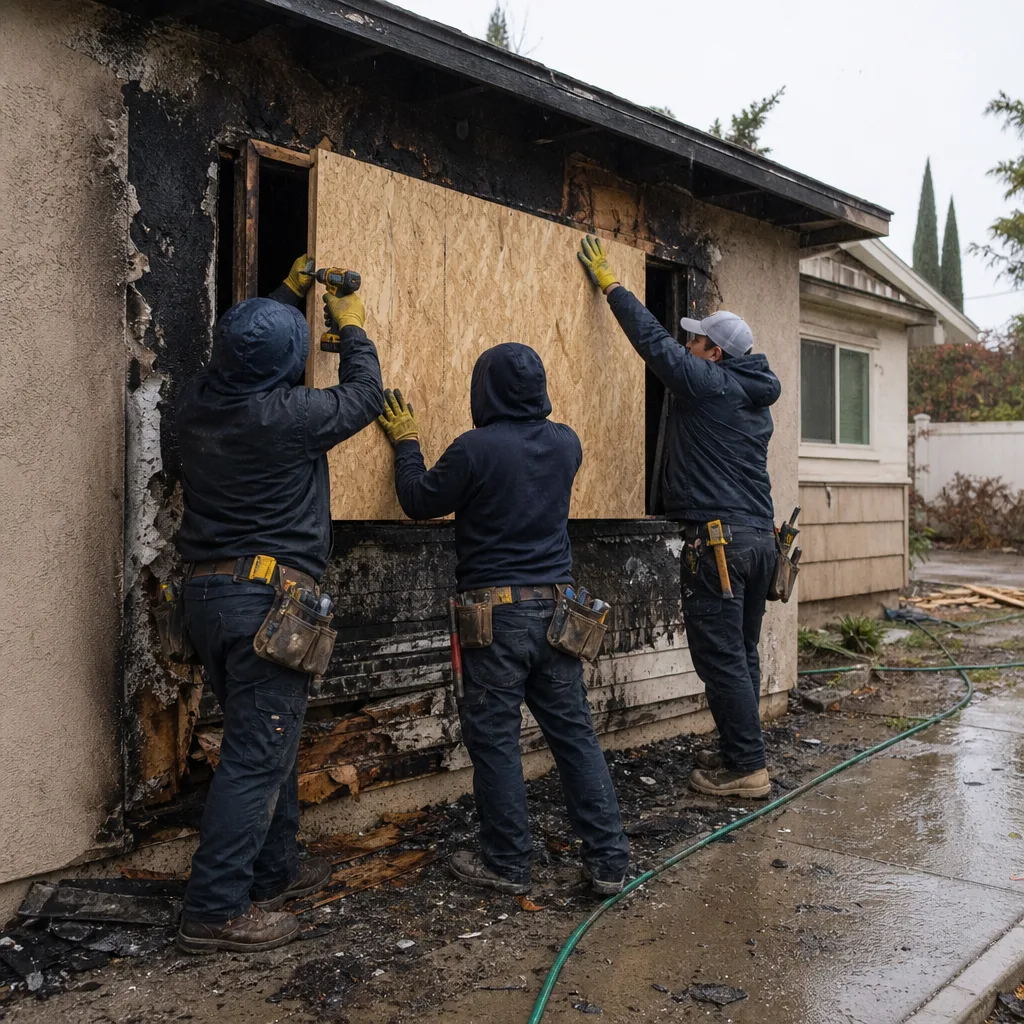
Our AMRT-certified crews remove affected porous materials under negative pressure, with every bag sealed and documented. For Mission Hills’s stucco-clad homes, we frequently find mold extending beyond the visible damage due to moisture migration along the stucco-wire interface, and we scope for that explicitly.
Black Mold Remediation
Stachybotrys chartarum and other toxigenic species require enhanced containment, dedicated PPE, and extended air scrubbing. We don’t guess at species; we sample and lab-identify when visual indicators suggest toxigenic potential, then build the containment protocol to match.
Air Quality Restoration
After removal and treatment, we run HEPA scrubbers and deploy particle counters to verify airborne spore counts drop below outdoor baseline levels. For Mission Hills homes with forced-air heating systems, we inspect and clean ductwork to prevent recontamination.
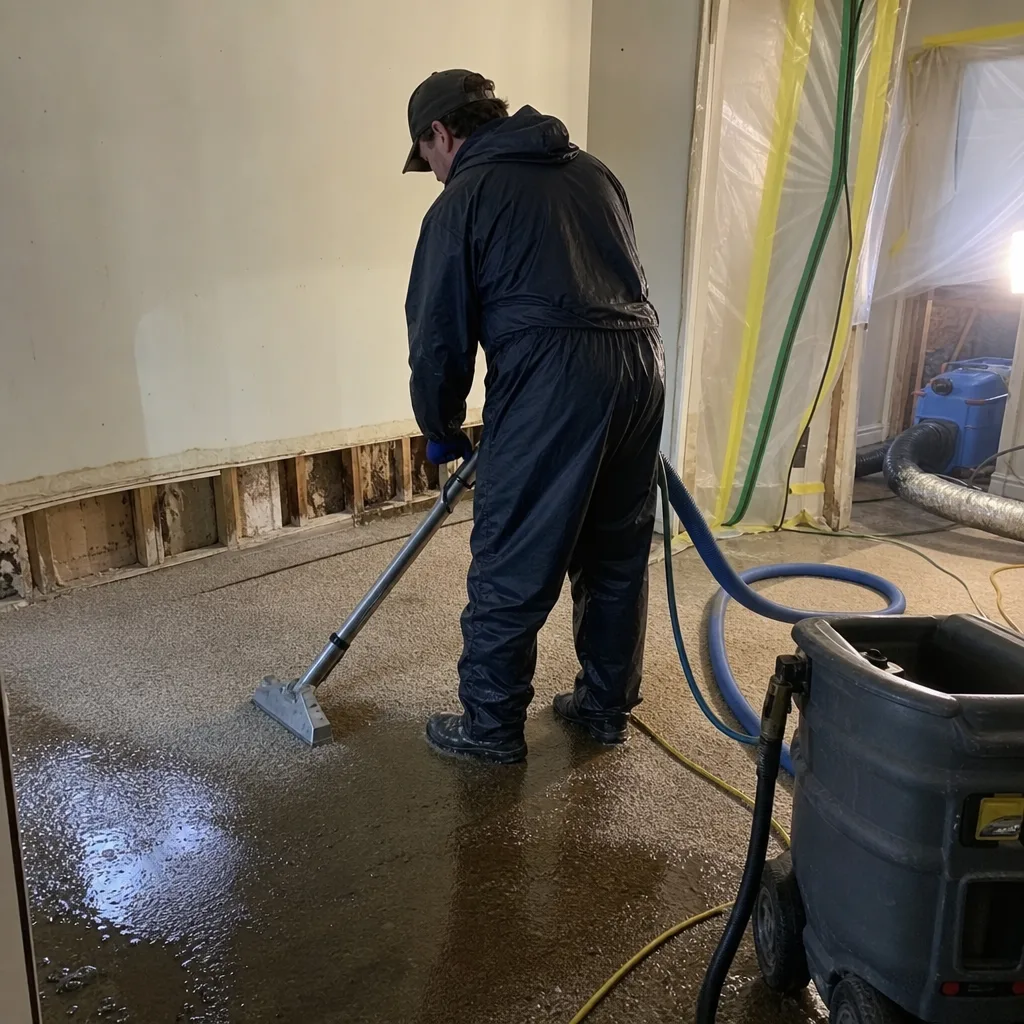
Crawl Space Treatment
Mission Hills’s older slab and raised-foundation homes often have unventilated crawl spaces where soil moisture and seasonal runoff create chronic humidity. We install vapor barriers, dehumidification, and drainage improvements to prevent recurrence.
What happens when you call
- 1
A real person answersNo phone trees - you reach a local pro.
- 2
You get an upfront price rangeHonest numbers before anyone is dispatched.
- 3
A background-checked tech heads outLicensed & insured, dispatched right away.
- 4
You approve before work beginsNothing starts until you say go.
Mold Remediation Costs in Mission Hills, CA
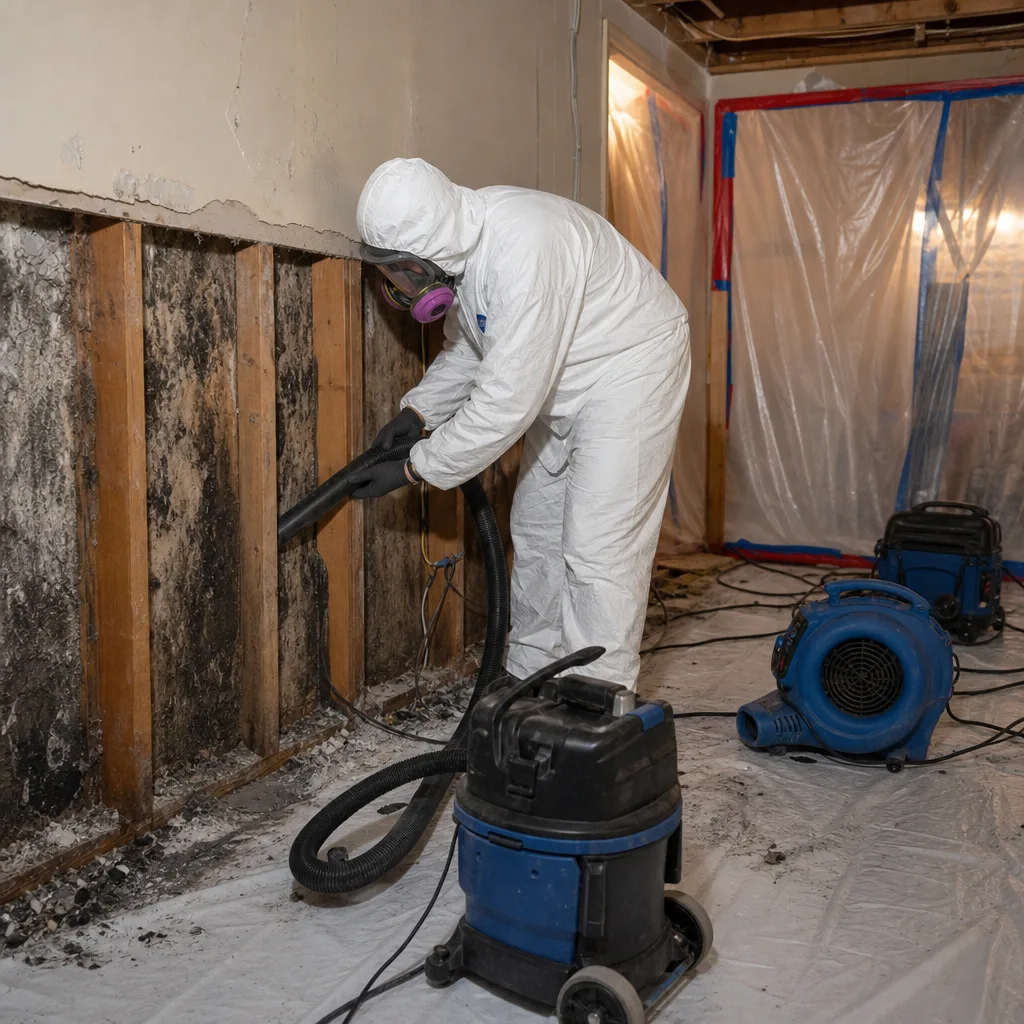
A typical limited mold remediation in Mission Hills, under 10 square feet and contained to one room, runs $1,800-$2,800. Moderate remediation, 10-100 square feet with drywall and insulation removal, ranges $3,200-$5,500. Extensive remediation exceeding 100 square feet, with HVAC involvement or whole-room containment, typically costs $5,500-$8,500 and may reach $12,000+ for whole-house situations with asbestos abatement layered in.
What moves the price: affected square footage, whether asbestos testing and abatement is required, the need for third-party clearance testing, and permit coordination costs for LADBS-regulated properties. Insurance typically covers mold remediation when it results from a covered sudden water loss, not from long-term humidity or maintenance neglect. We document the cause clearly to support your claim.
Every job starts with a free visual inspection and a written price before work begins, Haven Standard, Clause 1. Call (747) 294-2725 for an exact quote on your Mission Hills property.
We Also Serve Cities Near Mission Hills
Our crews respond throughout the northern San Fernando Valley, including San Fernando, Granada Hills, Panorama City, and Sylmar. Dispatch and scheduling are coordinated from our Los Angeles office with local knowledge of each city’s building departments and housing stock.
Serving Mission Hills, CA - Our Local Coverage Area
We’re based in the Mission Hills area and know this community well. Use the map below to see our service coverage - if you’re nearby, we can almost certainly help.
Mission Hills Mold Remediation Questions, Answered
Why does mold keep coming back in my Mission Hills ranch home even after I clean it?
Surface cleaning with bleach or vinegar kills visible growth but doesn’t address the moisture source or hidden colonization in wall cavities, slab edges, or crawl spaces. In Mission Hills’s stucco ranch homes, moisture frequently migrates along the stucco-wire interface and pools in foundation cracks from the 1994 Northridge earthquake, creating perpetual re-wetting that drives recurrence. We trace the moisture path with thermal imaging, fix the source, and dry the hidden spaces with Injectidry cavity systems. Call (747) 294-2725 for a free inspection.
Do I need asbestos testing before mold remediation in Mission Hills?
Yes, if your home was built between 1950 and 1978. Mission Hills’s housing stock from this era commonly contains asbestos in floor tiles, duct wrap, and popcorn ceilings. California law requires testing before disturbing these materials; proceeding without it triggers mandatory work stoppage and hazmat abatement that doubles your timeline and cost. We test first, every time, and build the abatement into the scope if needed. Call (747) 294-2725 to schedule.
How does the Northridge earthquake affect mold remediation in Mission Hills?
Mission Hills sits within miles of the 1994 epicenter, and we routinely find earthquake-era foundation cracks, cripple-wall failures, and chimney separations that were cosmetically patched with stucco but never structurally reinforced. These cracks create moisture pathways and complicate insurance scopes by layering pre-existing seismic damage under new water loss. We document each condition separately with photos and written description so your insurer covers only the covered peril, not the old earthquake damage. Call (747) 294-2725 for documentation-first remediation.
What permits are required for mold remediation in Mission Hills?
Because Mission Hills falls under City of Los Angeles jurisdiction, restoration permits route through LADBS, not a smaller municipal department. For older two-story apartment buildings on Sepulveda or Brand corridors, active soft-story retrofit orders may require coordination with the retrofit contractor before LADBS will issue remediation permits. We handle this coordination directly; most residential mold remediation permits process in 3-5 business days once documentation is complete. Call (747) 294-2725 and we’ll verify permit status for your specific property.
Why do pin-type moisture meters give false readings in Mission Hills?
Santa Ana wind events and summer temperatures exceeding 100°F create a heat-island effect that dries surfaces deceptively fast while moisture remains trapped in wall cavities and slab edges. Pin-type meters only measure the surface they contact, so they miss the hidden moisture that feeds mold behind stucco. We use thermal imaging and thermo-hygrometers to measure vapor pressure differentials and identify trapped moisture that pin probes cannot detect. Call (747) 294-2725 for accurate moisture mapping.
How fast can you get to my Mission Hills home?
We commit to 45-minute response times for Mission Hills properties, with crews staged for the northern San Fernando Valley. A live person answers every call, 24 hours a day, and we dispatch containment equipment immediately for active mold situations. Call (747) 294-2725 now.
Will my insurance cover mold remediation?
Insurance covers mold remediation when it results from a sudden, covered water loss like a burst pipe or storm intrusion. It does not cover mold from long-term humidity, slow leaks, or maintenance neglect. We document the cause of loss from our first visit, photograph the damage progression, and write a scope that clearly separates covered from excluded conditions. Our documentation has supported thousands of paid claims since 2011. Call (747) 294-2725 and we’ll review your coverage specifics.
Can my family stay in the home during mold remediation?
For limited remediation under 10 square feet in a non-living area, often yes. For moderate or extensive growth, or any toxigenic species, we recommend temporary relocation until clearance testing confirms safe reoccupation. We set up containment to isolate work areas, but HVAC systems in Mission Hills’s compact ranch homes can distribute spores if not properly sealed. We provide a written reoccupation timeline with your scope. Call (747) 294-2725 to discuss your specific situation.
We were called to a 1958 stucco ranch on Burnet Avenue in Mission Hills where a pinhole supply line had been leaking inside the wall for weeks. Our techs used thermal imaging and moisture mapping to trace the path; when we opened the wall, we found the original 1958 foundation crack had been patched with stucco but never reinforced, and the wet drywall showed black mold colonization within 48 hours. We set up containment, removed the affected drywall (after asbestos testing confirmed no asbestos in that section), applied antimicrobial treatment, and ran Dri-Eaz dehumidifiers with Injectidry wall cavity drying to stabilize the structure. The repair scope had to document the pre-existing seismic crack separately so the homeowner’s insurance would cover only the water damage, not the old earthquake issue.
Written by Alicia Brennan, Owner at Back to Dry Restoration, serving Mission Hills since 2011 under The Haven Standard.