

Free visual inspection and a written scope of work before any mitigation begins - photos, moisture readings, and drying logs go in your claim file
The scope we write is the scope we bill. Anything new gets shown to you, in writing, before we touch it.
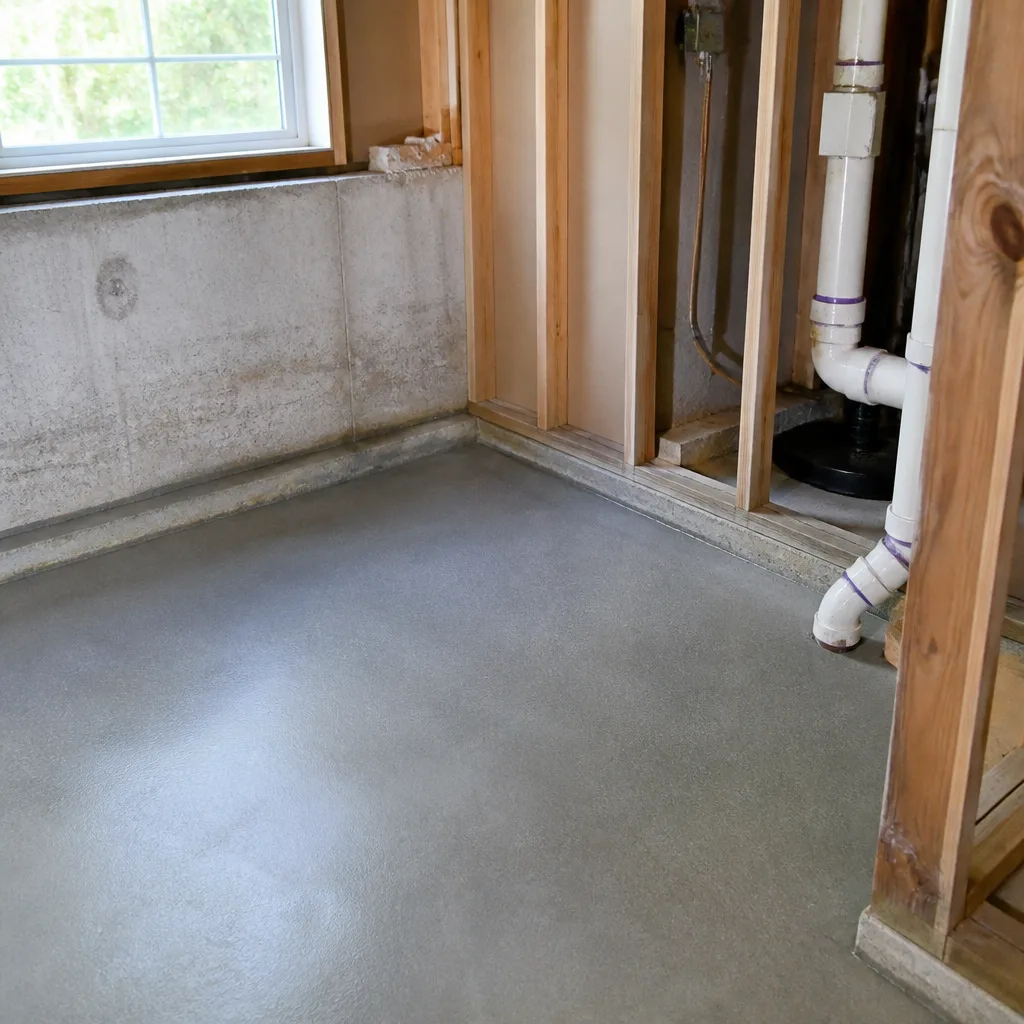
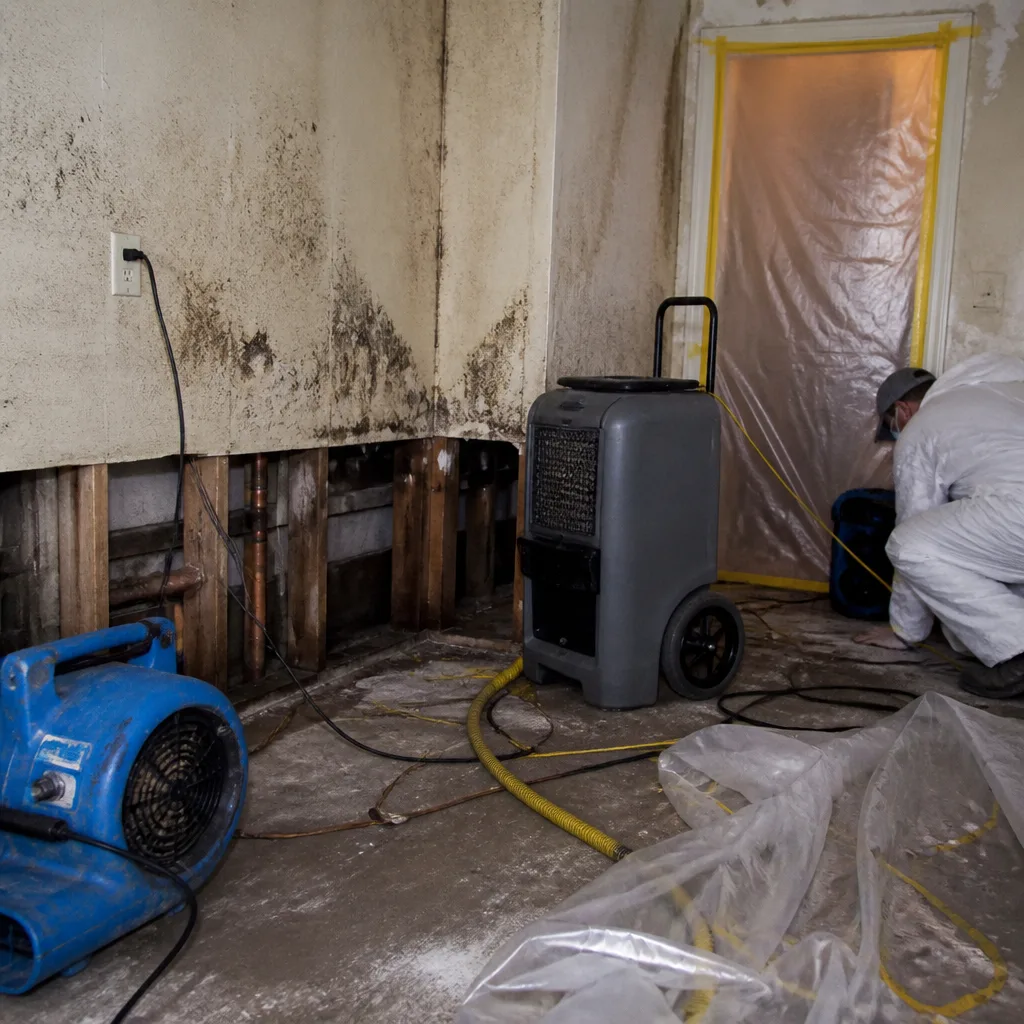 Before
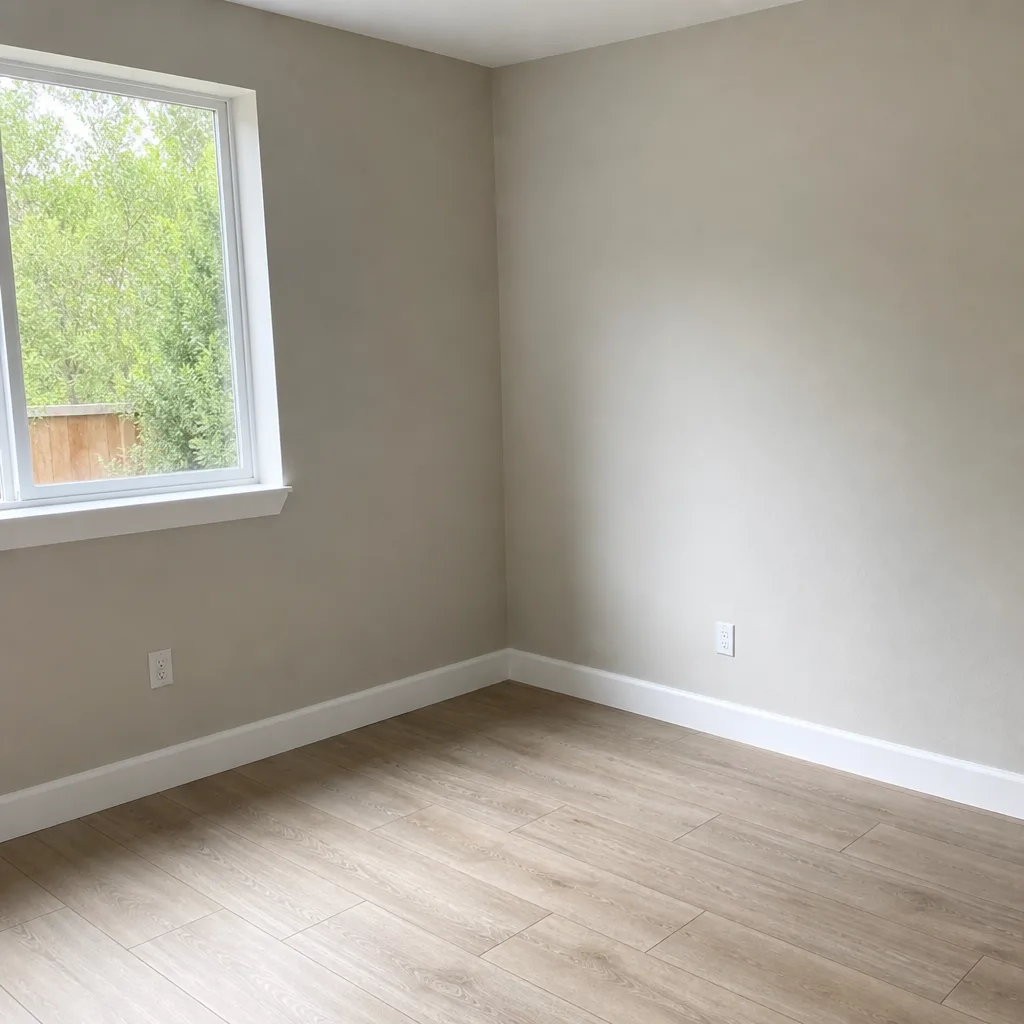 After
After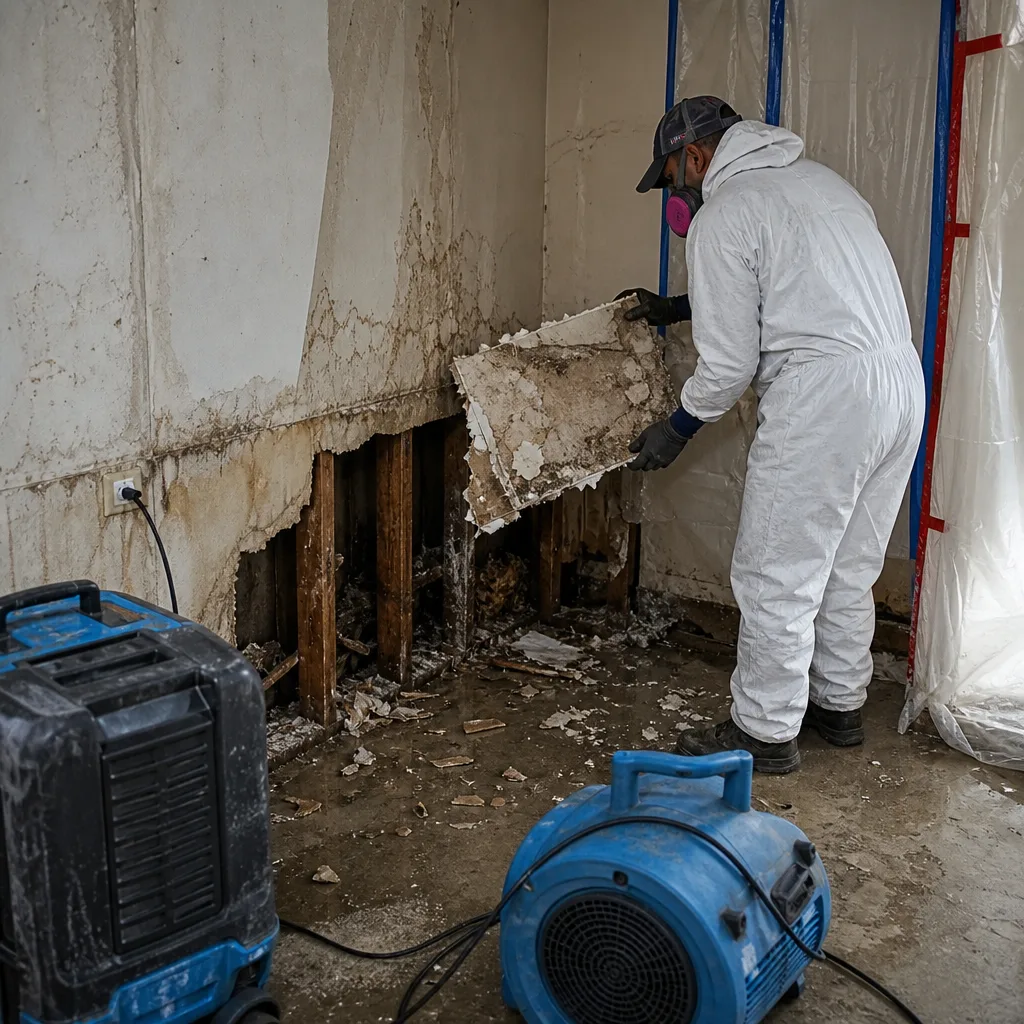 Before
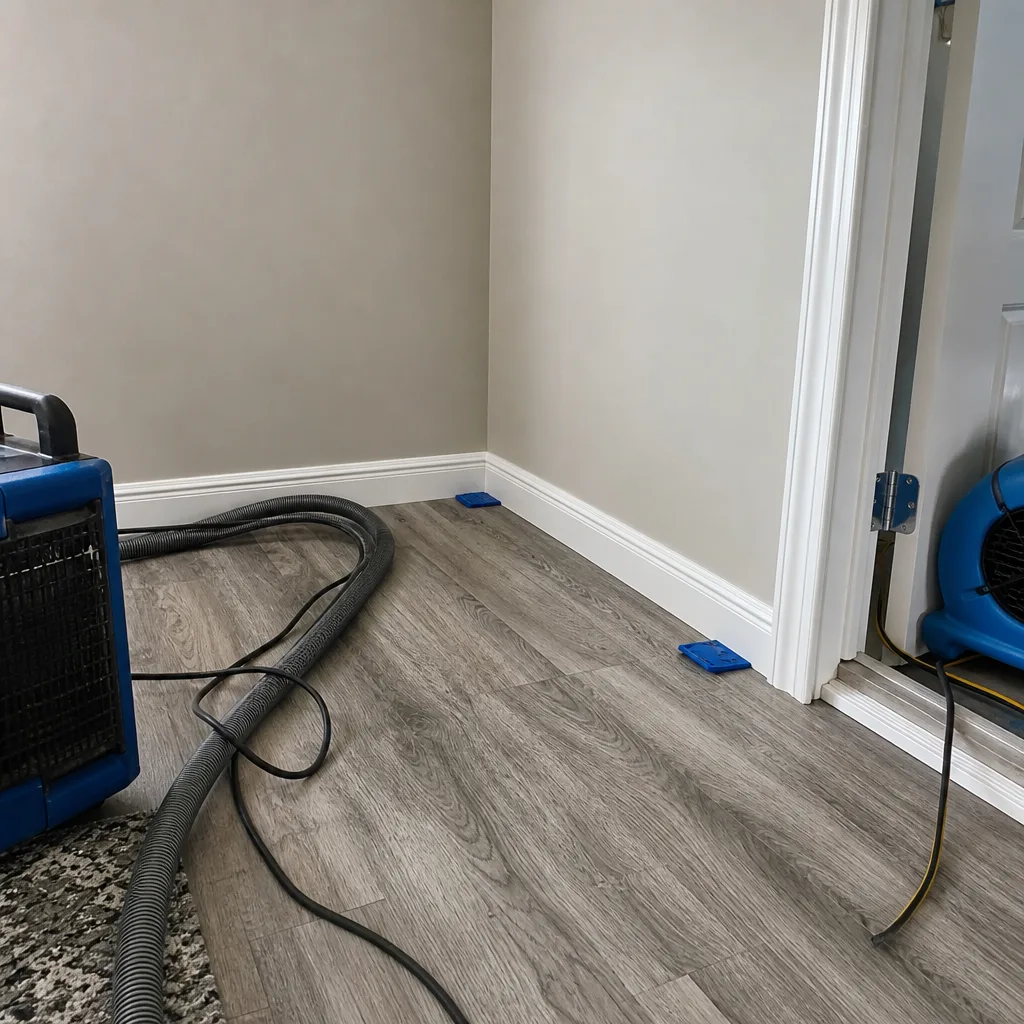 After
After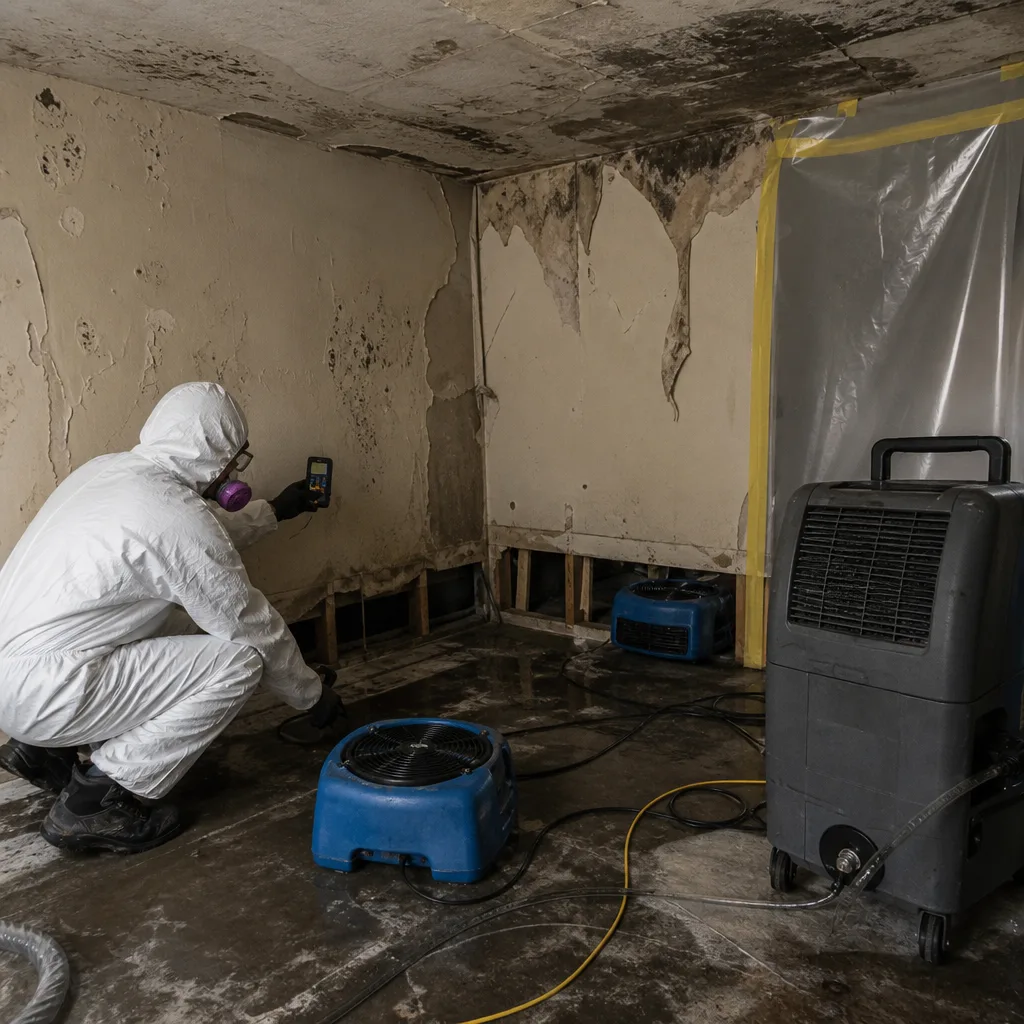 Before
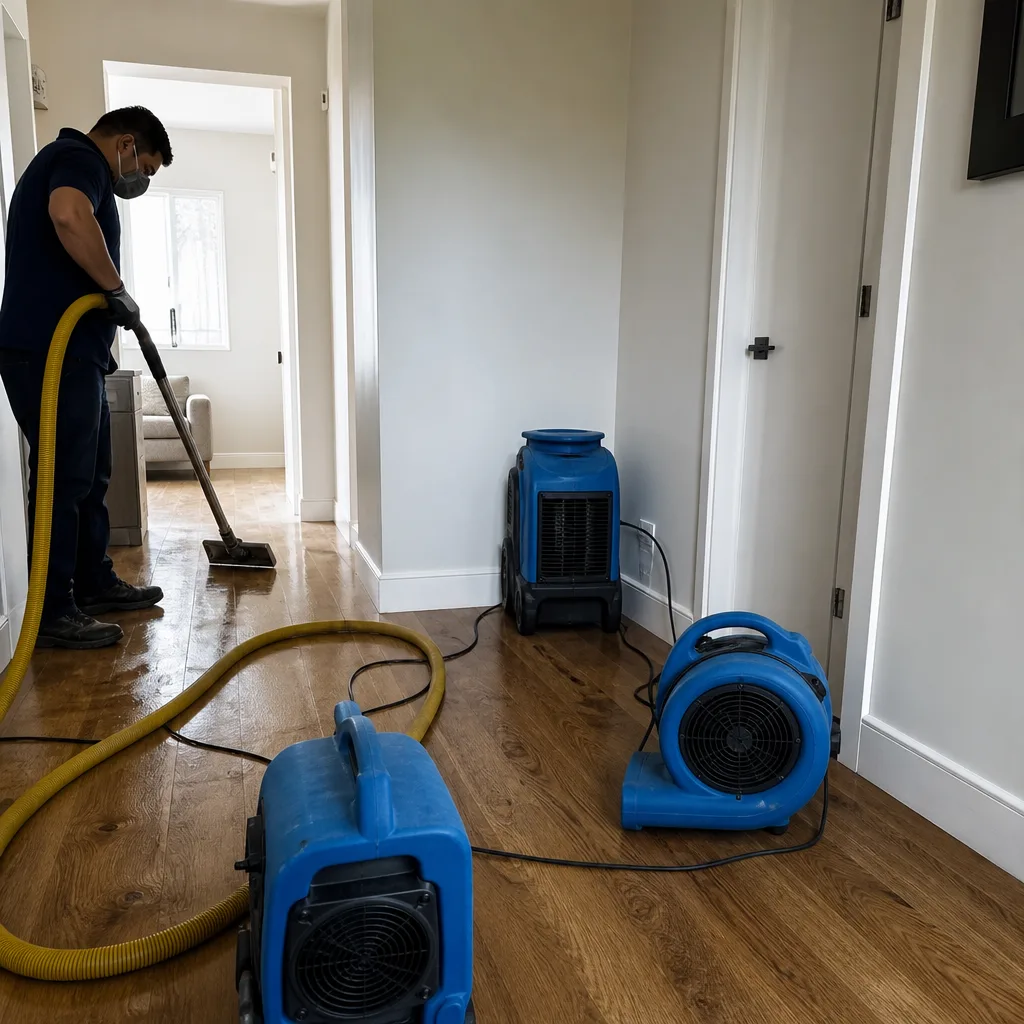 After
After24/7 Emergency Water Damage Restoration in Mission Hills
Water damage restoration in Mission Hills typically costs $2,800-$7,500 for a standard residential dry-out, with emergency extraction running $180-$340 per hour and full structural drying with dehumidification adding $1,200-$3,800 depending on affected square footage. Most Mission Hills homeowners see crews on-site within 45 minutes of calling, and same-day extraction prevents the secondary damage that doubles restoration costs. Call (747) 294-2725 now - we answer live, 24 hours a day, with no voicemail trees while water is still moving through your walls.
Every minute counts after a burst pipe, roof leak, or appliance failure. Water migrates horizontally through slab edges and vertically inside wall cavities faster than surface indicators suggest, especially in Mission Hills’s 1950s-1970s stucco ranch construction where slab-on-grade foundations offer no basement buffer. Our dispatch is coordinated from our Los Angeles office, with crews already positioned for the Sepulveda and Brand corridors. We bring a written price before any work starts, Haven Standard, Clause 1 - no exceptions, no scope-creep additions once we’re inside.
Understanding Water Damage Restoration Severity in Mission Hills Properties
Water damage classification follows IICRC protocol: Category 1 is clean water from a supply line, Category 2 is gray water with chemical or biological loading from dishwashers or washing machines, and Category 3 is black water from sewage or ground flooding carrying pathogens. Category 1 can degrade to Category 2 within 24-48 hours, and Category 2 to Category 3 in another 24 hours if left untreated. In Mission Hills’s postwar tract homes, this timeline compresses because original asbestos-containing floor tiles, duct wrap, and popcorn ceilings add hazmat complexity once water penetrates beyond surface materials.
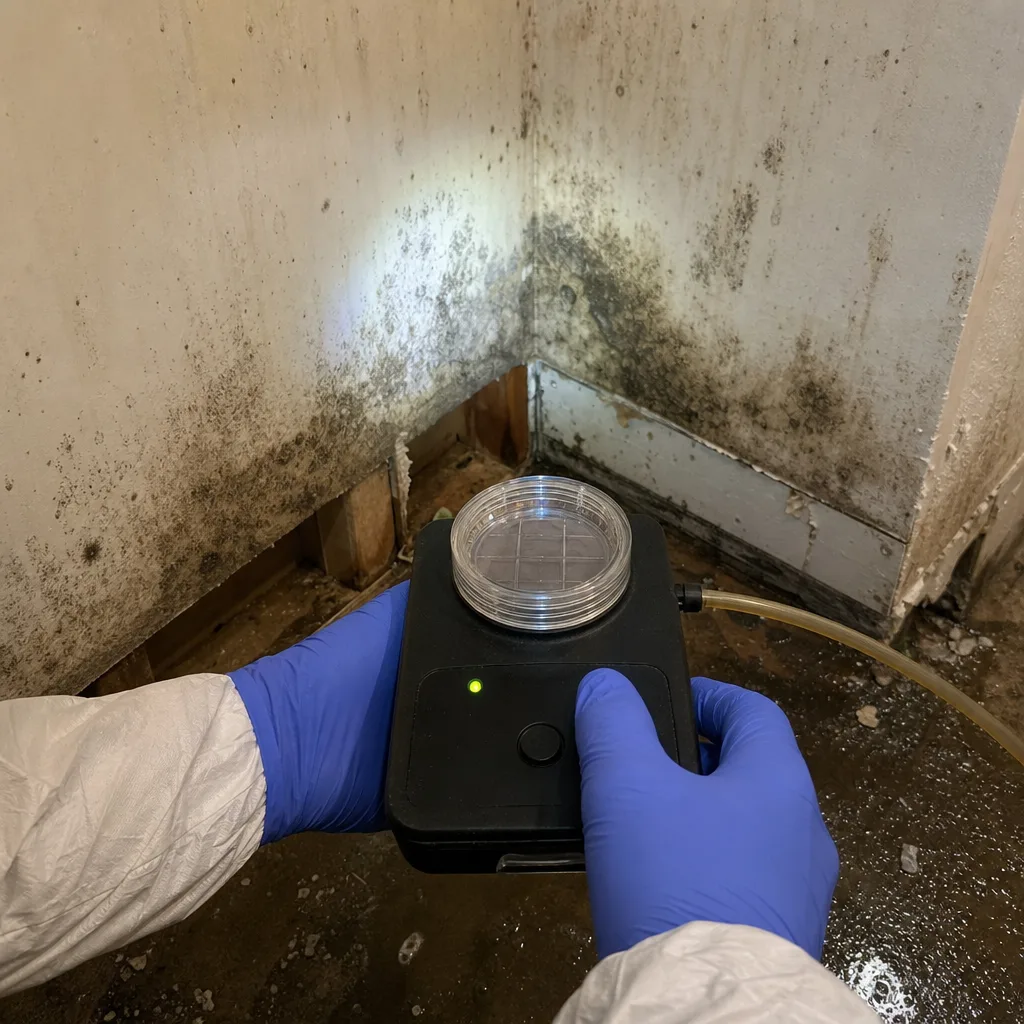
Moisture mapping with thermal imaging and thermo-hygrometers reveals what pin-type meters miss, especially critical here. The northern San Fernando Valley heat-island effect pushes summer temperatures past 100°F, and Santa Ana wind events drive humidity to single digits. Surface materials dry deceptively fast while moisture migrates into wall cavities and slab edges. A pin-type meter reads dry. The wall cavity is not. Mold colonization begins in hidden spaces before visible indicators appear, typically 48-72 hours post-loss in these conditions.
Our crews document psychrometric data - temperature, relative humidity, and vapor pressure differential, which is the force that drives moisture from wet materials into the air - at every visit. This produces the daily drying logs that separate a payable insurance claim from a disputed invoice.
Why Mission Hills Property Owners Choose DryMark Restoration Santa Clarita
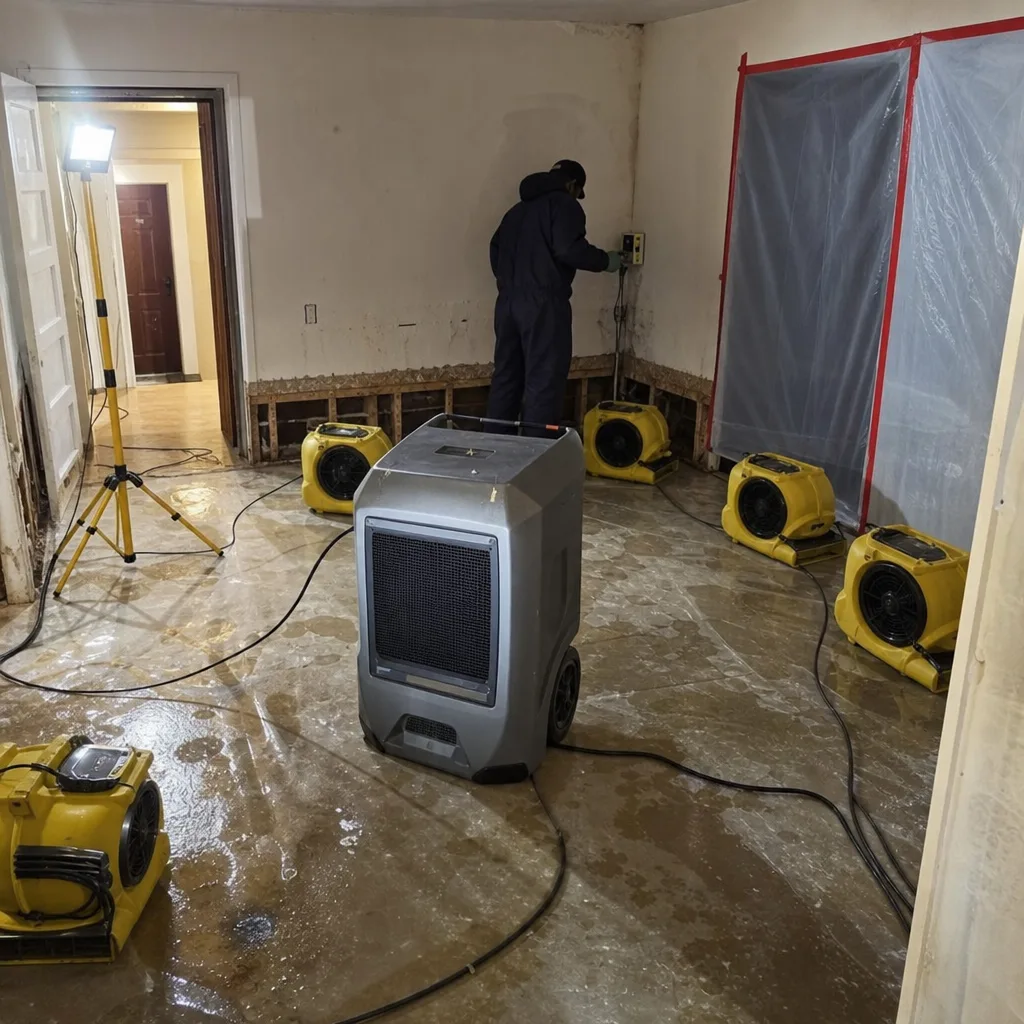
- 45-minute response commitment to the Mission Hills area, with crews dispatched from our Los Angeles coordination office to the Sepulveda and Brand corridors without routing delays.
- 24/7 live answer - a real person, never an automated system or next-business-day callback while water is still moving through your property.
- IICRC-certified crews holding WRT (Water Damage Restoration Technician) and FSRT (Fire & Smoke Restoration Technician) credentials, with AMRT (Applied Microbial Remediation Technician) certification for mold-prone Mission Hills jobs.
- Free visual inspection with moisture mapping and thermal imaging included - no charge to determine scope, even if you decline our service.
- Direct insurance billing with photo-documented drying logs and written scopes that adjusters recognize and pay without fight.
- One team from extraction to reconstruction - no handoffs between subcontractors that fragment documentation and delay permit closure.
 Before
 After
AfterOur Water Damage Restoration Process
1. Inspection & Assessment
We arrive with thermal imaging cameras, pin and pinless moisture meters, and thermo-hygrometers to map the full extent of water migration. In Mission Hills’s stucco ranch homes, we specifically check slab edges and wall cavities where Santa Ana wind drying hides trapped moisture. You receive a written price before any work starts, Haven Standard, Clause 1.
2. Water Extraction & Stabilization
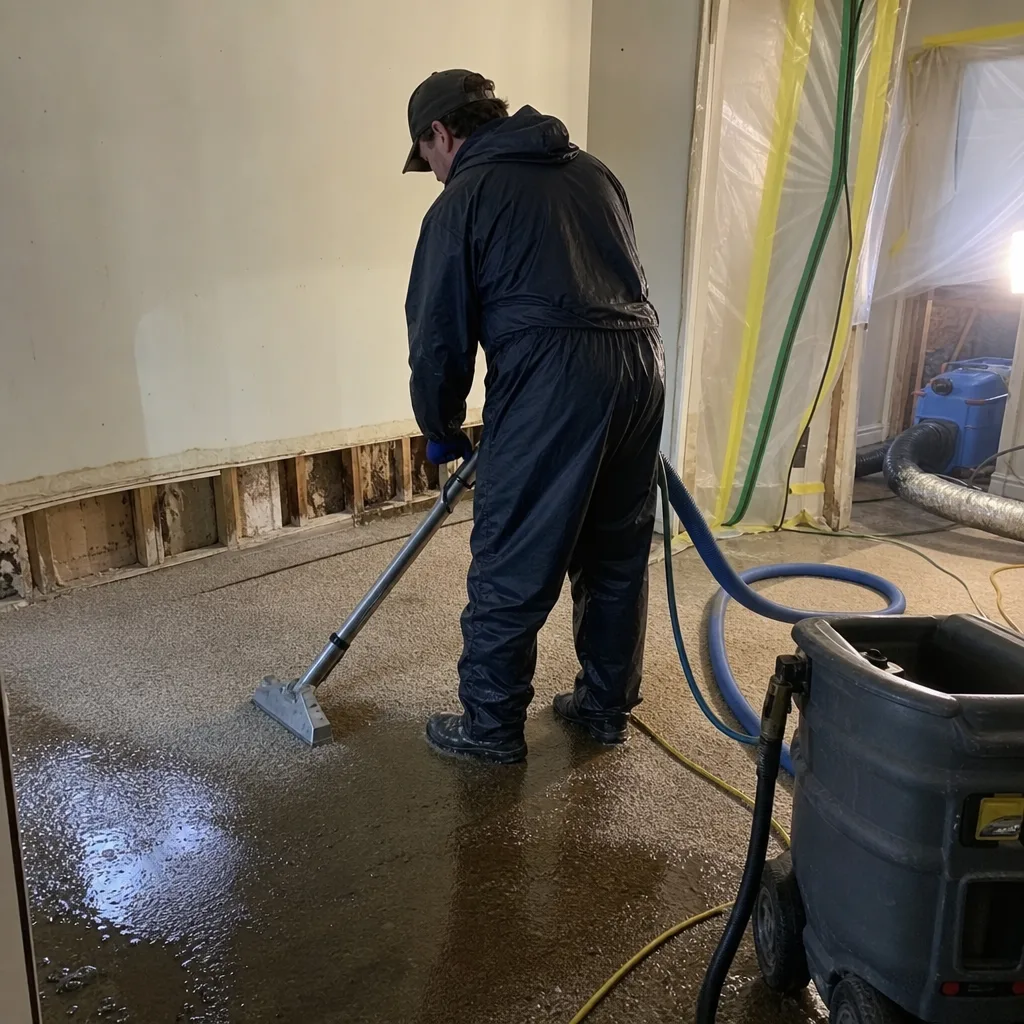
Truck-mounted extraction removes standing water from flooring, followed by weighted extraction for carpet and pad. For slab-on-grade homes near the 118 or along Sepulveda Boulevard, we deploy submersible pumps and portable extraction units to reach water that has migrated to perimeter foundations.
3. Structural Drying & Dehumidification
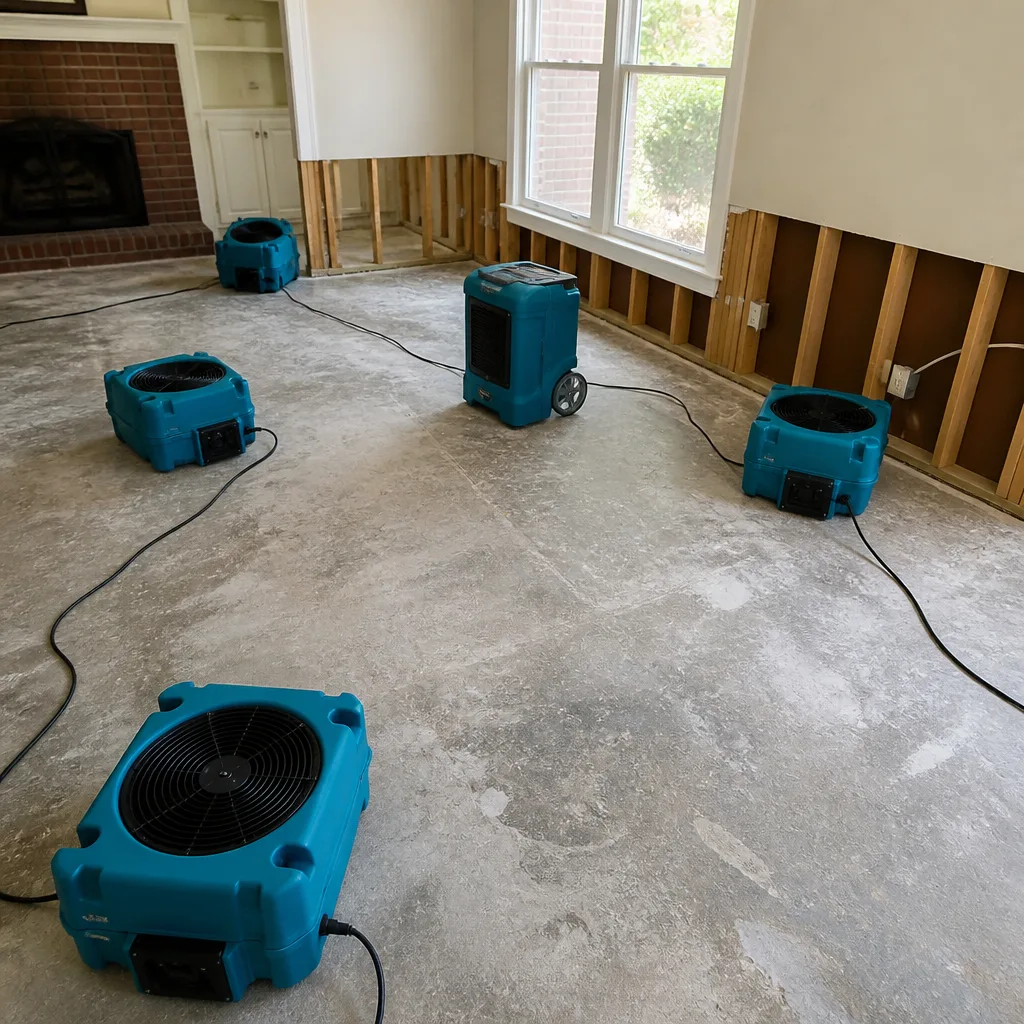
We deploy Dri-Eaz and Phoenix LGR dehumidifiers alongside XPOWER and B-Air air movers positioned for optimal airflow patterns. Drying is monitored daily with psychrometric readings until materials reach established dry standards, documented in logs your adjuster can follow.
4. Cleaning & Sanitization
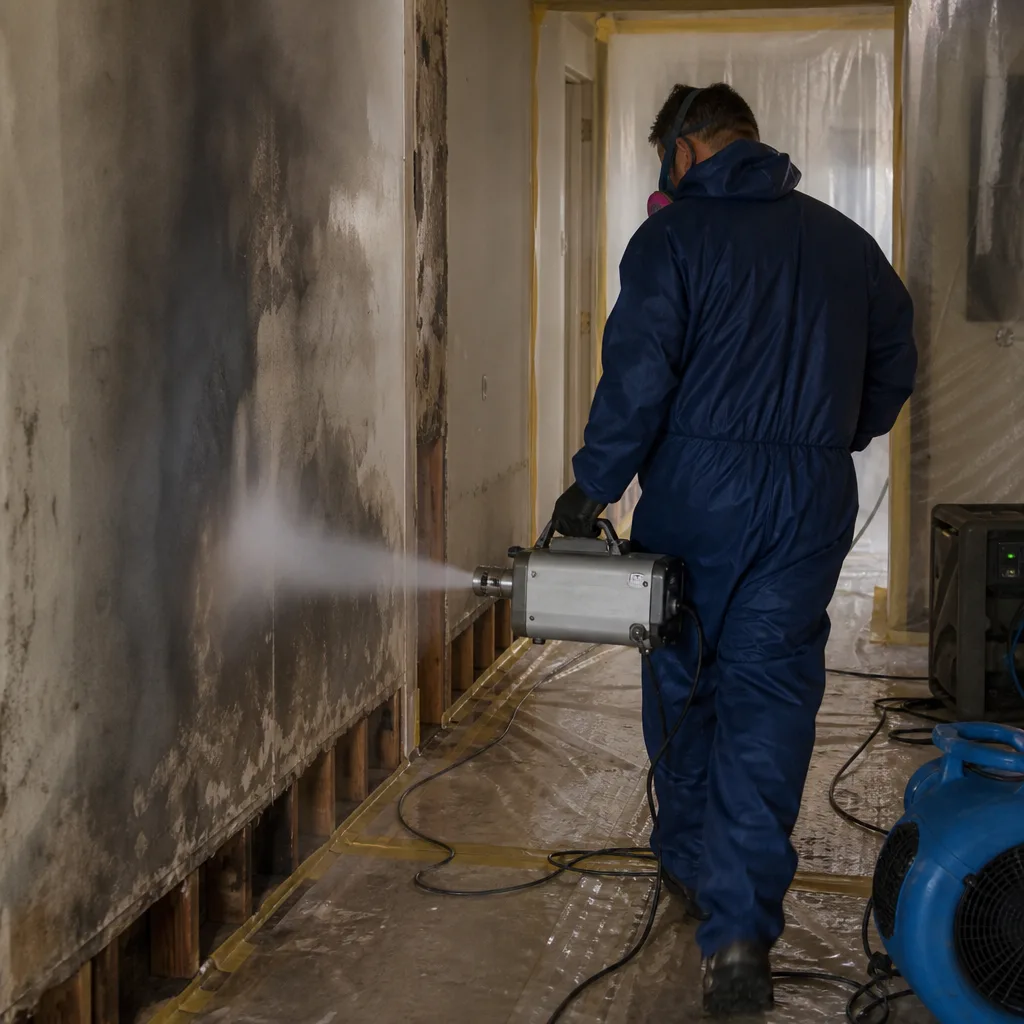
Antimicrobial treatment applied to affected surfaces prevents microbial growth. For Category 2 or 3 losses, we use EPA-registered disinfectants and document application per IICRC S500 standards. All work noted in your photo record.
5. Asbestos & Hazmat Protocol
Mission Hills’s 1950s-1970s housing stock frequently contains asbestos in floor tiles, duct wrap, and popcorn ceilings. When demolition exceeds Class IV maintenance levels, we implement mandatory containment and abatement protocols per RIA and IFA standards, documented separately to prevent insurance scope confusion.
6. Repairs & Restoration
Final repairs return affected areas to pre-loss condition. Because Mission Hills falls under LADBS jurisdiction, we coordinate permits through the City of Los Angeles system and flag any soft-story retrofit obligations on older two-story buildings along Sepulveda and Brand that may stall restoration permits.
Need Emergency Water Damage Restoration in Mission Hills Now?
Crews minutes away, answering live 24 hours a day. The sooner we start, the less it costs.
Working With Your Insurance Company
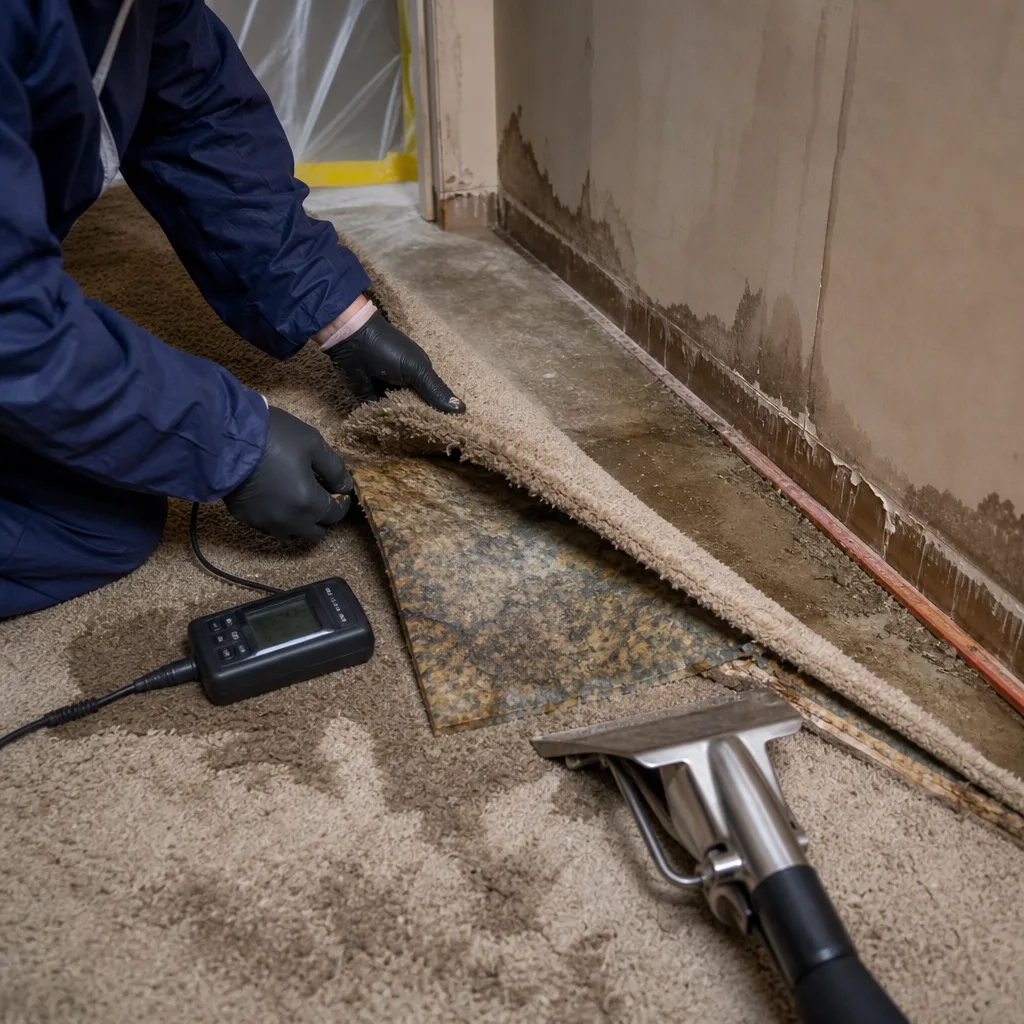
Insurance claims succeed or fail on documentation. We begin photographing and logging moisture readings from the first hour, building a file that mirrors how adjusters review losses: chronological, measurable, and tied to specific building materials. Our estimates follow industry-standard Xactimate pricing, and we communicate directly with your carrier’s adjuster to resolve scope questions before they become disputes.
The Haven Standard requires a written price before work begins and a photo record on every visit. This isn’t extra service. It’s the baseline. Alicia Brennan founded Back to Dry Restoration in 2011 after seeing how sloppy documentation cost homeowners their claims, and every job since - 12,000+ homes - has carried that same documentation discipline.
What We Provide Your Insurer
- Thorough documentation of the loss with date-stamped arrival and departure records
- Photos of all damage, room by room, with moisture readings visible in frame
- Daily moisture readings and drying logs showing progressive reduction to dry standard
- A detailed, line-item scope of work with material classifications by trade name
- Direct coordination with your carrier’s adjuster, including conference calls when needed
Built for Mission Hills’s Loss Calendar
January through March brings the deepest concern: aging galvanized supply lines in 1960s ranches along Brand corridors fatigue from decades of mineral buildup and temperature cycling, with failures peaking during cold snaps when thermal contraction stresses weakened joints. The 1994 Northridge earthquake stressed these systems further; many repairs were cosmetic, and the underlying pipe fatigue shows now.
April through June shifts to irrigation backflow and exterior hose bib failures as homeowners restart sprinkler systems. July through September is peak Santa Ana wind season: single-digit humidity pulls surface moisture from walls while hiding cavity saturation, and air conditioning condensate lines clog with dust, flooding attics and ceilings. October through December brings the first rains, testing roof flashing and flat-roof drainage on older Mission Hills ranches that haven’t seen sustained precipitation in months. Each season produces distinct failure modes, and our crews document which one caused your loss so your claim isn’t questioned.
Water Damage Restoration Across Mission Hills’s Neighborhoods
The Sepulveda Boulevard corridor runs commercial and mixed-use, with older two-story apartment buildings already under LADBS soft-story retrofit orders. A water loss here often requires coordination with the retrofit contractor before permitted repair work can begin, adding timeline complexity that franchises with national templates rarely anticipate.
North of Rinaldi Street, the hillside ranch neighborhoods climb toward the Santa Susana Mountains. These homes see more roof leak water damage from wind-driven rain, and their longer driveways complicate equipment staging. We deploy portable extraction and drying systems from B-Air and Injectidry when truck access is limited.
The Brand Boulevard corridor and surrounding tracts contain the densest concentration of 1950s-1970s postwar housing. This is where we most often find asbestos in floor tiles and popcorn ceilings, and where Northridge-era foundation cracks appear behind wet drywall. Our field vignette: on a stucco ranch off Sepulveda Boulevard, a supply line behind the wall had been weeping slowly, and the homeowner’s pin-type meter read dry because Santa Ana winds had already pulled the surface moisture down to single digits. Our tech used thermal imaging and full moisture mapping to trace water into the slab edge and wall cavity, then ran 8 Dri-Eaz air movers and a Phoenix dehumidifier for three days of structural drying. When we opened the wall we found a pre-existing Northridge-era foundation crack that had been cosmetically patched, so we documented it separately in our drying logs and photos before our antimicrobial treatment and final drying log closed out the job.
Near San Fernando’s border along Truman Street, the housing stock transitions to slightly newer construction but retains the same slab-on-grade vulnerabilities. Crews serving this zone carry extra submersible pump capacity for the lower-lying drainage patterns.
Specialized Water Damage Restoration Services We Offer in Mission Hills
Emergency Water Extraction
Standing water begins destroying structural materials within hours. Our truck-mounted extraction systems remove thousands of gallons per hour, with portable units for hillside homes with limited access. In Mission Hills’s heat-island conditions, we extract first and measure second - the surface will read dry fast, but the damage is underneath.
Structural Drying & Dehumidification
We deploy Phoenix LGR dehumidifiers and Dri-Eaz air movers in calculated ratios based on affected cubic footage and class of water loss. Daily psychrometric readings track vapor pressure differential until materials reach established dry standards. For Mission Hills’s deceptive Santa Ana conditions, we extend drying cycles and verify with thermal imaging, not just pin readings.
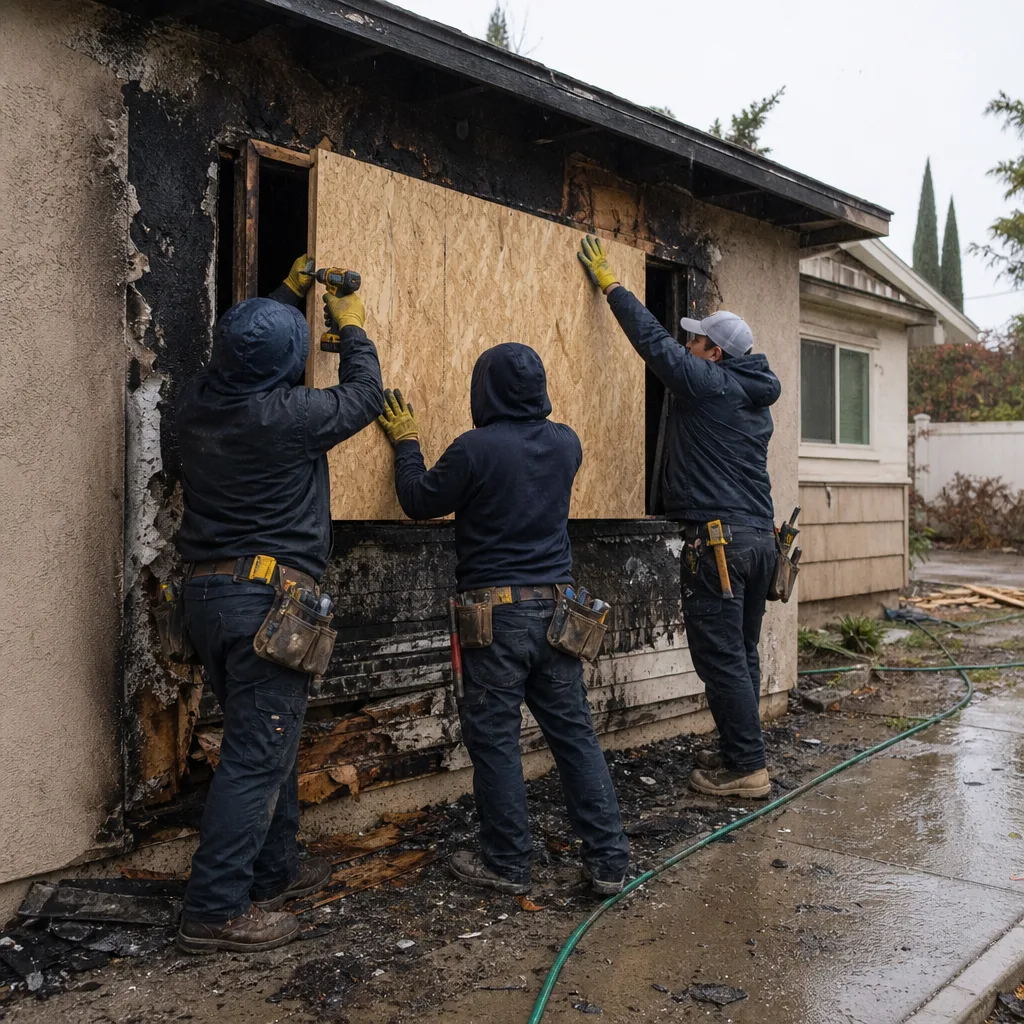
Flood Cleanup
Flash flooding from overwhelmed drainage or irrigation system failures carries Category 3 contamination. We remove affected porous materials, apply EPA-registered disinfectants, and document hazmat disposal for insurance. LADBS permit requirements apply to any structural repairs.
Burst Pipe Restoration
Galvanized and copper fatigue in 1960s-era Mission Hills ranches produces pinhole leaks and catastrophic failures alike. We extract, dry, and document the water loss while flagging pre-existing seismic damage that may have stressed the plumbing. Our written scope separates water damage repair from plumbing replacement so your claim stays clean.
Basement Water Removal
True basements are rare in Mission Hills’s slab-on-grade construction, but partial daylight basements and converted crawl spaces in hillside homes require specialized submersible pumping and cavity drying with Injectidry systems.
Ceiling & Roof Leak Water Damage
Flat and low-slope roofs on postwar ranches pool water at scuppers and drains. We trace migration paths through attic spaces, document insulation saturation, and coordinate with roofing contractors when the source repair falls outside restoration scope.
What happens when you call
- 1
A real person answersNo phone trees - you reach a local pro.
- 2
You get an upfront price rangeHonest numbers before anyone is dispatched.
- 3
A background-checked tech heads outLicensed & insured, dispatched right away.
- 4
You approve before work beginsNothing starts until you say go.
Water Damage Restoration Costs in Mission Hills, CA
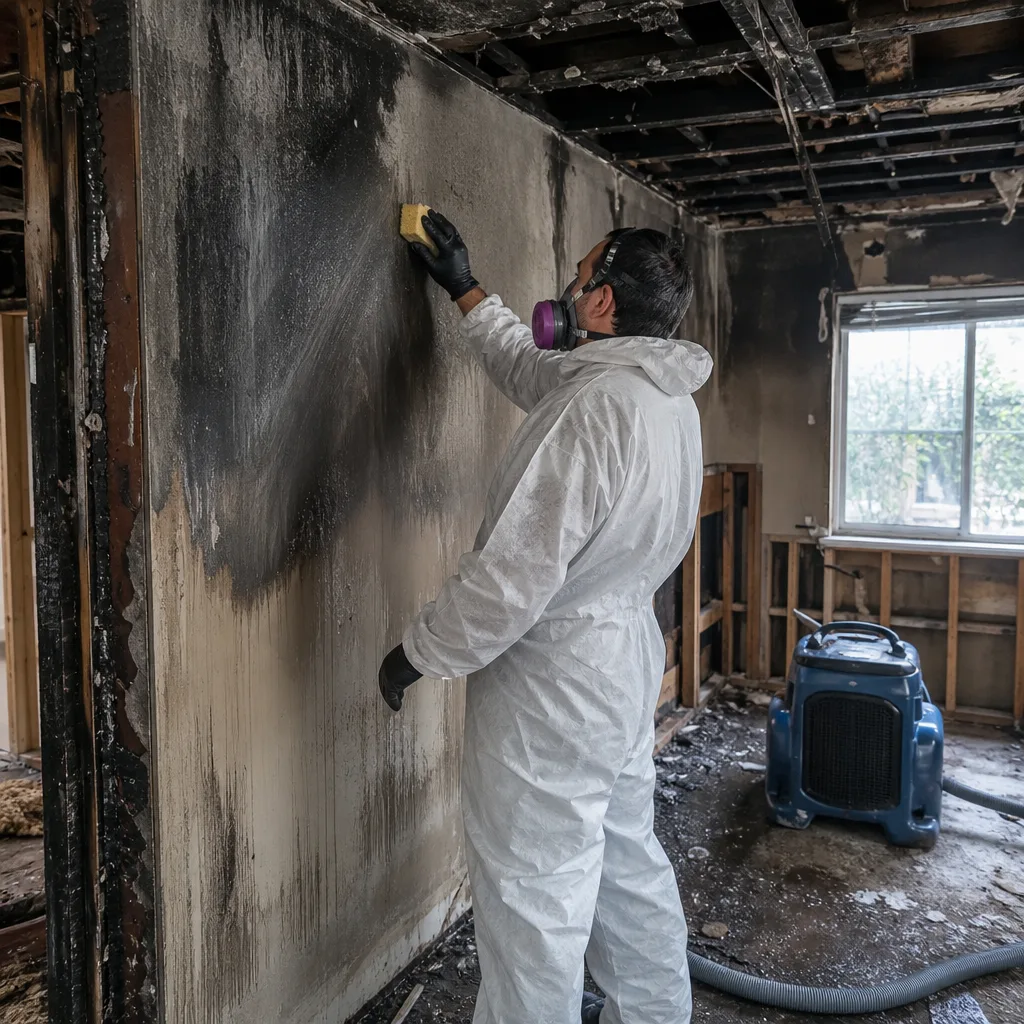
Our Water Damage Restoration team delivers written prices before work starts on every Mission Hills job. Typical ranges:
| Service | Typical Range in Mission Hills |
|---|---|
| Emergency water extraction (first 2 hours) | $360-$680 |
| Structural drying & dehumidification (3-5 day cycle) | $1,200-$3,800 |
| Category 1 clean water dry-out, full home | $2,800-$5,200 |
| Category 2 gray water with antimicrobial treatment | $3,800-$7,500 |
| Category 3 black water with hazmat disposal | $6,500-$14,000+ |
| Asbestos abatement add-on (when triggered) | $1,500-$4,200 |
What moves price: affected square footage, water category, whether asbestos-containing materials require abatement, and whether LADBS permits and soft-story retrofit coordination add timeline. Insurance typically covers sudden and accidental water damage; gradual leaks and maintenance-related failures are usually excluded. We document cause of loss from arrival to support your coverage position. Bring any competitor’s written estimate for our Free Second Opinion - we’ll review it at no charge.
We Also Serve Cities Near Mission Hills
Our crews respond throughout the northern San Fernando Valley, including Water Damage Restoration in Mission Hills and neighboring San Fernando, Granada Hills, Panorama City, and Sylmar. Dispatch is coordinated from our Los Angeles office with local routing optimized for each zone’s traffic patterns and building stock.
Serving Mission Hills, CA - Our Local Coverage Area
We’re based in the Mission Hills area and know this community well. Use the map below to see our service coverage - if you’re nearby, we can almost certainly help.
Mission Hills Water Damage Restoration Questions, Answered
Why does my Mission Hills home’s moisture meter read dry even though the wall feels damp after a leak?
Your pin-type meter is reading the surface, and Santa Ana winds have already pulled that surface moisture to single-digit humidity levels. The moisture is in the wall cavity and slab edge, where it will support mold growth in 48-72 hours. We use thermal imaging and pinless meters to map the full migration path, then dry to established standards verified by psychrometric data, not surface readings. Call (747) 294-2725 for a free inspection with full moisture mapping.
We had a burst pipe in our 1960s ranch on Brand corridors - could there be Northridge earthquake damage hidden behind the wall too?
Yes, and we find it regularly. Mission Hills absorbed severe ground-shaking in 1994, and many foundation cracks, cripple-wall failures, and chimney separations were cosmetically patched but never structurally remediated. When we open walls for drying, we document any pre-existing seismic damage separately in photos and drying logs so your insurance claim covers only the water loss, not pre-existing conditions. This separation is critical to claim approval.
Do I need asbestos testing before water damage restoration in Mission Hills?
If your home was built between the 1950s and 1970s, it likely contains asbestos in floor tiles, duct wrap, or popcorn ceilings. Disturbing these materials during demolition triggers mandatory abatement protocols. We assess visible materials on arrival and flag potential asbestos-containing materials in our written scope. Full testing is required before demolition exceeds Class IV maintenance levels. Skipping this step adds cost and timeline mid-job when abatement becomes unavoidable.
How fast does mold start after a water leak in my Mission Hills home?
In Mission Hills’s Santa Ana wind conditions, mold colonization can begin in 48-72 hours in wall cavities where surface meters read dry. The heat-island effect and single-digit humidity accelerate spore germination once moisture is trapped inside building materials. We begin antimicrobial treatment during drying and verify with moisture mapping that cavities reach dry standard, not just visible surfaces. Speed matters, but thoroughness matters more. Call (747) 294-2725 for same-day assessment.
What’s the difference between Category 1, 2, and 3 water, and how does it affect my Mission Hills restoration?
Category 1 is clean water from a supply line - the least contaminated, but it degrades to Category 2 within 24-48 hours. Category 2 is gray water from appliances or sump failures with chemical or biological loading. Category 3 is black water from sewage or ground flooding carrying pathogens and requiring full hazmat protocol. Category determines which materials must be removed rather than dried, which disinfectants apply, and whether your insurance policy covers the loss. We classify on arrival and document the basis for our determination.
Will my insurance cover water damage restoration in Mission Hills?
Sudden and accidental water damage from burst pipes or appliance failures is typically covered under standard homeowners policies. Gradual leaks, maintenance-related failures, and flooding from outside sources usually are not. We document cause of loss from our first visit, photograph the point of origin, and provide your adjuster with moisture logs and a line-item scope that supports coverage. Direct billing available. Call (747) 294-2725 to discuss your specific policy and loss.
How long does structural drying take in Mission Hills?
Standard residential drying runs 3-5 days for Category 1 losses in Mission Hills’s climate, but Santa Ana wind conditions can extend this. Surface materials dry fast while cavities retain moisture, requiring extended dehumidification cycles verified by thermal imaging and psychrometric readings rather than calendar days. We don’t declare dry until daily logs show progressive reduction to established standards. Rushing this step guarantees mold callbacks and claim disputes.
Can we stay in our home during water damage restoration?
For contained Category 1 losses affecting one or two rooms, usually yes. Category 2 or 3 losses, or any job requiring asbestos abatement, typically require temporary relocation for safety. We specify occupancy status in our written scope before work begins, Haven Standard, Clause 1, so you’re not surprised mid-job. Air scrubbers with HEPA filtration run during active work to maintain air quality in adjacent spaces.
Water damage in Mission Hills isn’t a standard dry-out. The combination of Northridge-era hidden structural damage, 1950s-1970s asbestos-containing materials, and deceptive Santa Ana wind drying creates layered, multi-cause losses that require documentation-first restoration. We separate pre-existing conditions from fresh damage, deliver written prices before work starts, and produce the daily drying logs that turn restoration invoices into payable claims.
Call (747) 294-2725 now. We answer live, 24 hours a day. Free visual inspection. Written price before any work starts. Every time.
Written by Alicia Brennan, Owner at Back to Dry Restoration, serving Mission Hills since 2011.
Water Damage Restoration in Nearby Areas