
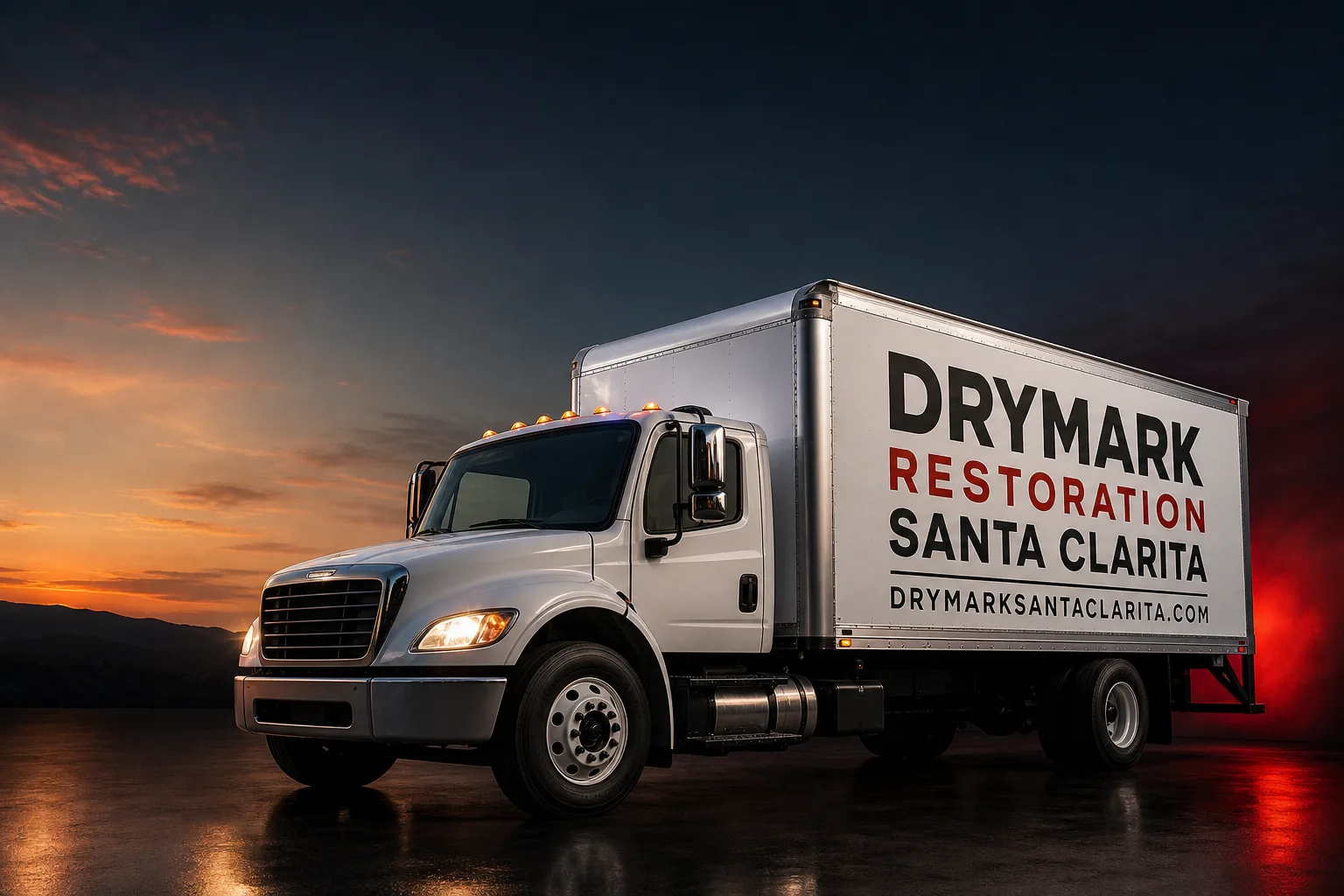
Free visual inspection and a written scope of work before any mitigation begins - photos, moisture readings, and drying logs go in your claim file
The scope we write is the scope we bill. Anything new gets shown to you, in writing, before we touch it.
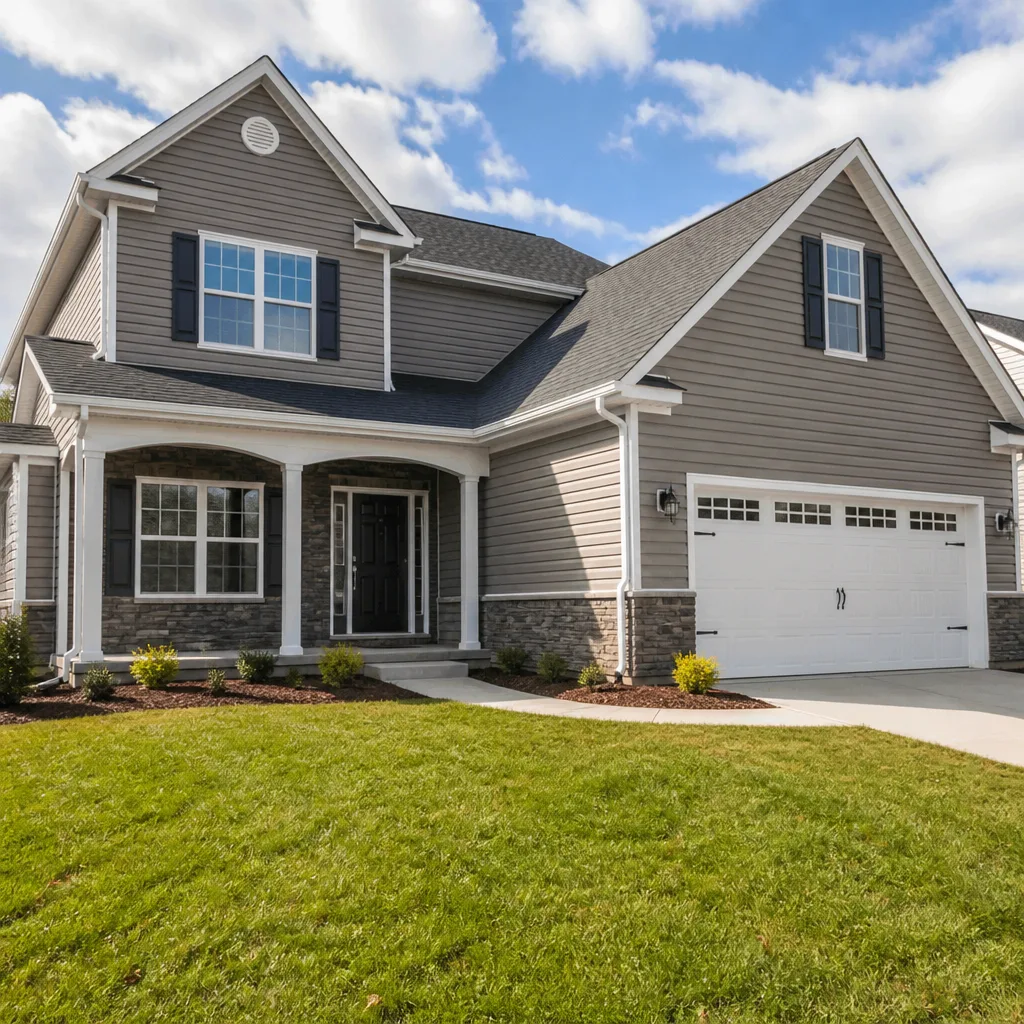
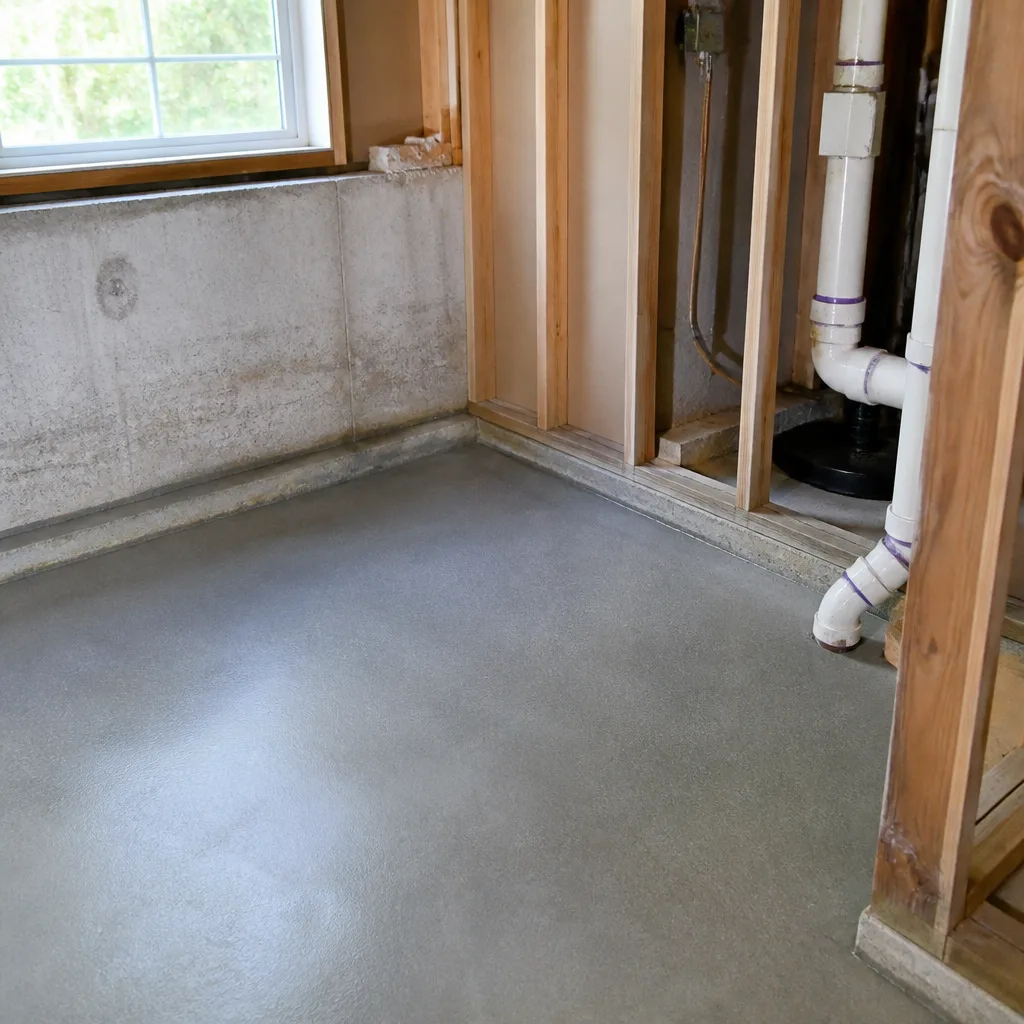
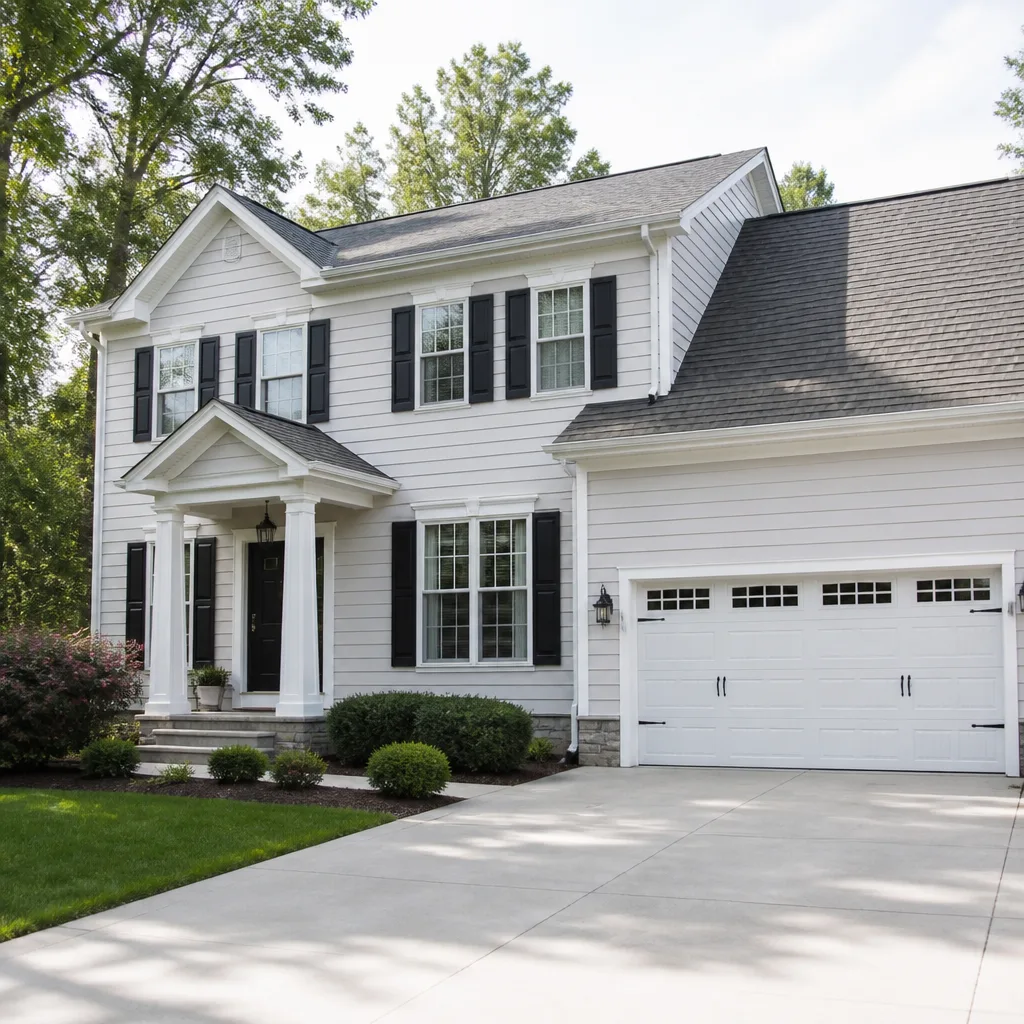
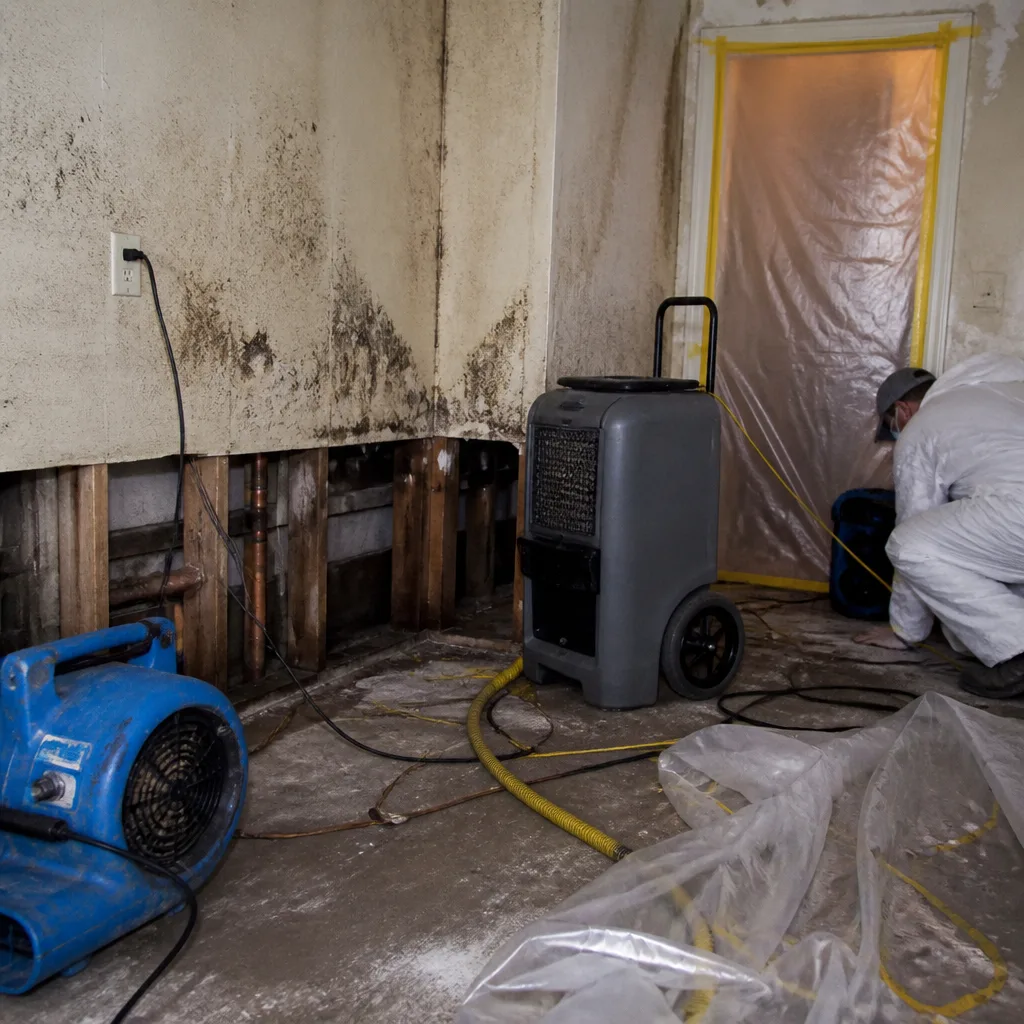 Before
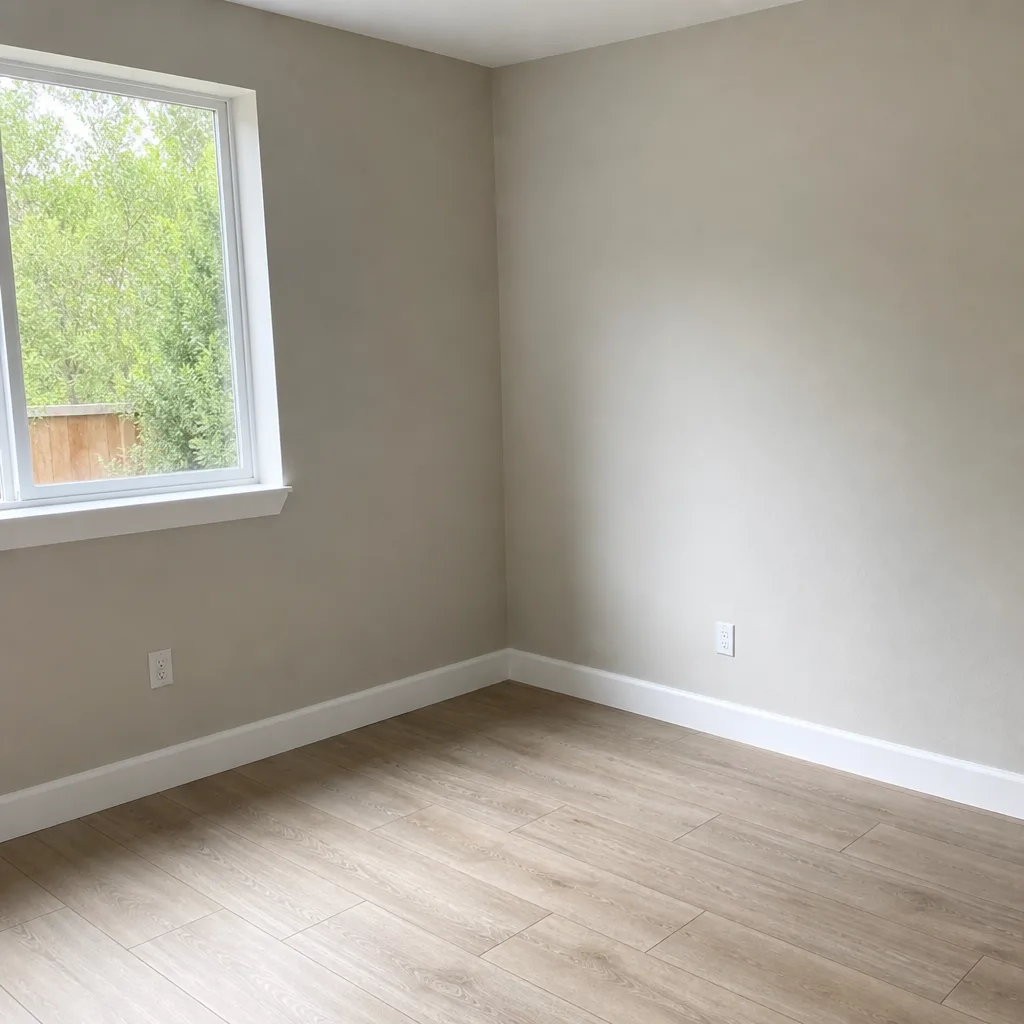 After
After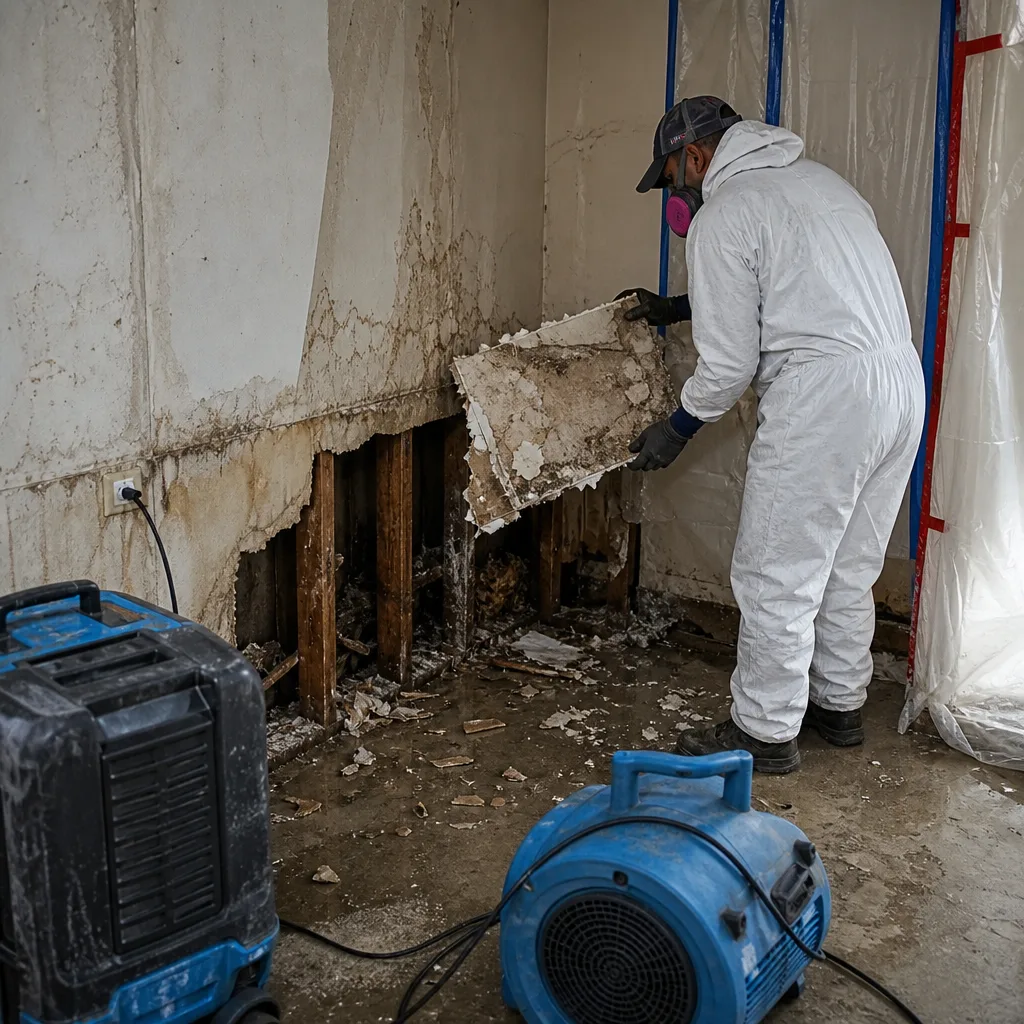 Before
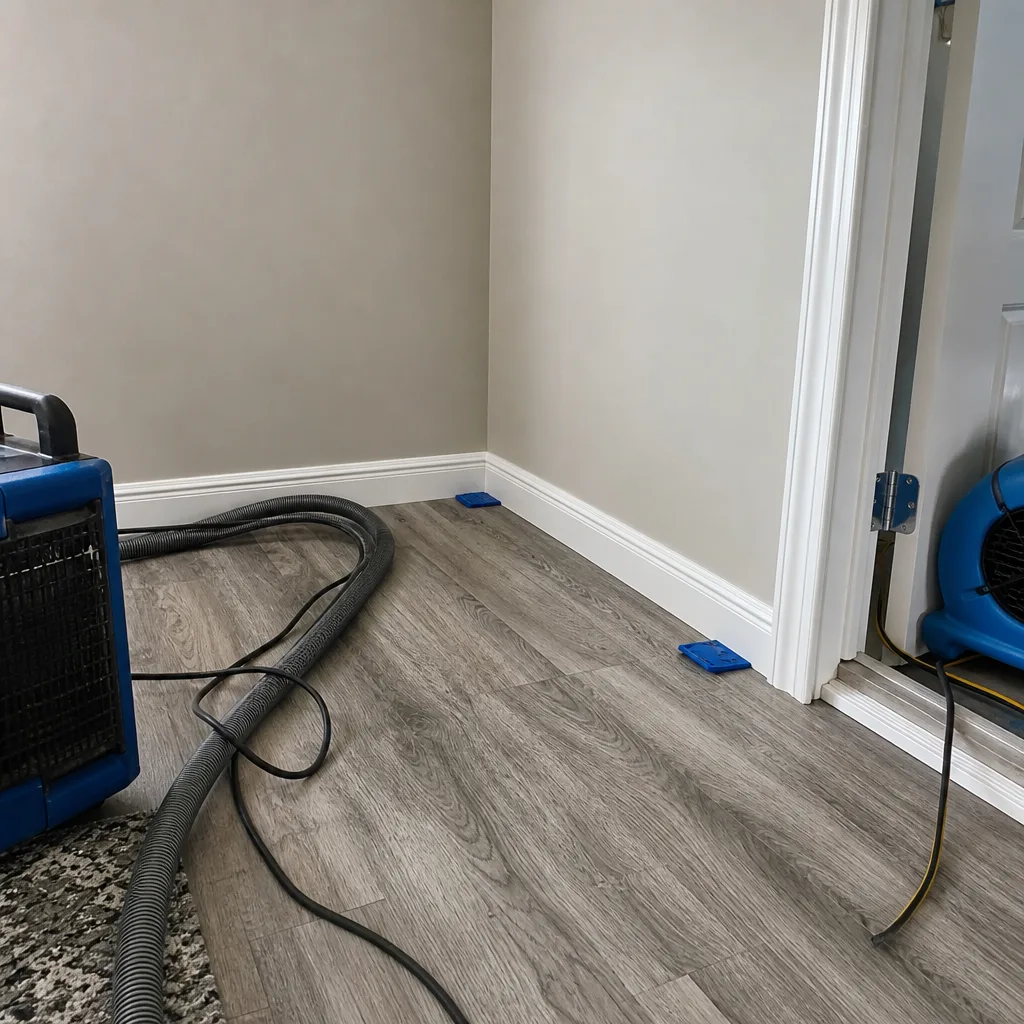 After
After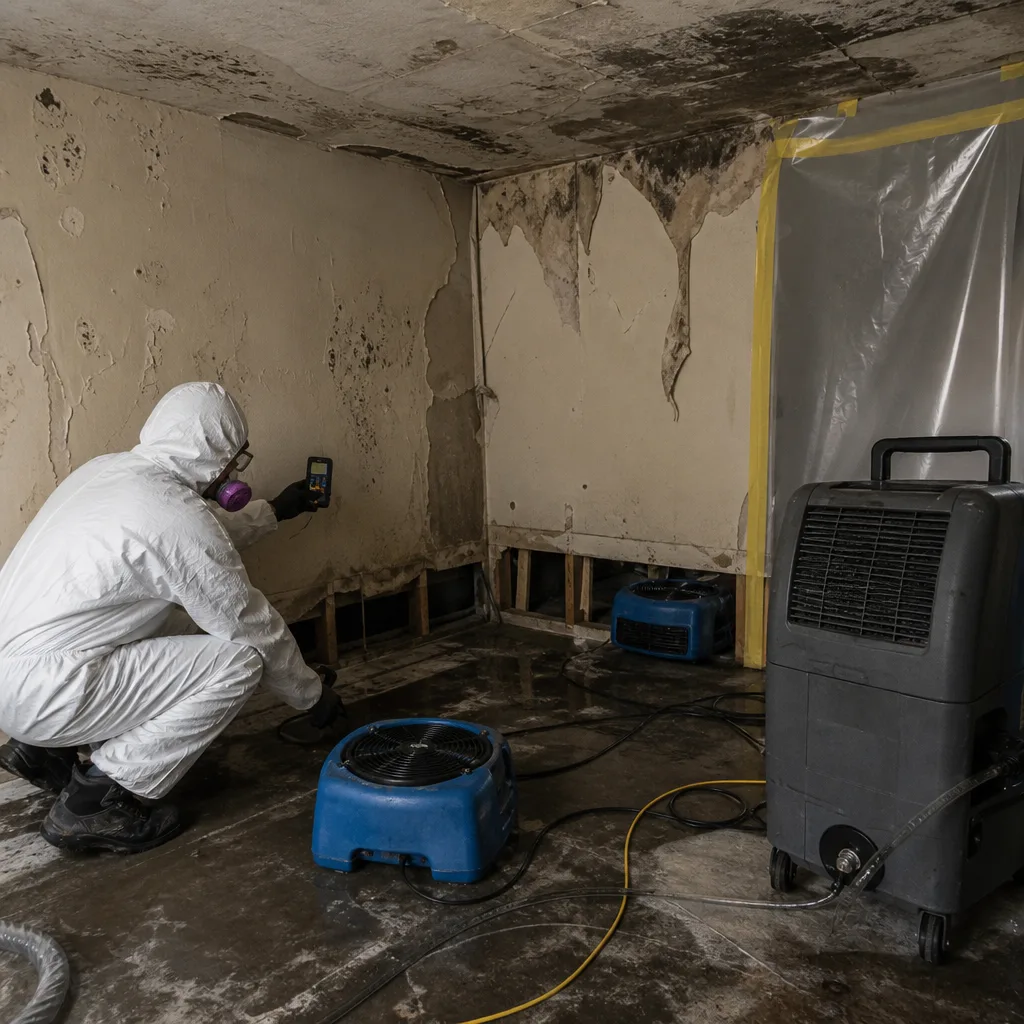 Before
 After
After24/7 Emergency Fire & Smoke Damage Restoration in Santa Clarita
Fire and smoke damage restoration in Santa Clarita typically costs $4,200-$18,500 depending on affected square footage and whether structural repairs are needed. Most emergency board-ups and stabilization begin within 45 minutes of your call. Call (747) 294-2725 now - we answer live 24 hours a day, 7 days a week, with no voicemail trees.
Smoke migrates faster than flames. Within minutes, it pushes through HVAC ductwork, settles into attic insulation, and embeds in porous surfaces. In Santa Clarita’s 1980s-2000s stucco-over-wood-frame tract homes, that smoke finds every gap the builder left. The first hour determines whether odor becomes a permanent problem or a solved one. Our crews serve Santa Clarita locally, with dispatch coordinated from our Los Angeles office, and we bring containment barriers, HEPA scrubbers, and thermal imaging to every fire loss.
We do not start work until you have a written price in hand. Haven Standard, Clause 1.
Understanding Fire & Smoke Damage Restoration Severity in Santa Clarita Properties
Fire damage breaks into three categories that drive scope and cost. Light smoke damage - surface soot on walls and contents, no structural compromise - typically runs $4,200-$7,800 in Santa Clarita. Moderate damage with smoke penetration into attic insulation, HVAC contamination, and partial material removal runs $8,500-$14,000. Severe structural damage requiring framing repair, full insulation replacement, and reconstruction can exceed $18,500.
Santa Clarita’s housing stock intensifies every category. Those stucco-over-wood-frame tracts in Valencia, Canyon Country, and Saugus were built with builder-grade insulation and minimal fire-blocking. Smoke migrates through shared attic spaces in these zero-lot-line communities. The Santa Ana winds that drive our autumn fires also pressurize structures, forcing soot deeper into wall cavities. Tertiary smoke damage - odor compounds that re-volatilize months later when temperatures hit 105°F - is the hidden cost of incomplete remediation.
We document severity with thermal imaging to find hidden hot spots, moisture meters to locate firefighting water trapped in wall assemblies, and psychrometric data (temperature, relative humidity, vapor pressure differential) to establish drying targets. Every reading goes into your file and your insurer’s.
Why Santa Clarita Property Owners Choose DryMark Restoration Santa Clarita
- 45-minute response commitment to Santa Clarita addresses - our crews are already positioned for the valley’s emergency pattern.
- 24/7 live answer by a real person, never an automated system or callback queue while smoke continues settling into your contents.
- IICRC-certified crews holding FSRT (Fire and Smoke Restoration Technician) and WRT (Water Damage Restoration Technician) certifications - the dual credential matters here, because every fire in Santa Clarita is also a water loss from suppression.
- Free visual inspection with a written scope and price before any work begins, every time, no exceptions.
- Direct insurance billing with photo-documented estimates and adjuster coordination - we have handled claims for every major carrier writing policies in Los Angeles County.
- One team from stabilization through reconstruction - no handoffs to unknown subcontractors, no gaps in documentation.
 Before
 After
AfterOur Fire & Smoke Damage Restoration Process
1. Inspection & Assessment
We arrive with thermal imaging cameras, moisture meters, and combustion residue testing kits. Within the first hour we map smoke migration paths, identify affected materials by type (dry smoke, wet smoke, protein residue, or fuel oil soot), and document pre-existing conditions with dated photographs. You receive a written scope and firm price before any equipment is unloaded.
2. Emergency Board-Up & Tarping
Broken windows, compromised roofing, and damaged entry points are secured with fire-rated plywood and weatherproof membrane. In Santa Clarita’s WUI zones, this also means ember-resistant sealing to prevent re-ignition from nearby hotspots. We log every board and every nail for your insurer.
3. Water Extraction & Structural Drying
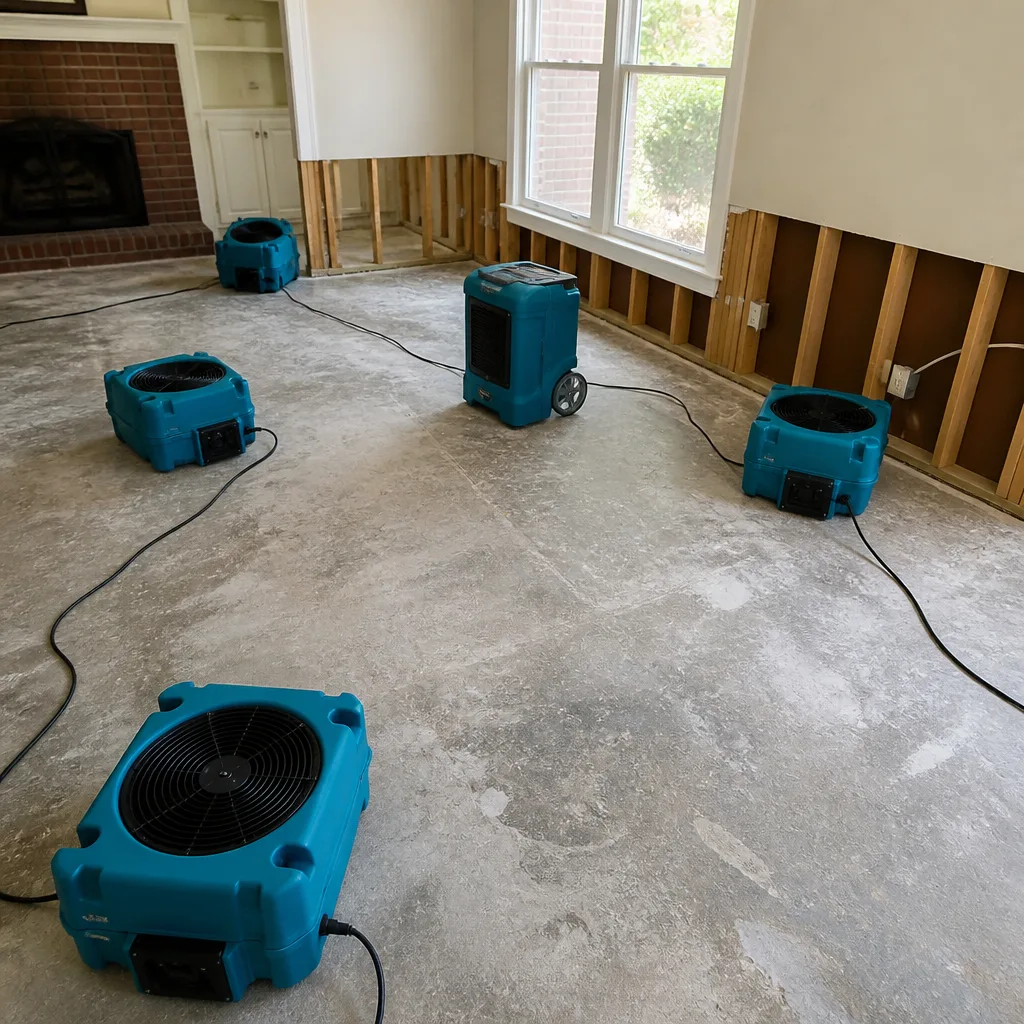
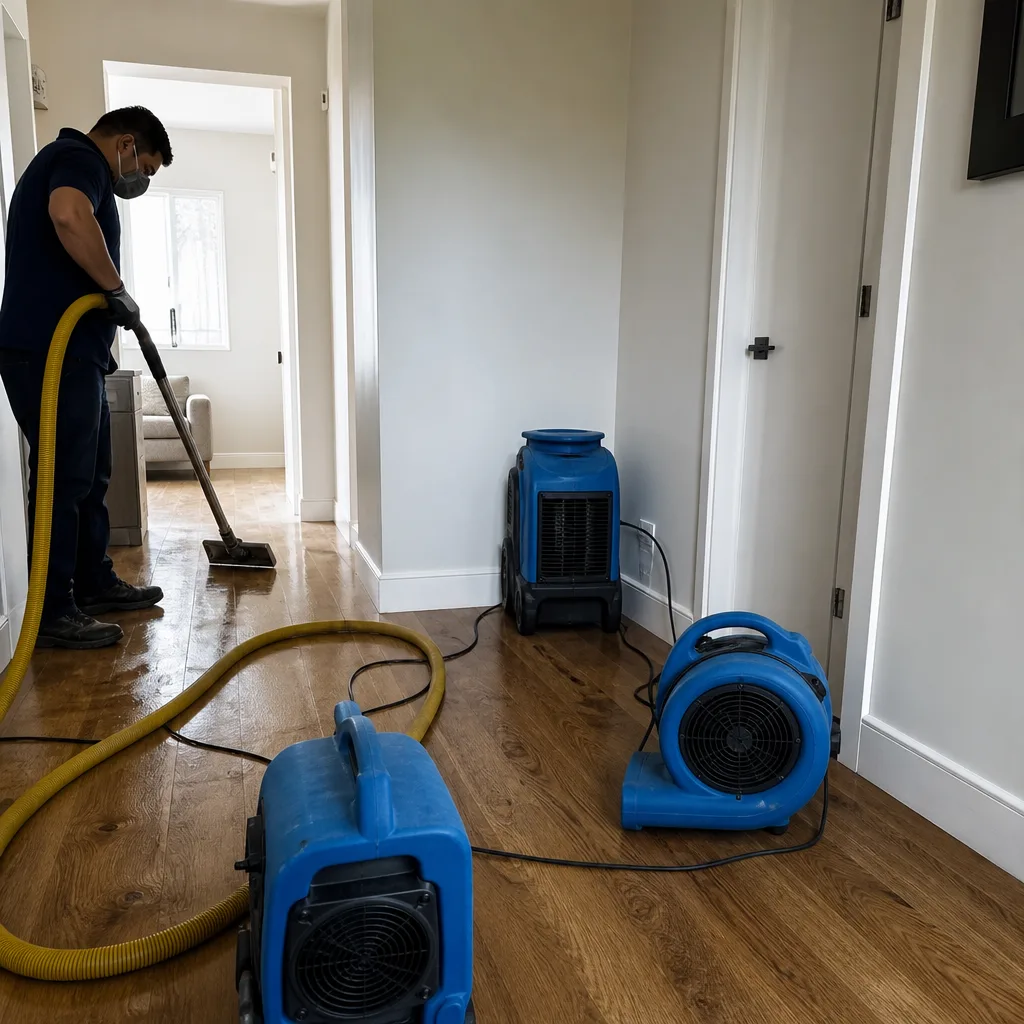
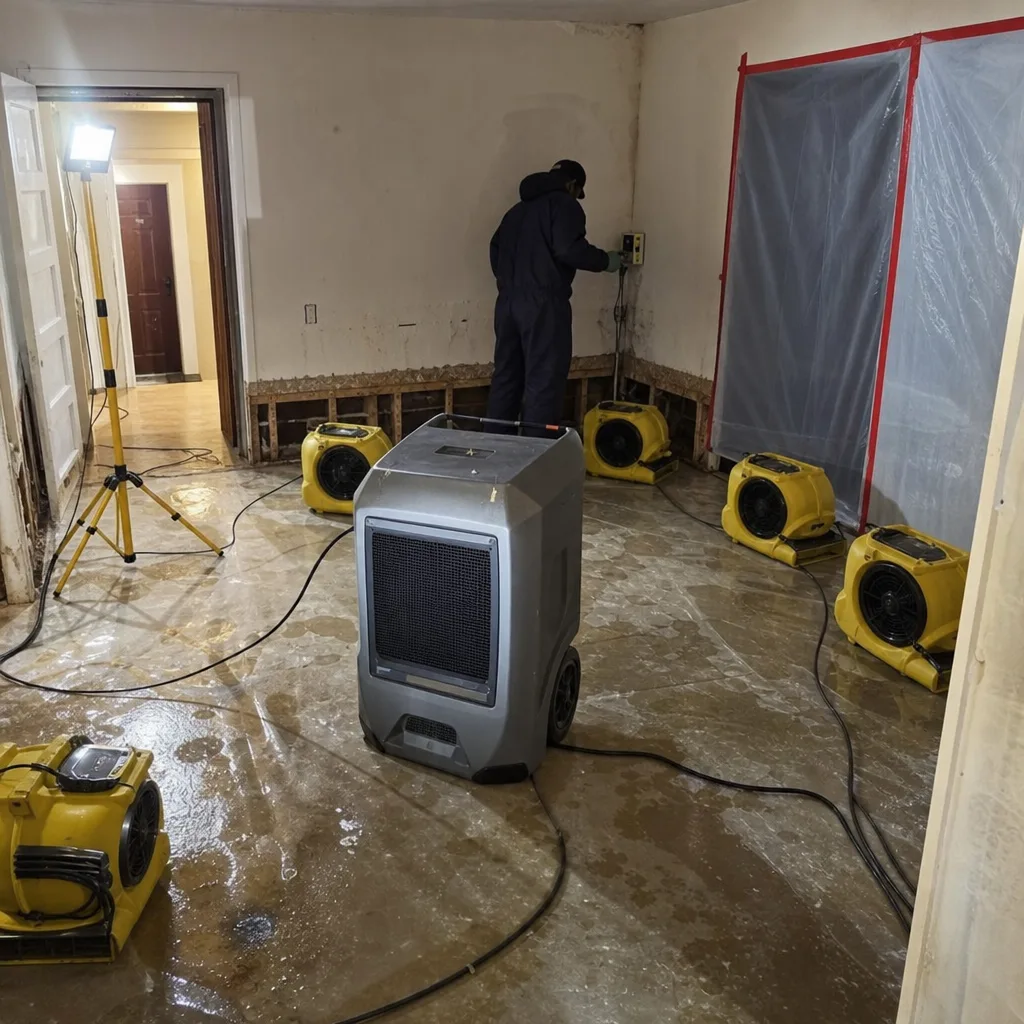
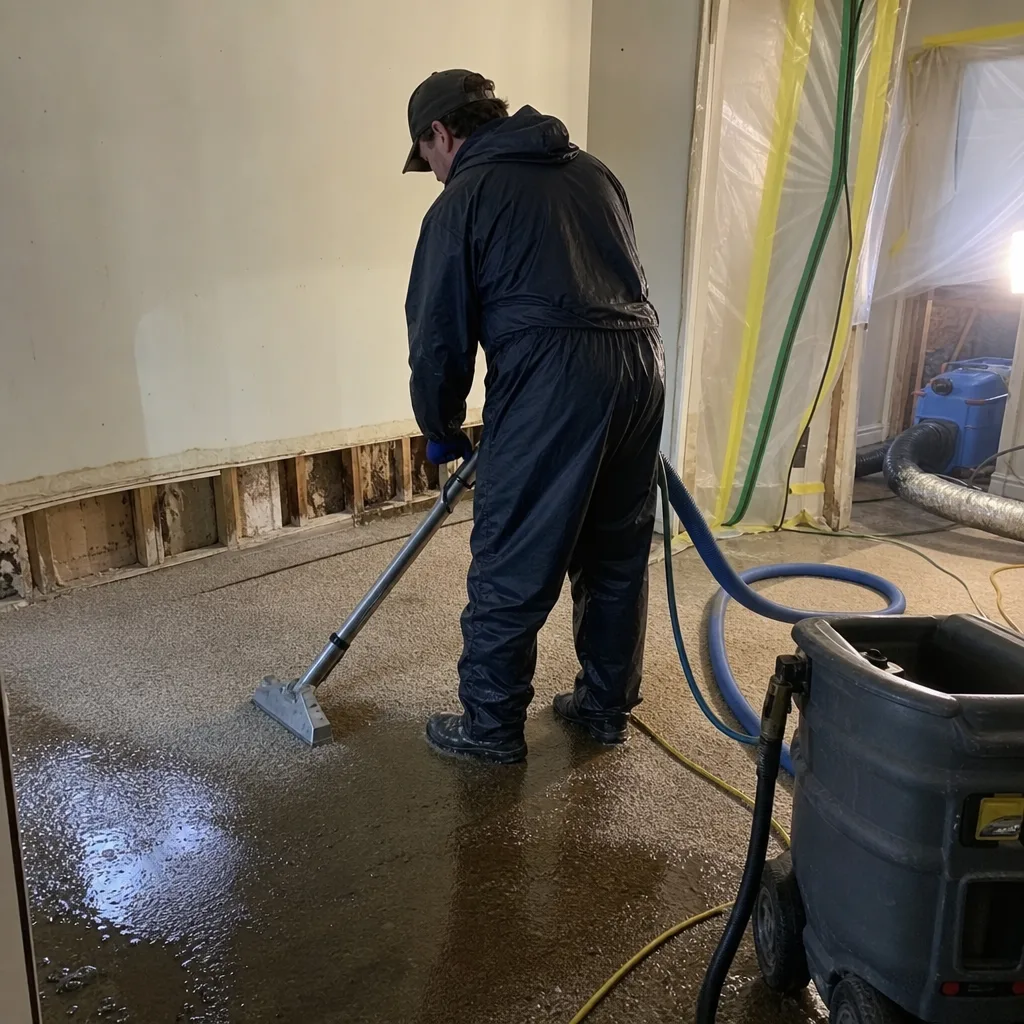
Firefighting water saturates wall cavities, subfloors, and insulation. We deploy Dri-Eaz and Phoenix dehumidifiers, XPOWER air movers, and Injectidry cavity drying systems to establish vapor pressure differential and pull moisture from inside assemblies. Daily moisture logs track progress to IICRC S500 standards.
4. Smoke & Soot Removal
HEPA-filtered vacuums capture loose particulate before wet-cleaning with specialized agents matched to residue type. Dry smoke (fast-burning, high-heat) responds to dry sponges; wet smoke (slow-burning, smoldering) requires solvent-based cleaning; protein fires need enzymatic treatment. We clean every surface twice: once for visible soot, again for odor-bearing microparticles.
5. Odor Removal & Deodorization
Thermal fogging, ozone treatment, and hydroxyl generators break odor compounds at the molecular level. In Santa Clarita’s tract homes, we pay particular attention to attic insulation and HVAC ductwork - the two places builder-grade construction hides smoke that will re-volatilize on the first 105°F day. We replace contaminated insulation; we do not deodorize it and hope.
6. Repairs & Restoration
Damaged drywall, flooring, cabinetry, and structural elements are rebuilt to pre-loss condition. Our 365-Day Done Right Promise, backed by The Haven Standard, covers every repair. If it’s not done right, we make it right - in writing, not as a verbal favor.
Need Emergency Fire & Smoke Damage Restoration in Santa Clarita Now?
Crews minutes away, answering live 24 hours a day. The sooner we start, the less it costs.
Working With Your Insurance Company
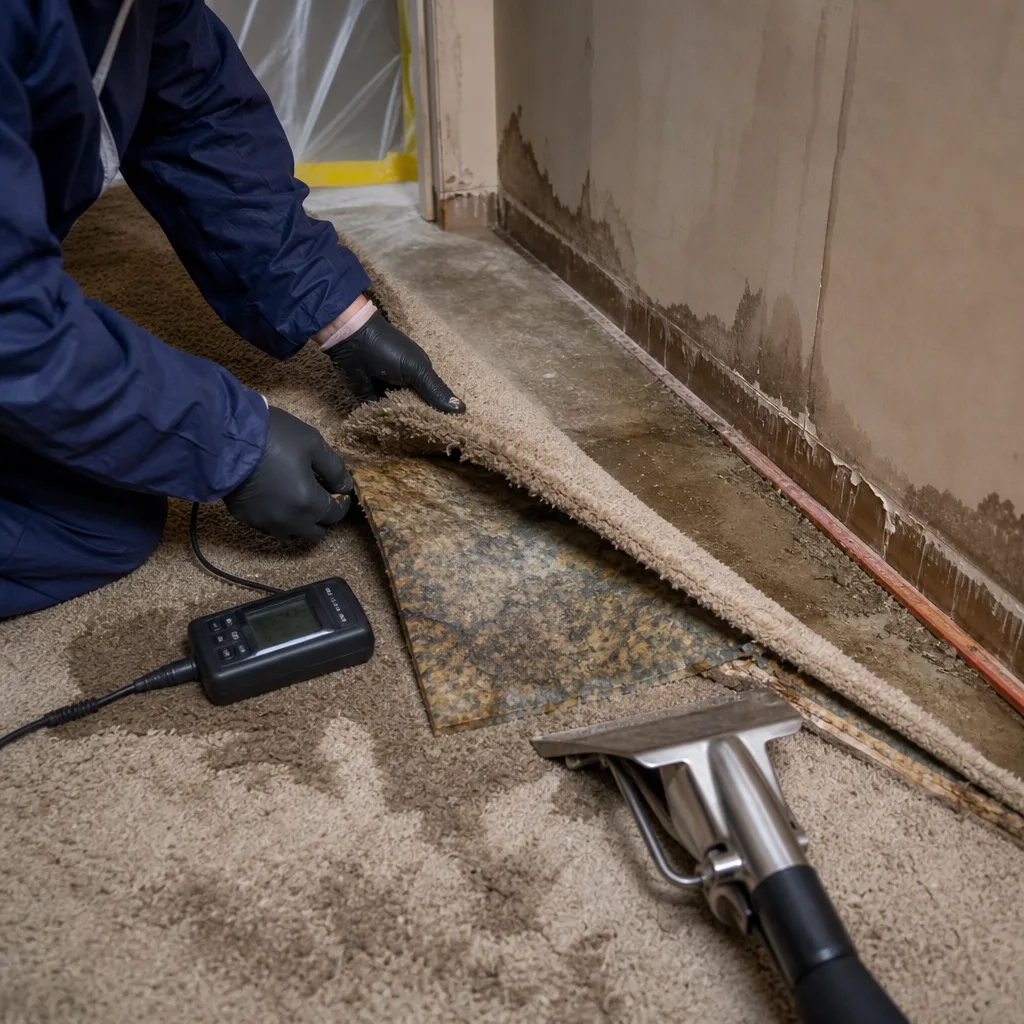
Insurance claims fail on documentation gaps. We close those gaps from the first hour. Every photograph is time-stamped and geo-tagged. Every moisture reading is logged with equipment serial number and calibration date. Every scope item is line-itemed with unit pricing. We have worked with adjusters from State Farm, Farmers, Allstate, USAA, and every major carrier writing in Los Angeles County, and we understand their documentation requirements.
Our estimates follow industry-standard formats (Xactimate where required) and include narrative explanations for non-standard items. Direct adjuster communication is standard, not an upsell. We do not demand payment upfront and seek reimbursement later - we bill your carrier directly per the terms of your policy.
What We Provide Your Insurer
- Thorough documentation of the loss
- Photos of all damage, room by room
- Moisture readings and drying logs
- A detailed, line-item scope of work
- Direct coordination with your carrier
Built for Santa Clarita’s Loss Calendar
Santa Clarita’s fire season runs June through November, peaking during Santa Ana wind events that routinely exceed 60 mph. The 2016 Sand Fire burned 41,000 acres and pushed smoke into homes across Canyon Country and Saugus. The 2019 Tick Fire destroyed 22 structures and damaged dozens more in Canyon Country tracts. These are not abstract risks - they are the defining pattern of property loss in this valley.
The second wave arrives with winter rain. Burned chaparral on slopes above Valencia, Canyon Country, and Saugus cannot absorb rainfall. Debris flows carry sediment, ash, and contaminated soil into garages, crawlspaces, and lower-level rooms of homes that had already been cleared for fire damage. We plan for this sequence on every WUI-tract job. Our fire restoration scopes include moisture-barrier recommendations and drainage assessments for the wet season to come.
Spring brings the third phase: mold inside wall cavities where firefighting water was not fully extracted before temperatures rose. Santa Clarita’s rapid summer heating compresses the effective drying window. We verify structural dryness with thermo-hygrometers before we sign off on any fire job.
Fire & Smoke Damage Restoration Across Santa Clarita’s Neighborhoods
Valencia - The master-planned communities north of Magic Mountain Parkway are dense with 1990s-2000s tracts sharing attic spaces and HVAC zones. Smoke in one unit often contaminates three. We have replaced shared attic insulation across entire cul-de-sacs after wildfire events.
Canyon Country - Hillside-adjacent tracts along Sand Canyon and Soledad Canyon roads sit directly below WUI zones burned in the Sand and Tick fires. The smoke damage here is typically severe, and the debris-flow risk the following winter is predictable. We coordinate with homeowners’ associations on drainage improvements as part of our restoration planning.
Saugus - The Bouquet Canyon corridor and neighborhoods near Central Park see the same fire-then-flood pattern. Many homes here were built in the 1980s with original insulation and single-pane windows that failed to contain smoke. Our scopes frequently include full insulation replacement and window-sealing upgrades.
Stevenson Ranch - Newer construction with tighter envelopes, but the same shared-wall and shared-attic vulnerabilities. The Pico Canyon Road corridor channels Santa Ana winds that pressurize structures during fire events. We inspect garage-to-attic fire blocking on every Stevenson Ranch job - it is the most common code gap we find.
Specialized Fire & Smoke Damage Restoration Services We Offer in Santa Clarita
Fire Damage Cleanup
Structural stabilization, debris removal, and salvage assessment. In Santa Clarita’s stucco-frame tracts, we pay particular attention to heat-cycling damage - stucco cracks that appear minor but channel moisture into wall cavities. Every crack is photographed, measured, and noted in your scope.
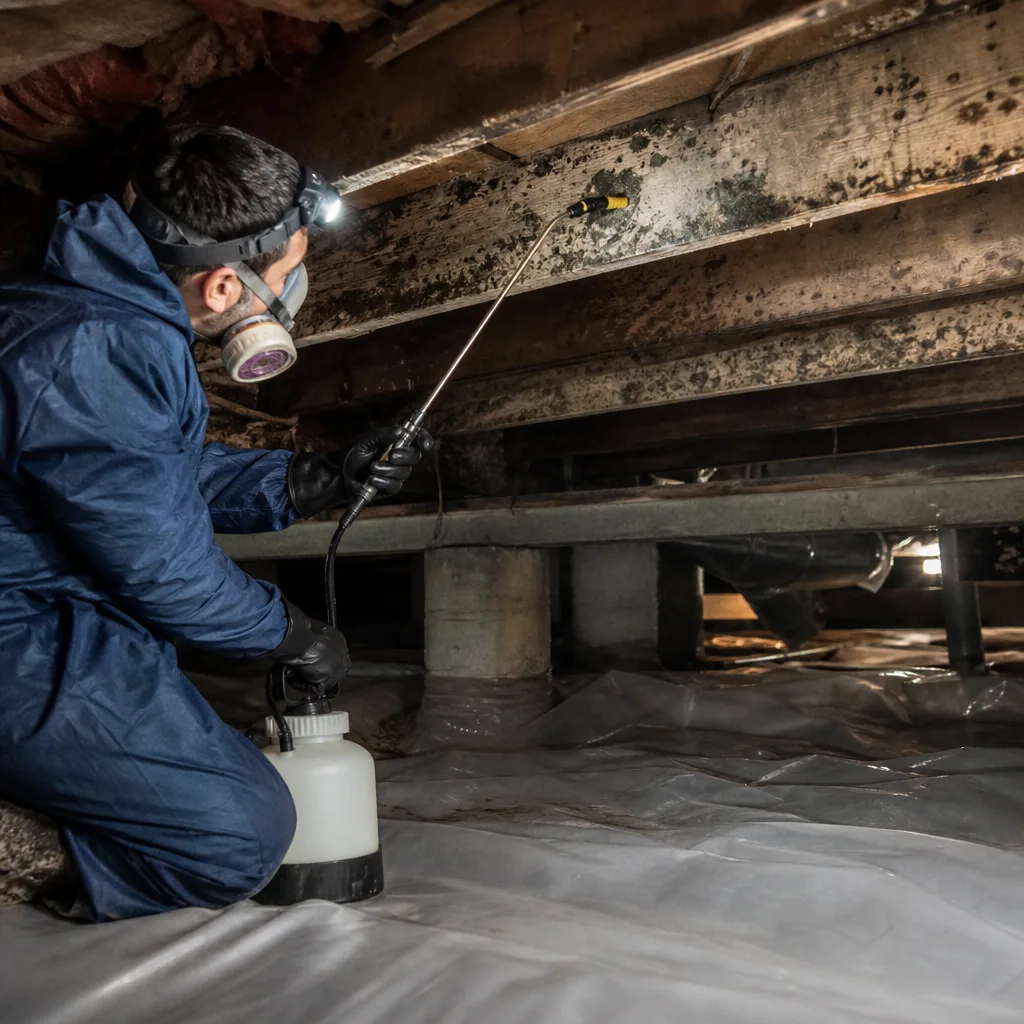
Smoke & Soot Removal
Dry smoke, wet smoke, protein residue, and fuel oil soot each require distinct cleaning chemistry. We identify residue type on-site and match our approach. For Fire & Smoke Damage Restoration in Santa Clarita’s tract homes, this almost always means attic insulation replacement and full HVAC duct cleaning - the two places surface cleaning cannot reach.
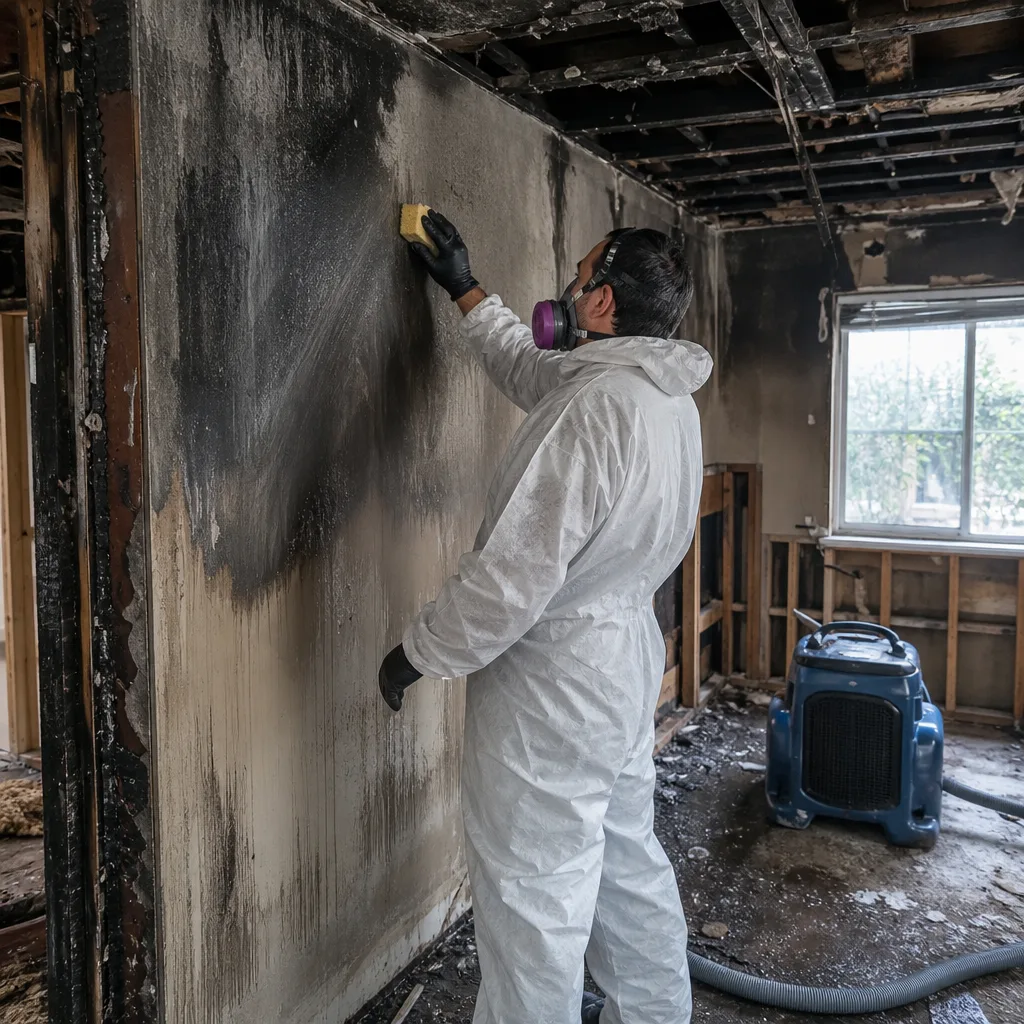
Odor Removal & Deodorization
Thermal fogging penetrates porous materials where soot has embedded. Ozone treatment neutralizes odor compounds in unoccupied spaces. Hydroxyl generators allow safe deodorization while occupants remain in unaffected areas. We never mask odor; we eliminate it at the source or we replace the source.
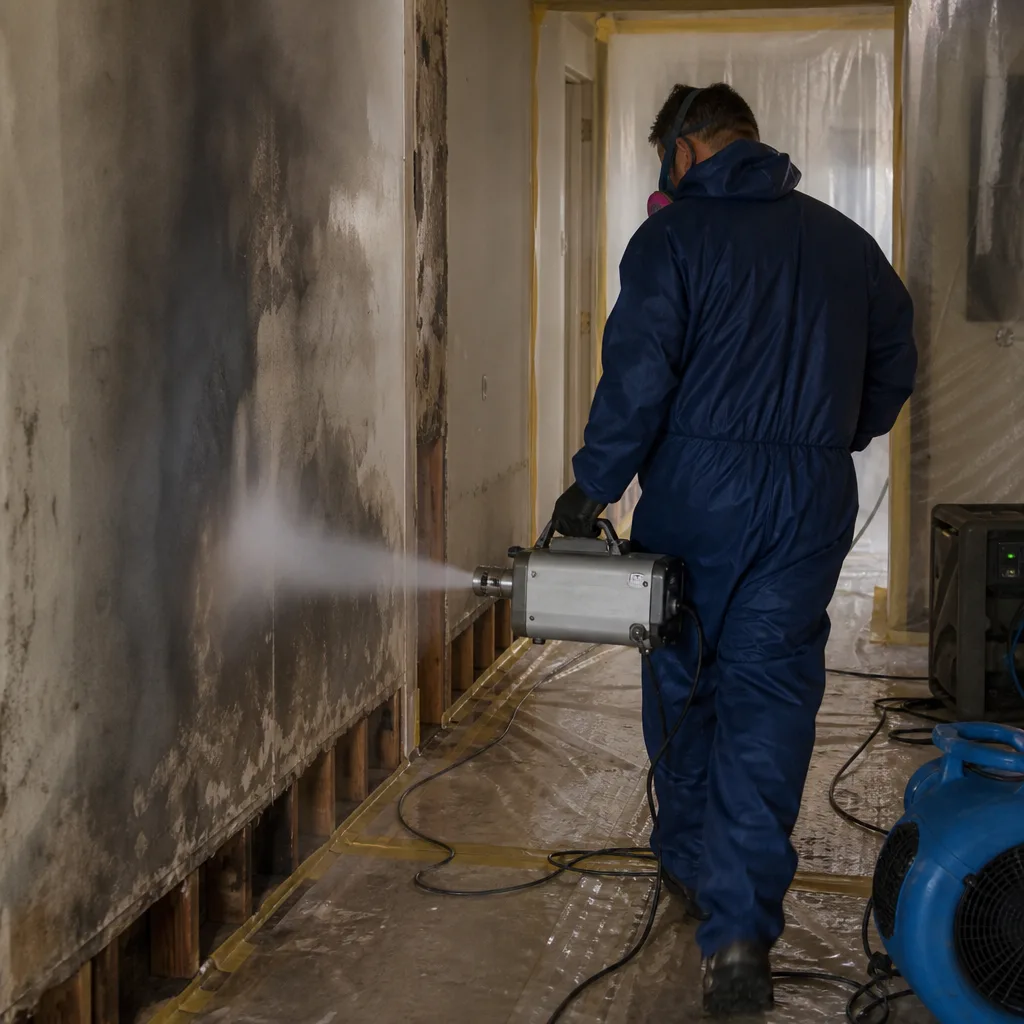
Contents Cleaning & Pack-Out
Soft contents (textiles, upholstery) go to our facility for ultrasonic and specialized cleaning. Hard contents are inventoried, photographed, and cleaned on-site or off-site depending on contamination level. Electronics require separate handling - we coordinate with certified electronics restoration specialists. Every item is barcoded and tracked.
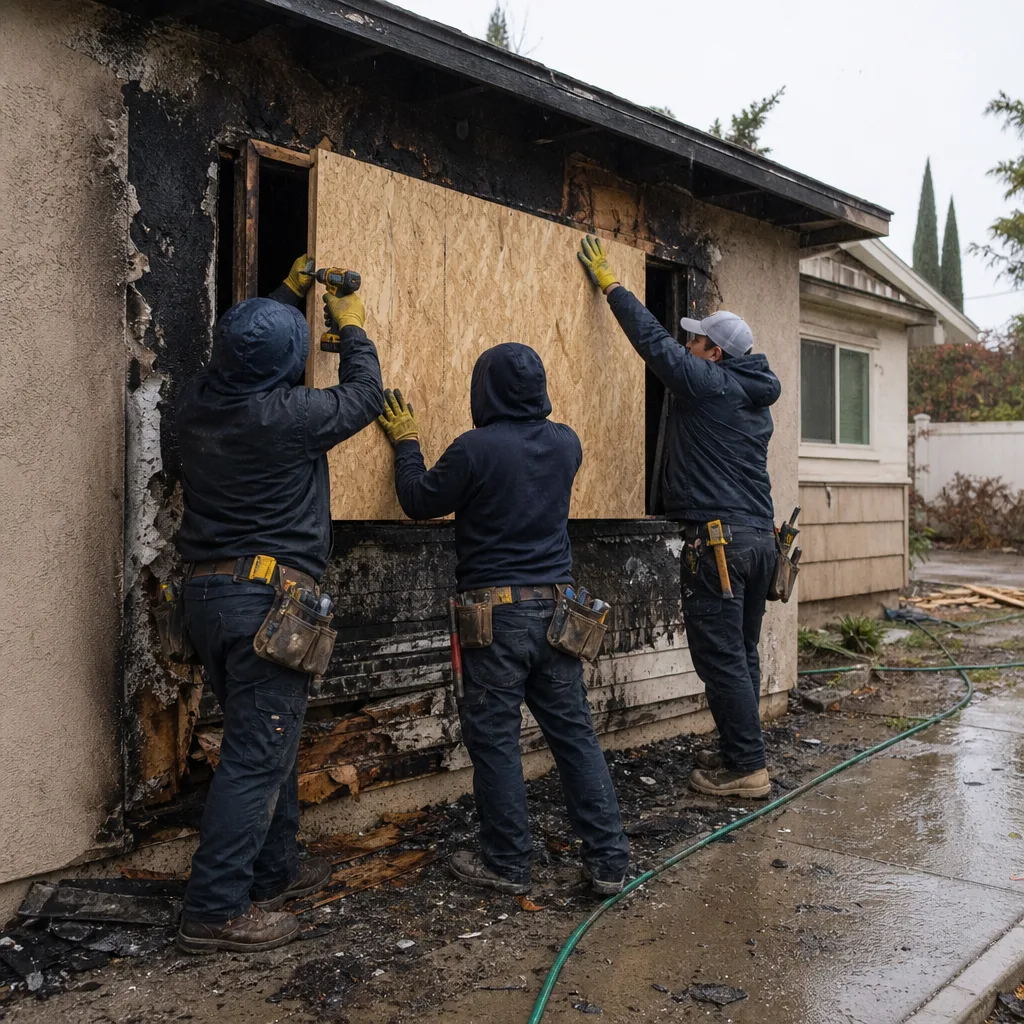
Emergency Board-Up & Tarping
Fire-rated plywood, weatherproof membrane, and ember-resistant sealing for WUI-zone properties. We board windows, doors, roof breaches, and garage openings. Our tarping holds through Santa Ana wind events - we have tested it. Documentation includes every linear foot of material and every hour of labor.
What happens when you call
- 1
A real person answersNo phone trees - you reach a local pro.
- 2
You get an upfront price rangeHonest numbers before anyone is dispatched.
- 3
A background-checked tech heads outLicensed & insured, dispatched right away.
- 4
You approve before work beginsNothing starts until you say go.
Fire & Smoke Damage Restoration Costs in Santa Clarita, CA
These are actual ranges for Santa Clarita’s market, based on 2024-2025 losses we have handled:
| Service | Typical Range |
|---|---|
| Emergency board-up & tarping | $850 - $2,400 |
| Light smoke damage cleanup (single room, surface soot) | $4,200 - $7,800 |
| Moderate damage with attic/HVAC contamination | $8,500 - $14,000 |
| Severe structural damage with reconstruction | $15,000 - $35,000+ |
| Contents pack-out, cleaning, and storage | $2,800 - $8,500 |
| Odor removal & deodorization (whole-home thermal fogging/ozone) | $1,800 - $4,200 |
What moves the price: affected square footage, smoke penetration depth, structural repairs needed, and whether contents require off-site cleaning. Insurance typically covers direct fire and smoke damage plus necessary mitigation; upgrades beyond pre-loss condition are homeowner-funded. We identify each category in your written scope before work begins. Haven Standard, Clause 1.
Call (747) 294-2725 for a free visual inspection and exact written price - estimates are free, and we will review any competitor’s written estimate at no charge.
We Also Serve Cities Near Santa Clarita
Our crews respond throughout the northern Los Angeles County corridor: Stevenson Ranch (immediately west, sharing Valencia’s tract-home stock), Castaic (north along I-5, rural-residential and equestrian properties with outbuilding fire risks), Sylmar (south via the 14, 2008 Sayre Fire burn area with similar WUI challenges), and San Fernando (southeast, older construction with distinct fire-spread patterns through shared walls). Fire & Smoke Damage Restoration in Santa Clarita is our core service, with regional coverage for contiguous communities.
Serving Santa Clarita, CA - Our Local Coverage Area
We’re based in the Santa Clarita area and know this community well. Use the map below to see our service coverage - if you’re nearby, we can almost certainly help.
Santa Clarita Fire & Smoke Damage Restoration Questions, Answered
Why does my Canyon Country home get smoke odor back after a fire restoration?
Incomplete attic insulation and HVAC duct cleaning is the cause in nearly every case we see. Santa Clarita’s 1980s-2000s tract homes were built with builder-grade fiberglass insulation that absorbs smoke particles and re-volatilizes them when temperatures exceed 95°F. Surface cleaning of visible soot without replacing contaminated insulation and duct lining is temporary. We replace insulation and clean ducts with mechanical brushing and HEPA vacuuming, then verify with air sampling. Call (747) 294-2725 for a second-opinion inspection if another company left odor behind.
Do I need a second restoration pass if it rains after a wildfire near my Saugus home?
Yes, if your property sits below burned slopes. Denuded chaparral cannot absorb rainfall, and debris flows carry sediment, ash, and contaminated soil into garages and crawlspaces. We plan for this sequence on every WUI-tract job in Saugus and Canyon Country. Our fire restoration scopes include drainage assessments and moisture-barrier recommendations specifically for the wet season. If you have already completed fire restoration and now face flooding, call us for extraction and structural drying - we will coordinate with your insurer as a related loss. Call (747) 294-2725.
How fast does mold grow in Santa Clarita after firefighting water sits in wall cavities?
24 to 48 hours in Santa Clarita’s climate. The same Santa Ana winds that spread fires rapidly desiccate surface moisture, but water trapped inside wall cavities stays wet. Summer temperatures above 105°F accelerate mold sporulation in dark, humid cavities. We establish vapor pressure differential with Injectidry and Phoenix dehumidification systems within hours of board-up, and we verify structural dryness with thermo-hygrometers before signing off. Missing this window is why mold appears in “restored” homes three months later. Call (747) 294-2725 for immediate moisture mapping.
What is a pack-out, and will you need to take my contents off-site after a fire?
A pack-out is the inventory, removal, cleaning, and storage of personal property during structural restoration. We barcode every item, photograph condition, and transport soft contents to our facility for ultrasonic cleaning. Hard contents are cleaned on-site or off-site depending on soot contamination type. Not every fire requires full pack-out - light smoke damage may allow on-site cleaning while you remain in unaffected rooms. We make this determination during inspection and include it in your written scope. Call (747) 294-2725 for a free assessment.
Can you handle both the fire damage and the debris-flow flooding at my Stevenson Ranch home?
Yes. Our FSRT and WRT-certified crews manage fire, smoke, water, and mold losses as integrated sequences, not separate vendors. After the Tick Fire, we restored a Valencia tract home for smoke and soot, then returned three months later for debris-flow extraction and structural drying when burned slopes shed sediment into the garage and crawlspace. One team, one documentation file, one adjuster relationship. We plan for both phases from the initial inspection. Call (747) 294-2725 for a scope that addresses your full risk profile.
How fast can you actually get to my Santa Clarita home after a fire?
45 minutes for addresses within Santa Clarita city limits. We maintain crew positioning for the valley’s emergency pattern and answer live 24/7. The first hour determines smoke migration extent and firefighting water penetration depth. We do not use answering services or callback queues for emergency lines. Call (747) 294-2725 - a real person will answer.
Will my insurance cover full fire and smoke restoration, or just cleanup?
Standard HO-3 and HO-5 policies cover direct fire and smoke damage plus necessary mitigation to prevent further loss. This includes board-up, water extraction, smoke and soot removal, odor treatment, contents cleaning, and structural repairs to pre-loss condition. Upgrades beyond pre-loss condition are homeowner-funded; we identify each category separately in your written scope. We bill your carrier directly and coordinate with your adjuster on documentation. Call (747) 294-2725 for a free inspection and insurance review.
What should I do in the first 30 minutes after a fire is extinguished?
Do not enter until the fire department clears the structure. Then: call us at (747) 294-2725 for immediate board-up and stabilization; open windows only if weather permits and structural integrity is confirmed; do not touch soot-covered surfaces (oils from skin set stains); and inventory visible damage with your phone camera for preliminary documentation. Do not attempt to clean or operate HVAC systems - this spreads contamination. We arrive with containment, HEPA scrubbers, and moisture detection equipment to prevent secondary damage.
After the Tick Fire, we ran smoke and soot remediation on a 1990s Valencia tract home where ash had been drawn into the attic insulation and ductwork - containment, HEPA scrubbing, antimicrobial treatment on affected framing, and a full pack-out of contents before we sealed the structure. Our tech replaced the builder-grade smoke-damaged insulation and logged moisture readings with Dri-Eaz and Phoenix equipment. Three months later, the first heavy rain pushed a debris flow down the burned slope above the neighborhood and sent water through the garage and crawlspace; we returned for extraction, structural drying with air movers and dehumidification, and a second scope of work - a sequence we now plan for on every fire job in the WUI tracts.
Written by Alicia Brennan, Owner at Back to Dry Restoration, serving Santa Clarita since 2011 under The Haven Standard.
Fire & Smoke Damage Restoration in Nearby Areas