
Last updated September 23, 2026
Free visual inspection and a written scope of work before any mitigation begins - photos, moisture readings, and drying logs go in your claim file
The scope we write is the scope we bill. Anything new gets shown to you, in writing, before we touch it.
 Before
 After
After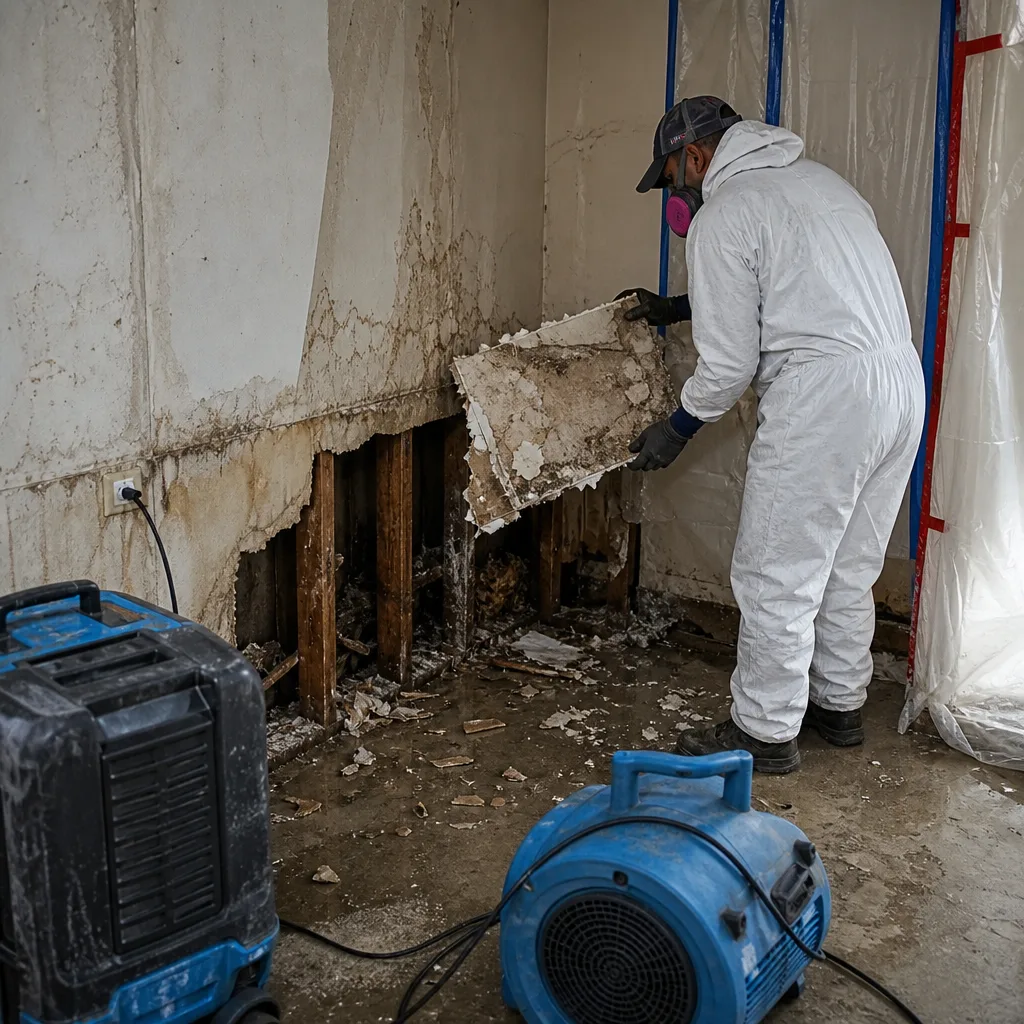 Before
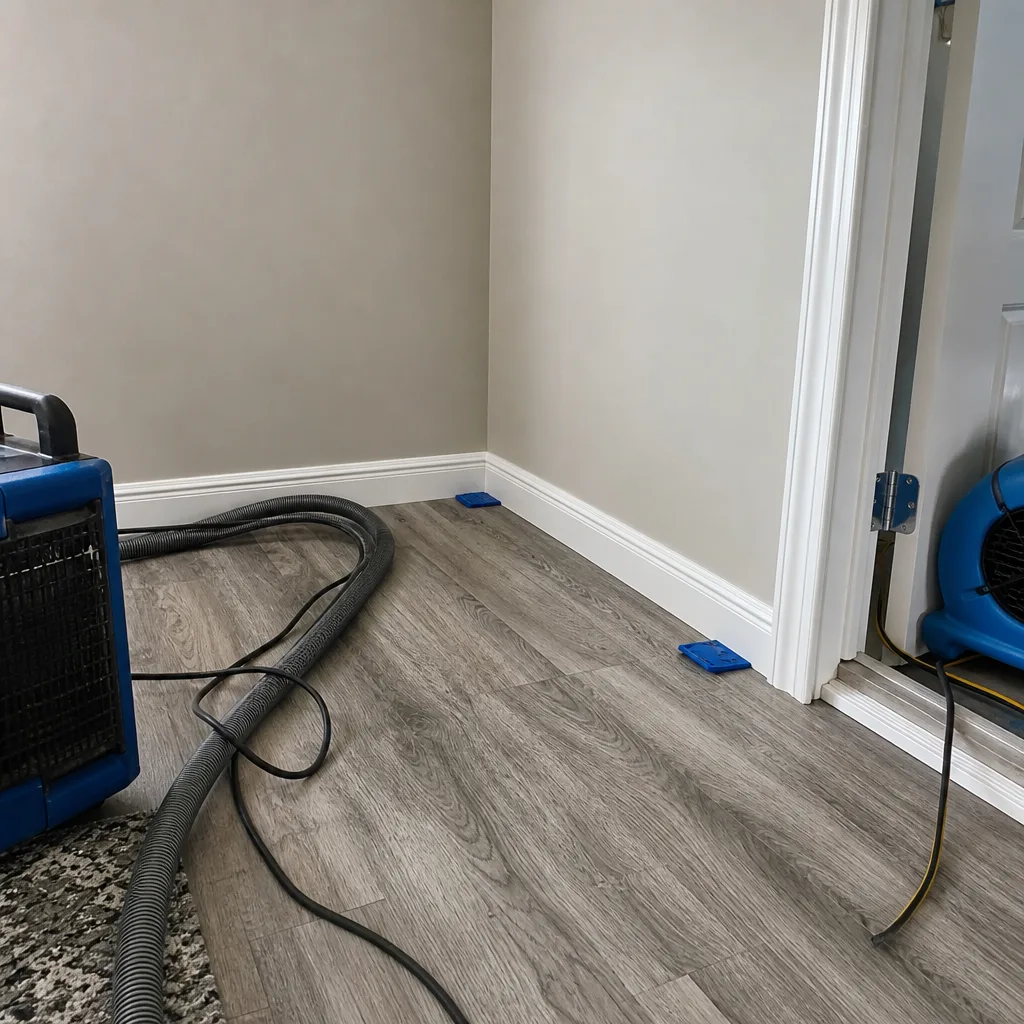 After
After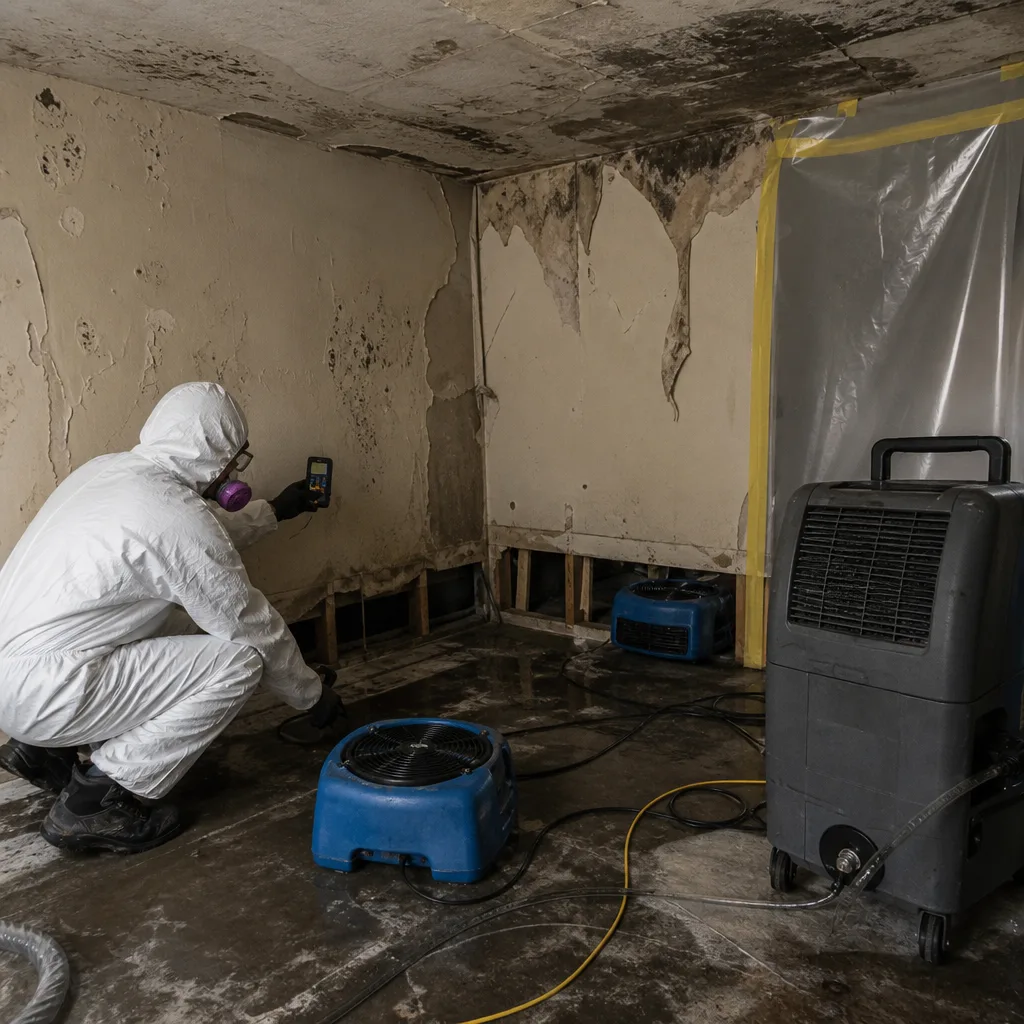 Before
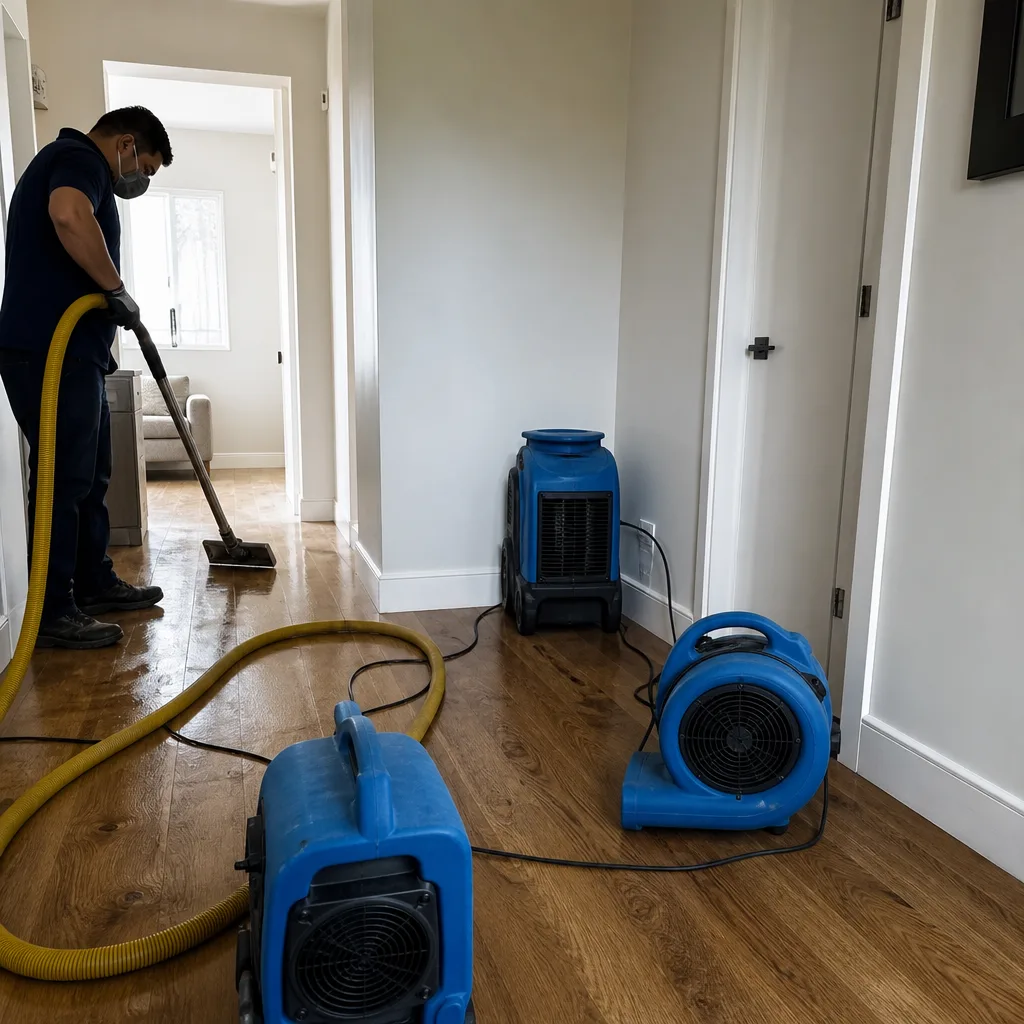 After
AfterWater Damage Restoration Maintenance Checklist for Santa Clarita Homeowners
Insurance adjusters in Los Angeles County classify roughly 30% of water damage claims as “long-term seepage” - an exclusion that leaves homeowners paying out of pocket. In Santa Clarita, where summer temperatures spike past 105°F and winter rains concentrate in January storms, that classification often comes down to one missing document: a baseline moisture reading taken before the damage ever started. A $35 consumer-grade pin meter and one afternoon of documentation can mean the difference between a covered claim and a $15,000 denial. Our Complete Guide to Damage Restoration in Santa Clarita turns vague “inspect your plumbing” advice into a measurable, recordable system that protects both your home and your policy.
Quick Answer
A water damage maintenance checklist for Santa Clarita homeowners should include quarterly inspections of six high-risk failure points - aging stucco, tile-roof penetrations, slab plumbing, HVAC condensate lines, hillside retaining drainage, and polybutylene pipe - with annual baseline moisture readings recorded by room and material type. These readings, photographed and date-stamped, become the evidence that proves damage is sudden and accidental rather than long-term seepage, which most policies exclude.
Table of Contents
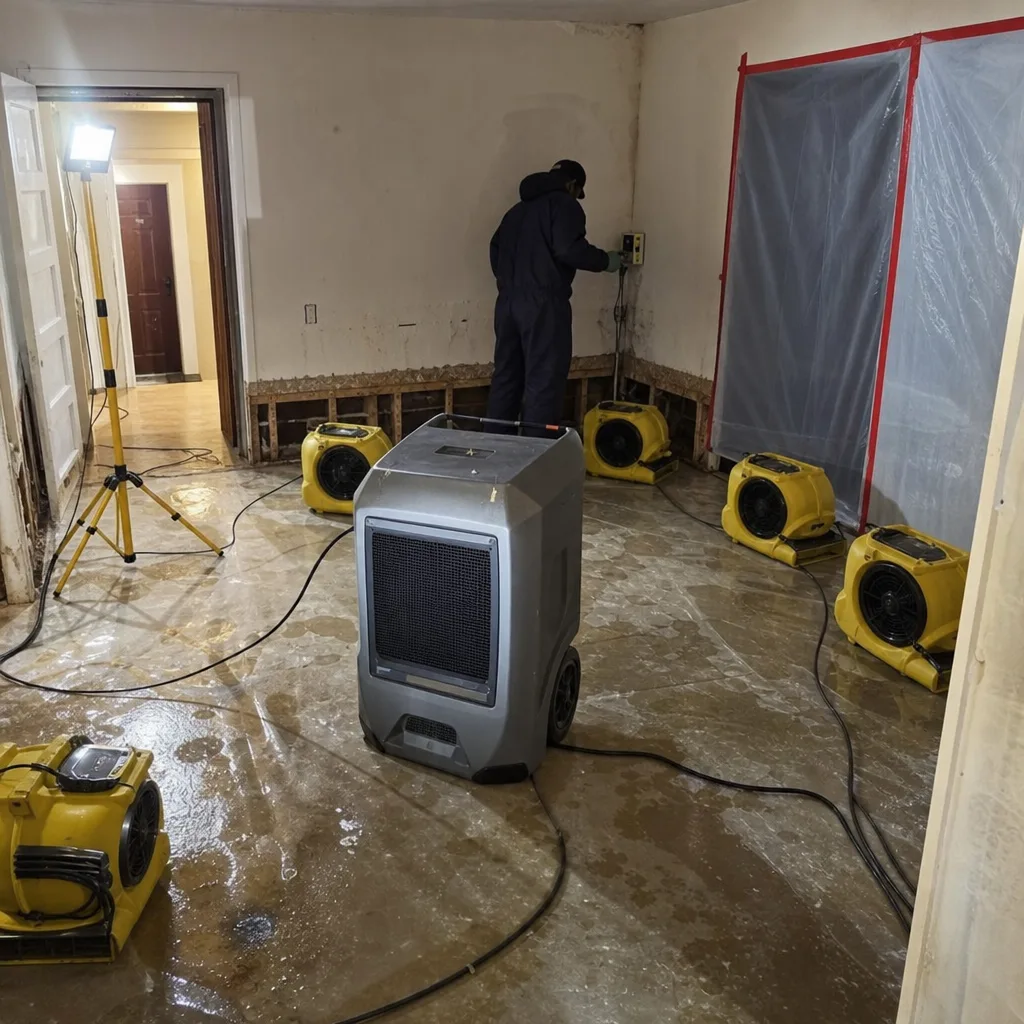
- Why Baseline Moisture Readings Matter More Than Visual Inspections
- The Six Highest-Probability Failure Points in Santa Clarita Homes
- Quarterly Maintenance Checklist: What to Check Every Season
- Annual Deep Inspection: Baseline Readings and Documentation
- How to Record Evidence That Adjusters Will Accept
- What Maintenance Gaps Look Like to an Adjuster
- Tools, Supplies, and Where to Find Them in Santa Clarita
- Common Mistakes to Avoid
- When to Call a Professional
- Frequently Asked Questions
 Before
 After
AfterWhy Baseline Moisture Readings Matter More Than Visual Inspections
Visual inspection catches about 40% of water damage risk. Moisture catches the rest.
In our work across Santa Clarita since 2011, we’ve opened walls that looked pristine from the outside and found studs at 28% moisture content - structural decay territory. We’ve also seen homeowners with legitimate sudden pipe bursts get their claims reduced because they had no documentation proving the wall was dry before the event.
A baseline reading is simply a moisture measurement taken when you know conditions are normal. Recorded properly, it becomes a timestamped benchmark. If a January storm sends water through a tile-roof penetration, your December reading of 9% on that rafter proves the damage is new. Without it, the adjuster notes “staining pattern consistent with gradual accumulation” and applies a depreciation schedule that can halve your payout.
Here’s what normal looks like in Santa Clarita’s climate:
- Framing lumber (rafters, studs): 6-12% moisture content in dry months, up to 15% after extended rain
- Drywall (interior walls): 5-9% in conditioned spaces, 10-12% in garages or unconditioned rooms
- Concrete slab edges: 3-5% with proper vapor barrier; readings above 8% suggest capillary moisture
- Subfloor (plywood or OSB): 7-11% in crawl spaces with adequate ventilation; 14%+ triggers concern
- Stucco substrate (behind weep screed): 10-16% depending on exposure; sudden jumps indicate breach
These ranges account for Santa Clarita’s specific conditions: low ambient humidity (averaging 45-55% annually), intense solar load on south and west exposures, and the rapid temperature swings between 40°F winter nights and 100°F+ summer days that stress building envelope materials differently than coastal climates.
The consumer-grade pin meters we recommend for homeowners - brands like Protimeter, General Tools, or Wagner - read in whole percentage points, which is sufficient for baseline documentation. Our crews use calibrated meters traceable to NIST standards, but your $35 tool establishes the evidentiary foundation. If damage occurs, we can re-measure with professional equipment and compare against your records.
Water Damage Restoration in Santa Clarita becomes significantly more straightforward when documentation exists from day one.
The Six Highest-Probability Failure Points in Santa Clarita Homes
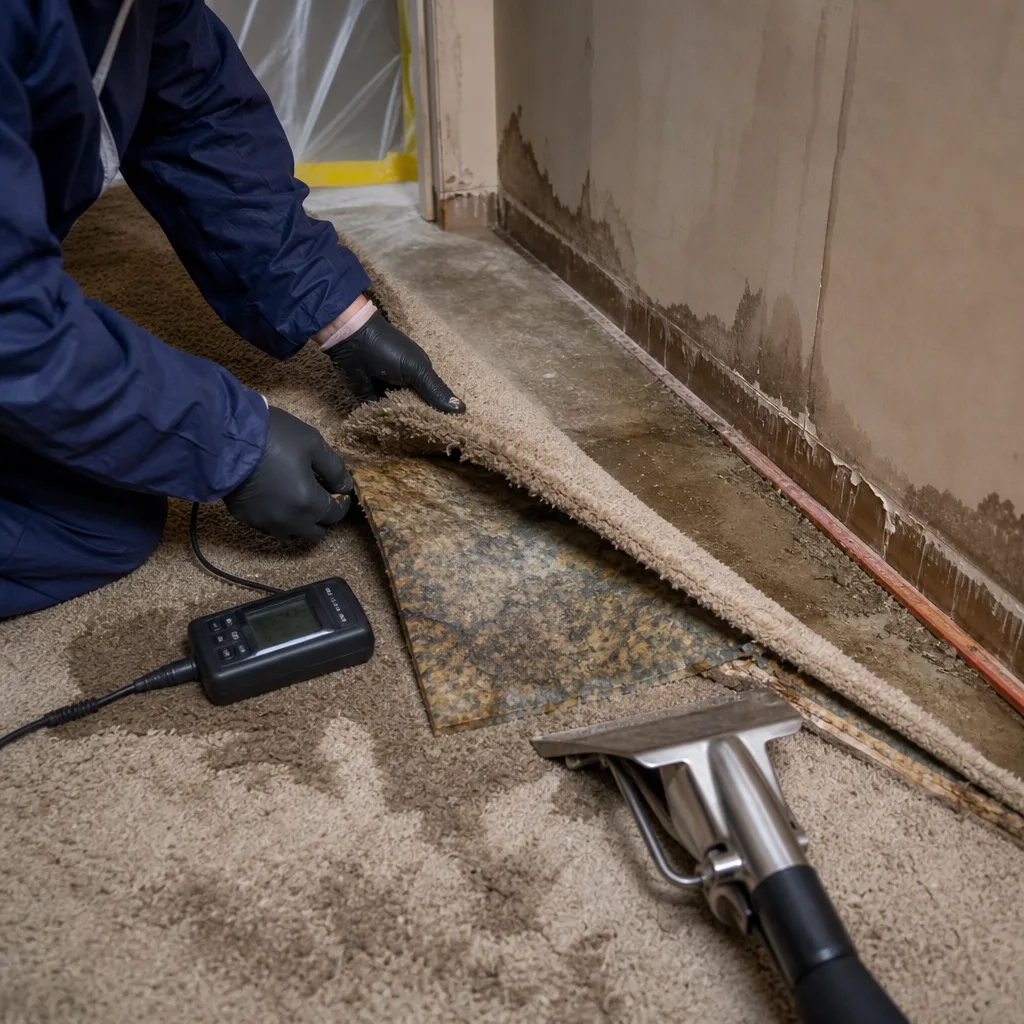
Santa Clarita’s housing stock has distinct risk profiles based on construction era, topography, and the SCV’s specific climate stressors. These six failure points account for roughly 70% of the water damage calls we receive in the 91350, 91354, 91355, 91381, 91382, and 91387 ZIP codes.
1. Aging Stucco and Weep Screed Compromise
Stucco homes built during Santa Clarita’s 1980s-2000s building boom are entering critical maintenance windows. Hairline cracking is normal; cracking with moisture readings above 18% behind the weep screed is not. In Canyon Country and Saugus, we’ve found original stucco with no secondary moisture barrier - just building paper that has degraded after 25-35 years of thermal cycling. Check the weep screed at ground level for blockage, and probe any efflorescence (white powdery deposits) with your meter.
2. Tile-Roof Penetrations and Valley Failures
Concrete tile roofs dominate Valencia and Stevenson Ranch. The tiles themselves last 50+ years, but the underlayment and flashings at penetrations - vents, chimneys, skylights - typically fail in 20-25 years. Santa Clarita’s Santa Ana wind events drive rain horizontally into these vulnerabilities. Inspect attic spaces below all roof penetrations after significant wind storms; a reading above 15% on rafters in these zones demands closer examination.
3. Slab Plumbing Leaks in Post-Tension Foundations
Many Santa Clarita tract homes, particularly in Westridge and Northbridge, use post-tensioned concrete slabs with copper or PEX water lines embedded below. Slab leaks are notoriously difficult to detect early because water migrates along the slab underside before surfacing. Hot spots on the floor, unexplained water bill increases, or meter movement when all fixtures are off are warning signs. Baseline slab-edge moisture readings help distinguish normal seasonal variation from active leaks.
4> HVAC Condensate Line Blockages and Overflow
Santa Clarita’s cooling load is extreme: 90°F+ days from May through October mean air conditioners run hard for months. Condensate lines clog with algae and dust, particularly in attic-mounted systems common in newer construction. The secondary drain pan is supposed to catch overflow, but pan corrosion or improper slope sends water into ceilings. Check the primary drain line exit monthly during cooling season; it should drip steadily when the system runs. No drip means blockage; water in the secondary pan means imminent overflow.
5. Hillside Retaining Wall and Yard Drainage Failure
Homes in Sand Canyon, Placerita Canyon, and the hillside neighborhoods above Bouquet Canyon depend on retaining walls and perimeter drains that clog with Santa Clarita’s fine, decomposed granite soil. When these fail, hydrostatic pressure drives water through foundation walls. Look for water staining on basement or lower-level walls, and measure moisture at the base of these walls seasonally. Readings that climb from 8% in October to 18% in February indicate drainage compromise, not just seasonal variation.
6. Polybutylene Pipe in Pre-2000 Tract Homes
Polybutylene (“poly-b”) piping, common in Santa Clarita construction from 1985-1995, has a documented failure rate that increases dramatically after 20 years. The pipe degrades from the inside; visible damage appears only after catastrophic failure. If your home has poly-b (gray plastic pipe at water heater connections or visible in crawl spaces), replacement is the only reliable prevention. Until then, quarterly pressure tests and moisture readings at connection points provide early warning.
Quarterly Maintenance Checklist: What to Check Every Season
Quarterly checks focus on active systems and seasonal stress points. Each task below should take 30-45 minutes; record results in a dedicated log.
Spring (March-May): Post-Rain Assessment
- Inspect all ceiling surfaces for new staining, particularly below roof penetrations and at exterior wall-ceiling junctions
- Check attic with flashlight for wet insulation, darkened sheathing, or mold spotting; measure moisture on any discolored rafters
- Test exterior ground slope: water should flow away from foundation for at least 6 feet; note any settling or erosion
- Verify downspout discharge is clear and extends 3+ feet from foundation; Santa Clarita’s intense spring sun can crack flexible extensions
- Run all fixtures and check under-sink cabinets with your moisture meter; readings above 12% on cabinet bases warrant investigation
Summer (June-August): Cooling System Stress
- Verify primary condensate line flow at exterior exit; clean with wet/dry vacuum if flow is weak or intermittent
- Inspect secondary drain pan in attic for standing water, rust, or improper slope toward drain
- Check exterior stucco for new cracking, particularly on south and west exposures where thermal expansion is maximum
- Measure slab perimeter moisture; summer baselines should be lowest of the year due to low ambient humidity
- Inspect irrigation system for overspray onto stucco or foundation; Santa Clarita’s water restrictions often lead to schedule changes that create new wetting patterns
Fall (September-November): Pre-Rain Preparation
- Clean gutters and downspouts; Santa Clarita’s oak and sycamore leaf drop concentrates in November
- Inspect tile roof for cracked or displaced tiles, particularly along ridges and in valleys
- Check weatherstripping on exterior doors and windows; wind-driven rain exploits gaps that summer heat has enlarged
- Verify sump pump operation if installed; test float switch and discharge line
- Document pre-rain baseline moisture readings in all rooms - this is your most important annual record
Winter (December-February): Storm Response
- Inspect interior within 24 hours of significant rain; early detection limits damage spread
- Check crawl space or basement for standing water after sustained rain
- Monitor hillside drainage and retaining wall performance; note any new seepage or soil saturation
- Verify water heater pan and connections; cold inlet water increases thermal stress on fittings
- Re-measure all baseline locations and compare to fall readings; document any increases exceeding 5 percentage points
Annual Deep Inspection: Baseline Readings and Documentation
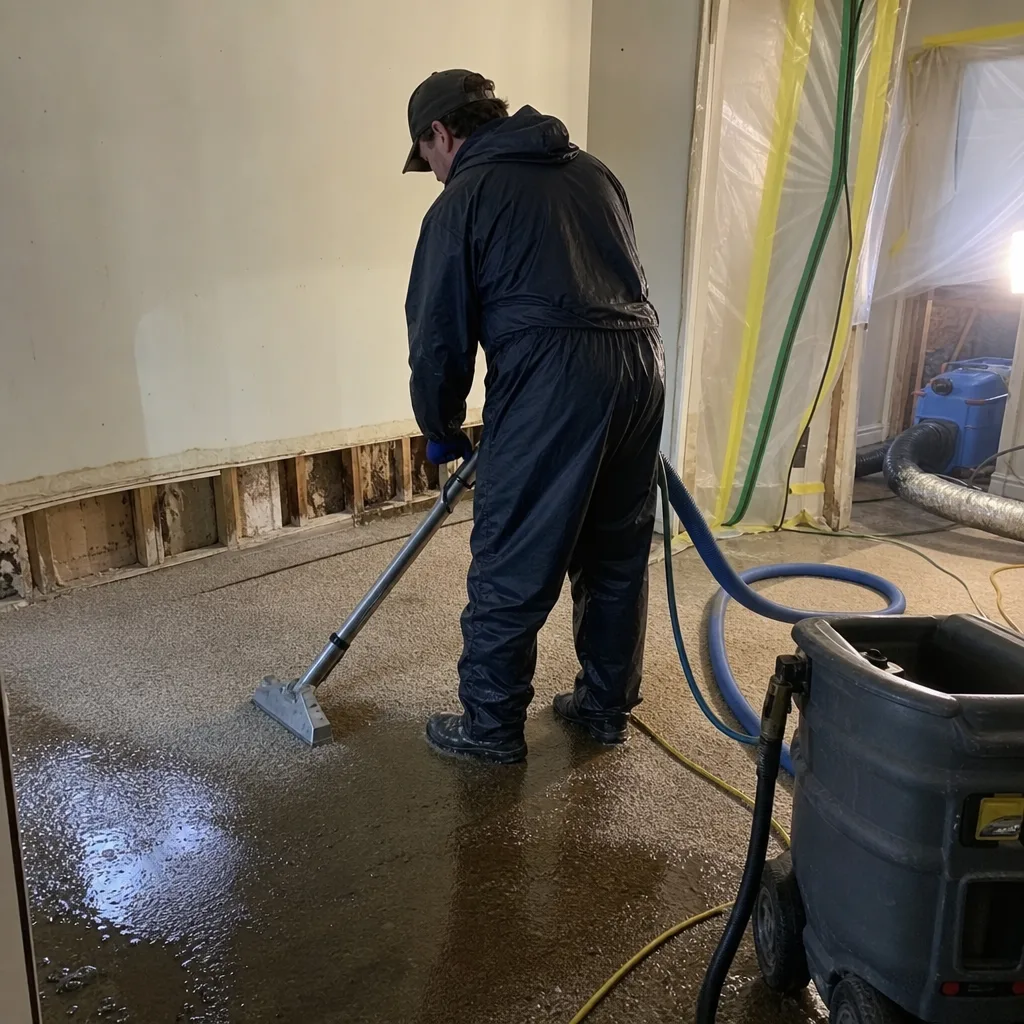
The annual inspection establishes your evidentiary foundation. Schedule this for early October, before Santa Clarita’s rainy season begins.
You’ll need: pin-type moisture meter, infrared thermometer (optional, helpful for finding temperature anomalies that suggest moisture), smartphone with date-stamp camera setting, and a printed log sheet or dedicated spreadsheet.
Step-by-Step Room-by-Room Protocol
- Label each measurement location precisely. “Living room, north wall, 18 inches from floor, drywall” - not “living room wall.” Precision matters if you need to prove a later reading represents new damage.
- Measure at consistent heights. For drywall, 18 inches and 48 inches from floor captures both splash zone and normal breathing line. For framing, probe through electrical box openings or at baseboard removal points if accessible.
- Take three readings per location and average them. Wood grain orientation affects pin resistance; averaging reduces error.
- Photograph each reading with the meter display visible and a written location card in frame. The date stamp must be camera-native, not added in post-processing.
- Record ambient conditions: temperature, relative humidity if you have a hygrometer, and recent weather (days since rain, etc.).
- Store digital copies in three locations: cloud storage, local drive, and email to yourself. Physical log in a fire-resistant document bag.
Minimum Measurement Grid
| Location | Material | Normal Range (Santa Clarita) | Action if Elevated |
|---|---|---|---|
| Exterior walls, ground level | Drywall / stucco substrate | 5-12% | Inspect weep screed, grade slope, irrigation |
| Ceiling below roof penetrations | Drywall, insulation | 5-10% | Attic inspection, roof repair |
| Kitchen / bath walls | Drywall, tile backer | 5-11% | Plumbing inspection, grout/seal check |
| Crawl space / basement walls | Concrete, CMU | 3-8% | Drainage, vapor barrier, dehumidification |
| Slab perimeter | Concrete edge | 3-6% | Plumbing pressure test, soil drainage |
| Attic rafters | Framing lumber | 6-12% | Roof, ventilation, exhaust duct inspection |
| Garage walls (shared with house) | Drywall, framing | 5-12% | Seal penetrations, check water heater |
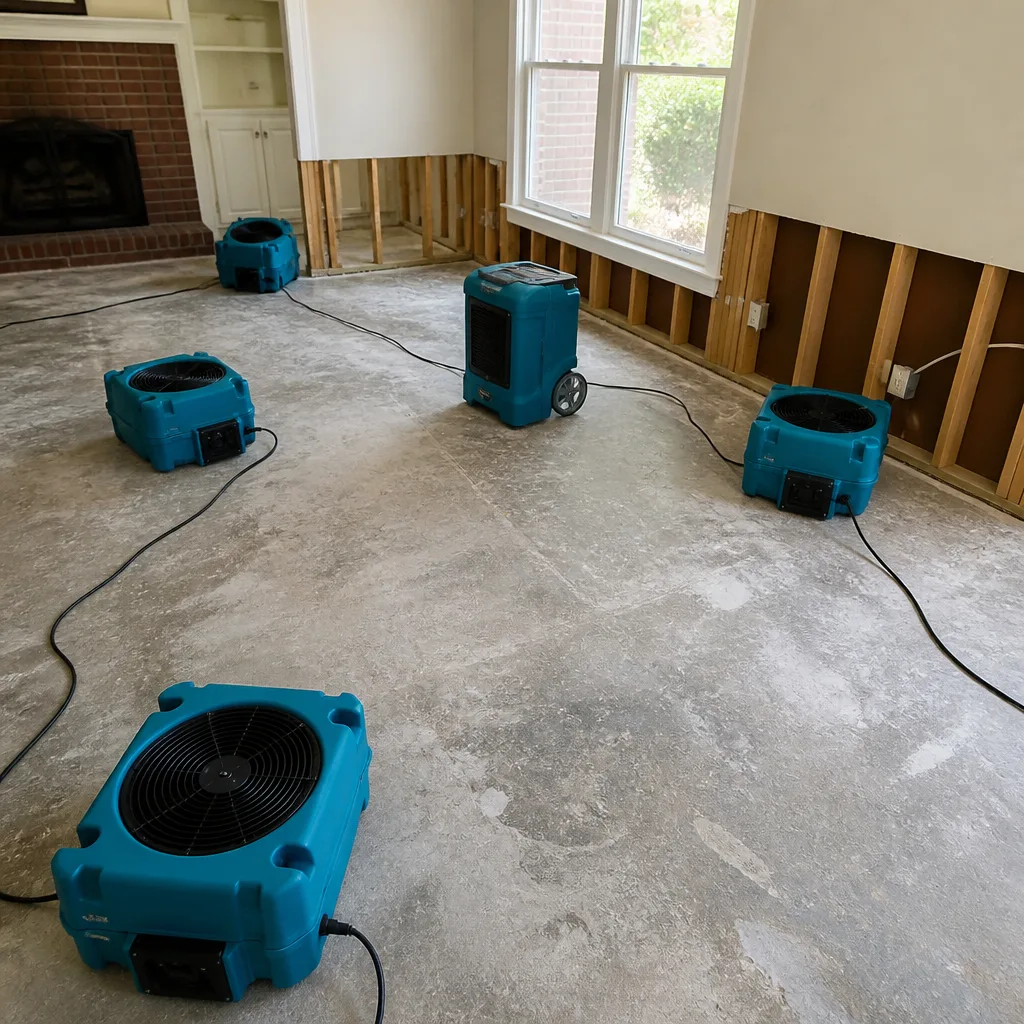
Our crews document to IICRC, RIA, and IFA standards using professional-grade drying systems from Dri-Eaz, Phoenix, and XPOWER. Your homeowner documentation won’t match that precision, but it establishes the temporal baseline that makes professional Water Damage Restoration services meaningful.
How to Record Evidence That Adjusters Will Accept
Documentation fails in claims disputes for predictable reasons: no date verification, no location specificity, no chain of custody, or no contemporaneous notes. Here’s how to avoid each failure mode.
Date integrity: Use camera-native date stamps, not app overlays that can be altered. Most smartphones embed EXIF data automatically; verify this is enabled. Print key photos with date borders for physical files.
Location specificity: “Master bedroom, east wall, between windows, 24 inches from floor” is admissible. “Bedroom wall” is not. Sketch a floor plan with measurement points numbered, and photograph the sketch with the meter visible.
Contemporaneous notes: Write observations at the time of measurement, not from memory later. “No visible staining, meter reads 8%, no musty odor” - this description, dated and signed, carries weight that a bare number does not.
Witness or second party: If possible, have a second person present and note their name. For high-value homes in Valencia or Stevenson Ranch, consider having your annual inspection performed by a licensed home inspector who provides a formal report.
Storage redundancy: Cloud services fail, phones get replaced, hard drives die. Email copies to a dedicated address, store on at least one physical medium, and consider a safe deposit box for the annual comprehensive record.
The DryMark Restoration Santa Clarita home page includes additional resources on documentation standards for homeowners preparing for potential claims.
What Maintenance Gaps Look Like to an Adjuster
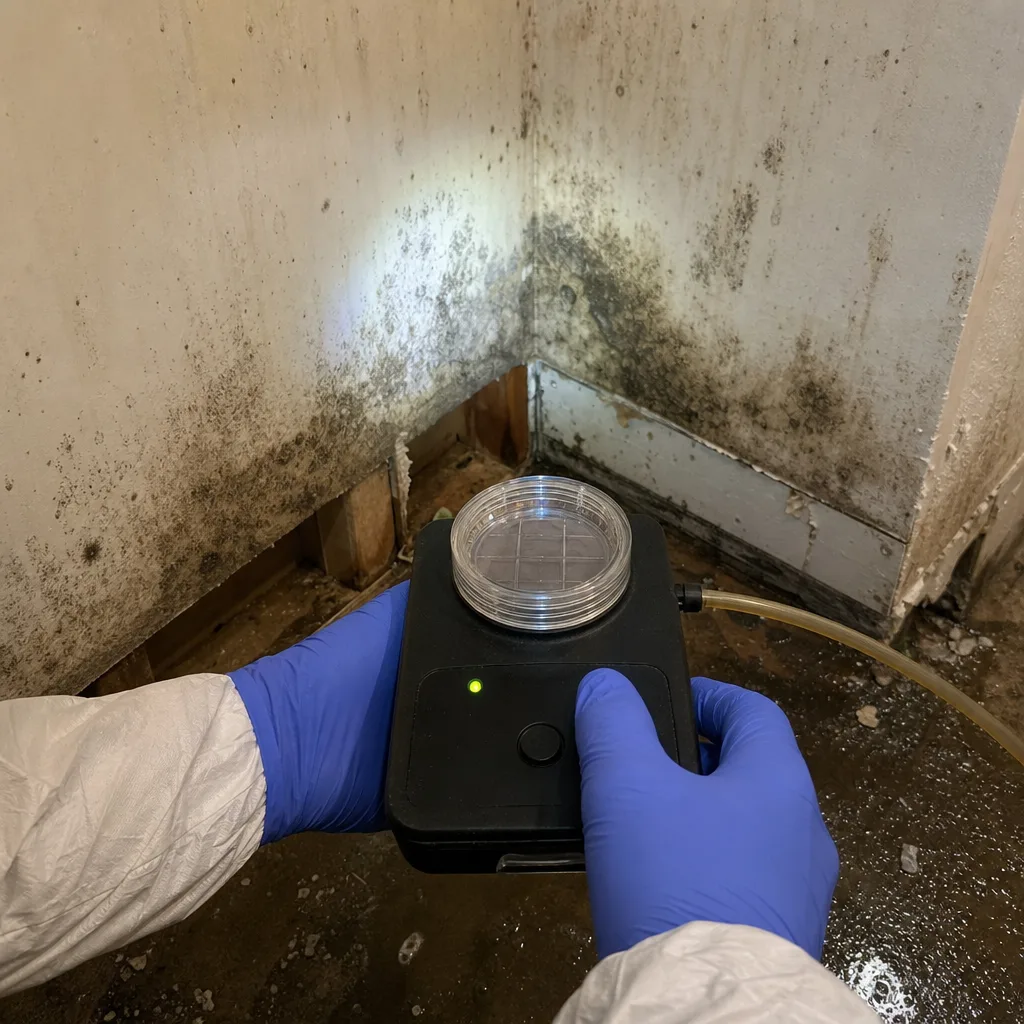
Los Angeles County adjusters see the same maintenance failures repeatedly. Understanding their perspective helps you avoid the classifications that reduce or deny claims.
“Long-term seepage” vs. “sudden and accidental”: This is the coverage battleground. Policies cover sudden events - pipe bursts, storm damage, appliance failures. They exclude gradual damage the homeowner should have addressed. The difference often comes down to documentation of when the damage started.
These specific maintenance gaps trigger the most disputes:
- Failed caulking around windows or doors, unreplaced for 2+ years: Adjusters argue water entry was gradual and preventable. Annual inspection and re-caulking records defeat this.
- Known roof leaks with temporary repairs only: A tarp left in place for multiple rain seasons indicates awareness and neglect. Document the temporary nature, the weather that prevented permanent repair, and the permanent repair date.
- Polybutylene pipe with documented prior leaks: If you’ve had one poly-b failure and haven’t replaced the system, subsequent damage is often classified as maintenance deferral. Replacement records or a formal plumber’s recommendation letter protect you.
- Crawl space moisture above 20% with no dehumidification or ventilation improvement: Structural decay from chronic moisture is excluded. Baseline readings showing sudden spike after a specific event prove causation.
- HVAC condensate overflow with algae-blocked lines: Annual cleaning records show reasonable maintenance. No records suggest neglect.
- Hillside drainage failure with visible erosion or settlement: Geotechnical issues are complex, but documented attempts to maintain drainage - cleared drains, repaired downspouts, grading corrections - support coverage arguments.
In Santa Clarita’s competitive insurance market, carriers are increasingly deploying moisture mapping and thermal imaging at claim sites. Your baseline documentation should anticipate this scrutiny.
Tools, Supplies, and Where to Find Them in Santa Clarita
Consumer-grade tools are sufficient for baseline documentation. Here’s what we recommend and where to source it locally.
Moisture meters: Protimeter Surveymaster or General Tools MMD4E, available at Home Depot on Soledad Canyon Road or Lowe’s on Magic Mountain Parkway. Expect $35-$75. Verify pin-type, not pinless - pins penetrate surface finishes to measure substrate moisture.
Infrared thermometer: Fluke 62 MAX or equivalent, $50-$100 at Grainger’s Santa Clarita will-call or online. Useful for finding cold spots that indicate evaporative cooling from hidden moisture.
Documentation supplies: Rite in the Rain waterproof notebooks (available at REI or online), permanent markers, location cards you can write and photograph. For digital logging, a simple spreadsheet with columns for date, location, reading, ambient conditions, and notes.
Replacement materials for minor maintenance: Quality exterior caulk (OSI Quad or Sikaflex) for stucco and trim; roof cement for temporary tile repairs; condensate line cleaning brushes and algae tablets for HVAC maintenance. Santa Clarita’s extreme UV exposure degrades cheap caulk in 12-18 months; buy the good stuff.
For homeowners who prefer professional baseline documentation, Mold Remediation in Santa Clarita services often include moisture mapping that can serve dual purposes - mold assessment and baseline record.
Common Mistakes to Avoid
- Measuring only visible water. By the time water is visible, damage is advanced. Baseline readings of normally dry areas reveal problems before they surface.
- Using pinless meters on uneven surfaces. Pinless meters scan a broad area and average readings; they’re fooled by texture variations in stucco or tile. Pin meters probe the actual material of concern.
- Ignoring Santa Clarita’s thermal mass effects. Concrete and tile hold temperature. A “normal” reading taken at 3 PM on a 105°F day may not reflect overnight conditions. Measure at consistent times, ideally morning.
- Storing records only on your phone. Phones fail, get replaced, or have data corrupted. The claim you need to prove may come three years after the baseline was taken.
- Waiting for visible mold to inspect. Mold indicates sustained moisture above 16% in cellulose materials. Your meter should catch this at 12% - four to six weeks earlier.
- Assuming new construction doesn’t need inspection. Santa Clarita’s rapid construction in 2020-2023 included homes with defective stucco application, improperly sloped condensate lines, and unsealed roof penetrations. Age doesn’t guarantee performance.
- Documenting without location precision. “Kitchen: 10%” is useless in a dispute. “Kitchen, north wall, 18 inches from floor, left of range: 10%” is evidence.
When to Call a Professional
Call for professional assessment when: moisture readings exceed normal ranges by more than 5 percentage points from your baseline; you find active dripping, standing water, or saturated materials; there’s any musty odor indicating microbial growth; or your insurance company requests documentation you cannot provide. For Fire & Smoke Damage Restoration in Santa Clarita or water damage concerns, professional documentation becomes essential when structural materials are involved or when health hazards like sewage or mold are present.
For a Damage Restoration Cost Breakdown: The Santa Clarita Homeowner’s Reference for 2026, call DryMark Restoration Santa Clarita at (747) 294-2725 for a free estimate. Every estimate includes a written scope and price before any work begins, documented photo records on every visit, and our 365-Day Done Right Promise backed by The Haven Standard.
Frequently Asked Questions
A reliable pin-type moisture meter costs $35-$75 and is worth the investment for any homeowner with insurance. In Santa Clarita’s climate, where thermal stress accelerates material failure, early detection of elevated moisture can prevent thousands in uncovered damage. The meter pays for itself if it catches one issue before it becomes a claim dispute. Call (747) 294-2725 for a free estimate if your readings concern you - estimates include a written price before any work starts.
Insurance companies accept homeowner documentation that is dated, location-specific, and contemporaneously recorded. The key factors are consistency (same meter, same locations, same protocol) and integrity (camera-native date stamps, not app overlays). Professional moisture mapping strengthens the record but is not required for baseline establishment. If damage occurs, we can re-measure with calibrated equipment and compare against your records. Call (747) 294-2725 for documentation guidance.
Take comprehensive baseline readings annually, ideally in early October before the rainy season. Take targeted readings quarterly at high-risk locations: roof penetration areas in spring, HVAC components in summer, drainage systems in fall, and slab perimeters in winter. After any significant weather event or plumbing work, add an immediate spot-check. For homes with polybutylene pipe or known stucco issues, increase frequency to monthly at those specific locations.
Failed caulking and sealant maintenance around windows, doors, and roof penetrations is the most common dispute trigger. Adjusters classify resulting damage as “long-term seepage” because the failure mode is gradual and visible to inspection. Homeowners who document annual caulking inspection and replacement - with photos and receipts - successfully rebut this classification. The second most common is polybutylene pipe with documented prior leaks but no replacement.
Pin meters work on the wood substrate beneath tile and stucco if you can access it - typically in attic spaces or through weep screed openings. They do not read accurately through intact tile or stucco directly. For exterior surfaces, look for secondary indicators: efflorescence, staining, or soft spots. Infrared thermometers help identify temperature anomalies that suggest moisture behind the surface. For definitive assessment of tile roof or stucco condition, professional inspection with moisture mapping is appropriate.
A gradual increase indicates a developing problem that will eventually fail catastrophically. Investigate the source systematically: check for plumbing leaks, drainage compromise, or envelope breach. Document the trend - adjusters may still classify the eventual damage as gradual, but your documentation of awareness and attempted diagnosis supports arguments for coverage of the sudden failure component. Contact a professional restoration company for moisture mapping and source identification before the failure occurs. DryMark Restoration Santa Clarita provides free estimates with written scopes - call (747) 294-2725.
The Bottom Line
Water damage prevention in Santa Clarita is not about avoiding all risk - it’s about documenting the condition of your home so precisely that when damage occurs, you can prove it was sudden and accidental. A $35 moisture meter, one afternoon annually, and disciplined record-keeping transform you from a vulnerable claimant into a prepared homeowner. The six failure points we’ve outlined - aging stucco, tile-roof penetrations, slab plumbing, HVAC condensate, hillside drainage, and polybutylene pipe - are specific to this market and this climate. Address them with measurable attention, and your maintenance checklist becomes the evidence that protects both your home and your policy. See our more guides & resources for additional protection strategies.
For homeowners who prefer professional baseline documentation, or when readings indicate concern, DryMark Restoration Santa Clarita provides free estimates with written prices before any work begins, documented photo records on every visit, and the 365-Day Done Right Promise under The Haven Standard. Call (747) 294-2725 to schedule.
Written by Alicia Brennan, Owner at DryMark Restoration Santa Clarita, serving Santa Clarita since 2011.