
Last updated September 23, 2026
Free visual inspection and a written scope of work before any mitigation begins - photos, moisture readings, and drying logs go in your claim file
The scope we write is the scope we bill. Anything new gets shown to you, in writing, before we touch it.
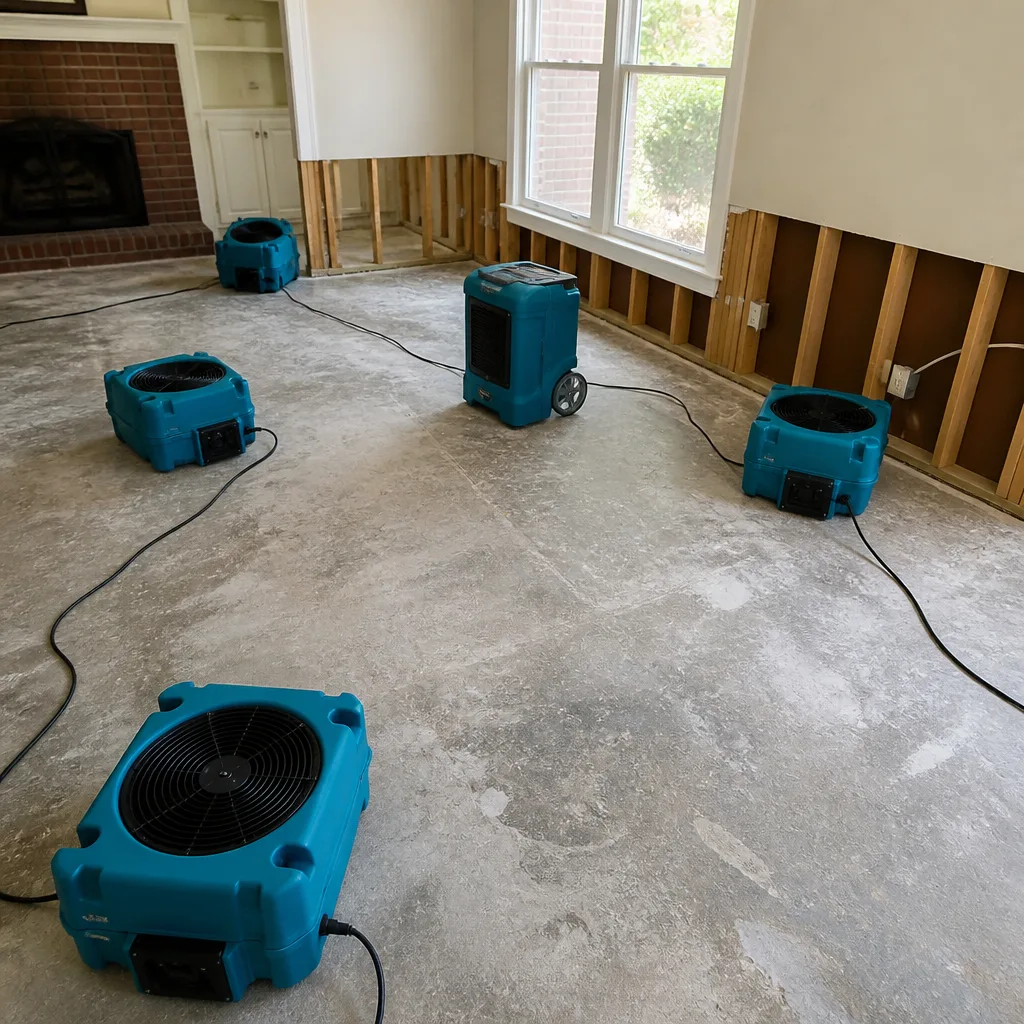
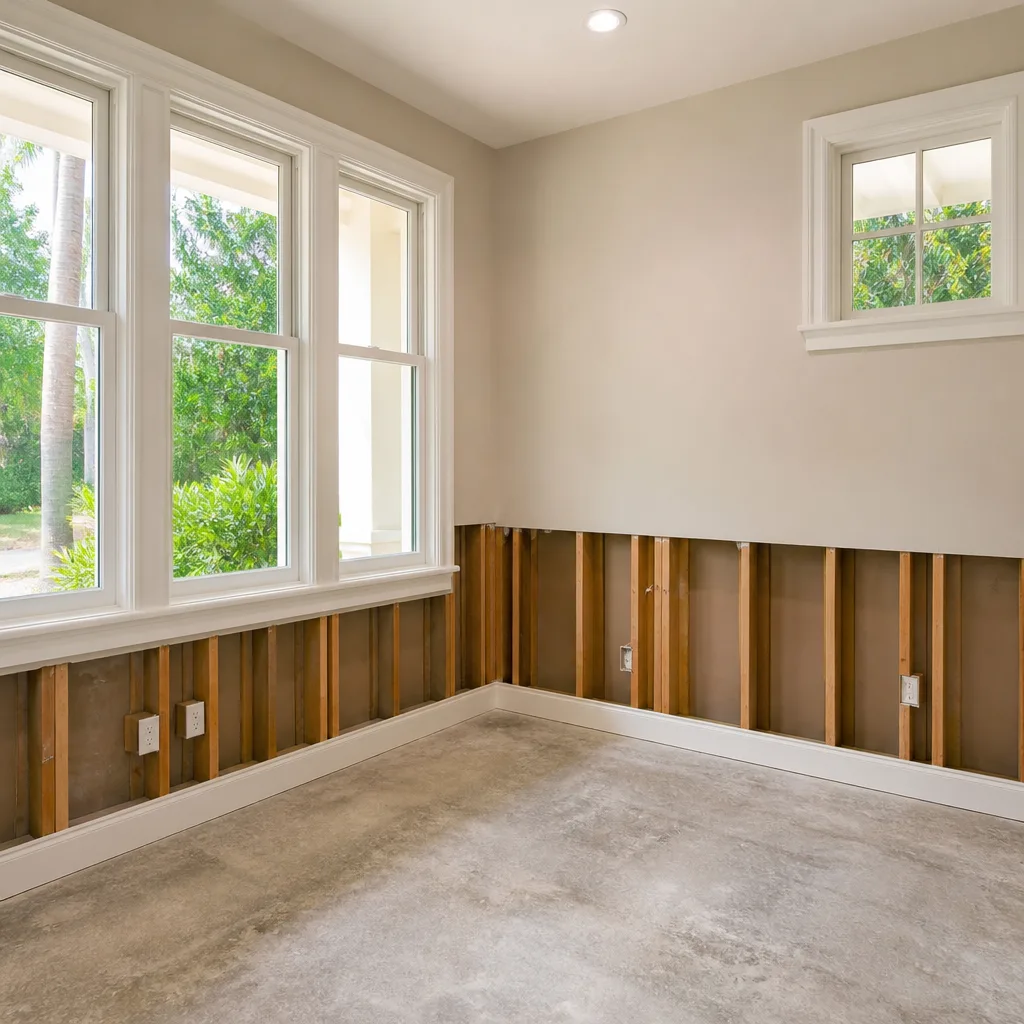
 Before
 After
After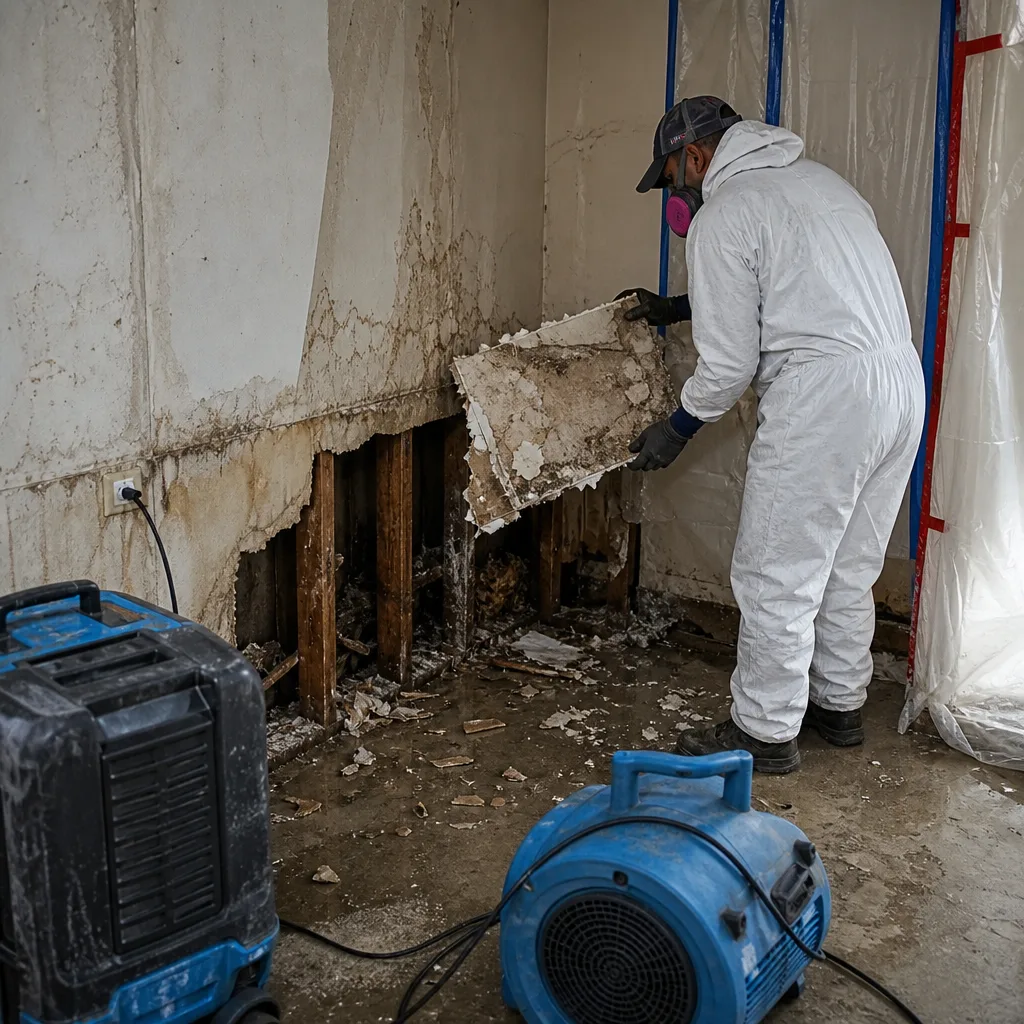 Before
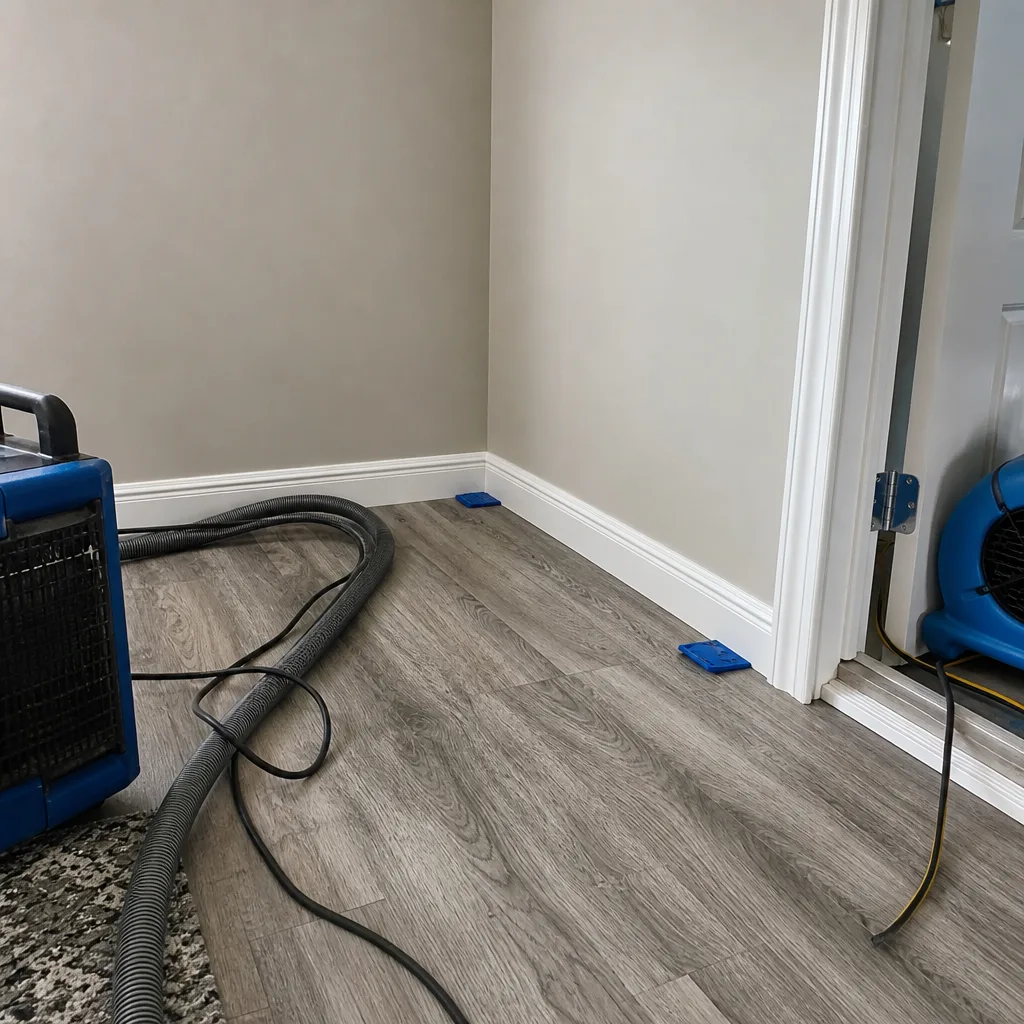 After
After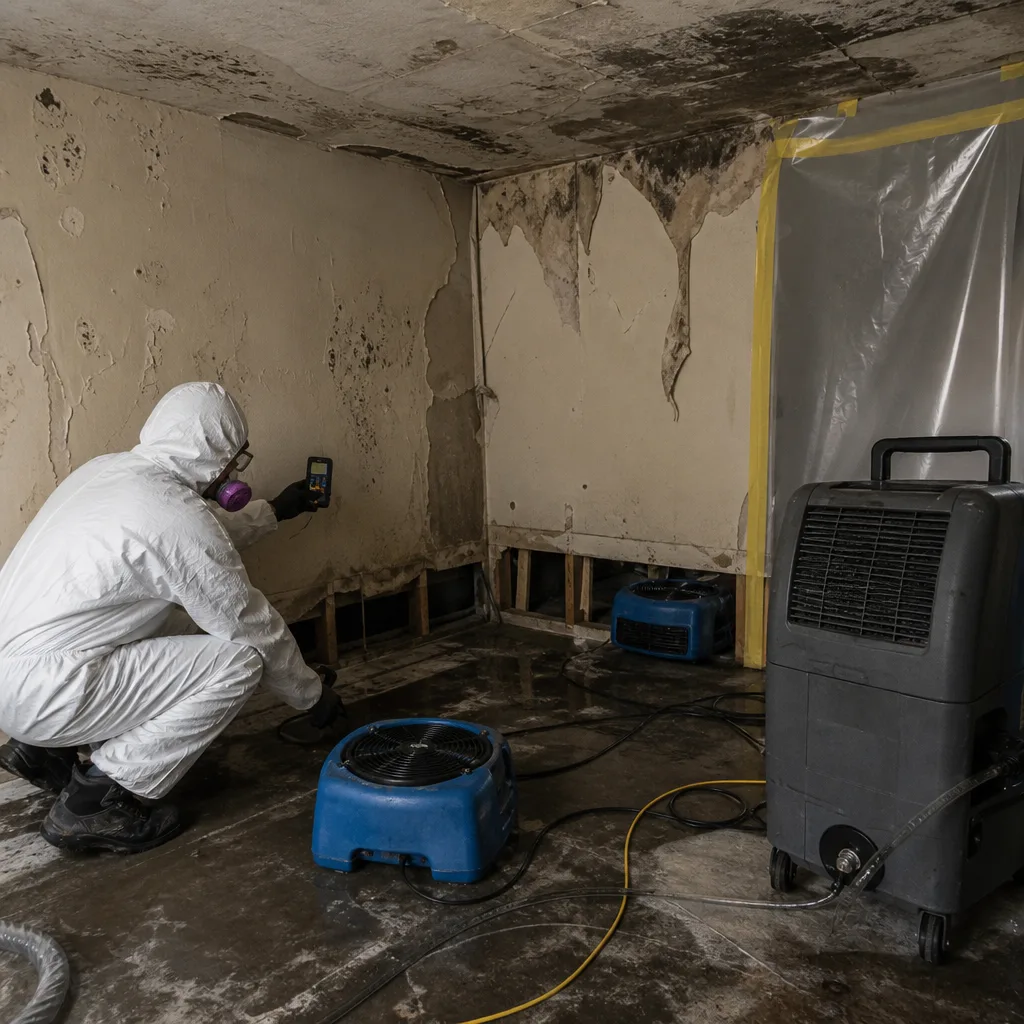 Before
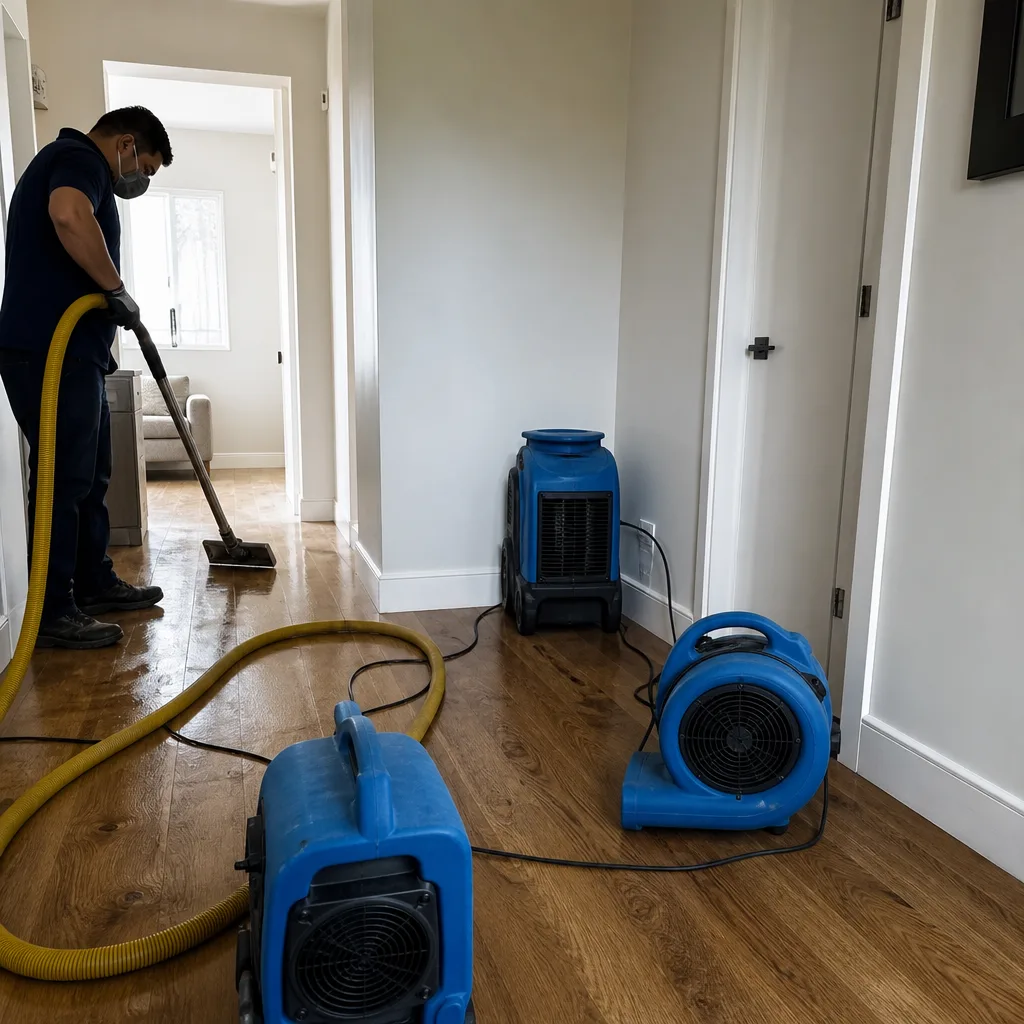 After
AfterDIY vs Professional Damage Restoration: The Santa Clarita Homeowner’s Decision Guide
Here’s the pattern we’ve seen across 12,000 homes since 2011: the homeowner who successfully dries a small bathroom leak themselves, documents nothing, and feels proud of the $400 saved has actually created an undocumented loss history. When the next claim hits that property, the adjuster sees a prior water loss with zero drying logs, no moisture readings, and no equipment calibration records. That “savings” becomes a coverage negotiation that costs thousands. In Santa Clarita’s resale market, where homes in Valencia, Stevenson Ranch, and Saugus routinely trade above $700,000, an undocumented water loss can trigger mold disclosure requirements that stall or kill a deal entirely. This guide will show you exactly where the DIY line sits, what documentation actually matters, and how to decide without guessing. For more guidance, explore our How to Hire a Damage Restoration Contractor in Santa Clarita: A Step-by-Step Guide.
Quick Answer
DIY damage restoration is technically adequate only for contained Category 1 water events under 10 square feet with no affected structural materials, no insurance claim being filed, and no intention to sell the property within five years. For every other scenario in Santa Clarita, professional documentation, drying logs, and equipment calibration records are required to protect your claim, your resale value, and your liability exposure under California Civil Code §1102.
Table of Contents
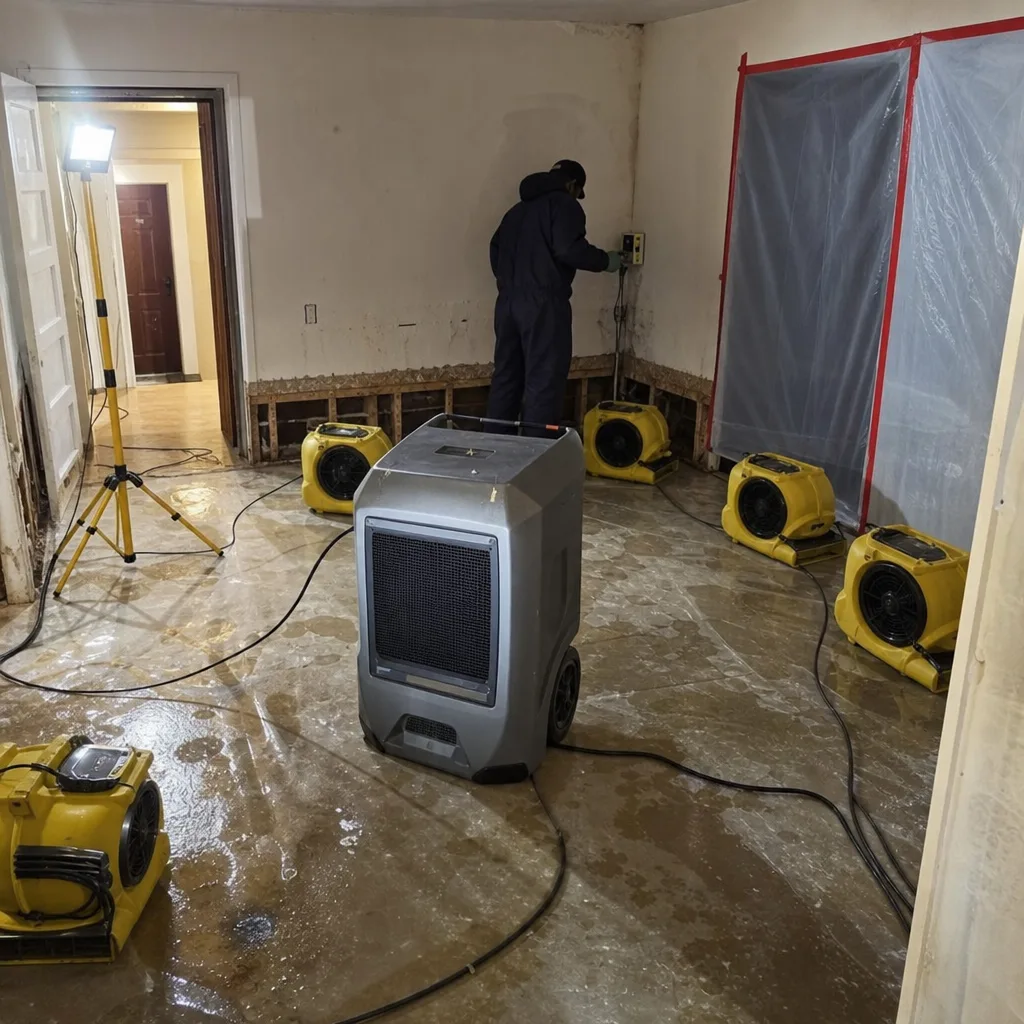
- What Category and Classification Actually Mean
- The Documentation Gap: Why DIY Fails at Claim Time
- Consumer vs. Commercial Equipment: The Measurable Gap
- California Mold Disclosure and Your Resale Risk
- The Four-Question Decision Matrix
- When DIY Actually Works: Three Safe Scenarios
- The True Cost of Undocumented Restoration
- What Professional Documentation Looks Like
 Before
 After
AfterWhat Category and Classification Actually Mean
Restoration professionals sort water damage by contamination level (Category) and how much of the structure is wet (Class). These terms aren’t jargon for jargon’s sake. They determine what equipment is needed, what safety protocols apply, and whether your insurer will pay without a fight.
Categories of Water Contamination:
- Category 1 (“Clean Water”): Originates from a sanitary source - supply line break, tub overflow, melting ice. No immediate health risk, but degrades to Category 2 within 24-48 hours of contact with building materials.
- Category 2 (“Gray Water”): Contains significant contamination - dishwasher discharge, washing machine overflow, sump pump failures. Requires antimicrobial treatment and PPE for handlers.
- Category 3 (“Black Water”): Grossly contaminated - sewage, seawater, rising floodwater from rivers or streams. Requires full containment, specialized disposal, and often permits from Los Angeles County Sanitation Districts.
Classes of Water Intrusion:
- Class 1: Minimal absorption. Affects less than 5% of combined floor, wall, and ceiling surface area in a space. Low-evaporation materials (concrete, hardwood, plaster) are minimally wet.
- Class 2: Significant absorption. 5-40% of surfaces affected. Wet padding, subfloor, or wall insulation. Requires professional-grade dehumidification and air movement.
- Class 3: Greatest absorption. Over 40% of surfaces affected. Water may have originated overhead, saturating walls, ceilings, insulation, and subfloor simultaneously.
- Class 4: Specialty drying situations. Low-permeance materials like hardwood, plaster, brick, or concrete hold moisture deep within. Requires controlled drying with desiccant dehumidifiers and specialized monitoring.
In Santa Clarita, we see Class 3 and 4 situations more often than coastal markets because of our combination of older plaster construction in Canyon Country, expansive clay soils that stress slab foundations in Sand Canyon, and the Santa Ana wind events that drive moisture deep into wall cavities when windows fail during storms. A homeowner with a rental dehumidifier from Home Depot cannot generate the vapor pressure differential needed to pull moisture from a plaster lath wall. That requires commercial desiccant systems operating at specific temperature and humidity set points, with daily psychrometric data logged to prove progress.
Psychrometric data, in plain terms, is the measurement of how much moisture air can hold at a given temperature. Warm Santa Clarita afternoons in August can hit 95°F with 15% relative humidity, which feels dry but can actually accelerate surface drying while trapping moisture inside walls. Without a hygrometer and infrared camera, you cannot see this. We document both on every job, and the daily readings go into the drying log that your adjuster reviews.
The Documentation Gap: Why DIY Fails at Claim Time
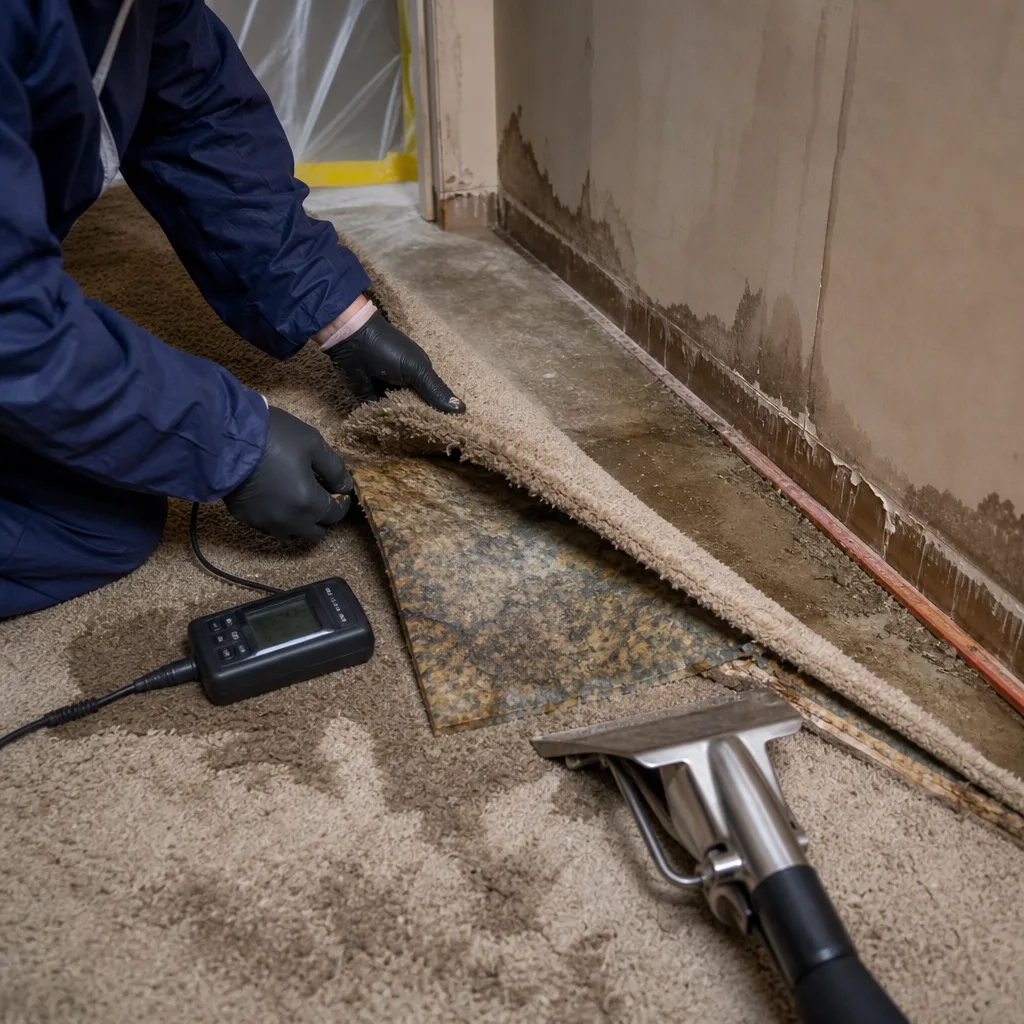
The restoration industry runs on documentation because the insurance industry demands it. Every claim payment is a negotiation, and the party with the better file wins. A professional restoration company produces a file. A DIY homeowner produces a story.
Here’s what an adjuster typically requests within 72 hours of a water damage claim:
- Initial moisture mapping: A room-by-room record of moisture content in materials, measured with a calibrated penetrating moisture meter, recorded in percentage of moisture content (%MC) against species-specific dry standards for wood, or reference scale readings for drywall and plaster.
- Equipment placement diagram: Where each air mover, dehumidifier, and air scrubber was placed, with CFM (cubic feet per minute) ratings, serial numbers, and hours of operation.
- Daily drying logs: Temperature, relative humidity, and specific humidity readings taken at the same time each day, with adjustments to equipment documented.
- Material classification and salvageability assessment: Which materials were dried in place, which were removed, and why, with photos of each decision point.
- Final moisture readings: Proof that affected materials returned to within normal moisture content ranges before equipment was removed.
No homeowner we have encountered in 12,000 jobs has produced this documentation without professional assistance. The rental equipment from hardware stores does not generate serial-numbered logs. Consumer moisture meters, even quality models from brands like FLIR or General Tools, lack the calibration certificates that insurers require for claim substantiation. And most critically, the homeowner does not know what “normal” moisture content is for their specific building materials in Santa Clarita’s climate.
In the Santa Clarita Valley, normal equilibrium moisture content for softwood framing ranges from 9% to 14% depending on season. A reading of 16% in October might indicate active drying is still needed; the same reading in February might be acceptable. This seasonal calibration matters, and it’s documented in our drying logs by job date and location.
The consequence of missing documentation is not merely a slower claim. We’ve reviewed competitor estimates for homeowners who attempted partial DIY, then called us for a DryMark Restoration Santa Clarita home second opinion. The adjuster had denied $8,400 in structural drying charges because no daily logs existed to prove the equipment had actually dried anything. The homeowner paid out of pocket for work that should have been covered, because the documentation gap became a coverage gap.
Haven Standard, Clause 1: written price before work begins. This exists precisely because documentation starts at the first contact. Our written scope includes the moisture mapping, the equipment plan, and the documentation deliverables. You know what file you’re getting before we start.
Consumer vs. Commercial Equipment: The Measurable Gap
Rental dehumidifiers and homeowner air movers are not weaker versions of professional equipment. They are fundamentally different machines designed for different jobs. Understanding the measurable gap helps explain why DIY drying often feels successful while failing structurally.
Dehumidification Capacity:
A standard consumer-grade rental dehumidifier, the type available from hardware stores in Santa Clarita, typically removes 50-70 pints of moisture per day under ideal conditions (80°F, 60% relative humidity). A commercial LGR (low-grain refrigerant) dehumidifier from Phoenix or Dri-Eaz removes 130-170 pints per day, and continues extracting efficiently as humidity drops below 40% - the point where consumer units become ineffective. In tertiary drying, when a structure is approaching dry standard, this low-grain performance is what finishes the job.
Tertiary drying, defined simply, is the final phase of structural drying where remaining moisture is bound deep in materials and requires sustained low-humidity air movement to release. Consumer equipment rarely achieves tertiary drying. It stops at secondary drying, leaving 2-4% excess moisture that supports mold growth and material degradation over months.
Air Movement:
Consumer fans move air at 800-1,500 CFM. Commercial air movers from XPOWER or B-Air operate at 2,500-3,400 CFM with focused velocity profiles designed to create laminar airflow across wet surfaces. This velocity matters because it lowers the boundary layer of saturated air that clings to wet materials, allowing evaporation to continue. Without sufficient CFM, that boundary layer becomes a moisture trap.
Air Filtration:
During drying, disturbed particulates, mold spores, and construction debris become airborne. Commercial HEPA air scrubbers capture 99.97% of particles at 0.3 microns. Consumer air purifiers, even those labeled “HEPA,” typically lack the sealed cabinet design and negative-air capability needed for restoration environments. In Santa Clarita’s fire-prone landscape, where ash and particulate loads are already elevated during season, this filtration gap has real health implications.
Injectidry and Specialty Systems:
For wall cavity drying, hardwood floor rescue, and cabinet drying, professional systems like Injectidry use controlled positive or negative air pressure to force dry air through confined spaces. No consumer equivalent exists. In Valencia’s newer construction with engineered hardwood over concrete slabs, or the custom cabinetry common in Stevenson Ranch homes, this capability often determines whether materials are salvaged or replaced.
The performance gap is not marketing. It’s measurable in daily moisture logs, and those logs are what insurers pay for.
California Mold Disclosure and Your Resale Risk
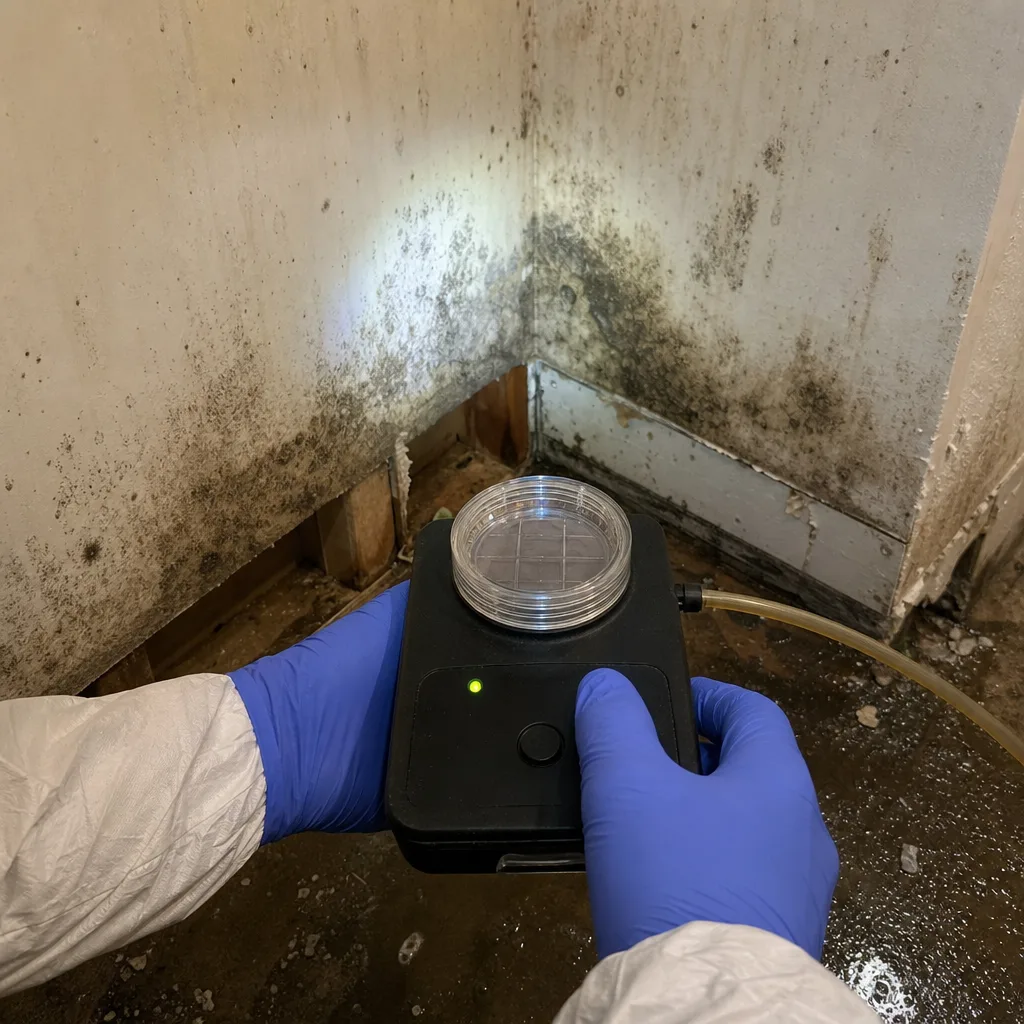
California Civil Code §1102 requires sellers to disclose known mold conditions and any water damage history that could support mold growth. This statute does not distinguish between professionally remediated and DIY-dried events. It asks: was there water damage, and was it properly addressed?
In Santa Clarita’s competitive resale market, where Valencia and Saugus properties often attract multiple offers within days, a mold disclosure can stall a transaction for weeks. Buyers’ inspectors flag undocumented water history. Lenders request mold clearance documentation. Insurance underwriters for the buyer’s new policy may exclude water damage coverage or impose higher deductibles based on prior loss history.
The cost of a professional documentation package, even for a small event, is typically $800-$1,800. The cost of a delayed sale, a price reduction, or a buyer walking entirely can exceed $15,000 in this market. We’ve been called by real estate agents in Santa Clarita whose sellers disclosed a “small leak I fixed myself” from three years prior, only to face a $4,200 mold inspection and clearance demand from a cautious buyer.
Professional restoration documentation, including the final moisture readings and equipment logs, becomes part of the property’s permanent record. It answers the disclosure question with evidence rather than assurance. In our experience, homes with documented professional drying histories move through escrow without the friction that undocumentated DIY events create.
For Mold Remediation in Santa Clarita, this documentation is even more critical. Mold remediation without proper containment documentation, air sampling, and clearance testing can leave a property with a disclosure obligation but no proof of resolution. The Haven Standard requires photo-documented containment, negative air pressure logs, and third-party clearance on all mold projects for this reason.
The Four-Question Decision Matrix
Before choosing DIY or professional restoration, answer these four questions in order. The thresholds below are based on 12,000 jobs and the documentation requirements we’ve seen insurers enforce.
Question 1: What is the water category?
Category 1 only. Category 2 or 3 requires professional handling for health, safety, and disposal compliance. Los Angeles County requires specific disposal documentation for Category 3 waste. No homeowner should handle sewage or floodwater without proper PPE and waste manifests.
Question 2: What is the affected area and material scope?
DIY threshold: Under 10 square feet of affected surface, no structural materials involved (drywall, subfloor, insulation, framing), and no wicking into wall cavities. A toilet tank supply line that sprays the vinyl floor for 30 minutes, caught immediately, with water extracted and the area fan-dried within hours, may qualify. A leak that ran overnight, wet carpet pad, or reached baseboards does not.
Question 3: Will an insurance claim be filed?
If yes, professional documentation is effectively mandatory. Filing a claim and submitting DIY drying records is worse than filing no claim at all - it creates a documented loss with inadequate documentation, which insurers treat as a red flag for future coverage. If no claim will be filed, proceed to Question 4.
Question 4: Will the property be sold within five years?
If yes, professional documentation protects against disclosure liability. Even a small, successfully DIY-dried event becomes a disclosure question at sale. Professional documentation with moisture logs and dry-standard certification answers that question definitively.
Decision Matrix Summary:
| Scenario | DIY Viable? | Risk Level |
|---|---|---|
| Category 1, <10 sq ft, no structure, no claim, no sale planned | Yes, with proper documentation of your own | Low |
| Category 1, <10 sq ft, no structure, no claim, sale within 5 years | Technically possible, but documentation gap creates resale risk | Moderate |
| Category 1, any size, claim filed | No - insurer will require professional documentation | High |
| Category 2 or 3, any size | No - health, safety, and regulatory requirements | Very High |
| Any category, structural materials affected | No - moisture mapping and drying logs required | High |
When DIY Actually Works: Three Safe Scenarios
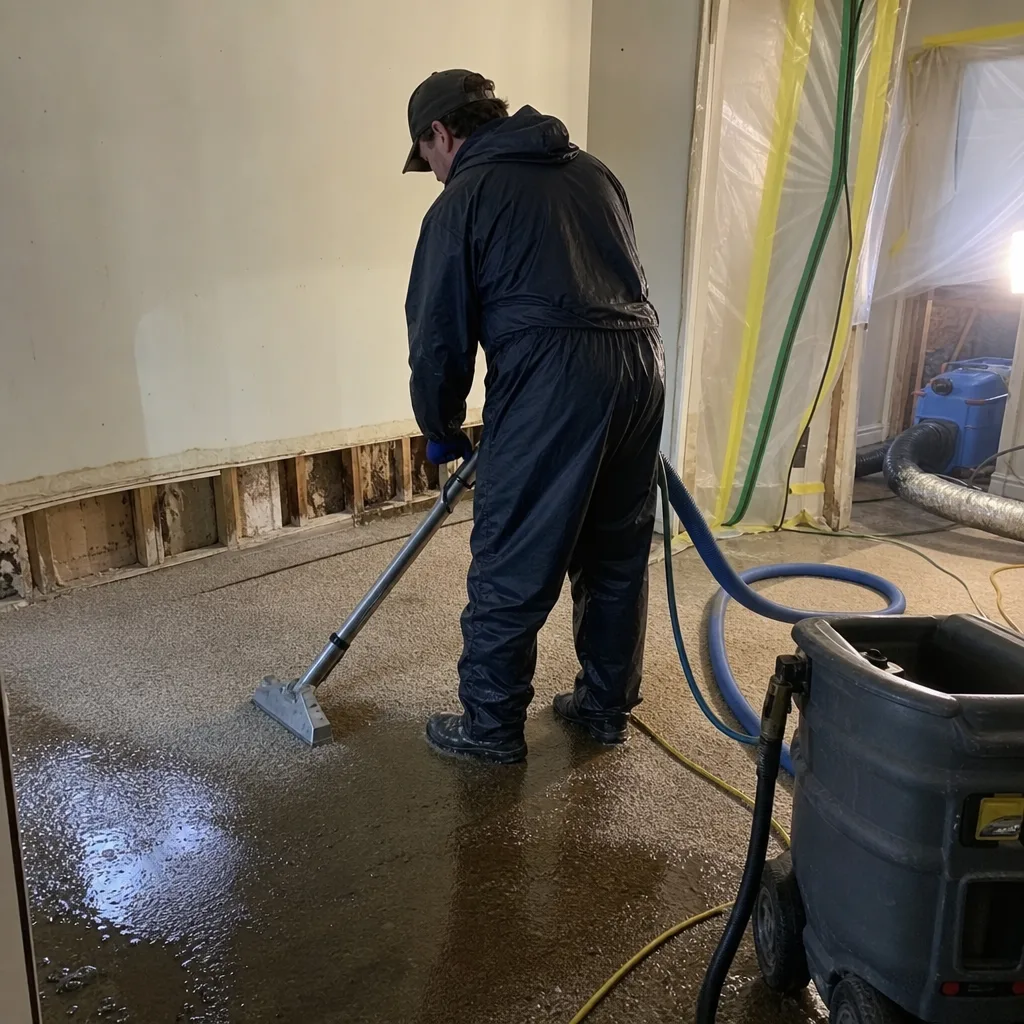
We do not discourage competent homeowners from handling genuinely small events. We discourage undocumented handling of events that cross the threshold into claim or resale territory. Here are three scenarios where DIY is technically adequate and documentation risk is manageable.
Scenario 1: The Caught-Immediately Supply Line
A washing machine supply line bursts while you’re home. Water sprays for 2-3 minutes before you shut the valve. The water pools on sealed concrete or tile, does not reach walls or baseboards, and is extracted with a wet/dry vacuum within 30 minutes. You run a fan for 48 hours and photograph the dry area with dated images. No structural materials affected. No claim filed. Property not for sale. This is a contained mechanical failure with no lingering moisture risk.
Scenario 2: The Overflowing Sink in a Powder Room
A bathroom sink overflows while you’re distracted. Water runs for 5-10 minutes, contained to the vanity cabinet and vinyl floor. You extract standing water, remove items from the cabinet to air-dry, and place a fan directed at the toe-kick space for 72 hours. The cabinet is particle board (highly susceptible to swelling) but shows no deformation after 72 hours. You document with photos and a simple log of actions taken. No claim. No sale planned. The risk here is the particle board - if it swells or delaminates, professional assessment is warranted.
Scenario 3: The Minor Condensation Event
Santa Clarita’s temperature swings, especially in canyon-adjacent homes near Sand Canyon or Bouquet Canyon, can create condensation on ductwork or windows that pools slightly on sills. Addressing the source (insulating ducts, improving ventilation) and wiping dry with documented monitoring is maintenance, not restoration. For a complete overview of prevention tasks, see our Water Damage Restoration Maintenance Checklist for Santa Clarita Homeowners. If condensation recurs or stains appear, this indicates a systemic issue requiring professional diagnosis.
In all three scenarios, the critical element is self-documentation: dated photos, a simple log of actions and observations, and a clear decision point for when to escalate. Without this, even a successful DIY job becomes an undocumented event.
The True Cost of Undocumented Restoration
The immediate cost comparison between DIY and professional restoration is straightforward: rental equipment ($200-$400), consumer moisture meter ($50-$150), time (10-20 hours), versus professional service ($1,200-$4,500 depending on scope). But this comparison omits the contingent costs that materialize later.
Claim-Related Costs:
- Denied drying charges due to missing logs: $2,000-$8,000 typical
- Extended ALE (additional living expenses) during re-drying: $150-$400 per day
- Appraiser or public adjuster fees to reconstruct a file: $500-$2,500
Resale-Related Costs:
- Buyer’s mold inspection demand: $400-$1,200
- Remedial drying or clearance documentation: $800-$2,500
- Transaction delay or price reduction: $5,000-$25,000 in Santa Clarita’s market
Health-Related Costs:
- Undetected moisture supporting mold growth behind walls: remediation $3,000-$15,000
- Respiratory issues from disturbed mold or poor air quality during DIY handling: variable, potentially significant
The documentation that professional restoration provides is insurance against these contingent costs. It’s not an upsell. It’s the product.
For Water Damage Restoration in Santa Clarita, our written scope includes the full documentation package as a standard deliverable, not an option. Every customer receives the drying log, the photo record, and the equipment calibration documentation. This is how restoration invoices become payable claims.
What Professional Documentation Looks Like
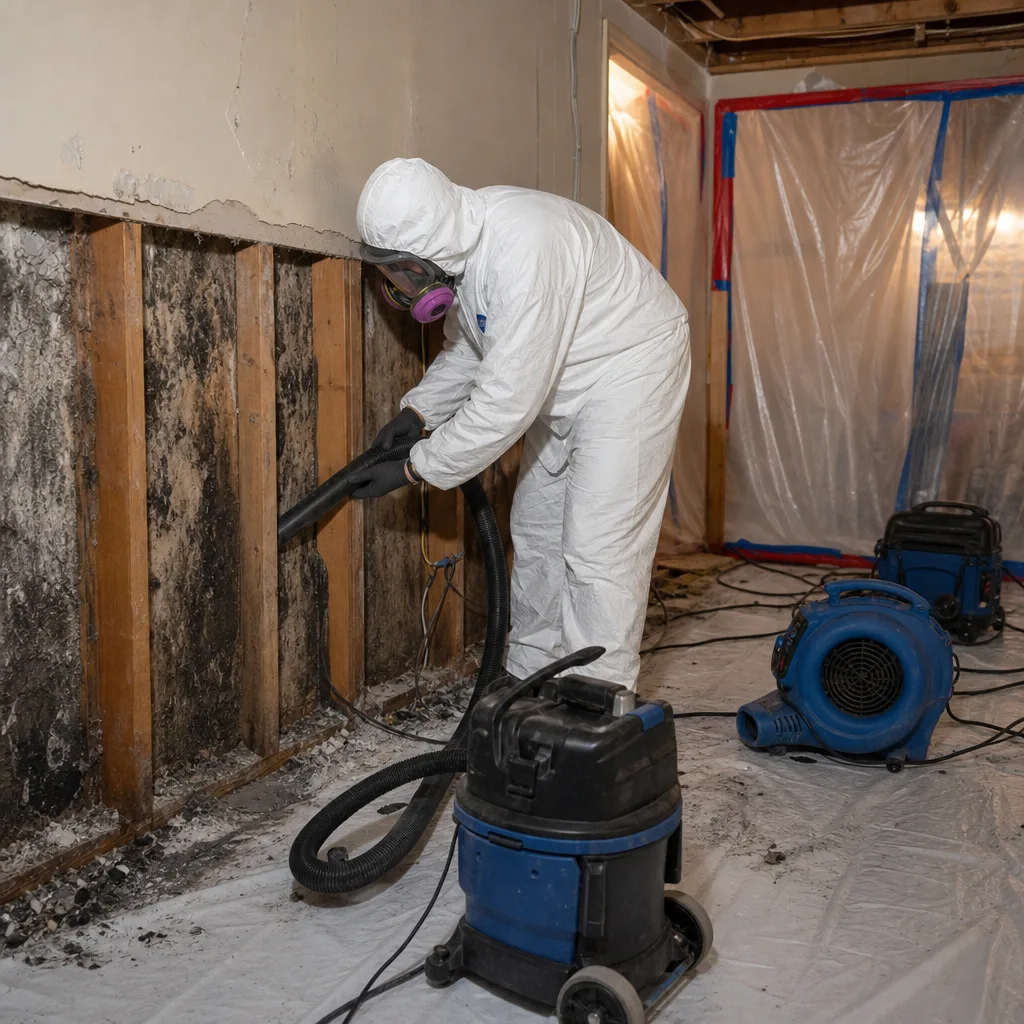
To understand what you’re paying for, and what DIY cannot replicate, here is the standard documentation deliverable for a professional water damage restoration project under IICRC S500 standards and RIA guidelines.
Initial Documentation (Day 0):
- Photo record: 30-80 images of the loss area, moisture-affected materials, source of water, and surrounding unaffected areas for comparison. Each image is time-stamped and geotagged.
- Moisture mapping: Grid-pattern readings with a calibrated penetrating moisture meter, recorded on a room diagram. Readings include %MC for wood materials and reference scale for gypsum, with dry standard targets noted.
- Psychrometric conditions: Temperature, relative humidity, and specific humidity readings at the loss site and in unaffected areas for comparison.
- Equipment plan: Calculated dehumidification need based on Class of loss, with specific equipment models, placement locations, and CFM requirements documented.
- Written scope and price: Haven Standard, Clause 1 - delivered before work begins, with no subsequent additions without written change order.
Daily Documentation (Days 1-n):
- Drying log: Psychrometric readings at the same time daily, equipment hours logged by serial number, moisture readings at established monitoring points, and adjustments to equipment placement with rationale.
- Photo record: Progress images showing material condition, equipment operation, and any changes to the work area.
- Technician notes: Observations on drying progress, any anomalies, and communication with the property owner or adjuster.
Final Documentation (Completion):
- Final moisture readings: Proof that all affected materials returned to dry standard, with comparison to initial readings.
- Equipment removal log: Serial numbers, total hours of operation, and condition notes.
- Final photo record: Documenting restored condition.
- Signed warranty: Haven Standard 365-Day Done Right Promise, with specific coverage terms and contact for any concern.
This documentation package is what turns a restoration project into a defensible insurance claim and a clean property record. No homeowner can generate this with consumer equipment, and no insurer will accept less for structural drying charges.
Our equipment - Dri-Eaz and Phoenix dehumidifiers, XPOWER and B-Air air movers, Injectidry cavity drying systems - is selected for the documentation it produces as much as the drying it achieves. Serial-numbered logs, hour meters, and calibration certificates are standard. This is the difference between equipment that dries and equipment that proves it dried.
Common Mistakes to Avoid
- Drying only what you can see. Water follows gravity and capillary action. In Santa Clarita’s stucco-over-frame construction, a floor-level leak can wick 24 inches up interior wall cavities within hours. Surface dryness means nothing without moisture meter verification at depth.
- Using bleach on mold. Bleach kills surface mold but does not penetrate porous materials. It also adds moisture. In Santa Clarita’s dry climate, this seems counterintuitive, but the moisture from bleach application can actually support deeper mold growth. Proper remediation requires physical removal and HEPA-contained drying.
- Filing an insurance claim, then attempting DIY drying. This is the single most expensive mistake. You have created a documented loss with no documentation. Adjusters deny structural drying charges without daily logs. The claim exists on your record but pays nothing for the work you performed.
- Ignoring the thermal layer. Santa Clarita’s summer heat creates a false sense of dryness. Hot exterior air with low relative humidity can accelerate surface evaporation while trapping moisture inside walls. Infrared cameras reveal this; hand checks do not.
- Removing equipment too early. Consumer dehumidifiers lack the low-grain performance to finish tertiary drying. Removing them when surfaces feel dry leaves bound moisture that supports mold and material degradation. Professional drying continues until moisture content readings confirm dry standard, not before.
- Failing to document even successful DIY. If you handle a small event competently, photograph everything, note dates and actions, and retain records. Without this, a future buyer or insurer has only your word that the event was minor and properly addressed.
- Confusing cleaning with restoration. Carpet cleaning, surface disinfection, and odor treatment are not structural drying. A carpet cleaner with a truck-mount extractor can remove water from carpet and pad but cannot produce the moisture mapping and drying logs that structural restoration requires. These are different trades with different documentation standards.
When to Call a Professional
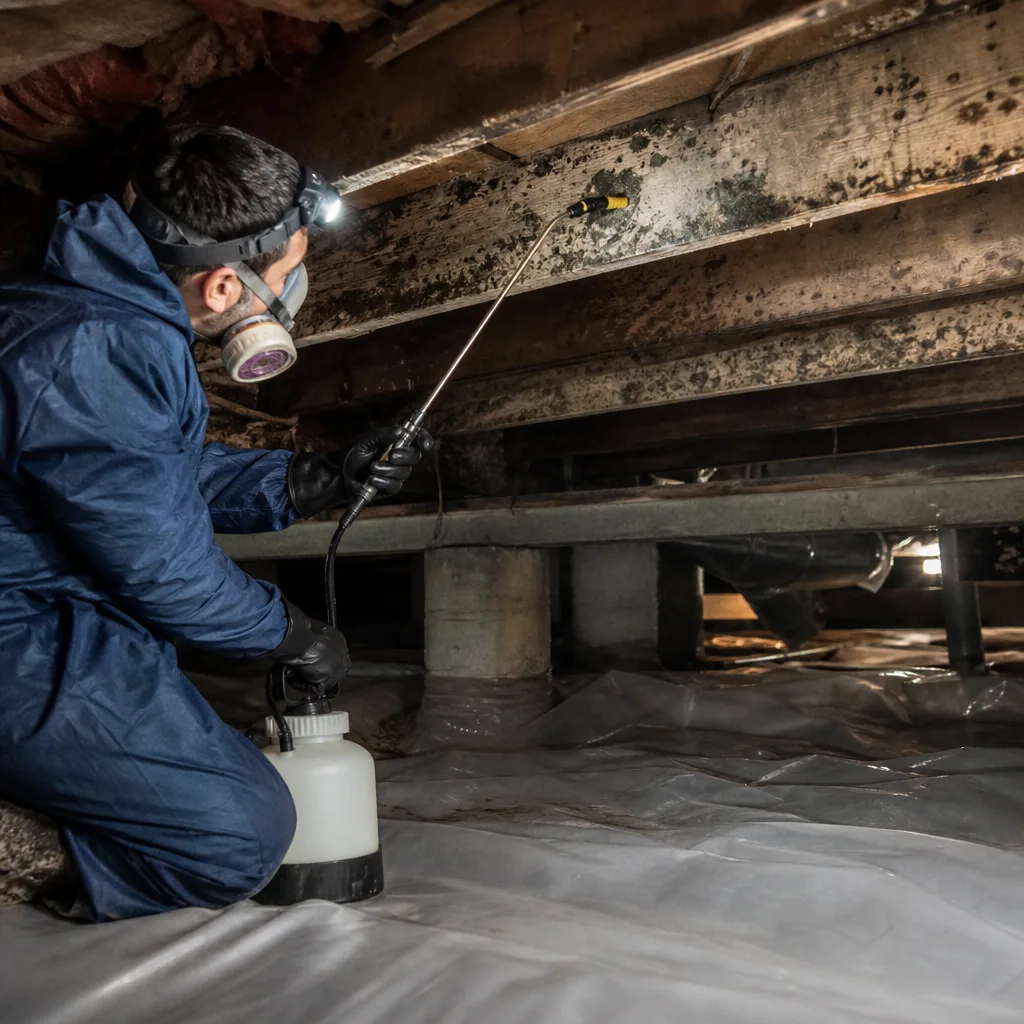
Call a professional when any of the following apply: the water is Category 2 or 3; affected area exceeds 10 square feet or includes structural materials; an insurance claim will be filed; the property may be sold within five years; moisture has reached wall cavities, subfloor, or insulation; or you lack the equipment to generate documented proof of dry standard achievement.
In Santa Clarita’s climate and construction market, the threshold for professional involvement is lower than many homeowners assume. The cost of documentation is modest relative to the contingent costs of claim denial, resale friction, or undetected moisture damage.
DryMark Restoration Santa Clarita offers free estimates in Santa Clarita. Browse more guides & resources on protecting your home. Our written scope, delivered before any work begins under Haven Standard, Clause 1, includes the full documentation plan for your specific loss. You’ll know exactly what file you’re getting before we start. Call (747) 294-2725 to schedule.
Frequently Asked Questions
Professional water damage restoration in Santa Clarita typically ranges from $1,200 for small, contained Category 1 events with minimal structural involvement, to $4,500-$8,500 for Class 2-3 losses affecting multiple rooms with wall cavity drying and material removal. Category 3 sewage losses or fire-suppression flooding with extensive contamination start higher due to disposal, containment, and antimicrobial requirements. Every job is quoted in writing before work begins under Haven Standard, Clause 1, with no scope additions once the crew is inside. Call (747) 294-2725 for an exact quote on your specific situation - estimates are free.
Insurance covers documented restoration, not effort. If you attempt DIY drying and cannot produce daily moisture logs, equipment calibration records, and proof of dry standard achievement, your insurer will likely deny structural drying charges. Some policies may reimburse equipment rental receipts, but this is typically capped at $200-$500 and does not cover the labor value of your time. The more significant risk is creating a documented loss with inadequate documentation, which complicates future coverage. For any claim-involved loss, professional documentation is effectively required.
DryMark Restoration Santa Clarita maintains live phone coverage 24 hours a day, 7 days a week with no voicemail on emergency lines. Dispatch for active water losses in Valencia, Saugus, Canyon Country, Stevenson Ranch, and Newhall typically occurs within 60-90 minutes of call receipt during normal operations. Extended response times may occur during regional wildfire events or widespread storm damage, but communication is maintained throughout. For Fire & Smoke Damage Restoration in Santa Clarita, response prioritization follows life-safety protocols and fire department clearance requirements.
Visible mold on a non-porous surface (tile, glass, sealed metal) in an area under 10 square feet with no underlying moisture problem can sometimes be addressed with proper PPE, containment, and disposal. However, mold on porous materials (drywall, insulation, carpet, wood) or any mold accompanied by a musty odor or moisture history requires professional assessment. In Santa Clarita, where summer heat can drive humidity into wall cavities and winter Santa Ana winds create pressure differentials that draw attic air through ceiling penetrations, visible mold often indicates a larger concealed problem. Professional remediation includes containment documentation, negative air pressure logs, and clearance testing that protects against California’s strict mold disclosure requirements at resale.
At DryMark Restoration Santa Clarita, we coordinate directly with your adjuster as part of our standard service. This includes providing the initial moisture mapping, daily drying logs, photo documentation, and final proof of dry standard. Our documentation is formatted for direct claim submission, and we participate in adjuster site visits when requested. However, the policyholder retains final authority over claim decisions and settlement acceptance. We do not negotiate claim settlements on your behalf - that requires a public adjuster or attorney - but we ensure the restoration file supports your claim fully. Photo-documented assessments and direct adjuster coordination are standard on every job.
Retain: dated photos of the water source, affected area, and surrounding unaffected areas for comparison; a simple log of when the loss was discovered, actions taken, and equipment used; moisture meter readings if available, with dates and locations; receipts for any equipment rental or supplies; and notes on when the area appeared dry and whether any odor, staining, or material changes occurred subsequently. Store this with your property records for at least seven years. If you later file a claim on the same property or sell, this documentation answers questions that would otherwise require professional assessment to resolve.
The Bottom Line
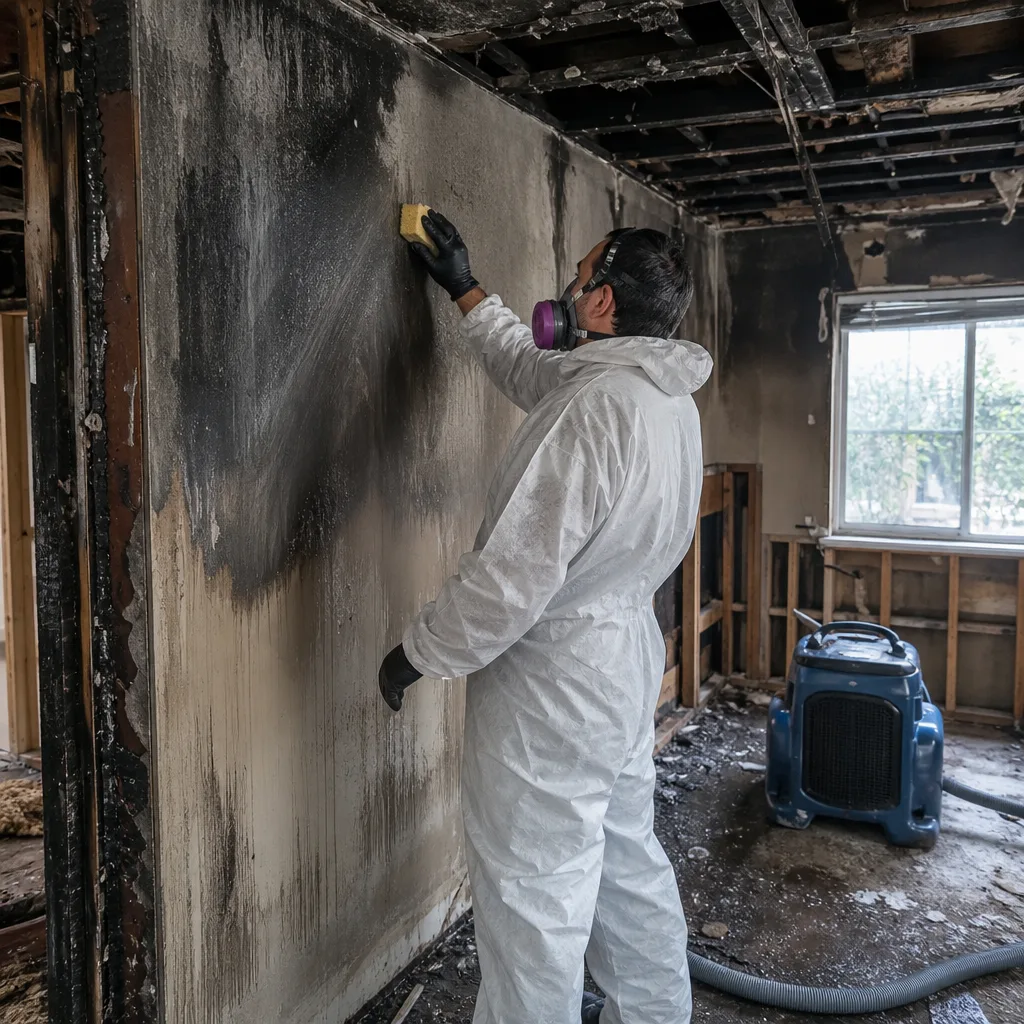
The DIY versus professional restoration decision is not primarily about cost or capability. It’s about documentation and the contingent risks that undocumented restoration creates. In Santa Clarita’s market, with its disclosure requirements, insurance standards, and high property values, the threshold for professional involvement is lower than most homeowners initially assume. Contained Category 1 events under 10 square feet with no structural involvement, no claim, and no near-term sale can be handled DIY with proper self-documentation. Everything else requires the drying logs, moisture mapping, and equipment calibration records that only professional restoration produces. The documentation is the product. Everything else is just drying.
Written by Alicia Brennan, Owner at DryMark Restoration Santa Clarita, serving Santa Clarita since 2011.