
Last updated September 23, 2026
Free visual inspection and a written scope of work before any mitigation begins - photos, moisture readings, and drying logs go in your claim file
The scope we write is the scope we bill. Anything new gets shown to you, in writing, before we touch it.
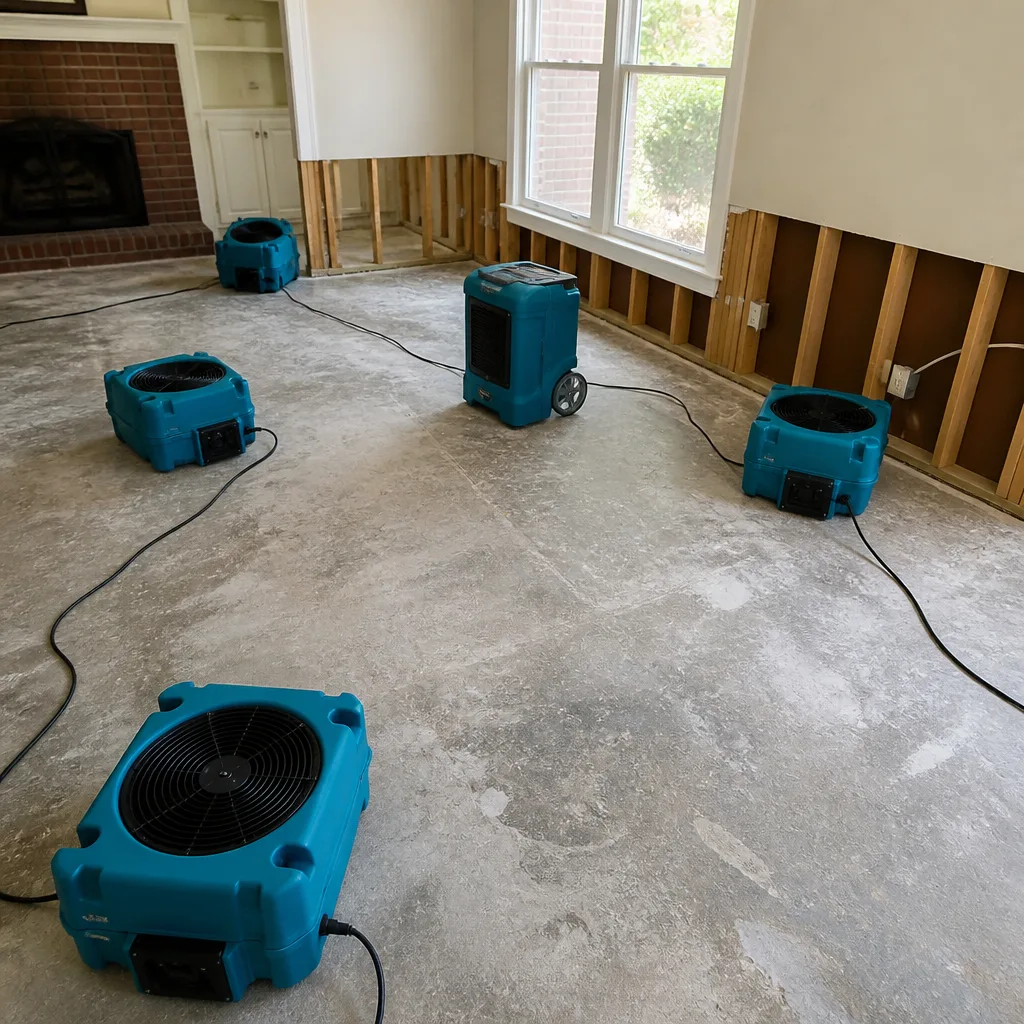
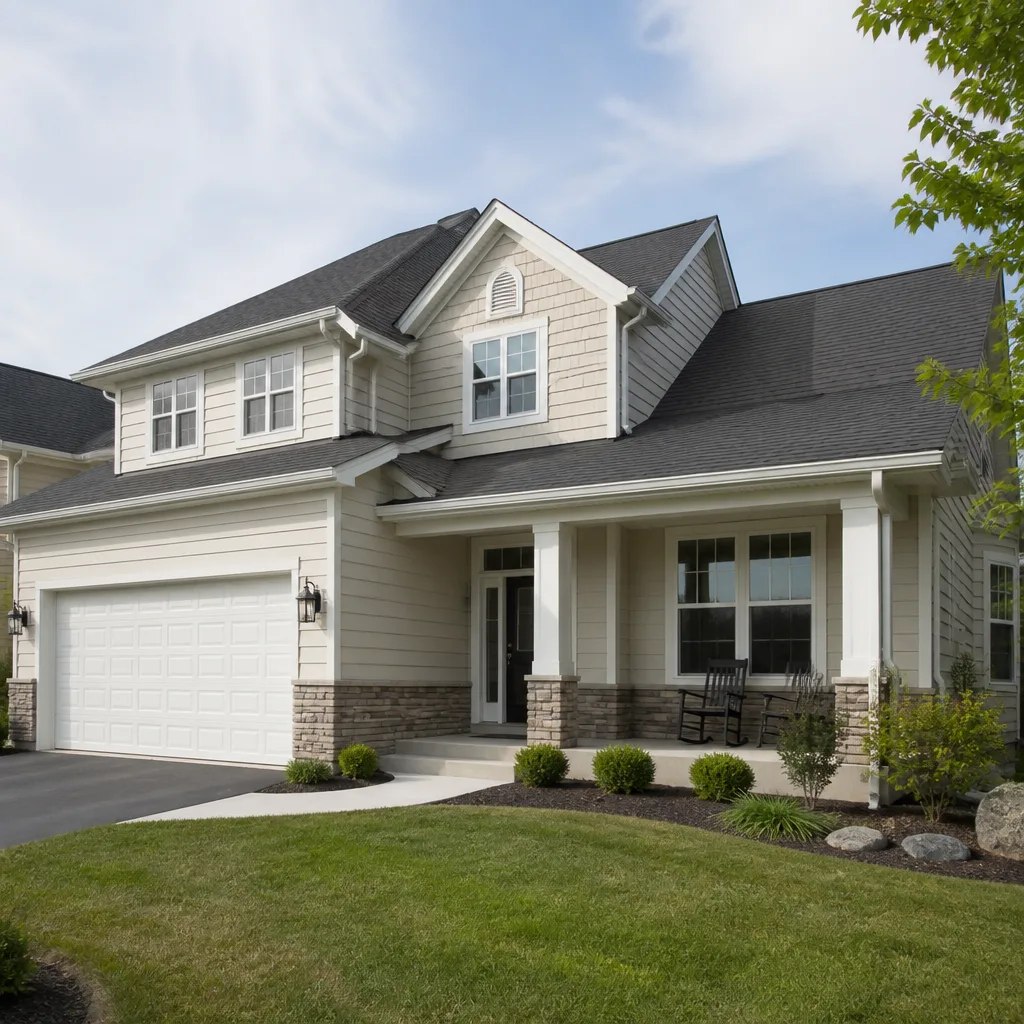
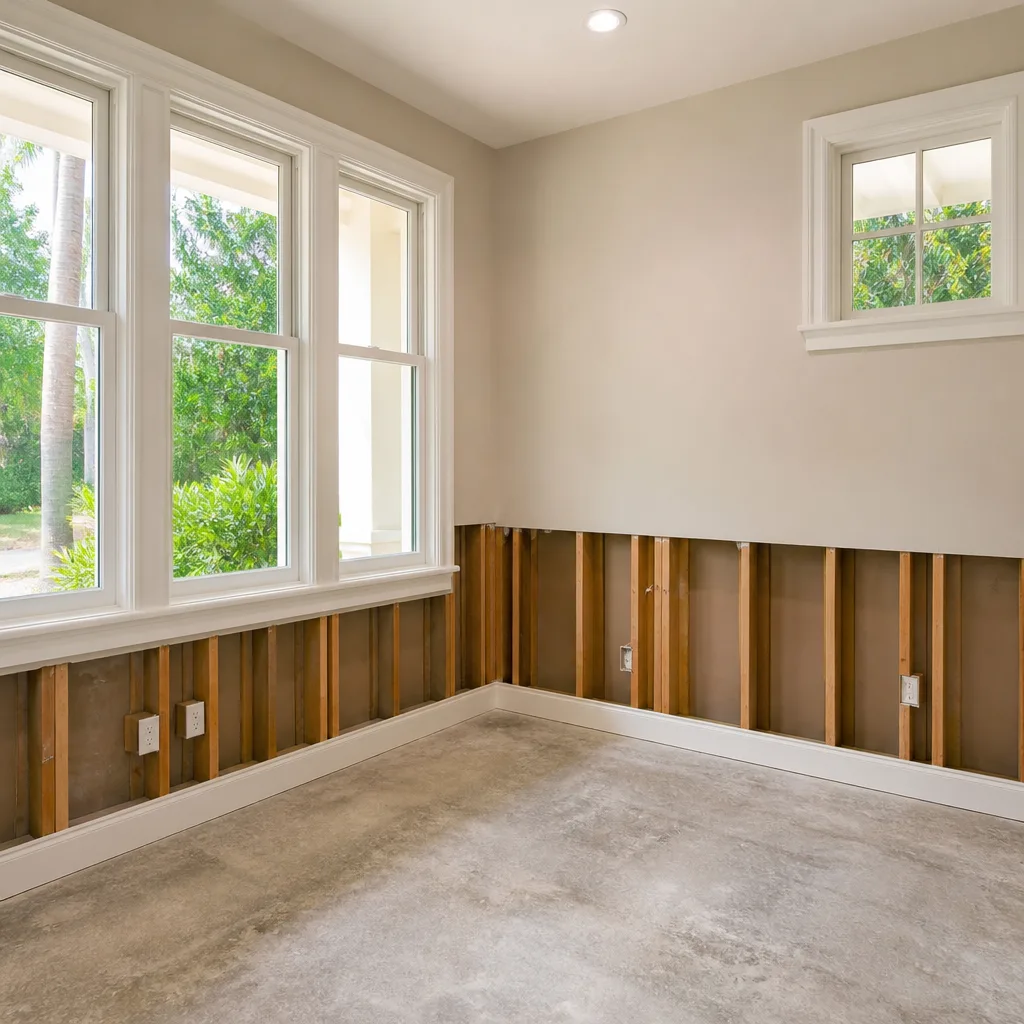
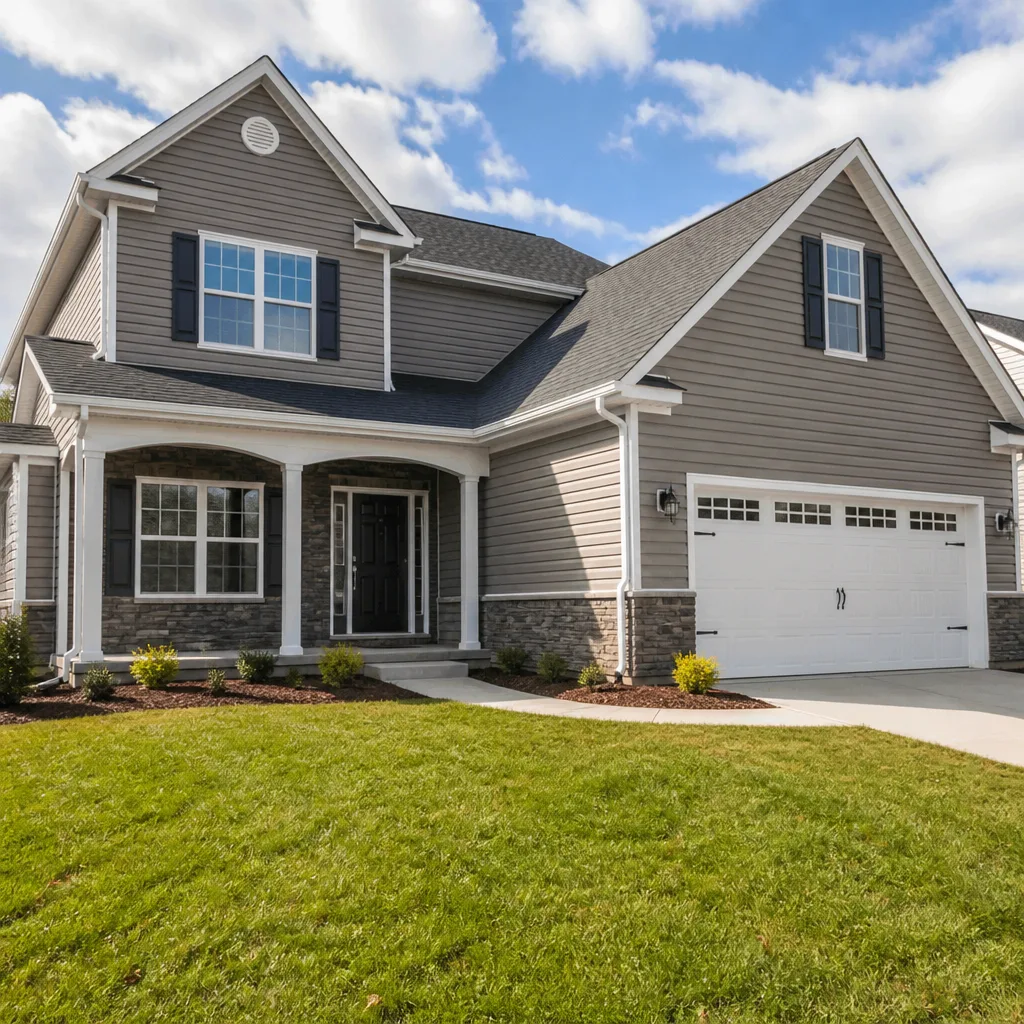
 Before
 After
After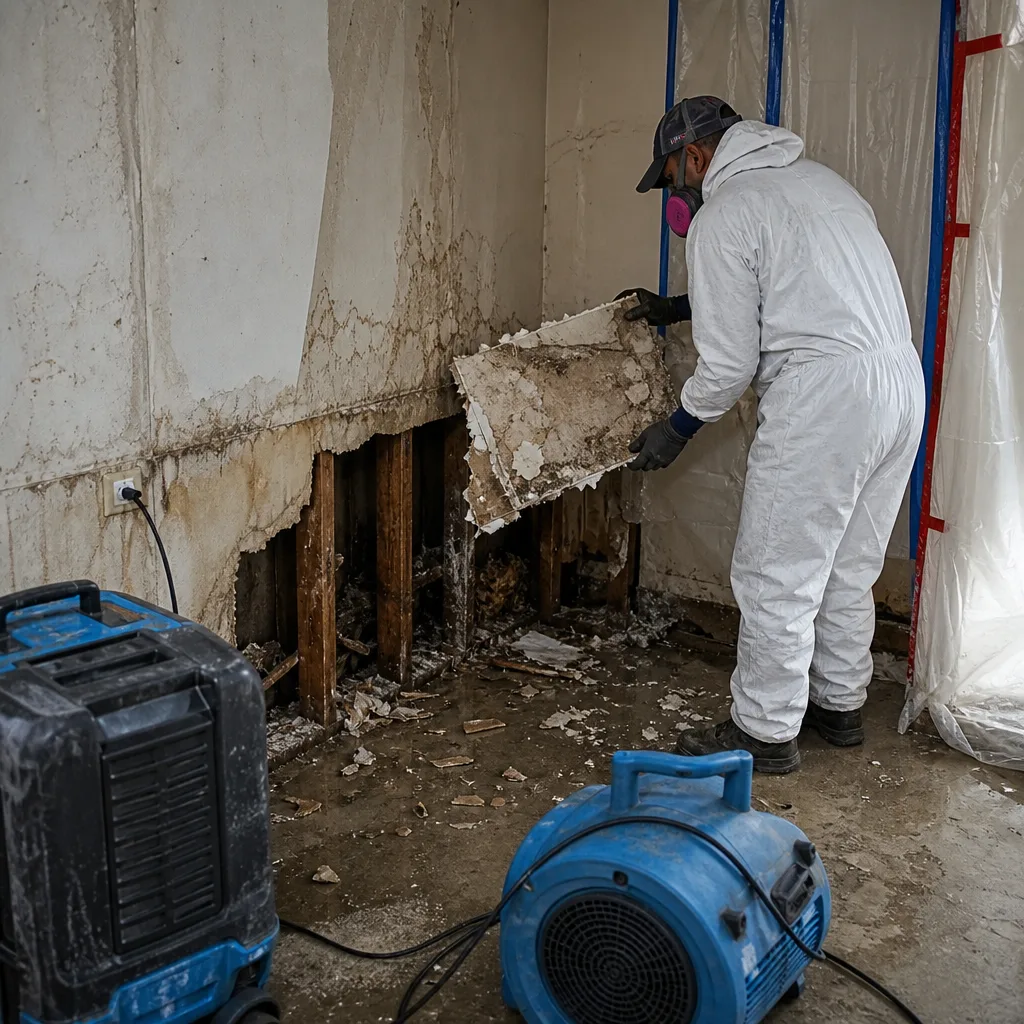 Before
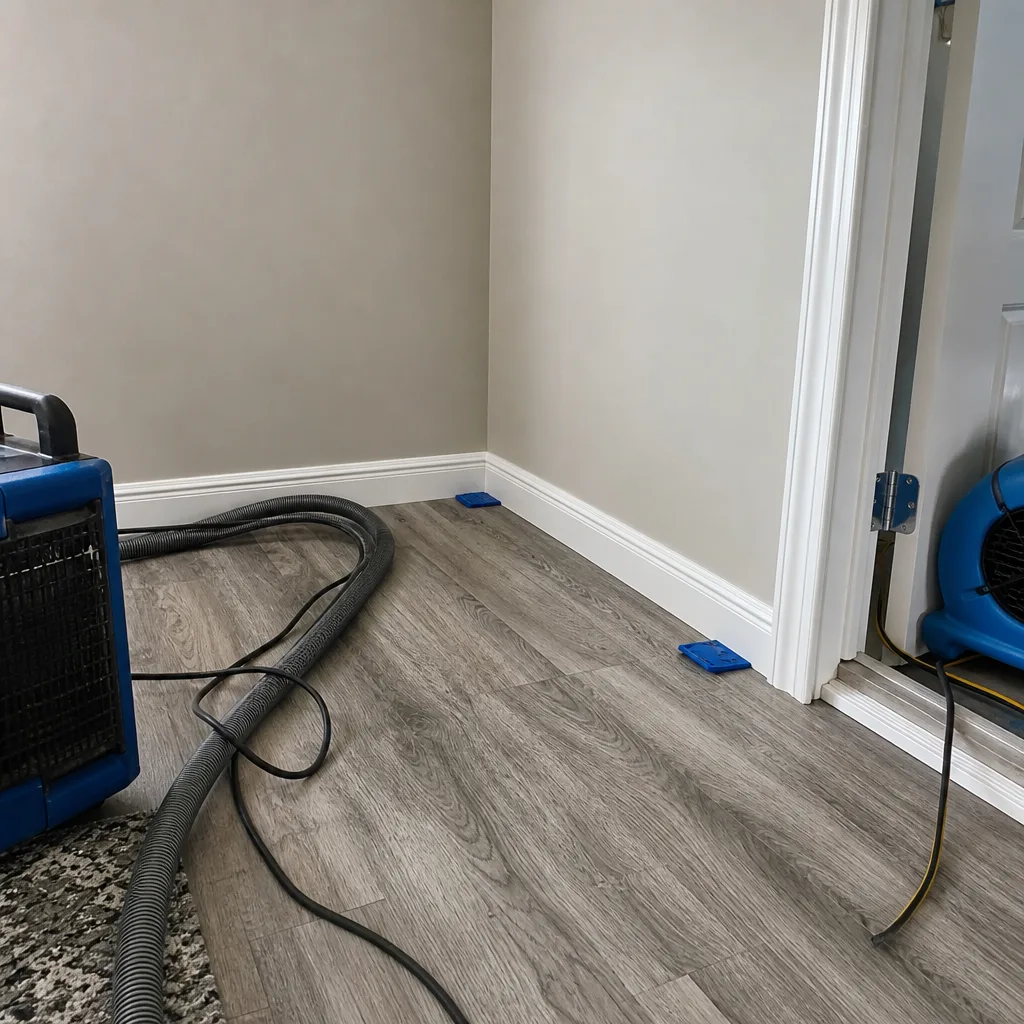 After
After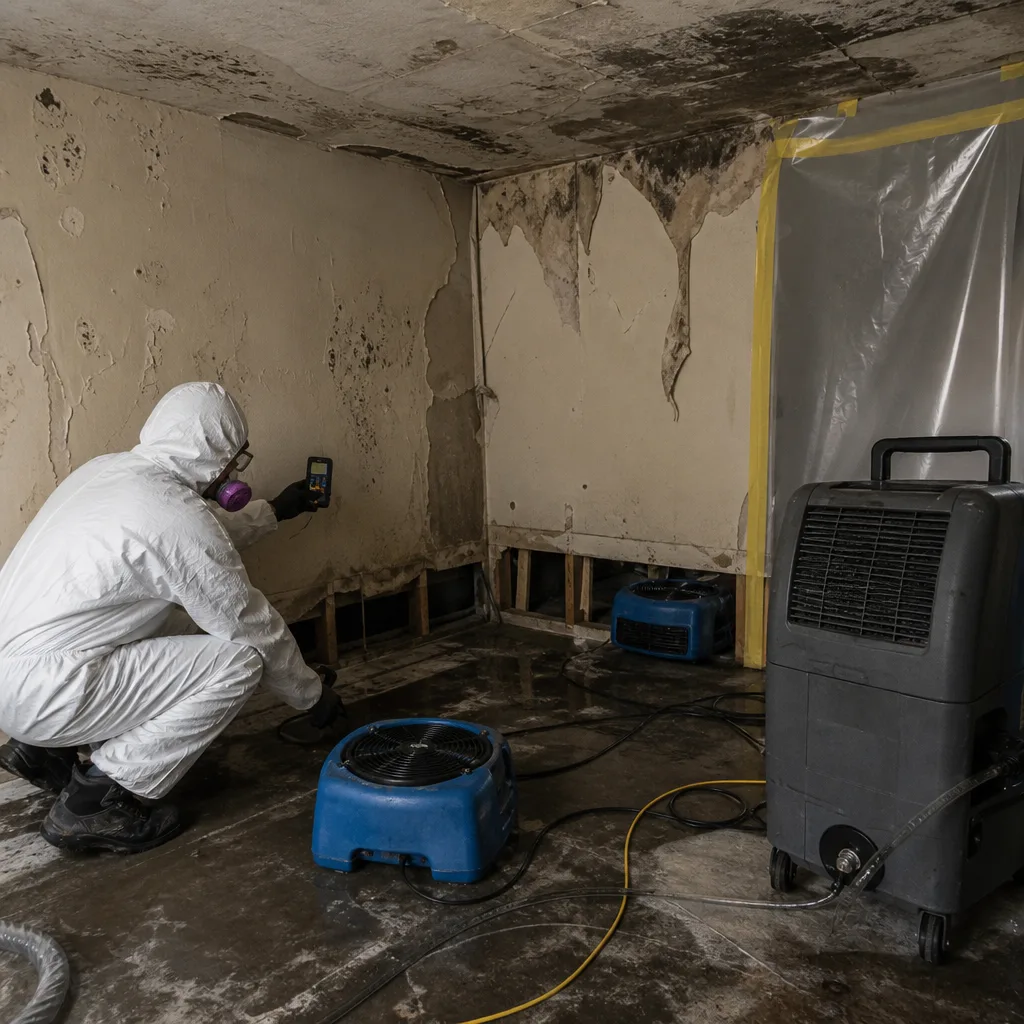 Before
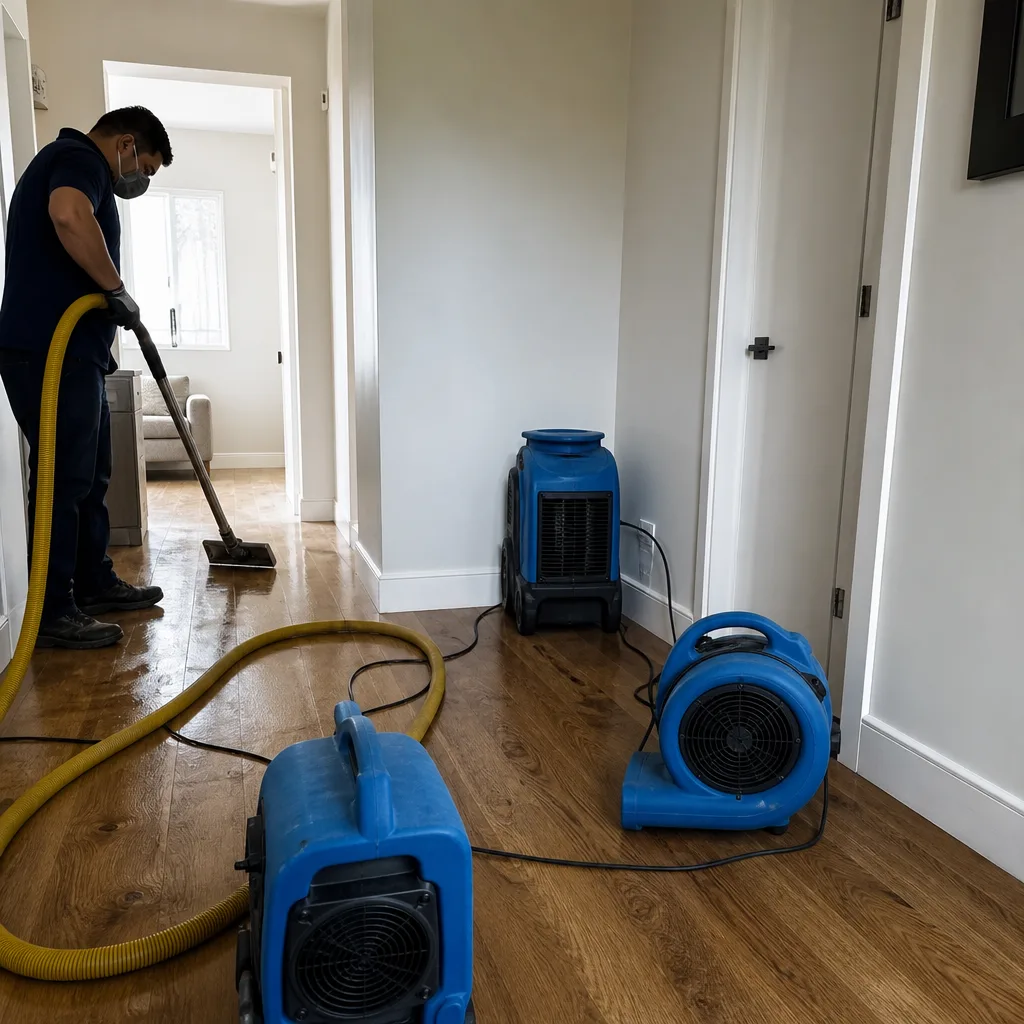 After
AfterHow to Hire a Damage Restoration Contractor in Santa Clarita: A Step-by-Step Guide
A contractor can hold a valid CSLB license, carry full insurance, and have five-star reviews - and still hand you a final invoice that your insurer partially denies because the drying logs don’t match the equipment rental dates. We’ve seen it in Santa Clarita. In 2022, a Valencia homeowner paid $8,400 out of pocket on a $31,000 water mitigation bill because the restoration company documented three dehumidifiers but only two appeared in the photo record, and the adjuster disallowed the third unit’s runtime entirely. This guide teaches you to vet restoration contractors not by what they promise, but by the documentation they can show you before you sign. For a broader overview, see The Complete Guide to Damage Restoration in Santa Clarita.
Quick Answer
Hire a damage restoration contractor in Santa Clarita by requesting three documents before signing: a written scope with line-item pricing, proof that the crew lead holds IICRC S500 or S520 certification (not just the company), and a sample drying log from a completed job. Verify the CSLB license classification matches the work - a B-General covers reconstruction, not water mitigation - and confirm photo documentation protocols in writing. The right contractor produces paperwork an adjuster can approve without calling back.
Table of Contents
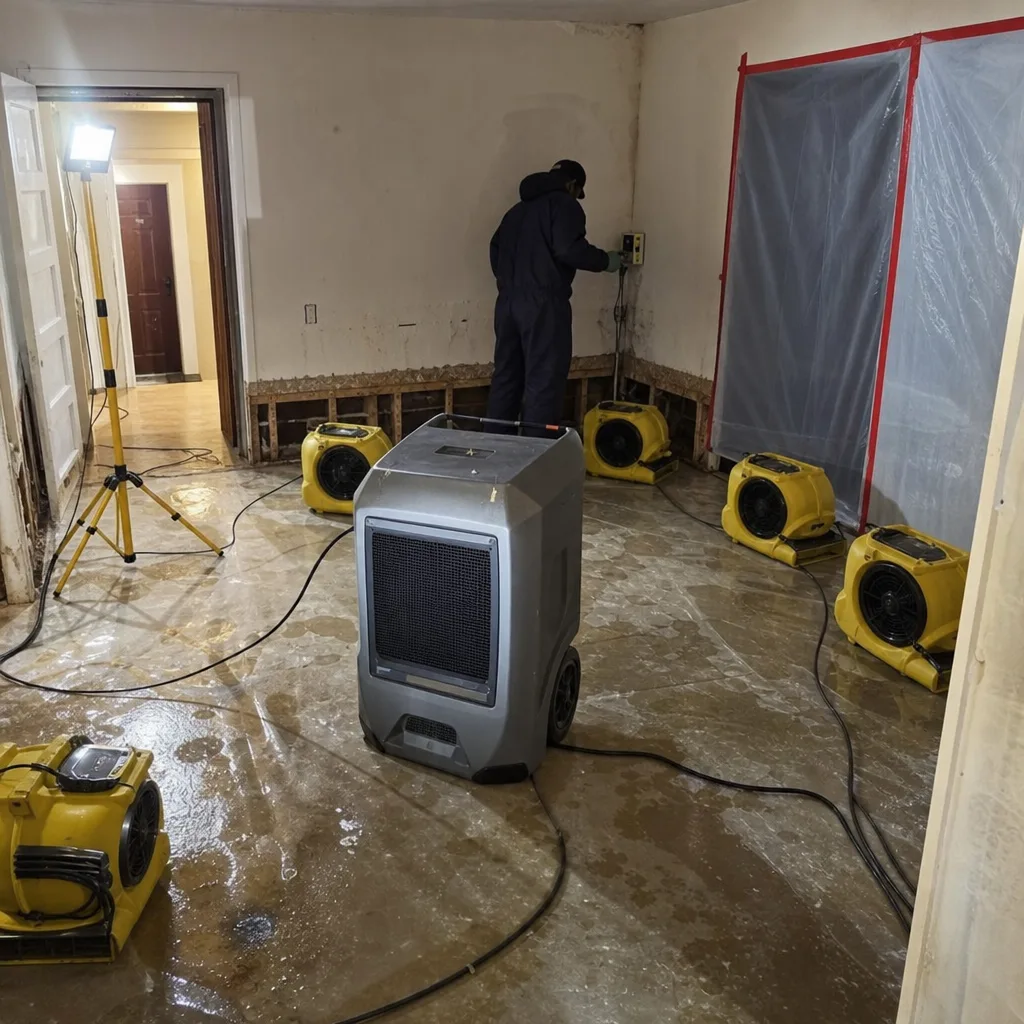
- Why Documentation Beats Reviews and Licenses
- The Three Documents to Request Before Signing Anything
- CSLB License Classifications: Water Mitigation vs. Reconstruction
- Red-Flag Contract Language That Costs Homeowners Money
- How to Evaluate Photo Documentation Protocol Before Work Begins
- Questions That Reveal Actual Santa Clarita Adjuster Experience
- What Restoration Costs in Santa Clarita (and What Drives Price)
- Common Mistakes to Avoid
- When to Call a Professional
- Frequently Asked Questions
- The Bottom Line
 Before
 After
AfterWhy Documentation Beats Reviews and Licenses
The standard advice - check licenses, read reviews, get three quotes - filters out unlicensed crews but does nothing to identify contractors whose documentation will survive an insurance review. A CSLB license proves the contractor passed a test and carries insurance. Reviews prove past customers were satisfied with the outcome. Neither proves the contractor produces records that adjusters accept.
In Santa Clarita, where median home values exceed $700,000 and many homeowners carry replacement-cost policies with detailed documentation requirements, the gap between “good contractor” and “claim-approved contractor” is expensive. We’ve reviewed competitor invoices where $12,000 in equipment charges were disallowed because psychrometric data - the temperature, relative humidity, and specific humidity readings that prove drying progress - was recorded on paper logs with no timestamps, making the data unverifiable.
The contractors who survive adjuster scrutiny share one trait: they document like the claim depends on it, because it does. Daily moisture readings with meter model numbers and calibration dates. Photo records with timestamps and room labels. Written scopes with line-item pricing agreed before work starts. Equipment logs matching serial numbers to locations. This is the standard we built DryMark Restoration Santa Clarita home around, and it’s the standard you should demand from any contractor you hire.
Here’s what documentation-first looks like in practice:
- Written scope before work begins: Every line item priced, no “time and materials” open ends, signed by both parties - Haven Standard, Clause 1.
- Daily drying logs: Moisture content readings by room, by material, with meter type and penetration depth noted.
- Photo record on every visit: Timestamped, geotagged, labeled by room and damage classification, stored in a shared archive the adjuster can access directly.
- Equipment documentation: Serial numbers, placement dates, removal dates, and runtime hours for every dehumidifier, air mover, and negative air machine.
A contractor who balks at showing you these records before you sign is telling you what your claim experience will look like. Believe them.
The Three Documents to Request Before Signing Anything
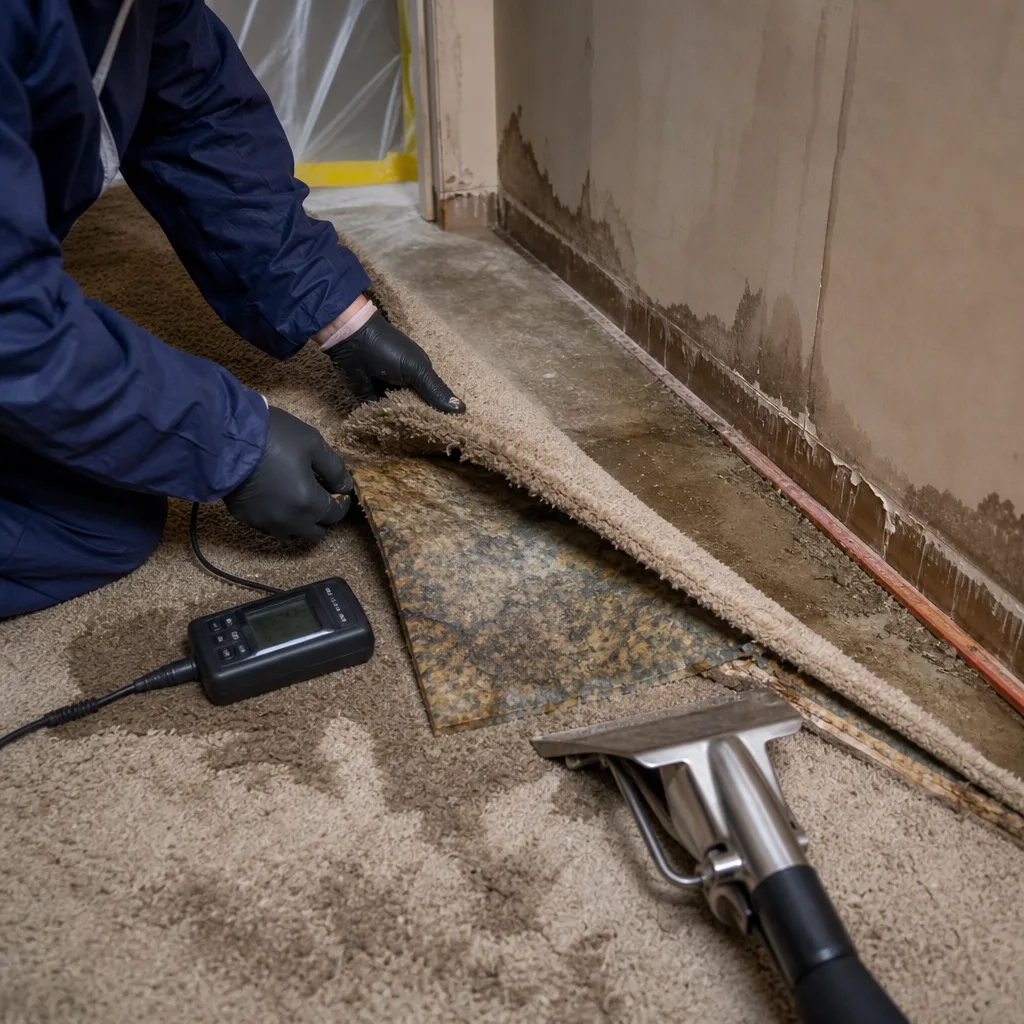
Before any work begins, request these three documents. Not verbal assurances. Not “we’ll send that later.” Physical or digital copies, reviewed by you, retained by you.
Document 1: Written Scope of Work with Line-Item Pricing
This is not an estimate. An estimate is a guess. A written scope is a contract itemizing every task, material, and equipment unit with a fixed price. In Santa Clarita, where building costs run 15-20% above state averages due to hillside access challenges and material transport from the San Fernando Valley, vague pricing invites scope creep.
The scope should specify:
- Classification of water damage by IICRC category (Category 1: clean water; Category 2: gray water; Category 3: black water/ sewage) and the basis for that classification.
- Affected square footage by room, with moisture mapping showing boundaries of the water migration.
- Line-item equipment: dehumidifier capacity in pints per day, air mover count and CFM rating, specialty equipment like Injectidry cavity drying systems or B-Air negative air machines if mold is present.
- Labor hours by task, with rates specified.
- Material costs with unit pricing: drywall per sheet, insulation per square foot, flooring per square foot.
- Not-to-exceed total, with change-order procedures requiring written approval before additional work.
Haven Standard, Clause 1: a written price before work starts, every time, with no exceptions. Any contractor who won’t commit to this in writing is building in flexibility that serves them, not you.
Document 2: Proof of IICRC S500 or S520 Certification for the Crew Lead
Company-level certifications are common. They mean the owner or office manager passed a test. What matters is the person supervising your job.
For Water Damage Restoration in Santa Clarita, request the crew lead’s IICRC S500 certification (Water Damage Restoration). For Mold Remediation in Santa Clarita, request S520 (Mold Remediation). These are not interchangeable. A technician certified in water damage is not qualified to design mold containment or interpret spore count data.
Verify the certification number through IICRC’s online directory. Check the expiration date. Ask how many continuing education credits the technician has completed in the last two years. Restoration standards evolve; a technician who last trained in 2019 is not current on the 2021 S500 revisions that changed Category 2 water classification timelines.
Document 3: A Sample Drying Log from a Completed Job
This is the document most contractors won’t produce until you ask, and the one that separates claim-approved work from claim-denied work. A proper drying log - like the one in our Water Damage Restoration Maintenance Checklist for Santa Clarita Homeowners - shows:
- Date and time of each reading.
- Room identifier and specific location within room.
- Material tested: drywall, wood framing, concrete slab, ceramic tile, etc.
- Moisture content percentage and the meter used (pin-type, pinless, thermo-hygrometer).
- Target moisture content for that material in that climate zone.
- Equipment operating: unit ID, type, location.
- Technician signature or digital verification.
In Santa Clarita’s semi-arid climate, with summer relative humidity dropping below 30%, drying targets differ from coastal California. A contractor using Los Angeles basin defaults may over-dry wood framing, causing shrinkage cracks, or under-dry slab edges where Santa Clarita’s clay soils wick moisture laterally. The sample log reveals whether the contractor calibrates targets to local conditions or applies generic standards.
At DryMark Restoration Santa Clarita, we provide sample logs from anonymized past jobs on request. Contractors who refuse this request are asking you to trust what you cannot verify.
CSLB License Classifications: Water Mitigation vs. Reconstruction
California’s Contractors State License Board draws sharp lines between license types that many homeowners, and some contractors, misunderstand. Hiring the wrong classification for your job creates legal and insurance complications.
Water mitigation - the extraction, drying, and initial stabilization of water-damaged structures - falls under C-61/D-64 (Non-Specialized) or is performed by a B-General Building contractor as incidental to a larger reconstruction scope. However, a B-General contractor cannot legally perform water mitigation as a standalone service without additional specialty classification. Many restoration companies operate under B-General licenses and perform mitigation under the umbrella of subsequent reconstruction, which is permissible if the reconstruction is substantial (typically defined as structural work exceeding $500 in value).
Reconstruction - drywall, flooring, painting, electrical, plumbing repairs - requires specific trade licenses or B-General for projects involving two or more unrelated trades. A water mitigation company that tears out drywall and replaces it needs either B-General or C-9 (Drywall), C-33 (Painting), and C-10 (Electrical) as appropriate, or must subcontract those trades.
Why this matters in Santa Clarita: Many Canyon Country and Saugus homes built in the 1970s-1990s have polybutylene plumbing or original galvanized supply lines. Water damage in these properties often triggers full repiping, which requires a C-36 (Plumbing) contractor. A restoration company without that classification must subcontract, and their subcontractor selection affects your timeline and warranty chain.
Ask directly: “What CSLB classification will the contract be written under, and who holds the license?” Verify the license number at cslb.ca.gov. Check that the classification matches the work described. If a contractor proposes to perform mitigation under a C-15 (Flooring) license, that’s a mismatch that could void your permit or complicate insurance review.
In some Santa Clarita restoration scenarios, you may legally need two separate contractors: one for emergency mitigation (often performed under emergency service authorization before a full contract is signed) and another for reconstruction. The mitigation contractor should document the emergency work thoroughly so the reconstruction contractor can build on verified dry conditions. Gaps in this handoff are where secondary damage - mold, structural decay, odor - typically develops.
Red-Flag Contract Language That Costs Homeowners Money
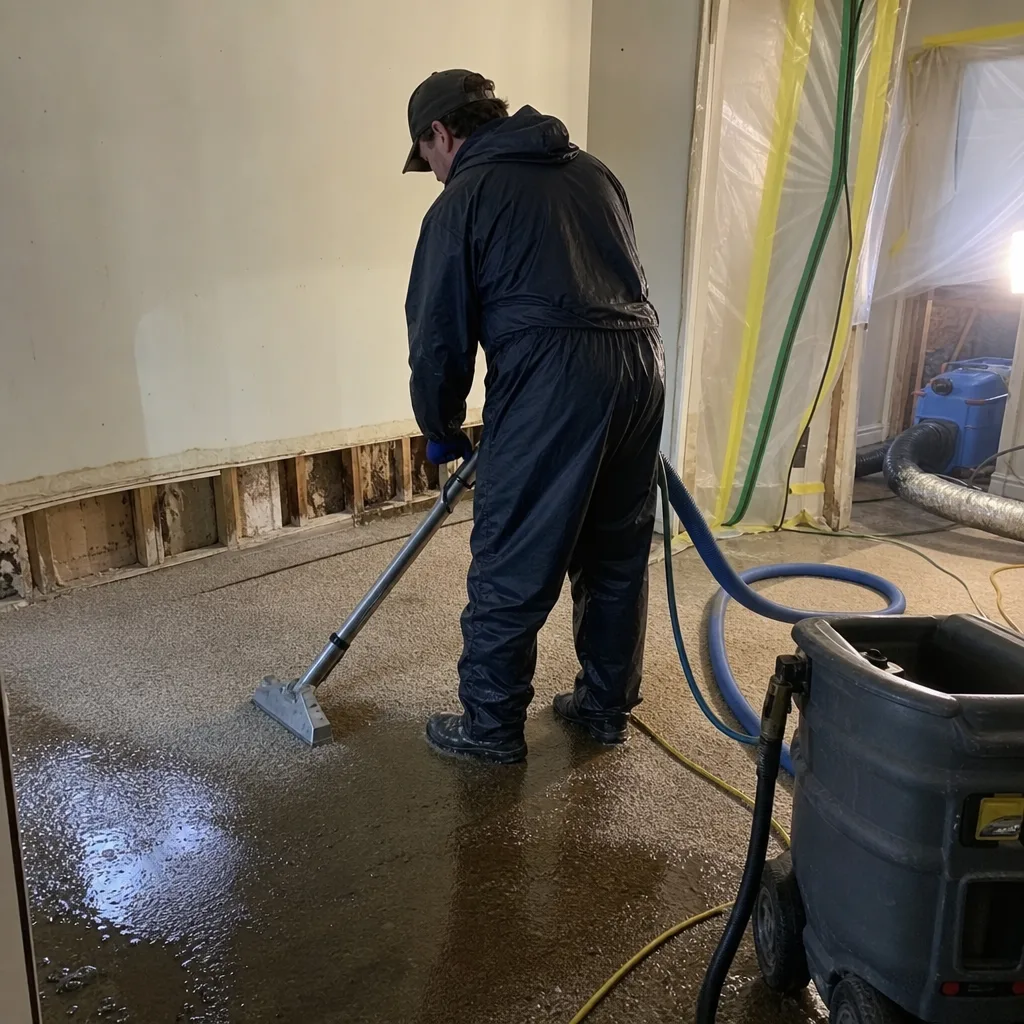
Contract language reveals a contractor’s business model. These three clauses appear in restoration contracts across Santa Clarita and consistently produce disputes.
“Assignment of Benefits” (AOB) Clauses
An AOB transfers your insurance claim rights to the contractor, who then bills your insurer directly and pursues payment themselves. In California, AOB agreements are legal but heavily regulated under Insurance Code Section 2071. The contractor gains standing to negotiate with your insurer and, in some cases, to litigate claim denials in their own name.
The risk: you lose visibility into the claim, lose control over settlement acceptance, and may face liens if the contractor and insurer dispute payment. In 2019, a Santa Clarita homeowner in Sand Canyon signed an AOB with a water mitigation company, then discovered the contractor had billed for 47 air mover days on a 1,200 square foot job that should have dried in 5 days. The insurer denied excess charges. The contractor placed a mechanics lien. The homeowner paid $14,000 to clear title for a home sale.
We do not use AOB clauses at DryMark Restoration Santa Clarita. We document thoroughly, bill you or your insurer transparently, and let you retain claim control.
Open-Ended “Time and Materials” Billing Without a Not-to-Exceed Cap
Time and materials contracts are standard for emergency services where damage extent is unknown. They’re dangerous without a not-to-exceed cap that triggers written approval before additional work. A typical red flag: “Labor at $85/hour plus materials at cost plus 20%, with no maximum.”
In Santa Clarita’s competitive restoration market, some contractors bid low on initial scope and recover margin through open-ended billing. Demand a not-to-exceed figure, with written change orders required for any overrun. Haven Standard, Clause 1: written price before work starts, every time.
Verbal Change-Order Approvals
Any contract that allows the crew lead to “call the office for approval” on changes, with you verbally consenting, is building in dispute potential. Demand that all scope changes be documented in writing, with cost impact, before work proceeds. The crew lead who discovers “surprise” asbestos in 1980s popcorn ceiling texture should stop work, document the finding with photos, obtain your written approval for abatement scope and price, and only then proceed.
Verbal approvals evaporate when invoices arrive. Written approvals, with photo documentation of the condition that prompted the change, survive adjuster review.
How to Evaluate Photo Documentation Protocol Before Work Begins
Photo documentation is not “we take pictures.” It’s a protocol: frequency, labeling convention, storage location, access method, and retention period. Evaluate it before signing by asking these specific questions.
Frequency: How Often and When
Minimum standard: photos at arrival, at each equipment check (typically daily), at scope changes, and at completion. In Santa Clarita’s fire season, when ash and soot damage requires rapid documentation before wind redistribution, arrival photos should be taken within two hours of crew dispatch.
Ask: “Will you photograph every room, or only affected areas?” The correct answer is every room, to establish pre-existing condition and protect against unfounded damage claims.
Labeling Convention: What the File Name Tells You
Descriptive file names should include date, time, room identifier, and photo sequence: 2024-03-15_0847_MasterBath_NorthWall_01.jpg. Not IMG_4729.jpg. The former sorts chronologically and geographically; the latter requires manual review of hundreds of files to reconstruct the job timeline.
Ask to see a sample archive from a completed job. If the contractor cannot produce organized files, their “photo documentation” is likely random phone snapshots that won’t survive discovery in a coverage dispute.
Storage and Access: Where the Archive Lives
Photos should be stored in a cloud-based system with timestamp and geotag verification, accessible to you and your adjuster without proprietary software. Ask: “Can my adjuster access these directly, or do they need to request them through your office?” Direct access speeds claim resolution; gatekept access creates friction.
Retention period should match your insurer’s claim reopening window, typically 3-5 years. Ask for the retention policy in writing.
At DryMark Restoration Santa Clarita, we use timestamped, geotagged photo records stored in shared cloud archives. Every visit produces dated documentation. Adjusters access directly. Homeowners retain download rights for the retention period. This is standard, not premium - anything less is incomplete documentation.
Questions That Reveal Actual Santa Clarita Adjuster Experience
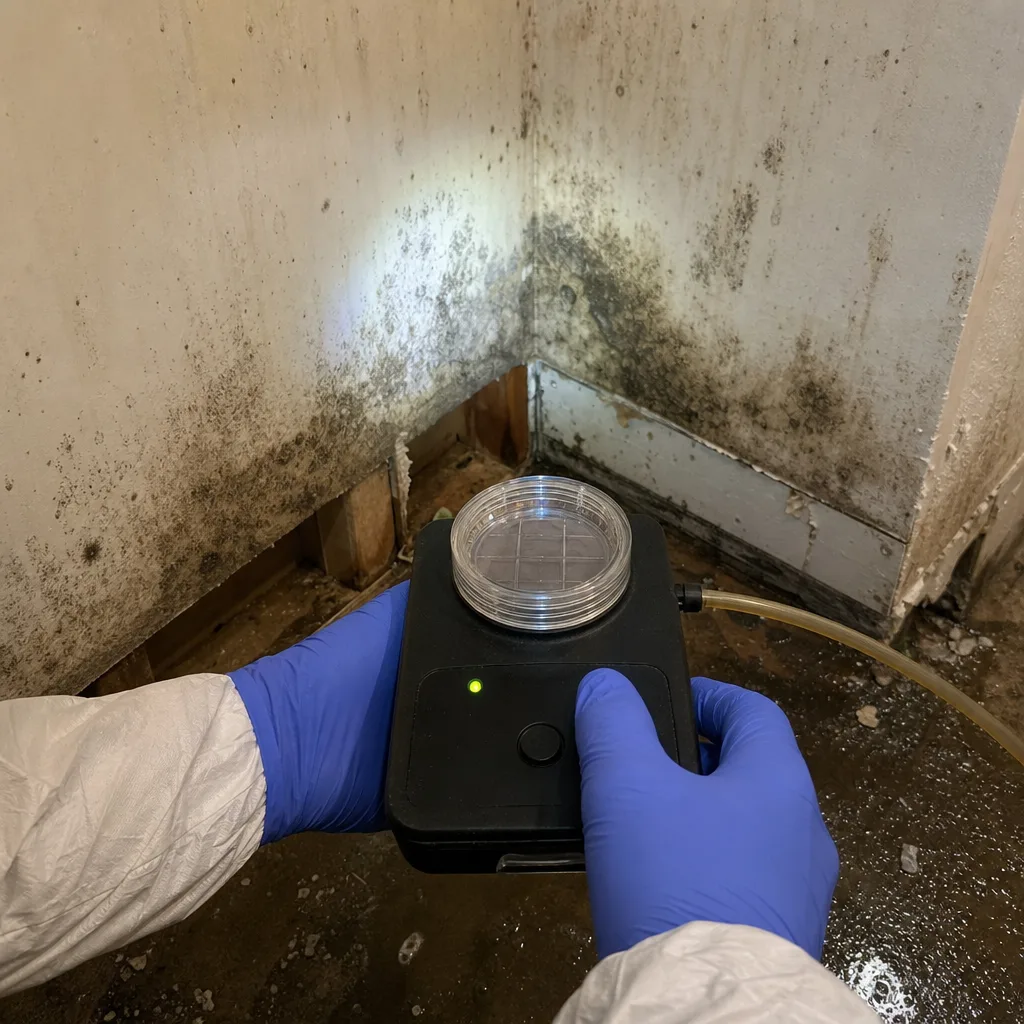
Restoration contractors often import processes from other markets without adjusting for local insurance practices. Santa Clarita’s insurer mix - heavy on national carriers with regional claim centers in Woodland Hills and Burbank, plus California FAIR Plan exposure in high-fire-risk canyon areas - creates specific documentation expectations.
These questions separate local experience from generic claims:
- “Which Santa Clarita-area adjusters have you worked with in the last 12 months?” A contractor with genuine local experience names specific adjusters or adjusting firms, not “all the major carriers.” Ask for two names and verify independently.
- “How do you handle FAIR Plan claims with delegated authority?” California FAIR Plan policies often use third-party administrators with limited settlement authority. Experienced contractors know to document more extensively for FAIR Plan claims because every line item may require separate approval.
- “What’s your process when an adjuster requests tertiary drying verification?” Tertiary drying - the final phase where materials reach equilibrium moisture content with ambient conditions - requires specific documentation in Santa Clarita’s dry climate. Contractors who ask “what’s tertiary drying?” are not current on IICRC S500 standards.
- “How do you document vapor pressure differential in hillside homes?” Santa Clarita’s canyon and hillside construction creates pressure differentials between upper and lower levels that affect drying strategy. Experienced contractors measure and document vapor pressure, not just relative humidity.
- “What’s the typical turnaround for supplemental claim documentation with [specific carrier]?” National carriers have specific supplemental submission portals and timelines. A contractor who submits paper supplements to a carrier that requires electronic upload through XactAnalysis or Symbility delays your claim by weeks.
The contractor who answers these specifically, with named systems and timelines, has worked the local market. The contractor who generalizes - “we handle all carriers the same” - has not adapted to Santa Clarita’s specific adjuster landscape.
What Restoration Costs in Santa Clarita (and What Drives Price)
Restoration pricing in Santa Clarita reflects local construction costs, access challenges in hillside neighborhoods, and the documentation standard required for insurance approval. These ranges represent typical costs for properly documented work; prices below these ranges often indicate incomplete documentation, uninsured labor, or equipment shortcuts that produce claim denials.
| Service Category | Typical Range in Santa Clarita | Primary Price Drivers |
|---|---|---|
| Water mitigation (Category 1, per affected square foot) | $4.50 – $7.50 | Category escalation, equipment count, drying days to documented completion |
| Water mitigation (Category 2, per affected square foot) | $6.00 – $10.00 | Antimicrobial application, content manipulation, extended drying |
| Water mitigation (Category 3, per affected square foot) | $8.00 – $14.00 | Containment, PPE, disposal, HEPA air scrubbing |
| Mold remediation (per square foot of contained area) | $15.00 – $30.00 | Containment complexity, HVAC isolation, post-remediation verification testing |
| Fire & smoke damage restoration (per affected square foot) | $12.00 – $25.00 | Soot type (protein vs. synthetic), odor complexity, content restoration vs. replacement |
| Sewage cleanup (per affected square foot) | $10.00 – $18.00 | Category 3 classification, porous material removal extent, antimicrobial protocol |
| Reconstruction (drywall, flooring, paint, per square foot) | $25.00 – $65.00 | Material grade, finish level, permit requirements, hillside access |
These ranges assume professional-grade equipment: Dri-Eaz and Phoenix dehumidifiers, XPOWER and B-Air air movers, Injectidry systems for cavity drying. Contractors using consumer-grade equipment from hardware stores cannot achieve the drying efficiency that these ranges assume, and their documentation typically lacks the equipment serial numbers and runtime verification that adjusters require.
Santa Clarita-specific cost factors include:
- Hillside access: Properties in Sand Canyon, Happy Valley, or upper Stevenson Ranch may require equipment staging on narrow roads, extending labor hours.
- Water source: Santa Clarita Valley Water Agency service areas have hard water with high mineral content; Category 1 water left standing can scale rapidly, accelerating Category escalation.
- Fire risk documentation: In Very High Fire Severity Zones, restoration work may trigger brush clearance requirements or trigger additional inspection by Los Angeles County Fire, extending timelines.
- Age of housing stock: Pre-1990 construction in Newhall and Canyon Country may contain asbestos-containing materials or lead-based paint, requiring abatement that adds $8-15 per square foot to demolition scope.
We provide written pricing before work begins on every job, with line-item detail that matches these ranges to your specific conditions. Fire & Smoke Damage Restoration in Santa Clarita and other specialty services require on-site assessment for accurate scope; estimates are free and carry no obligation.
Common Mistakes to Avoid
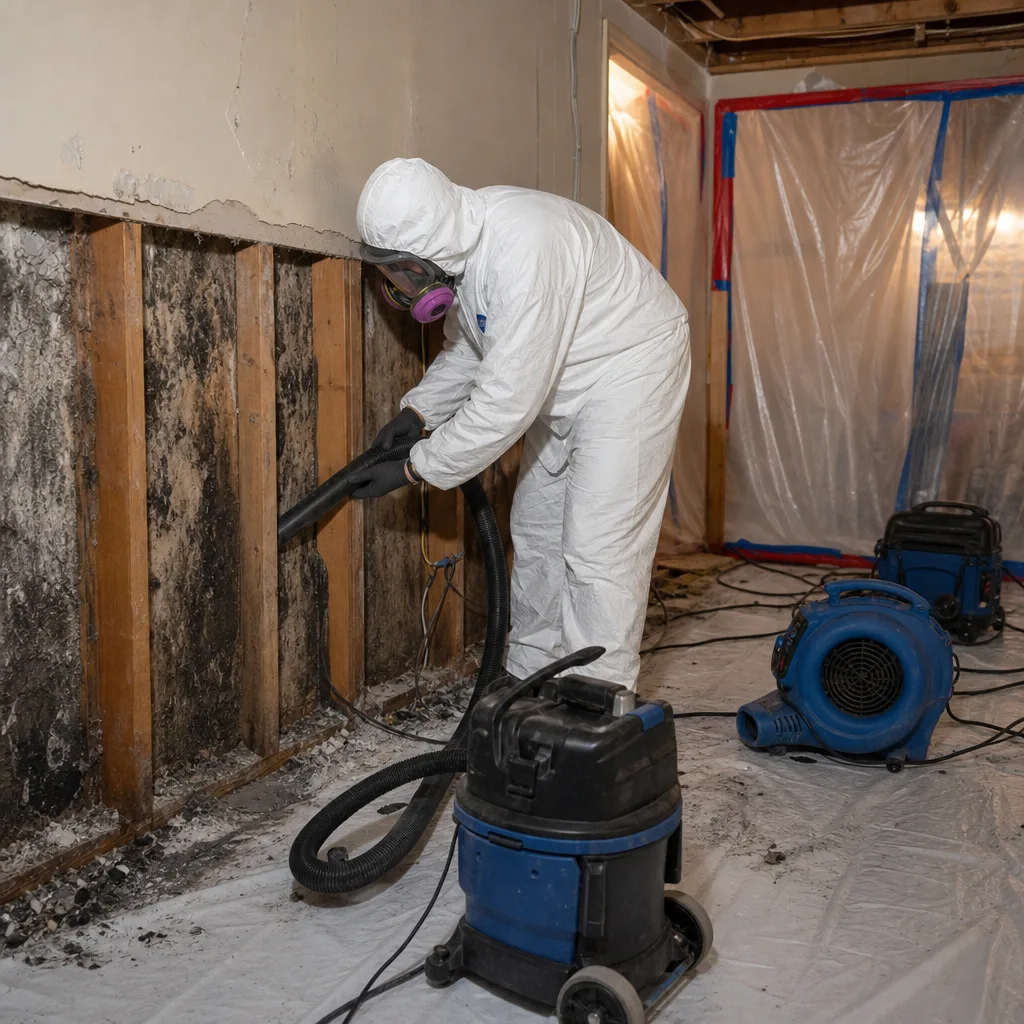
- Hiring based on response speed alone. In Santa Clarita’s emergency restoration market, the crew that arrives in 30 minutes with no documentation protocol will cost more than the crew that arrives in 90 minutes with a written scope and photo record system. Speed matters for water mitigation; speed without documentation produces claim denials.
- Accepting verbal estimates. California law requires written contracts for home improvement work exceeding $500. More importantly, verbal estimates evaporate when scope expands. Demand written pricing before work starts - Haven Standard, Clause 1.
- Failing to verify the crew lead’s certification. Company certifications hang on the wall. Crew lead certifications determine whether your drying log meets IICRC standards. Verify individually.
- Ignoring permit requirements for reconstruction. Santa Clarita building permits are required for structural repairs, electrical, plumbing, and HVAC work. Unpermitted reconstruction voids some insurance coverage and complicates home sales. A contractor who suggests “we can skip permits to save time” is exposing you to liability.
- Not requesting equipment serial numbers. Adjusters match billed equipment to documented equipment. A contractor who bills for three Phoenix 200HT dehumidifiers but only documents two serial numbers has created a discrepancy that delays payment. Request serial number documentation upfront.
- Overlooking the 365-day warranty terms. Many contractors offer “warranties” with no written terms, no specified response time for warranty claims, and no coverage for consequential damage. The Haven Standard 365-Day Done Right Promise specifies: if it’s not done right, we make it right, with written response commitments and coverage for directly related secondary damage.
When to Call a Professional
Call a restoration contractor immediately when water has saturated structural materials (drywall, subfloor, framing), when mold is visible or suspected based on musty odor, when fire or smoke damage affects multiple rooms, or when sewage or biohazard contamination is present. These conditions escalate rapidly and require documented professional response for insurance coverage.
In Santa Clarita, where summer temperatures exceed 100°F and winter Santa Ana winds drive rapid moisture changes, water damage left unaddressed for 48 hours typically escalates from Category 1 to Category 2, doubling mitigation cost. Mold colonization in wall cavities begins within 72 hours of moisture intrusion in our climate.
For reconstruction-only needs - cosmetic repairs after verified dry conditions, remodeling unrelated to damage - schedule normally and obtain multiple written scopes. Do not treat reconstruction as emergency work; the documentation and pricing standards differ.
DryMark Restoration Santa Clarita offers free estimates in Santa Clarita - call (747) 294-2725. Live phone coverage is available 24 hours a day, 7 days a week with no voicemail on emergency lines. Every job is quoted in writing before work begins, documented with a photo record on every visit, and covered by the 365-Day Done Right Promise.
Frequently Asked Questions
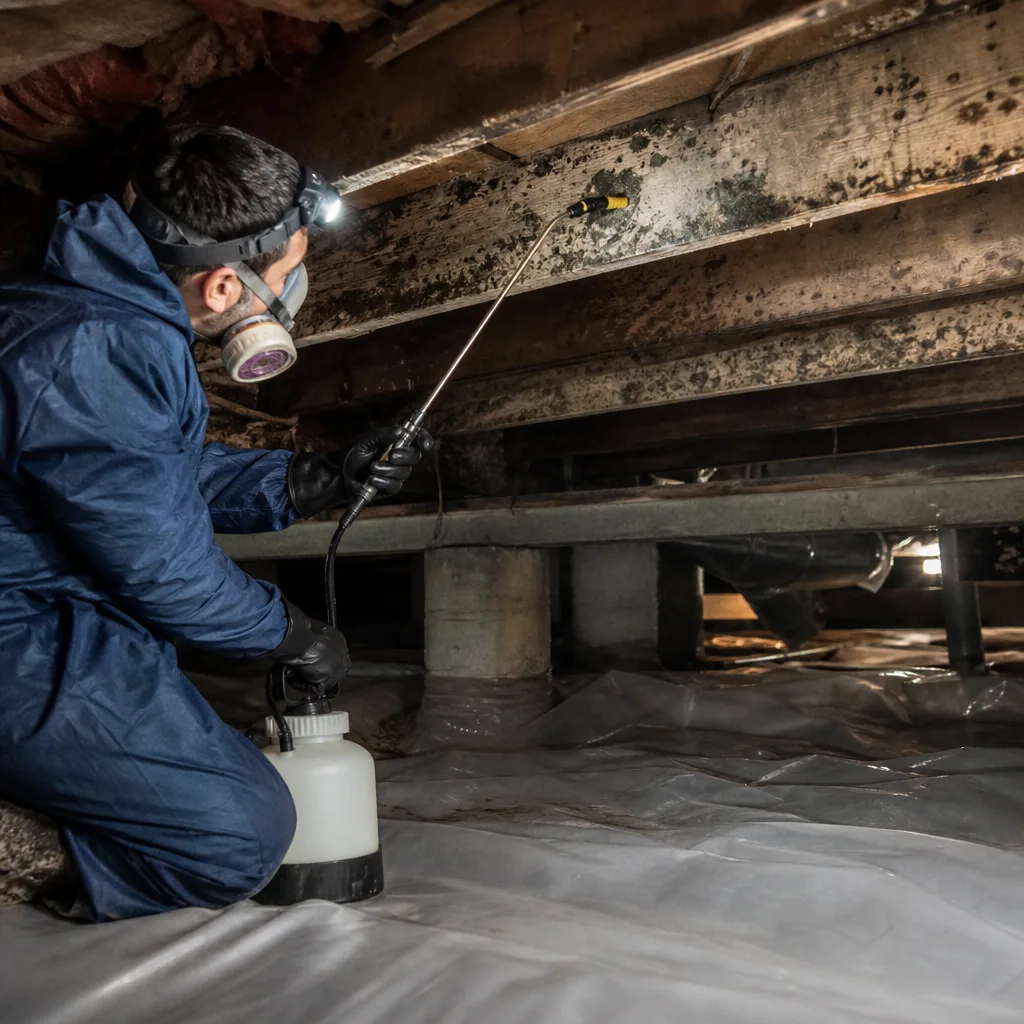
Visit cslb.ca.gov and enter the license number the contractor provides. Verify the classification matches the work, check for active license status, and review the bond and workers’ compensation insurance status. A B-General license covers reconstruction involving multiple trades but not standalone water mitigation; verify the contractor has appropriate classification or subcontractor arrangements for your specific job.
Your insurer may deny portions of the claim if the contractor’s documentation doesn’t support the billed work. Insurance covers sudden and accidental damage, not documentation failures. The contractor’s license status, certification, and documentation quality directly affect claim approval. Hiring an unlicensed contractor may void coverage entirely under some policy terms.
Emergency water mitigation contractors typically dispatch within 1-2 hours in Santa Clarita’s core areas (Valencia, Saugus, Newhall, Canyon Country). Hillside properties in Sand Canyon or upper Stevenson Ranch may take 2-3 hours due to access. Reconstruction work is scheduled, not dispatched; expect 3-10 days for scope development and scheduling depending on trade availability and permit requirements. Call (747) 294-2725 for current emergency response times.
Visible mold growth exceeding 10 square feet, or any mold growth in HVAC systems, requires professional remediation per IICRC S520 and California Department of Public Health guidance. Surface cleaning with household products is appropriate only for minor, non-porous surface growth under 10 square feet with no moisture source remaining. When in doubt, request a written assessment with air or surface sampling; we provide free second opinions on any competitor’s written mold estimate.
You retain claim control unless you sign an Assignment of Benefits. The contractor should document thoroughly and communicate directly with your adjuster at your request, but you approve scope and settlement. At DryMark Restoration Santa Clarita, we coordinate adjuster meetings, provide direct archive access, and explain documentation in plain language - but you sign every scope change and retain claim authority.
Water mitigation is emergency stabilization: extraction, drying, demolition of unsalvageable materials, and antimicrobial application. Reconstruction is rebuilding: drywall, flooring, paint, fixtures, and finish work. These require different CSLB classifications, different insurance claim coding, and different contractor skill sets. Some companies perform both; others subcontract reconstruction. Verify which your contractor will perform directly and which will be subcontracted, with license numbers for each party.
The Bottom Line
Hiring a damage restoration contractor in Santa Clarita comes down to one question: will this company produce documentation that an adjuster can approve without calling back? Licenses and reviews filter out the worst actors, but only documentation protocols - written scopes, certified crew leads, verifiable drying logs, and systematic photo records - protect your claim and your out-of-pocket costs. Request the three documents before signing. Verify CSLB classifications match the work. Evaluate photo protocols specifically. Ask questions that reveal genuine Santa Clarita adjuster experience. The contractors who welcome this scrutiny are the ones who’ve built their business on evidence, not assurance.
Written by Alicia Brennan, Owner at DryMark Restoration Santa Clarita, serving Santa Clarita since 2011.