
Free visual inspection and a written scope of work before any mitigation begins - photos, moisture readings, and drying logs go in your claim file
The scope we write is the scope we bill. Anything new gets shown to you, in writing, before we touch it.
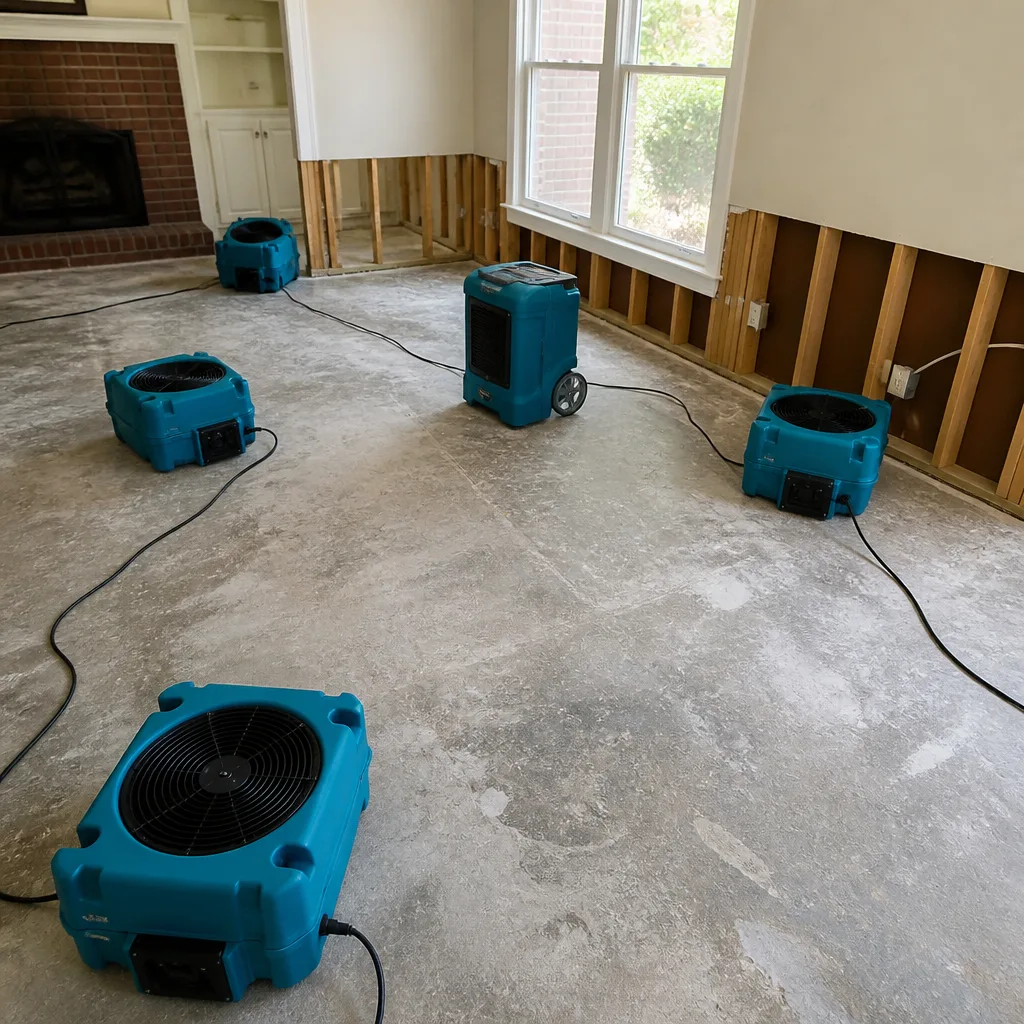
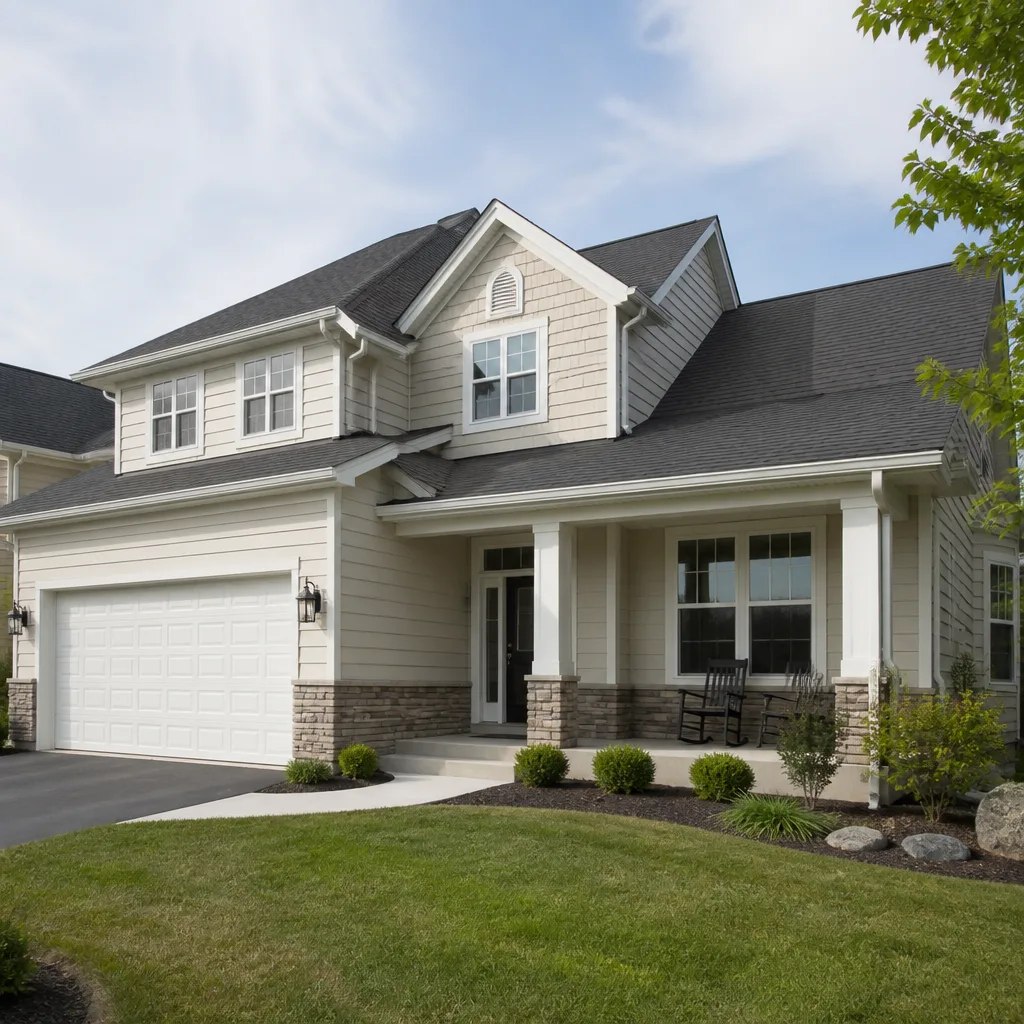
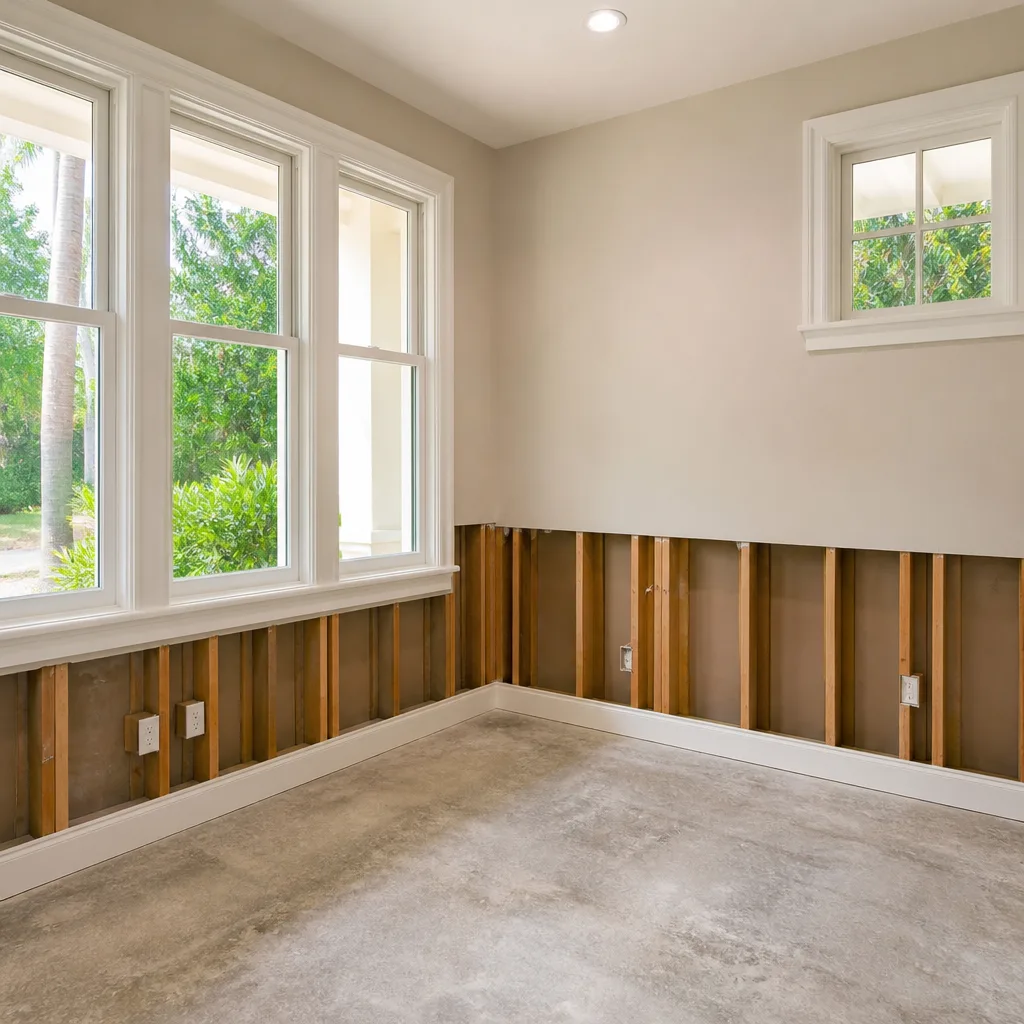
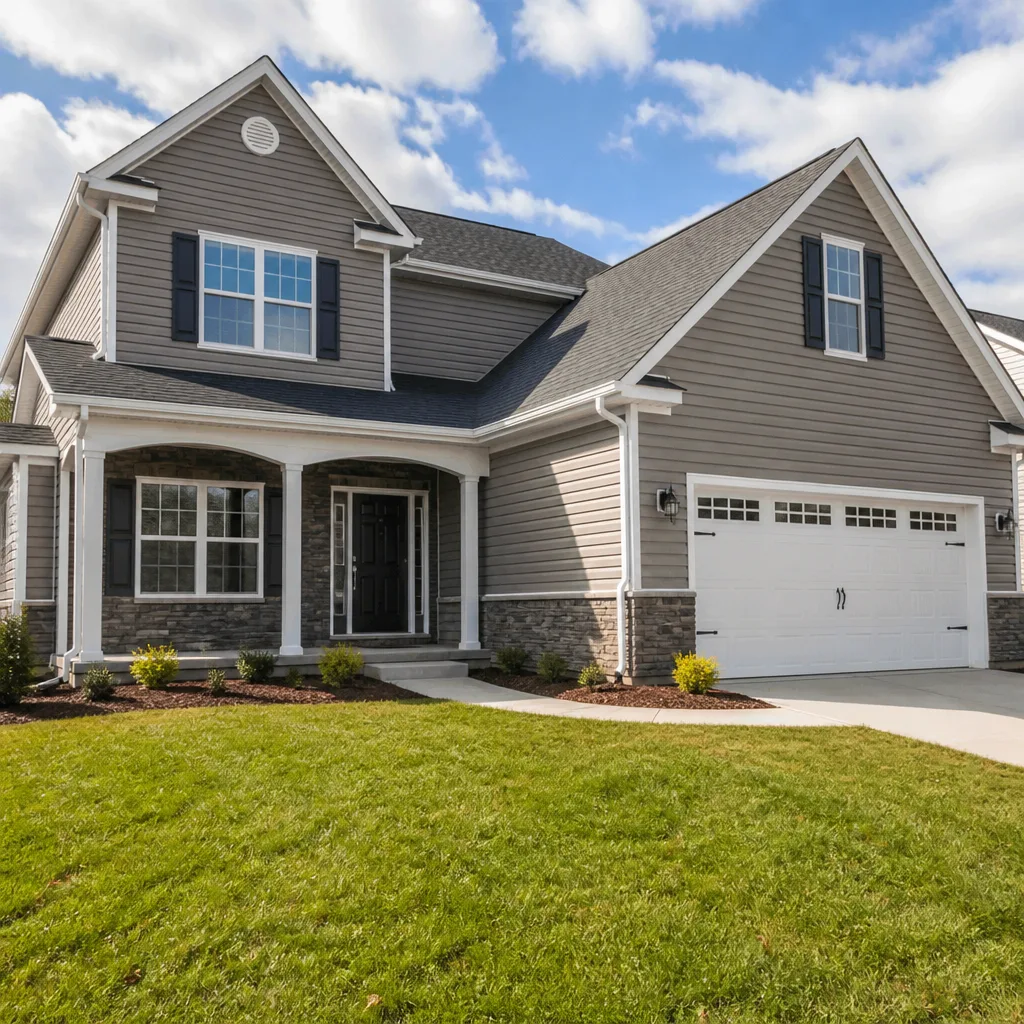
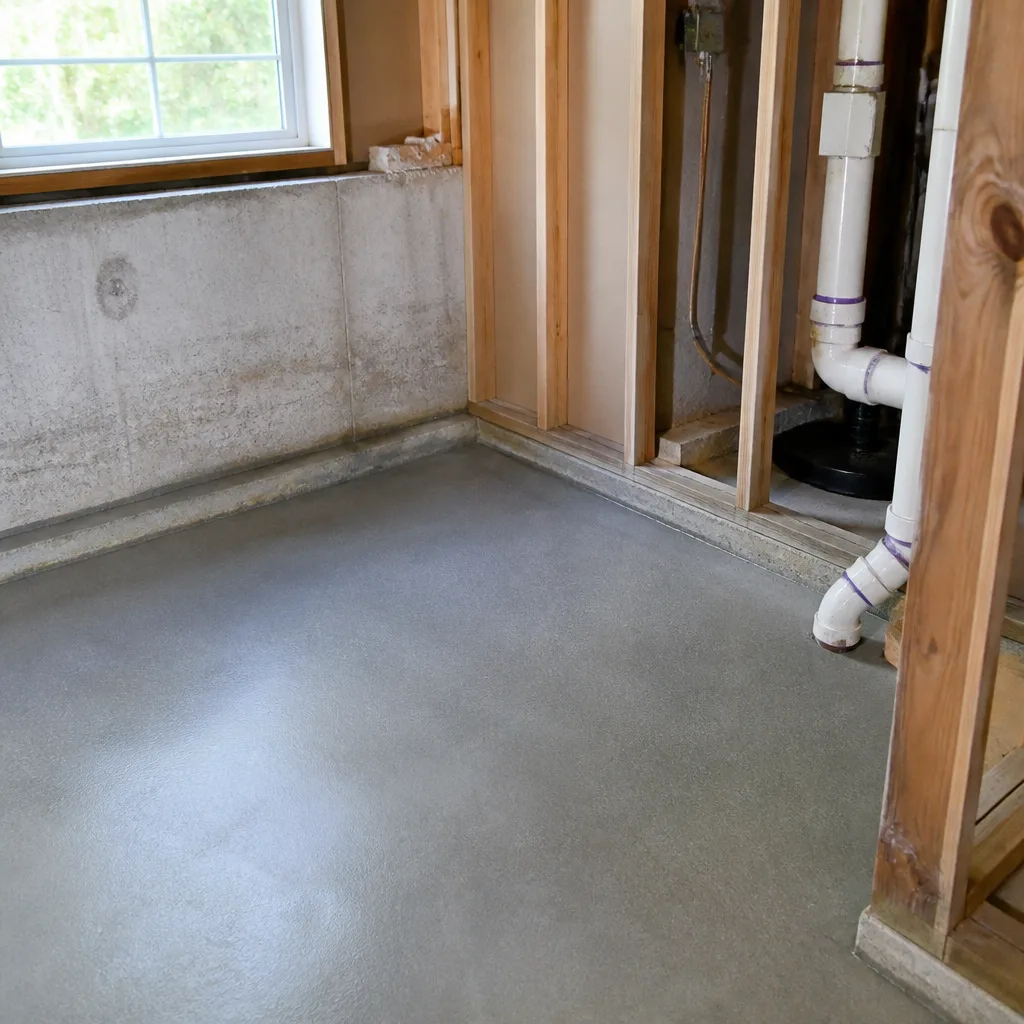
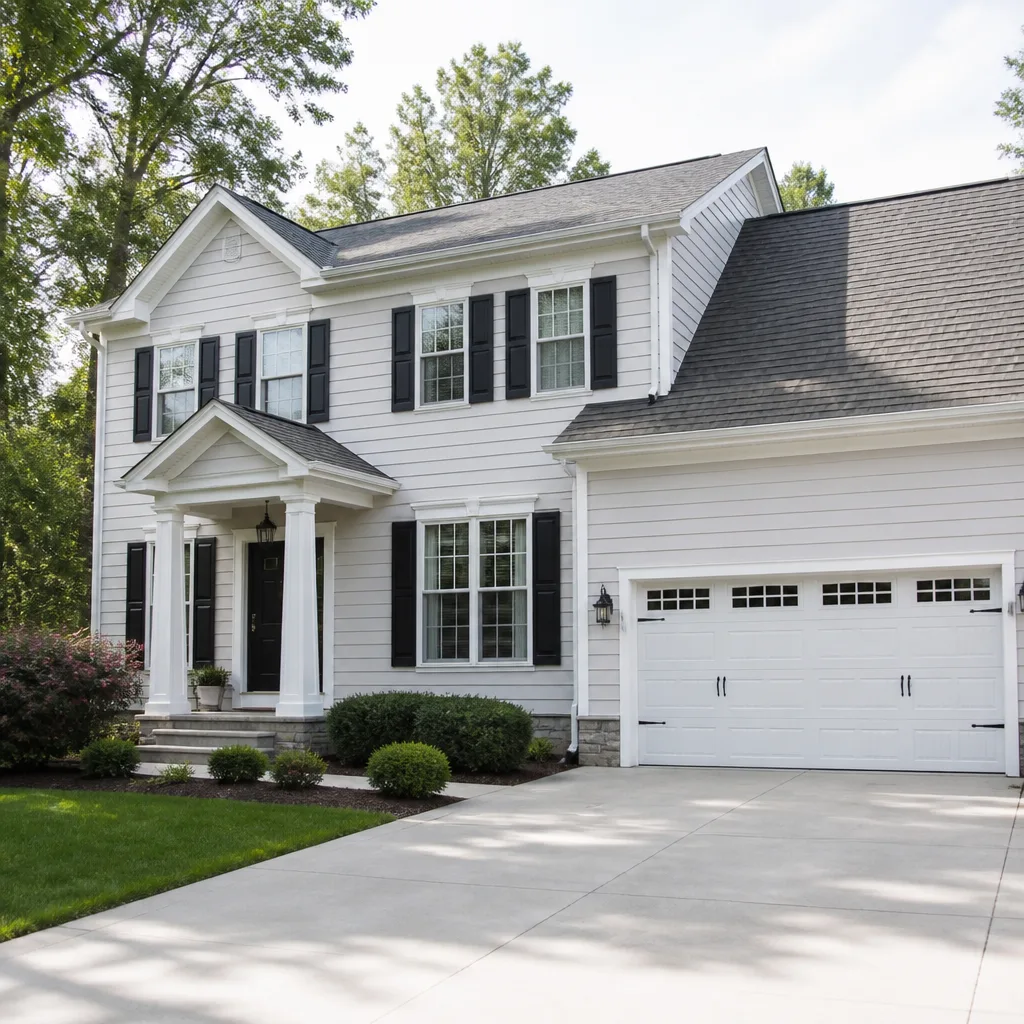
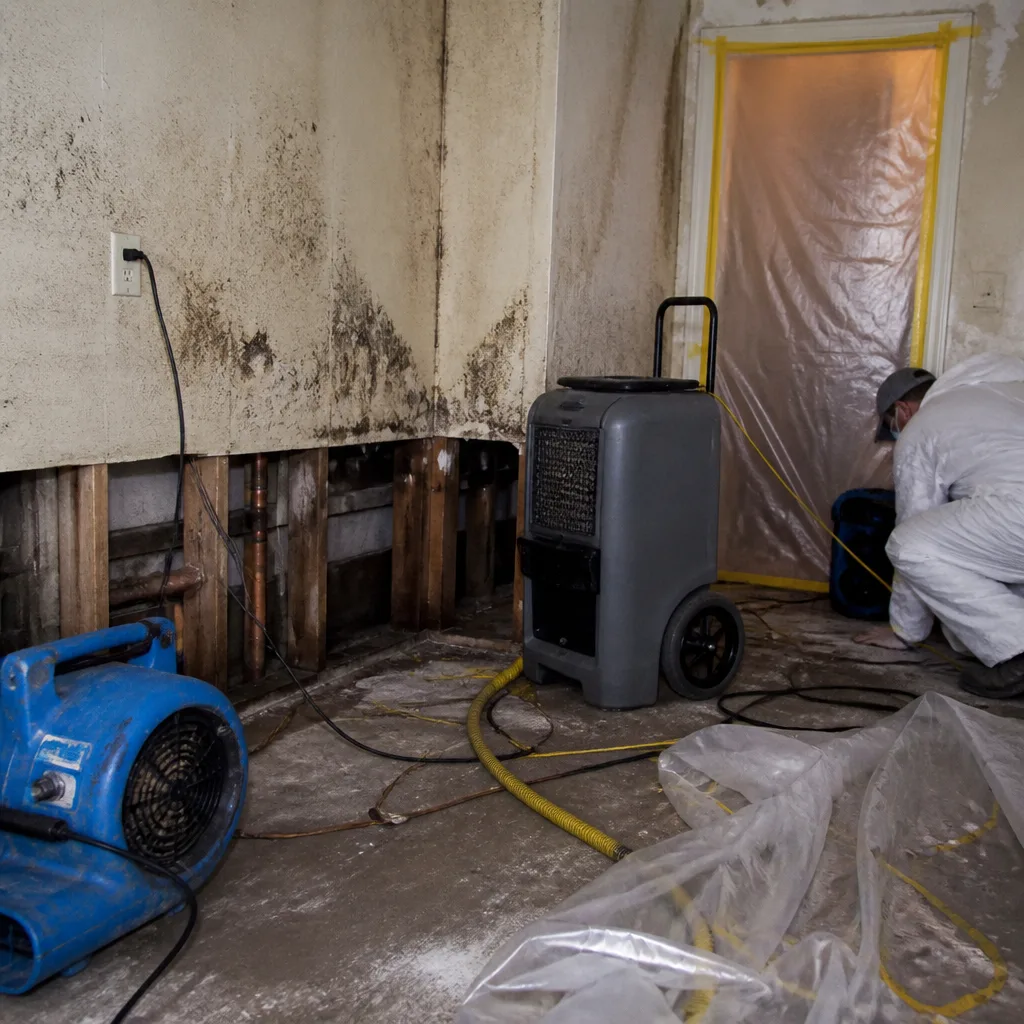 Before
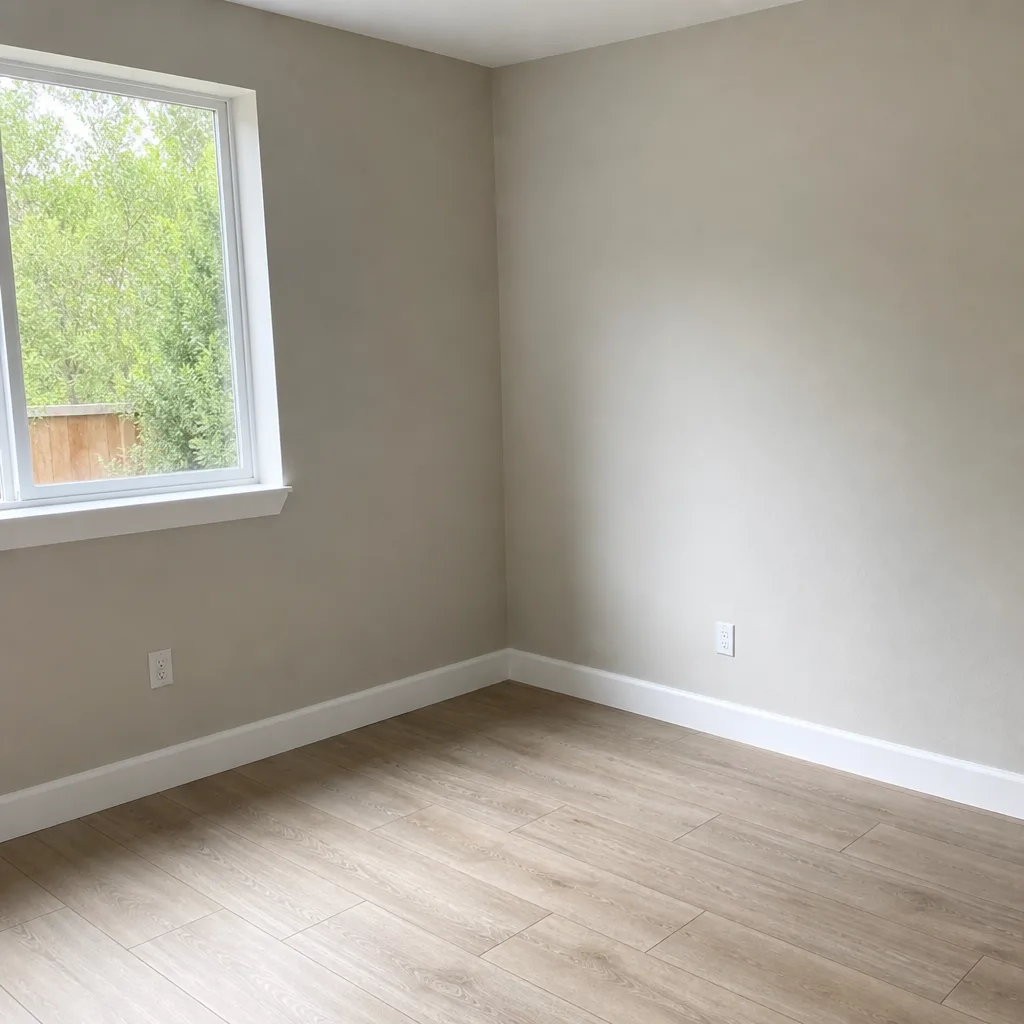 After
After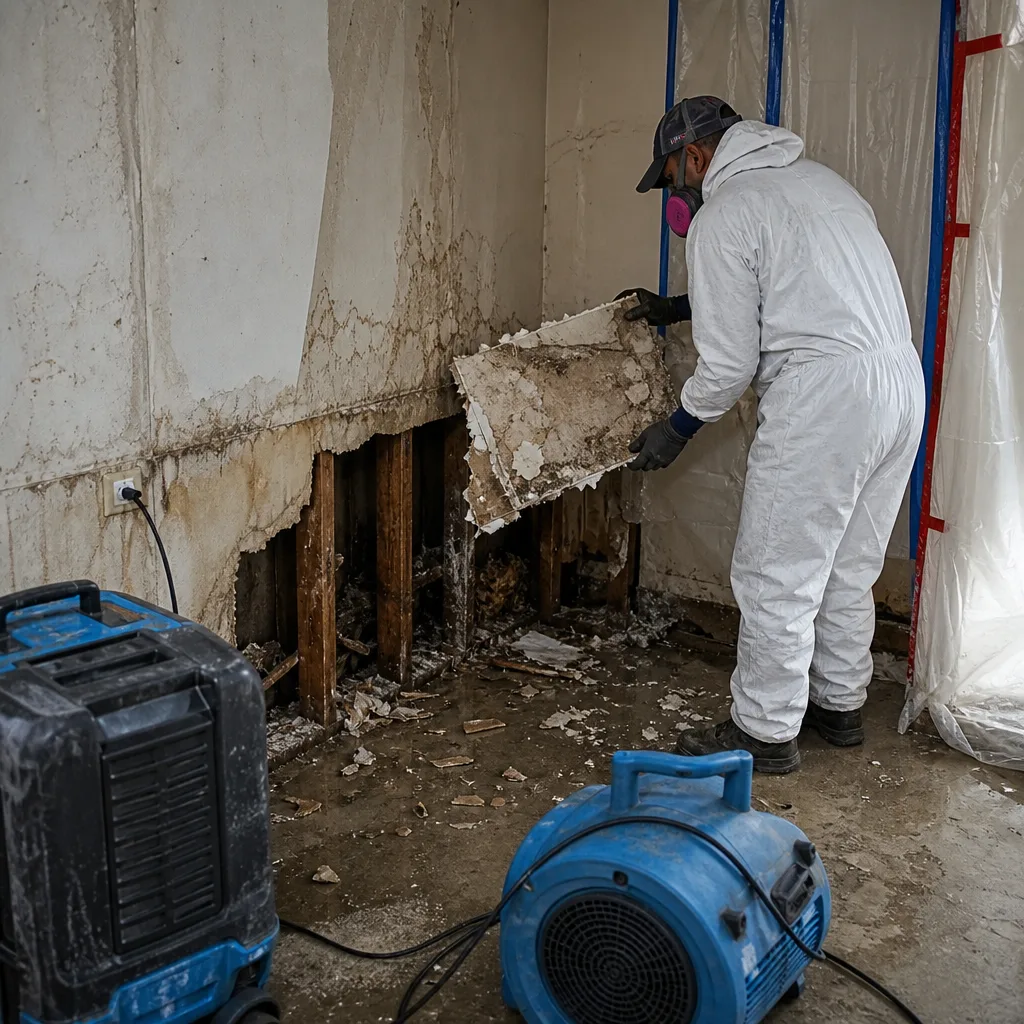 Before
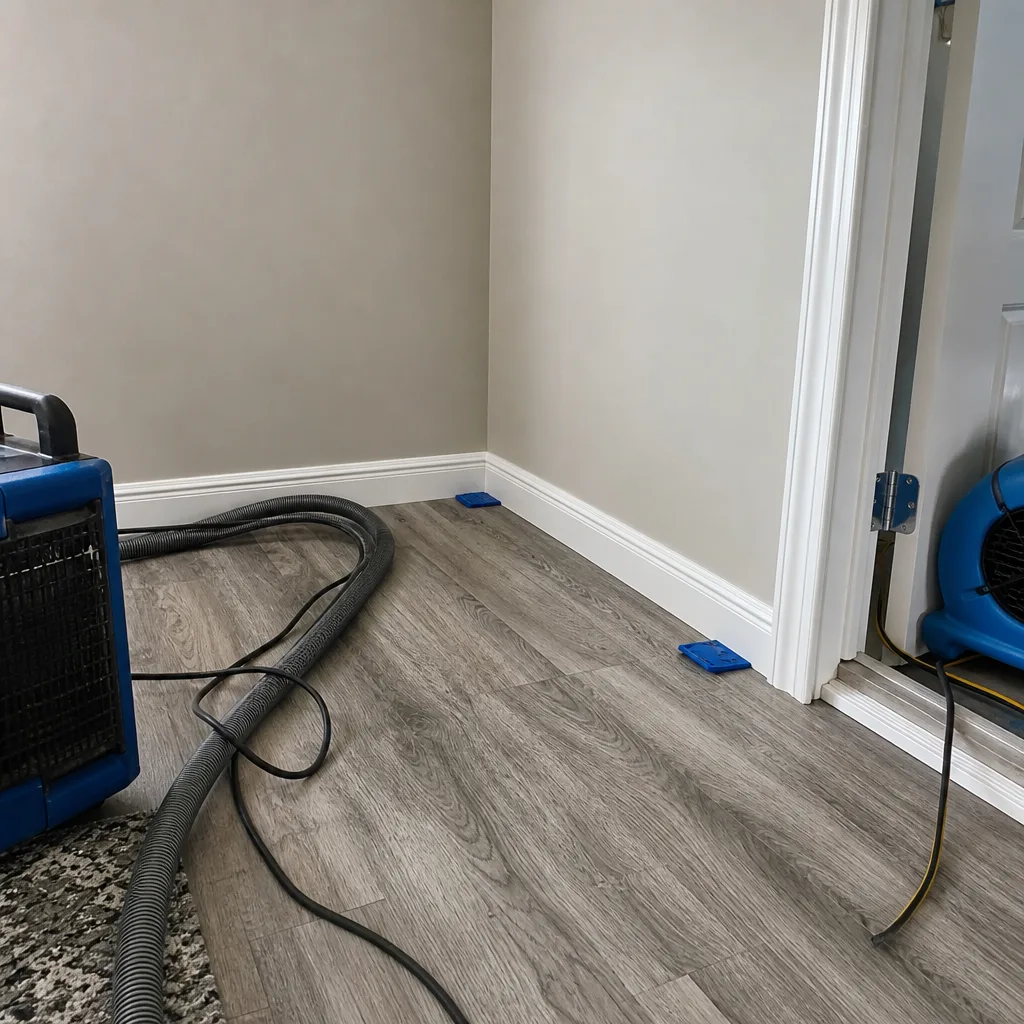 After
After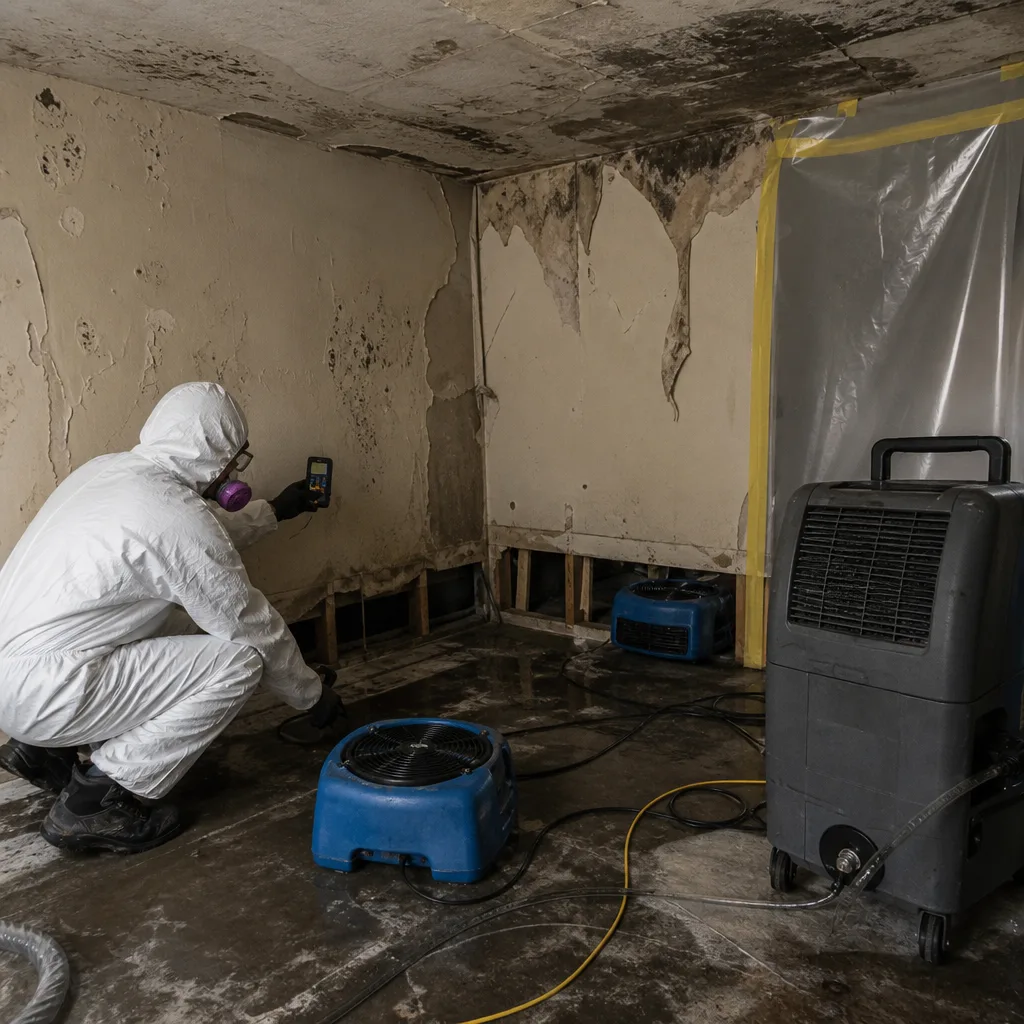 Before
 After
After24/7 Emergency Water Damage Restoration in Panorama City
Water damage restoration in Panorama City typically costs $2,800-$7,500 for a standard residential drying job, with emergency extraction starting at $450-$950 and most crews arriving within 45 minutes of a live call. Every minute water sits on Panorama City’s compacted valley hardpan, it migrates laterally under slabs and into neighboring units in these dense Kaiser-built tracts. Call (747) 294-2725 now - a real person answers, 24 hours a day, and we’ll have a crew en route with extraction equipment, thermal imaging, and moisture meters on board.
Our Water Damage Restoration team serves Panorama City from our Los Angeles office, with crews staged for the unique access patterns of this neighborhood: narrow postwar driveways, alley-loaded apartment blocks off Van Nuys Blvd, and the tight clearance between Kaiser Community Homes parcels that standard box trucks can’t negotiate. We bring compact extraction rigs and portable drying systems designed for these constraints.
The first hour determines whether a Panorama City water loss stays a Category 1 drying job or degrades into Category 2 or 3 contamination requiring full gutting. Our free visual inspection includes moisture mapping the full envelope, not just the obvious wet spot, because in Panorama City the real damage is often traveling along 1994-era seismic pathways you can’t see from the living room.
Understanding Water Damage Restoration Severity in Panorama City Properties
Water damage classification follows IICRC S500 standards: Category 1 is clean water from a broken supply line, Category 2 is gray water with chemical or biological loading from appliances or sump failures, and Category 3 is black water from sewage intrusion or ground flooding requiring full removal of porous materials. In Panorama City, we see Category 1 degrade to Category 2 faster than in newer construction because 65-75 year-old galvanized supply lines shed corrosion particles into standing water, and the original cast-iron drains in 1960s apartment complexes introduce bacterial loading the moment a backup occurs.
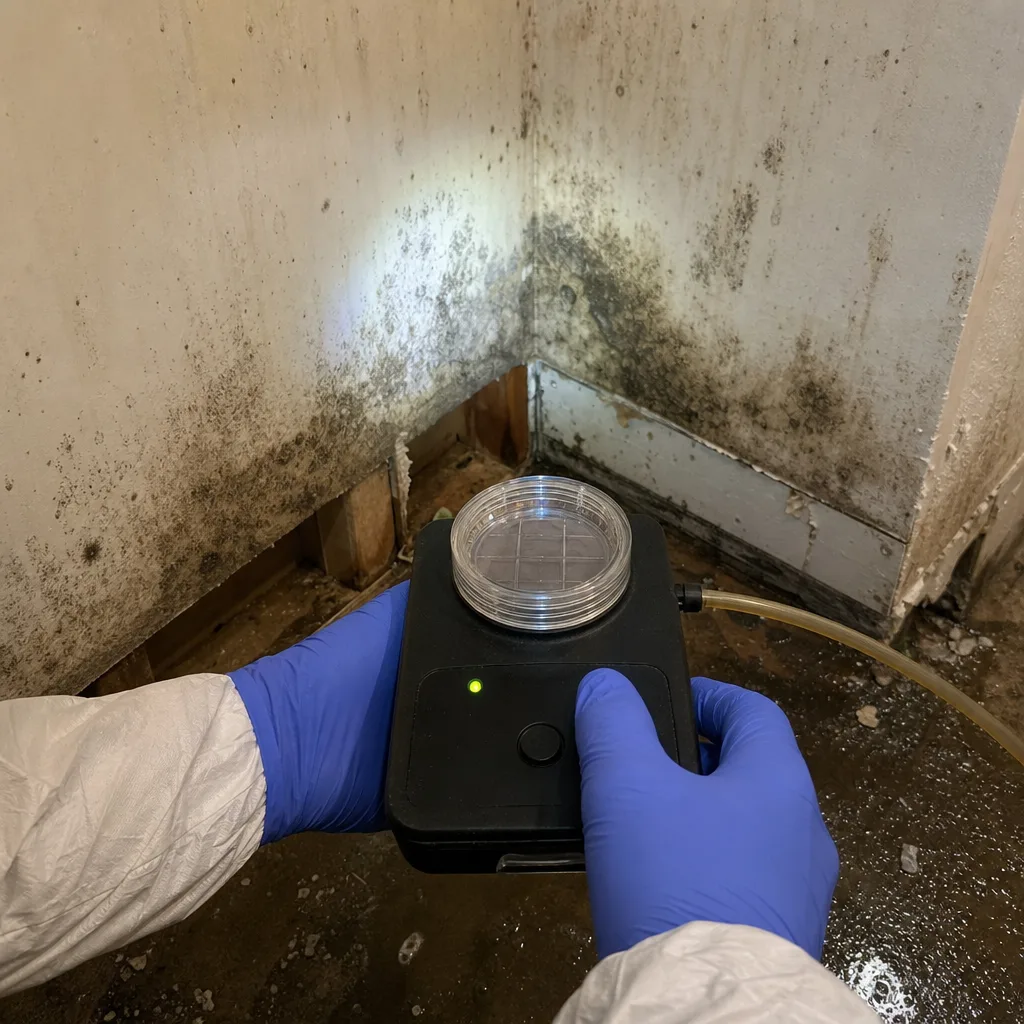
Moisture mapping with thermal imaging and non-penetrating meters lets us trace water migration without tearing into walls prematurely. Structural drying uses psychrometric data - temperature, relative humidity, and vapor pressure differential - to calculate exactly how much moisture the air can hold and how fast we can pull it from wood framing without causing secondary damage. In Panorama City’s Kaiser-built homes with original stucco over wire lath, vapor pressure differentials behave differently than in modern construction; the stucco acts as a one-way valve, trapping moisture inside while appearing dry to the touch.
Our crews document every reading to IICRC, RIA, and IFA standards, producing the daily drying logs that turn restoration invoices into payable insurance claims. This documentation-first approach matters especially in Panorama City, where carriers increasingly scrutinize whether water damage is truly from a reported plumbing failure or from long-term infiltration through pre-existing seismic cracks - a distinction that can mean the difference between full coverage and a denied claim.
Why Panorama City Property Owners Choose DryMark Restoration Santa Clarita
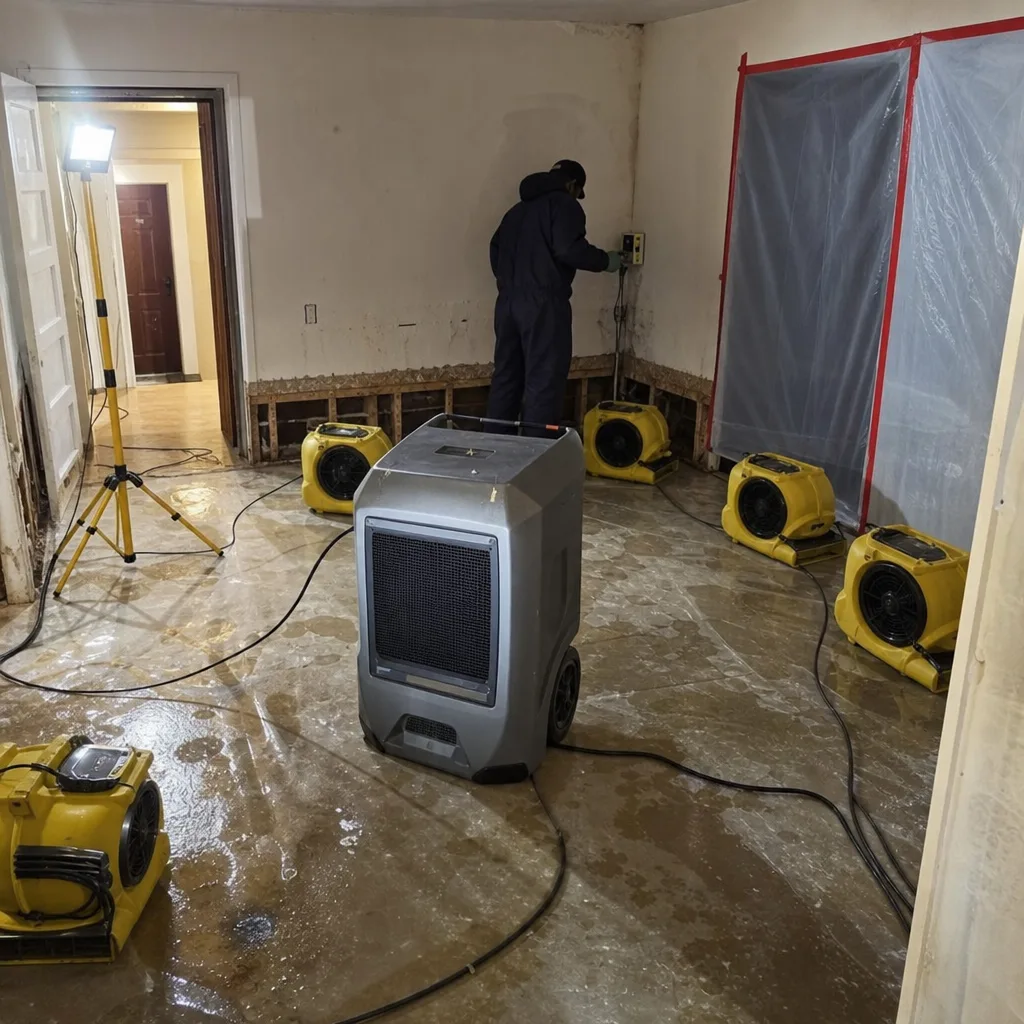
- 45-minute response commitment to Panorama City addresses, with crews carrying compact equipment sized for narrow Kaiser tract driveways and alley-loaded apartment access.
- 24/7 live answer - a real person, never an automated system or voicemail tree, because water doesn’t wait for business hours and neither do we.
- IICRC-certified crews holding WRT (Water Damage Restoration Technician), FSRT (Fire & Smoke Restoration Technician), and AMRT (Applied Microbial Remediation Technician) credentials, with license numbers verified and provided on request.
- Free visual inspection with moisture mapping and thermal imaging before any work is authorized or priced.
- Direct insurance billing with photo-documented estimates formatted to carrier standards, plus direct adjuster coordination from day one.
- One team from extraction through reconstruction - no handoffs between subcontractors that lose continuity on Panorama City’s unique seismic legacy conditions.
 Before
 After
AfterOur Water Damage Restoration Process
1. Inspection & Assessment
We arrive with thermal imaging cameras, penetrating and non-penetrating moisture meters, and hygrometers to map the full water footprint. In Panorama City, this always includes probing stucco near the sill plate for 1994-era crack filler separation and checking slab perimeters for hardpan-driven lateral migration. You receive a written scope and price before any work begins - Haven Standard, Clause 1.
2. Extraction & Stabilization
Portable truck-mounted extractors and compact portable units remove standing water from tight-clearance Panorama City homes where larger equipment can’t access. We deploy weighted extraction tools on saturated carpet and pad, then set up containment to prevent cross-contamination if category escalation is suspected.
3. Drying & Dehumidification
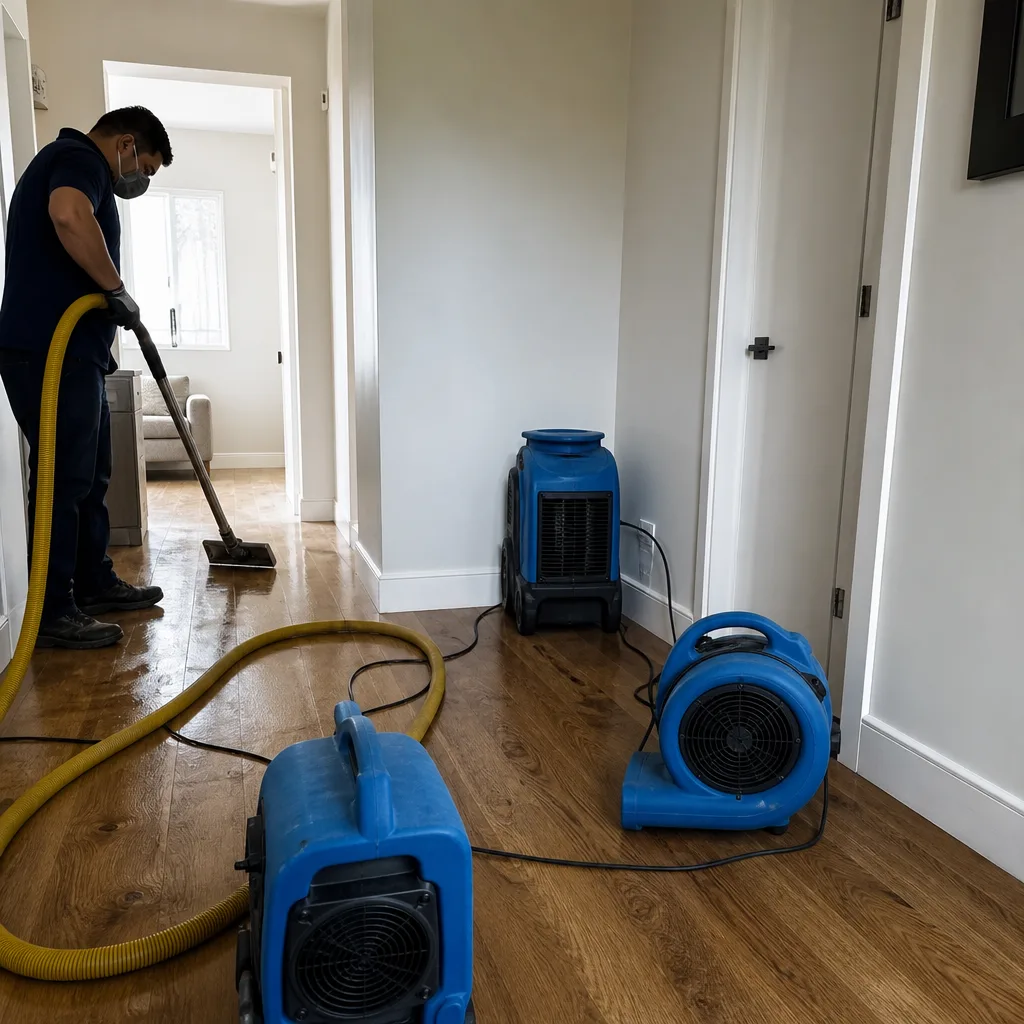
Air movers from Dri-Eaz and Phoenix create controlled airflow across wet surfaces while LGR dehumidifiers pull moisture from the air. For wall cavities and hardwood floors, we use Injectidry panel systems and mat drying to deliver targeted airflow without full demolition. Daily moisture logs track progress to IICRC standards.
4. Cleaning & Sanitization
HEPA air scrubbers run continuously during drying to capture airborne particles. Antimicrobial treatments apply to affected surfaces when Category 2 or 3 conditions exist, with documentation of product, concentration, and application method for your carrier’s file.
5. Seismic Legacy Pathway Treatment
Unique to Panorama City: we treat 1994 Northridge-era crack repairs as active infiltration suspects. Where moisture mapping reveals hidden migration through patched stucco or shifted slab joints, we open minimal access points, remove failed crack filler, and install proper flashing and sealant to stop recurring intrusion - documented with before-and-after photography.
6. Repairs & Restoration
Our reconstruction team returns affected areas to pre-loss condition using matching materials and finishes. In Panorama City’s vintage Kaiser homes, we source period-appropriate stucco textures and trim profiles, with all work covered by our 365-Day Done Right Promise under The Haven Standard.
Need Emergency Water Damage Restoration in Panorama City Now?
Crews minutes away, answering live 24 hours a day. The sooner we start, the less it costs.
Working With Your Insurance Company
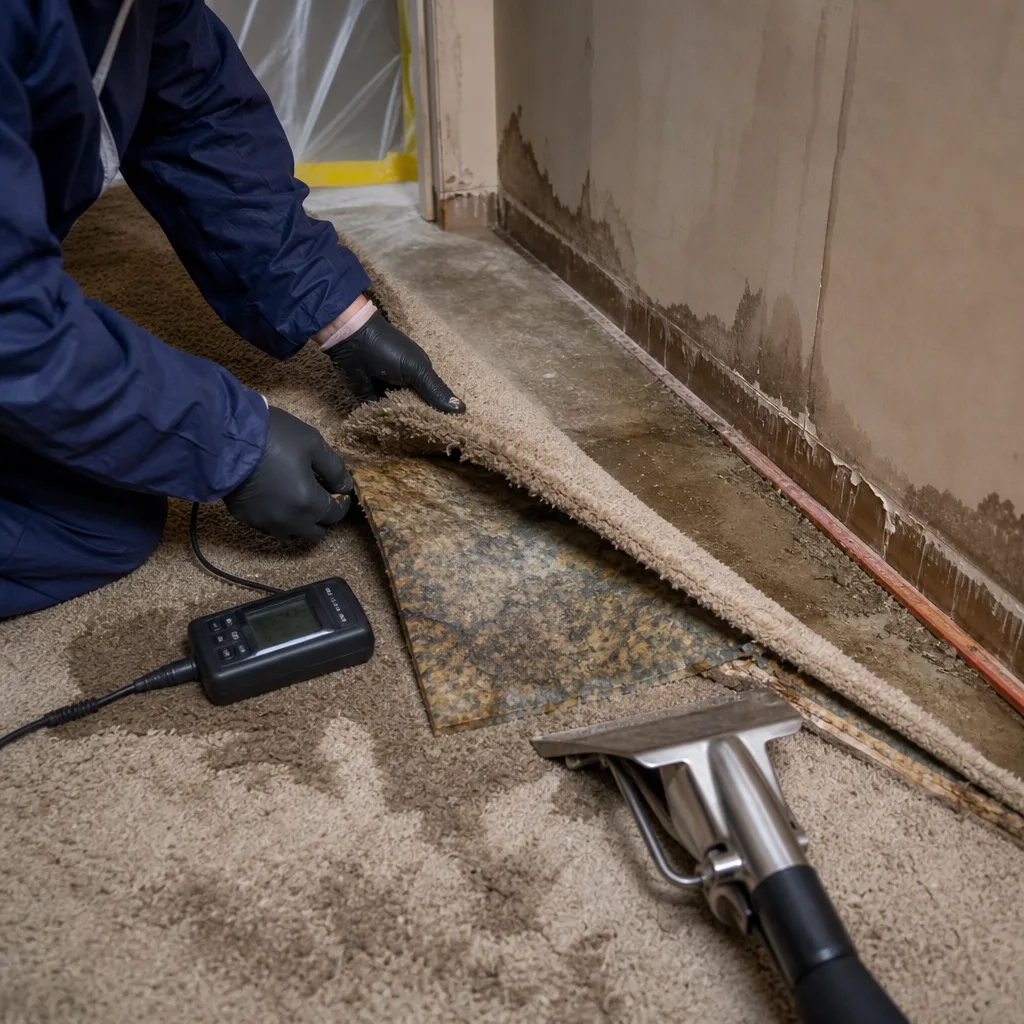
We built our documentation protocol around what carriers actually pay without argument: a complete photo record, room-by-room moisture readings with equipment serial numbers, daily drying logs with psychrometric data, and a line-item scope written to Xactimate standards. Alicia Brennan founded Back to Dry Restoration in 2011 after years as a claims adjuster watching homeowners lose legitimate claims to sloppy contractor documentation. That origin shapes every file we prepare.
Your adjuster receives our documentation package directly - no chasing, no translation between contractor-speak and insurance requirements. We coordinate site visits, answer supplement requests, and provide additional moisture mapping if the carrier disputes the extent of affected areas. For Panorama City properties, we specifically document whether water sourcing traces to a sudden plumbing failure or to long-term infiltration through pre-existing seismic damage, because carriers treat these differently under most policies.
What We Provide Your Insurer
- Thorough documentation of the loss
- Photos of all damage, room by room
- Moisture readings and drying logs
- A detailed, line-item scope of work
- Direct coordination with your carrier
Built for Panorama City’s Loss Calendar
January through March brings atmospheric river events that dump concentrated rainfall on Panorama City’s flat valley floor. The compacted hardpan sheds water horizontally rather than absorbing it, and that runoff exploits 105°F summer-cracked stucco and separated 1994 crack fillers to enter wall cavities in hours. We see our highest volume of hidden-mold discoveries in April, when homeowners notice musty odors from moisture that entered in January and dried slowly behind intact surfaces.
June through September delivers sustained triple-digit heat that accelerates roofing membrane breakdown on 1960s-1970s apartment complexes and causes thermal expansion stress on original galvanized supply lines. Burst pipe calls spike in late summer when decades of heat cycling finally fatigues a line. October and November bring Santa Ana wind events that drive wildfire risk and occasional fire-suppression water damage, while December’s brief cold snaps can freeze exposed hose bibs on north-facing Kaiser tract walls.
Year-round, Panorama City’s dense apartment stock along Van Nuys Blvd and satellite corridors sees vertical stack failures where aging cast-iron drains corrode through, sending Category 2 or 3 water cascading through multiple units. These jobs require immediate containment, multi-unit moisture mapping, and careful documentation of each affected residence for separate claim handling.
Water Damage Restoration Across Panorama City’s Neighborhoods
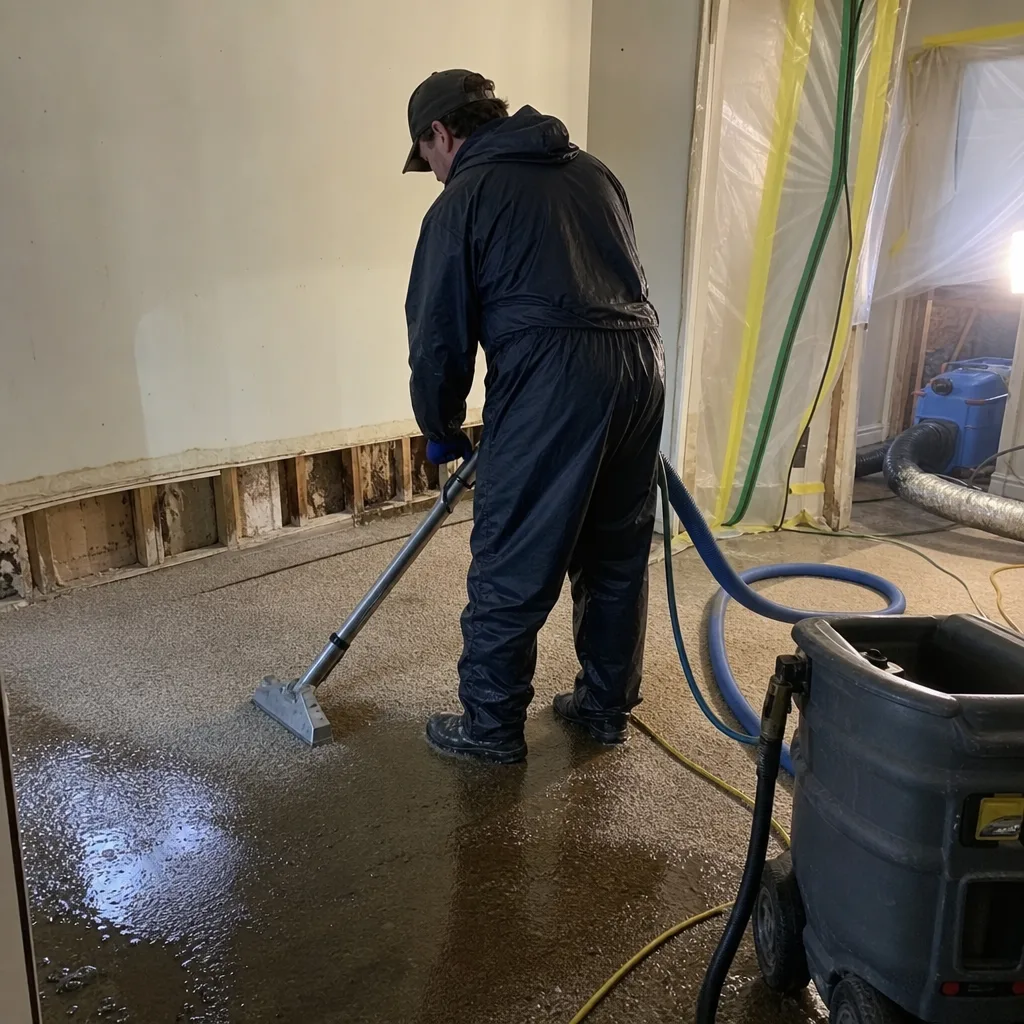
The Kaiser Community Homes tracts north of Parthenia St, built 1948-1955, present our most consistent challenge: original 3-bedroom footprints on slab foundations with galvanized supply lines now past 70 years of service. These homes sit cheek-by-jowl with minimal setback, so water migrating under one slab frequently affects neighbors. We probe sill plates on every job here, and we’ve learned to bring extra dehumidification capacity because the compacted hardpan holds moisture longer than permeable soils.
South of Roscoe Blvd, the 1960s-1970s apartment corridors along Van Nuys Blvd and adjacent streets feature flat-roof ponding failures and original cast-iron vertical drains. Access is alley-loaded or through narrow breezeways; our compact XPOWER and B-Air portable systems navigate these constraints where truck-mounted equipment cannot. We coordinate with property managers for multi-unit containment and document each unit separately.
The commercial-industrial fringe near the 405 interchange sees occasional sprinkler system failures and supply-line breaks in older tilt-up construction. These jobs scale quickly - 10,000+ square feet of affected warehouse or retail space - and require our full Phoenix and Dri-Eaz LGR fleet with supplemental desiccant dehumidification for large-volume drying.
Near Panorama Mall and the denser retail corridors, we handle after-hours emergency calls for restaurants and small businesses where water damage threatens inventory and revenue. Speed matters, but so does documentation: these commercial tenants need photo records for landlord-tenant dispute resolution and separate business-interruption claims.
Specialized Water Damage Restoration Services We Offer in Panorama City
Emergency Water Extraction
Standing water removed within hours, not days. Our truck-mounted and portable extractors handle everything from single-room carpet saturation to full-basement flooding. In Panorama City’s tight Kaiser tract driveways, compact portables often outperform larger equipment on access alone. Extraction typically runs $450-$950 for residential jobs.
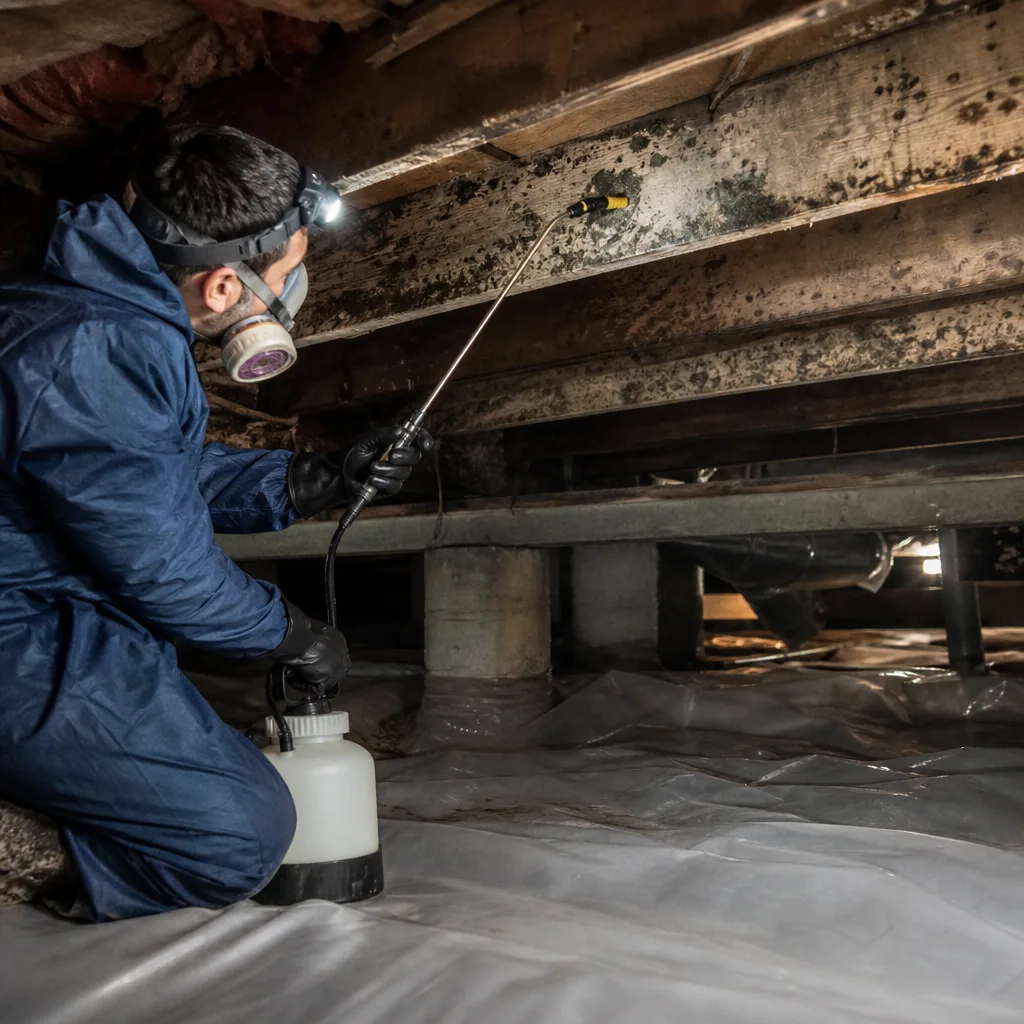
Structural Drying & Dehumidification
Controlled drying of framing, subfloors, and wall cavities using air movers, LGR dehumidifiers, and Injectidry panel systems for hardwood and tile assemblies. Daily moisture logs document progress to IICRC standards. In Panorama City, we extend standard drying protocols to account for hardpan-driven sub-slab moisture that re-wets floors from below. Structural drying ranges $1,800-$4,200 for typical residential envelopes.
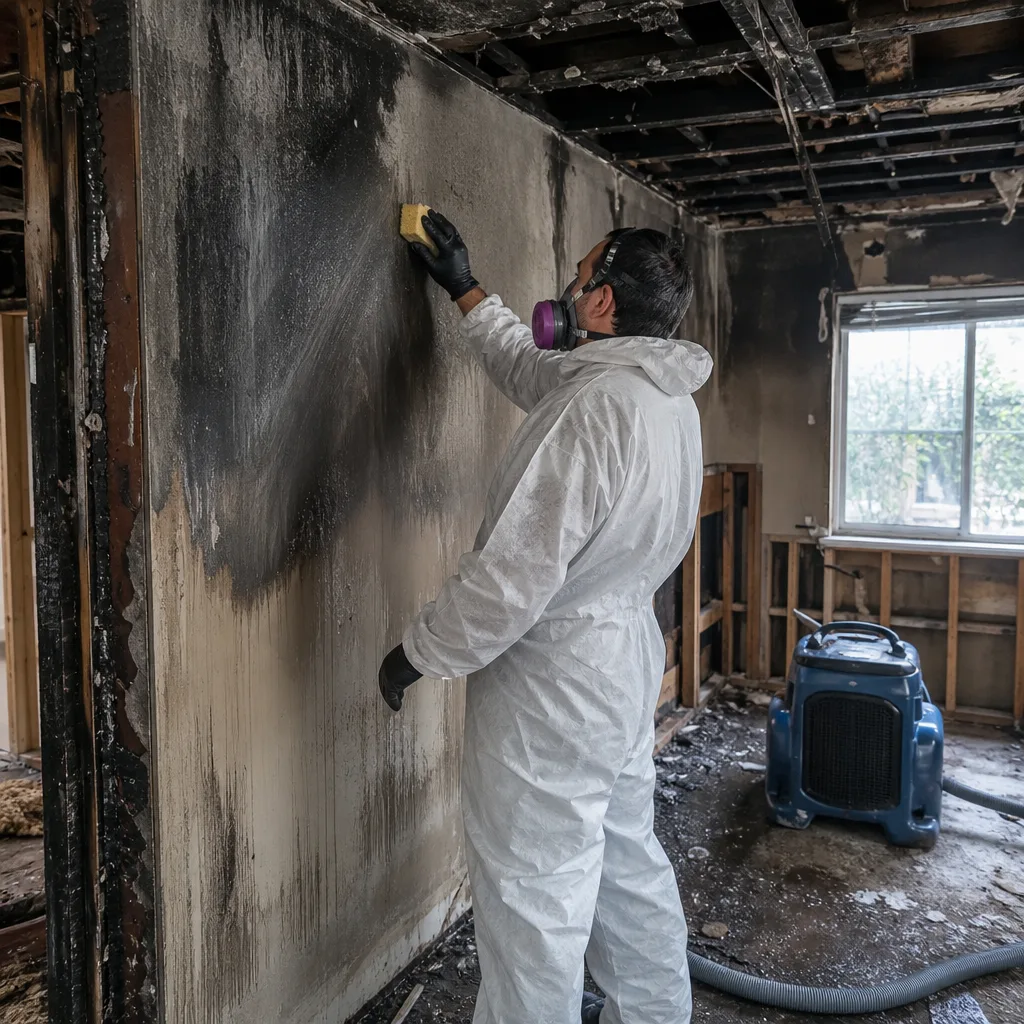
Flood Cleanup
Category 2 and 3 water from ground flooding, sewer backup, or storm intrusion requires removal of porous materials, antimicrobial treatment, and HEPA air scrubbing. Panorama City’s flat topography and hardpan drainage make ground-water flooding more common here than in hillside neighborhoods. Full flood cleanup with contamination protocol runs $4,500-$12,000 depending on affected square footage and material removal.
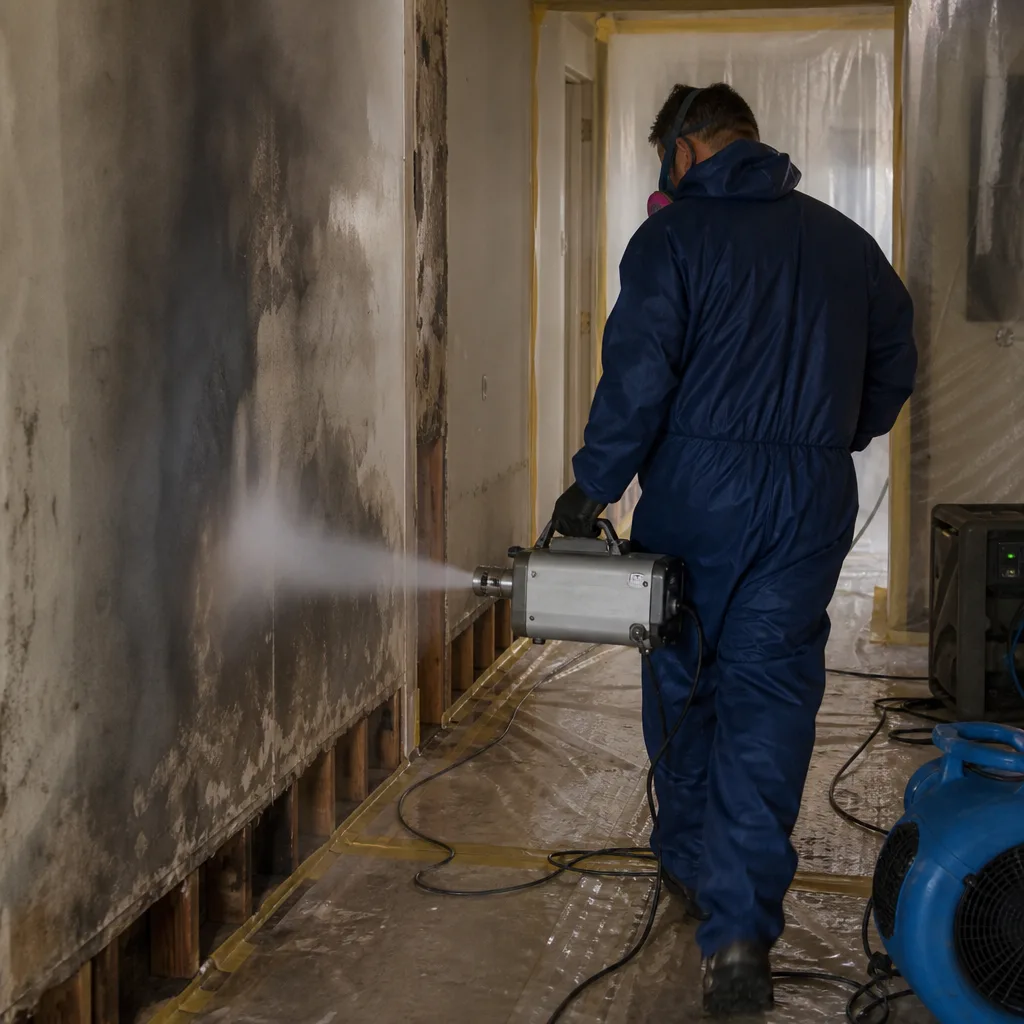
Burst Pipe Restoration
We locate the break, stop the flow, extract standing water, and document whether the failure was sudden and accidental or the result of long-term corrosion - a coverage-critical distinction. Panorama City’s original galvanized lines fail predictably at slab joints where 1994 seismic shifting stressed connections. Burst pipe jobs with extraction and drying typically run $2,200-$5,800.
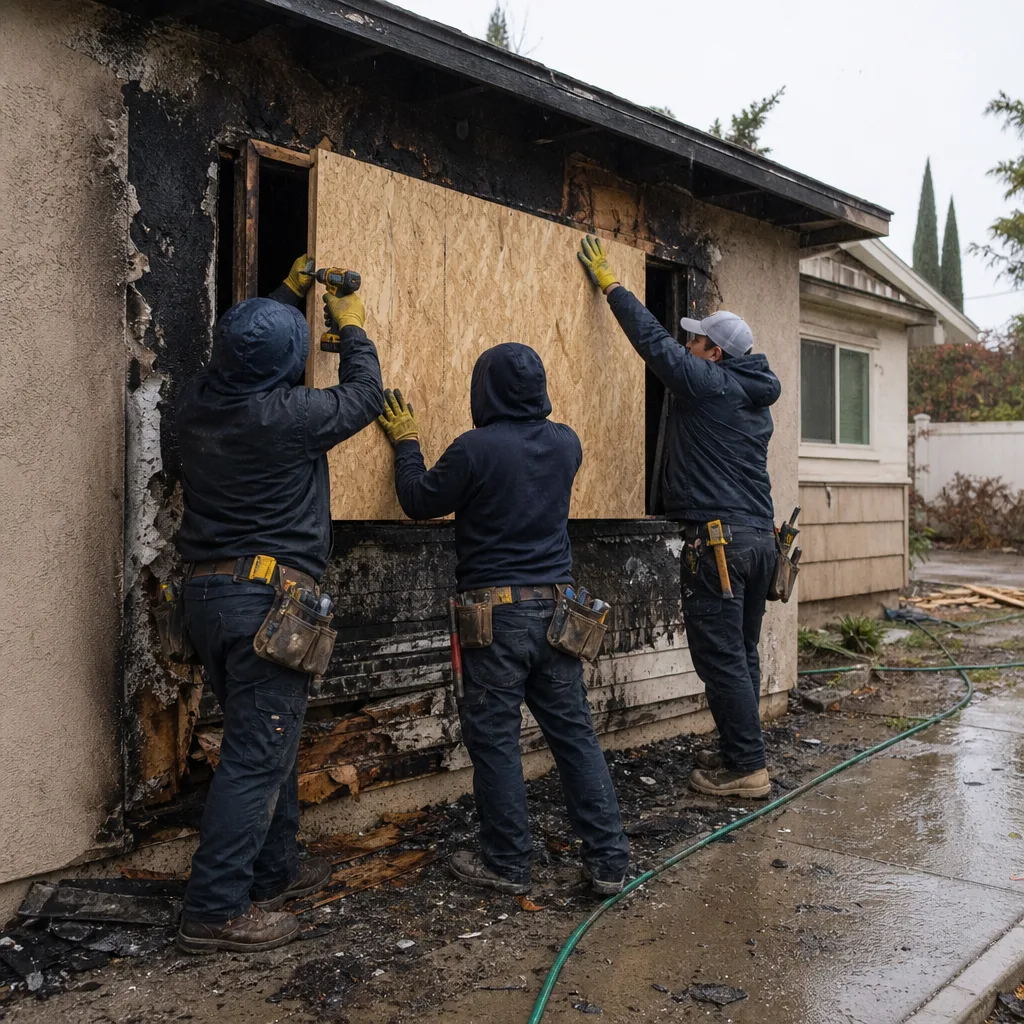
Basement Water Removal
Panorama City’s limited basement stock is concentrated in 1960s-1970s apartment common areas and occasional hillside homes near the northern edge. Sub-slab drainage failures and hydrostatic pressure drive these losses; we install temporary sump capacity during drying and document foundation conditions for permanent repair estimates.
What happens when you call
- 1
A real person answersNo phone trees - you reach a local pro.
- 2
You get an upfront price rangeHonest numbers before anyone is dispatched.
- 3
A background-checked tech heads outLicensed & insured, dispatched right away.
- 4
You approve before work beginsNothing starts until you say go.
Water Damage Restoration Costs in Panorama City, CA
| Service | Typical Range |
|---|---|
| Emergency water extraction | $450 - $950 |
| Structural drying & dehumidification (residential) | $1,800 - $4,200 |
| Burst pipe restoration with drying | $2,200 - $5,800 |
| Full flood cleanup (Category 2/3) | $4,500 - $12,000 |
| Multi-unit apartment loss | $7,500 - $22,000+ |
What moves the price: affected square footage, water category (1, 2, or 3), whether demolition is required to access wet cavities, and the presence of contamination or mold. Panorama City’s seismic legacy conditions can add scope when probing reveals hidden infiltration pathways behind intact stucco. Insurance typically covers sudden and accidental water damage; long-term seepage from failed 1994 repairs may fall under maintenance exclusions. Our written scope separates these components so your adjuster can apply coverage correctly.
Every estimate begins with a free visual inspection and moisture mapping - no charge, no obligation, and a written price before any work starts. Haven Standard, Clause 1. Call (747) 294-2725 for your appointment.
We Also Serve Cities Near Panorama City
Our crews respond throughout the northeast San Fernando Valley, including Water Damage Restoration in Panorama City and surrounding communities: Mission Hills with its hillside drainage challenges, San Fernando’s older commercial core, Granada Hills with its larger-lot residential losses, and Sylmar’s wildfire-recovery and flood-zone properties. Each city gets the same documentation-first protocol, adjusted for local building stock and soil conditions.
Serving Panorama City, CA - Our Local Coverage Area
We’re based in the Panorama City area and know this community well. Use the map below to see our service coverage - if you’re nearby, we can almost certainly help.
Panorama City Water Damage Restoration Questions, Answered
Why does my Panorama City water damage estimate sometimes include sill-plate stucco probing?
Because 1994 Northridge earthquake repairs in Panorama City’s Kaiser-built homes were often cosmetic, and separated crack filler now funnels hardpan runoff into wall cavities that appear dry from inside.
We probe near sill plates as standard practice on every Panorama City job, not as an upsell. The $180-$340 probing and documentation charge appears only when we find active infiltration and need to open access for drying. Without this step, we would miss the root cause and your drying job would fail in six months with mold. Call (747) 294-2725 if your current estimate skipped this - we’ll review it free under our Second Opinion policy.
Can you dry behind the original stucco walls in my 1950s Panorama City home without full demolition?
Yes, frequently. Injectidry panel systems and targeted airflow from portable drying equipment can restore wall cavities through minimal access points when the stucco is structurally sound.
We remove only what’s necessary: a 12-inch baseboard gap, a single probe hole, or an existing electrical box. If 1994-era crack filler has separated and the stucco itself is compromised, we document that damage separately and discuss options. Full gutting is the exception in Panorama City, not the rule, and we never recommend it without photo evidence you can show your adjuster. Call (747) 294-2725 to schedule moisture mapping.
How fast can you respond to a burst pipe in the 1960s apartment complexes off Van Nuys Blvd?
Our commitment is 45 minutes to Panorama City addresses, and we maintain equipment sized for those complexes’ narrow breezeways and alley access.
We coordinate with on-site managers for multi-unit containment and bring portable extraction units that outperform truck-mounted rigs on stairs and tight turns. Category 1 water degrades to Category 2 in 24-48 hours; in Panorama City’s warm climate, we aim for extraction within 4 hours of your call. Live dispatch at (747) 294-2725 - no voicemail.
Why does Panorama City water damage sometimes require mold remediation I wasn’t expecting?
Because water travels along 1994 seismic crack pathways for weeks or months before becoming visible, and by the time you call, mold has already established behind intact stucco.
Our moisture mapping finds these hidden reservoirs. When airborne spore counts or visible colonization exceed IICRC S520 thresholds, we contain the area and add remediation to the scope - documented with pre- and post-clearance testing. We do not perform “just in case” mold work; every treatment is justified by measurable data your carrier can review. Call (747) 294-2725 for inspection and testing.
What’s the difference between category 1, 2, and 3 water in my Panorama City flood cleanup?
Category 1 is clean water from a broken supply line; Category 2 is gray water with chemical or biological loading from appliances, sump pumps, or cast-iron drain corrosion; Category 3 is black water from sewage, ground flooding, or storm intrusion requiring removal of porous materials.
In Panorama City, Category 1 degrades faster than average due to galvanized line corrosion and hardpan-transported soil bacteria. Category 2 from original cast-iron drains is common in 1960s apartments. We test and document water category on arrival because it determines demolition scope, antimicrobial protocol, and insurance coverage. Call (747) 294-2725 - we’ll classify your loss on site.
Will my insurance cover water damage restoration in Panorama City?
Sudden and accidental water damage from burst pipes or appliance failures is covered under most standard homeowner policies; long-term seepage through failed 1994 seismic repairs or maintenance-related issues typically is not.
Our documentation separates sudden damage from pre-existing conditions so your adjuster can apply coverage correctly. We provide photo records, moisture logs, and line-item scopes formatted to carrier standards, and we coordinate directly with your adjuster from day one. If your claim is disputed, our documentation becomes your evidence. Call (747) 294-2725 - we’ll review your policy implications during the free inspection.
How long does structural drying take in Panorama City’s climate?
Standard residential drying runs 3-5 days; Panorama City’s extreme summer heat can accelerate surface drying while trapping moisture in sub-slab hardpan, sometimes extending effective drying to 5-7 days.
We don’t guess at completion. Daily moisture readings with calibrated meters determine when we release equipment, not a calendar. Our drying logs show your adjuster exactly when each room reached pre-loss moisture content. Rushing this step saves a day of equipment rental and costs you a mold claim six months later. Call (747) 294-2725 for a realistic timeline based on your specific loss.
Can we stay in our Panorama City home during water damage restoration?
Often yes for Category 1 losses limited to one or two rooms; usually no for Category 2 or 3 contamination, multi-room drying with loud equipment running 24 hours, or when mold remediation is active.
In Panorama City’s dense Kaiser tracts, we also evaluate whether drying in one unit creates unacceptable noise or air quality conditions for neighbors - a practical constraint we discuss before setting equipment. Your written scope includes a clear occupancy recommendation with safety rationale. Call (747) 294-2725 to discuss your specific situation.
Written by Alicia Brennan, Owner at Back to Dry Restoration, serving Panorama City since 2011.
Water Damage Restoration in Nearby Areas