

Free visual inspection and a written scope of work before any mitigation begins - photos, moisture readings, and drying logs go in your claim file
The scope we write is the scope we bill. Anything new gets shown to you, in writing, before we touch it.
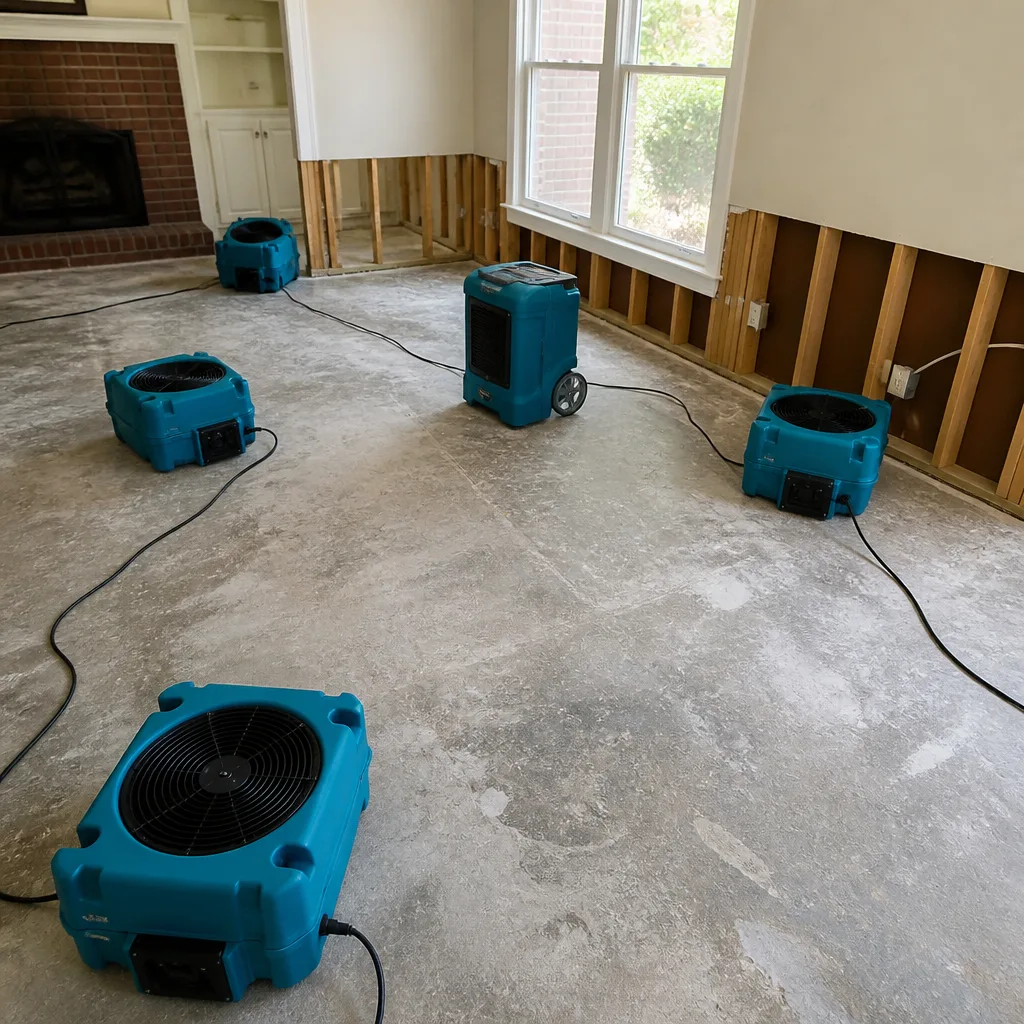
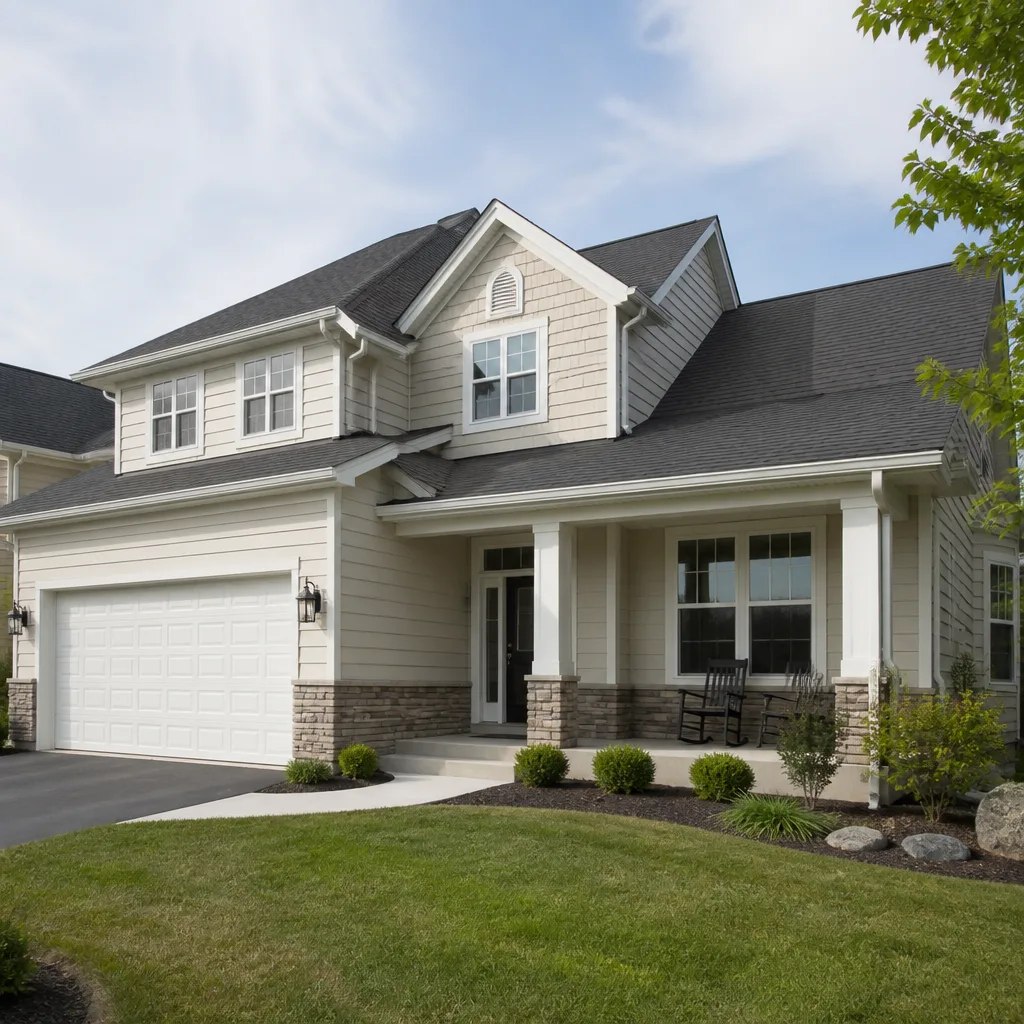
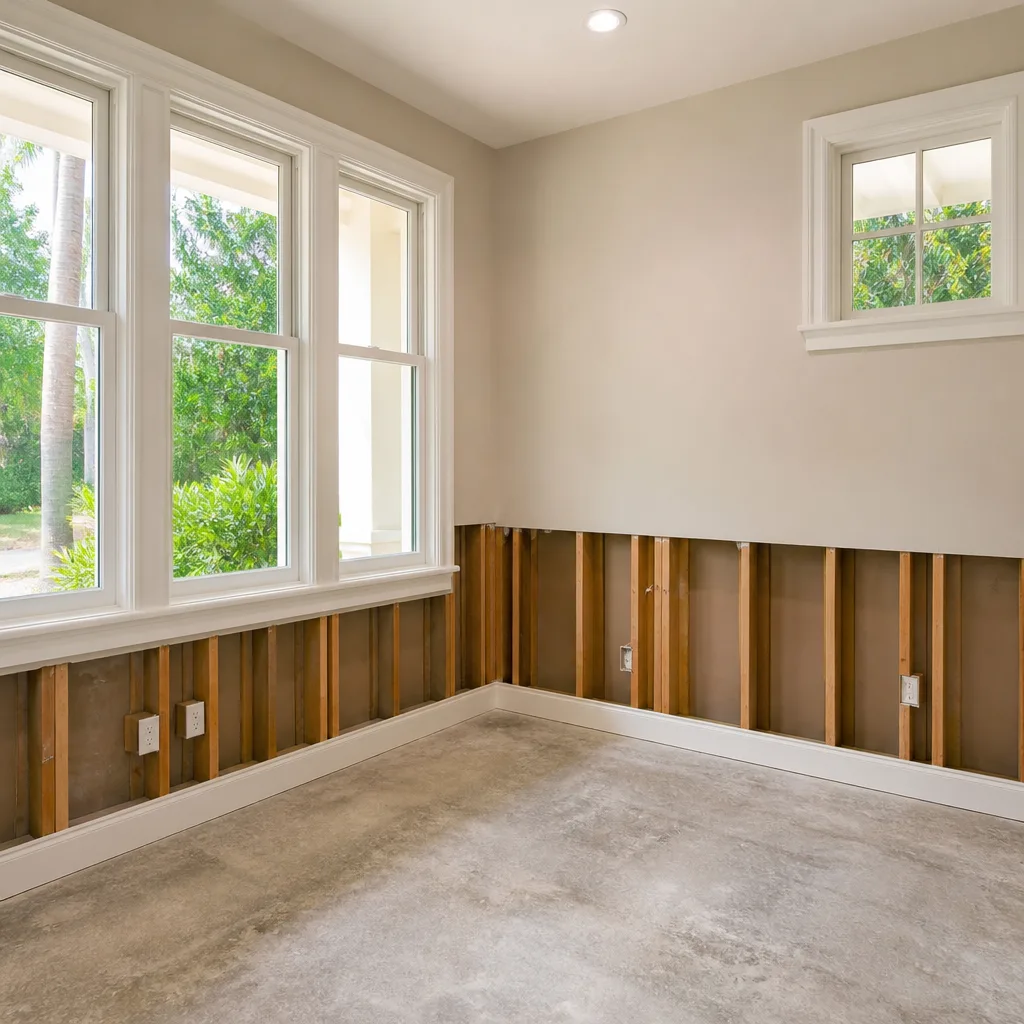
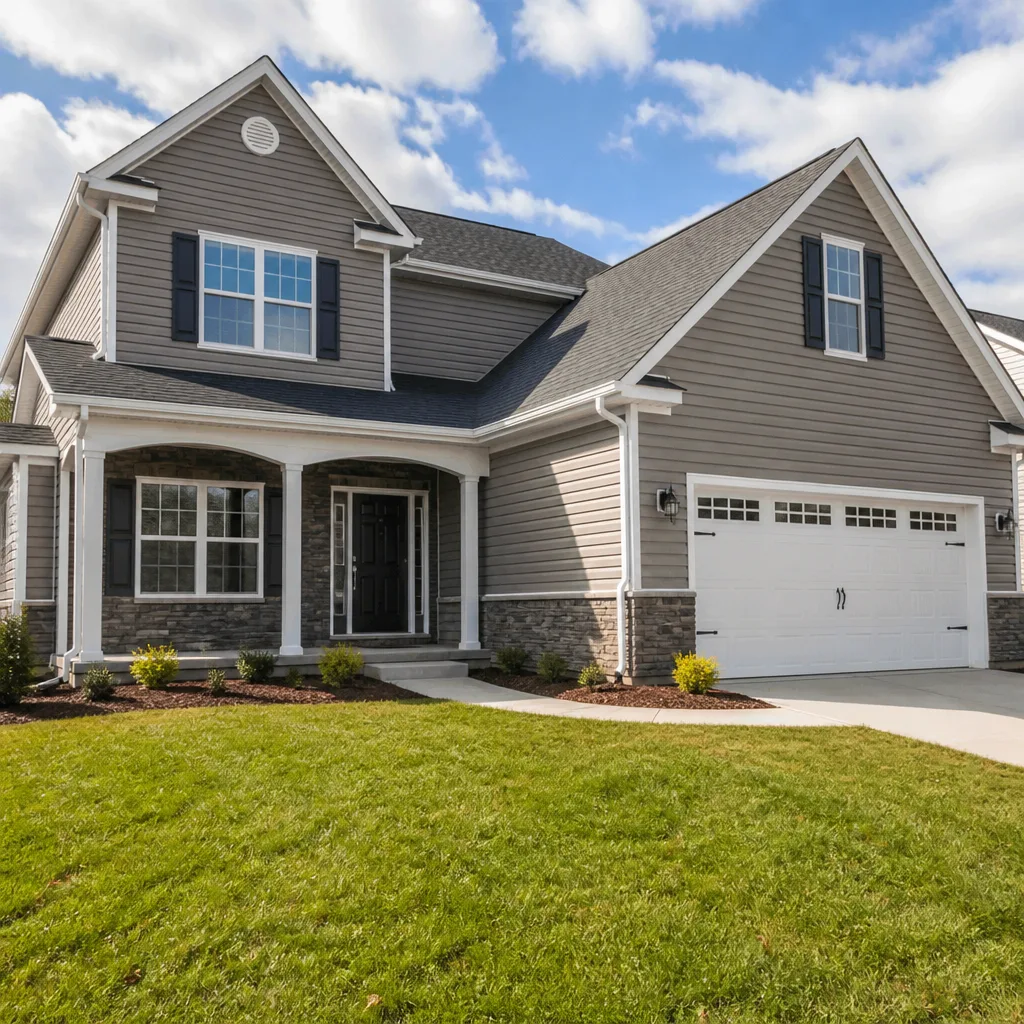
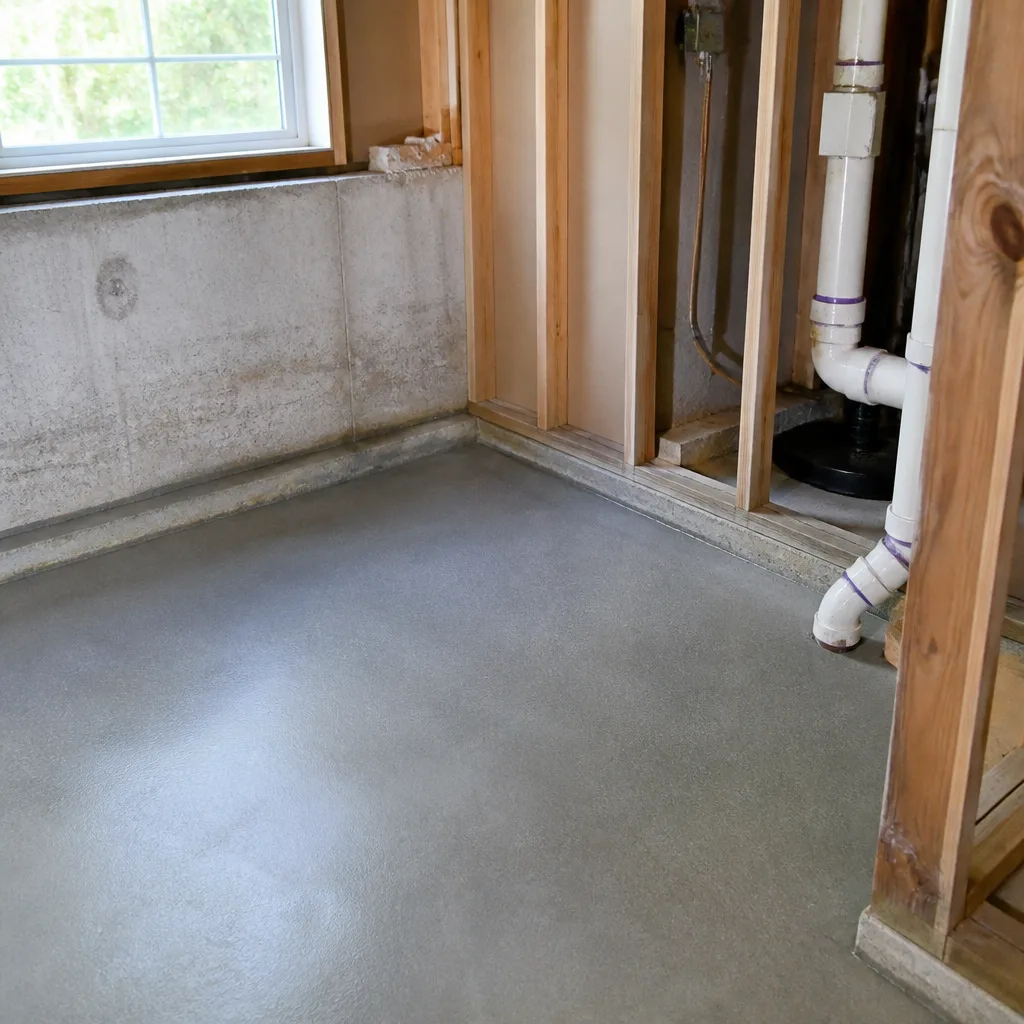
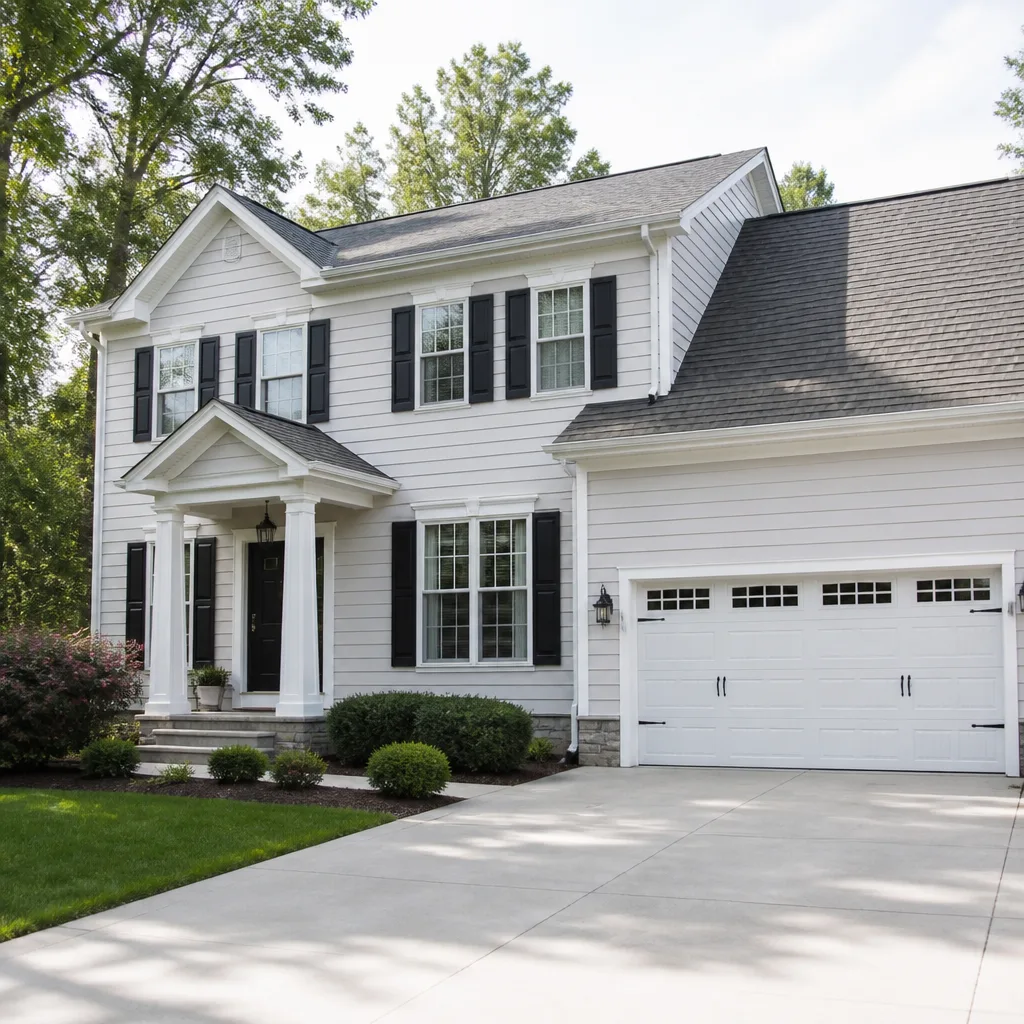
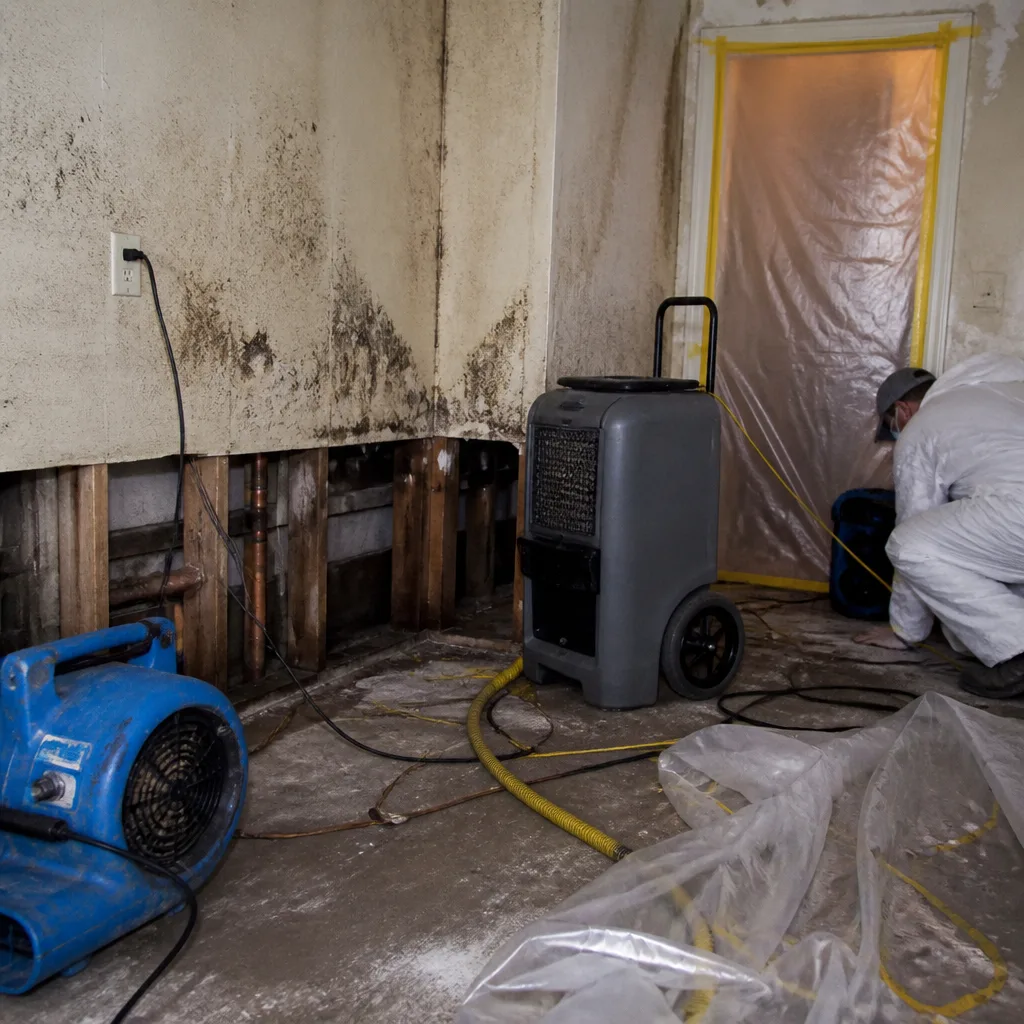 Before
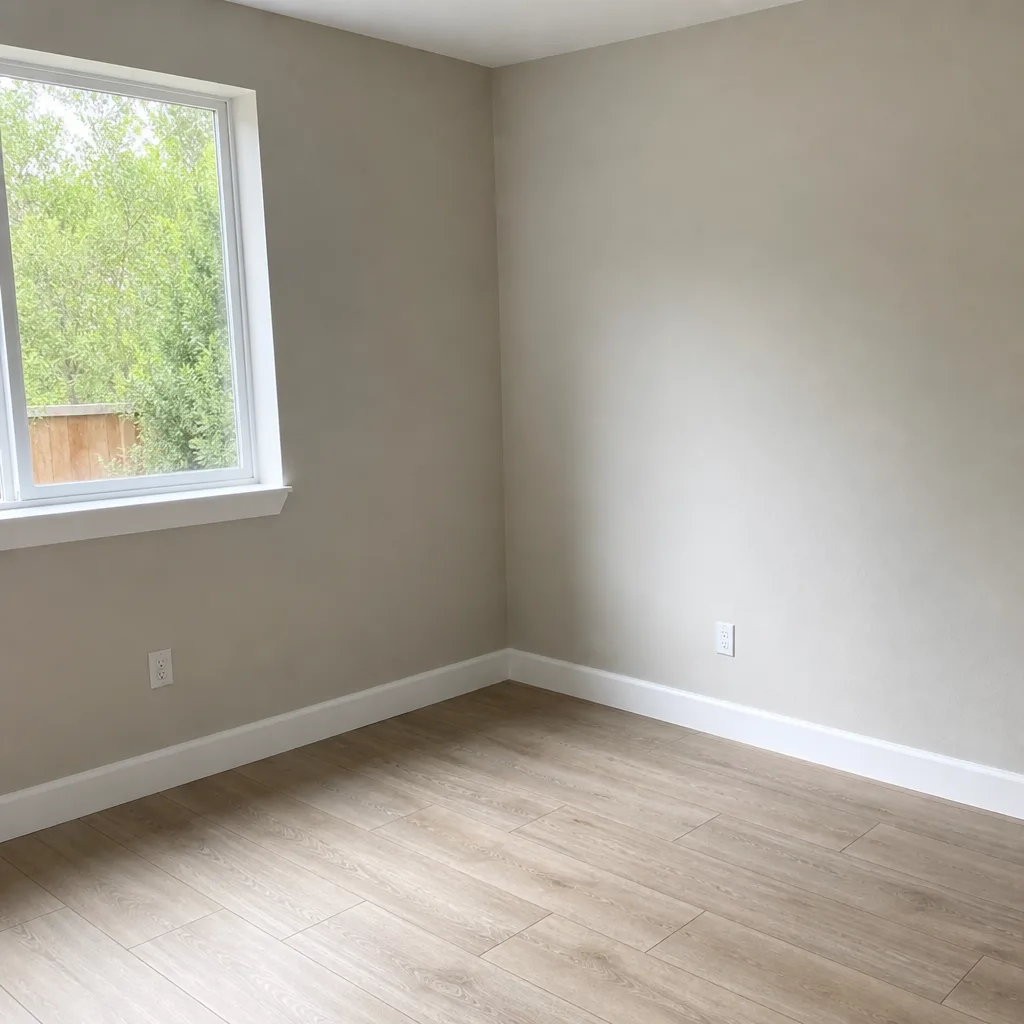 After
After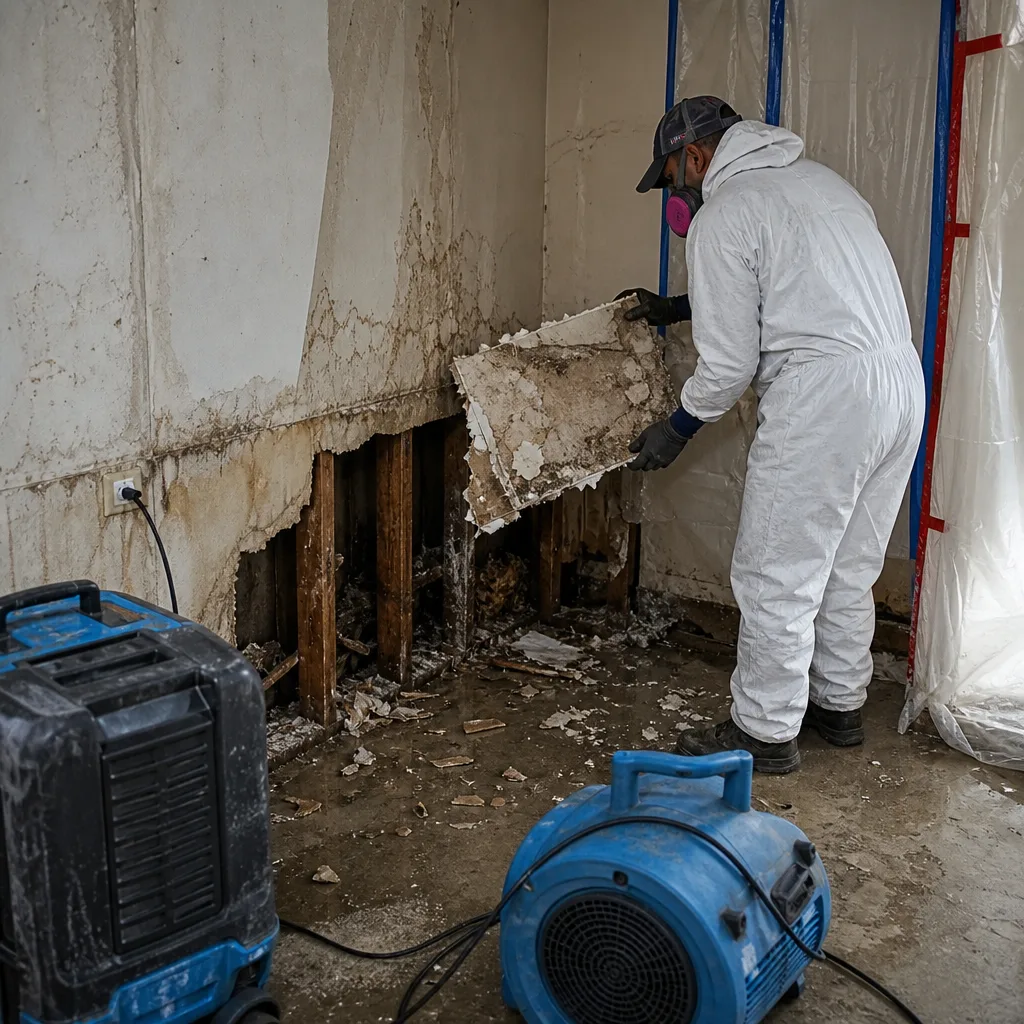 Before
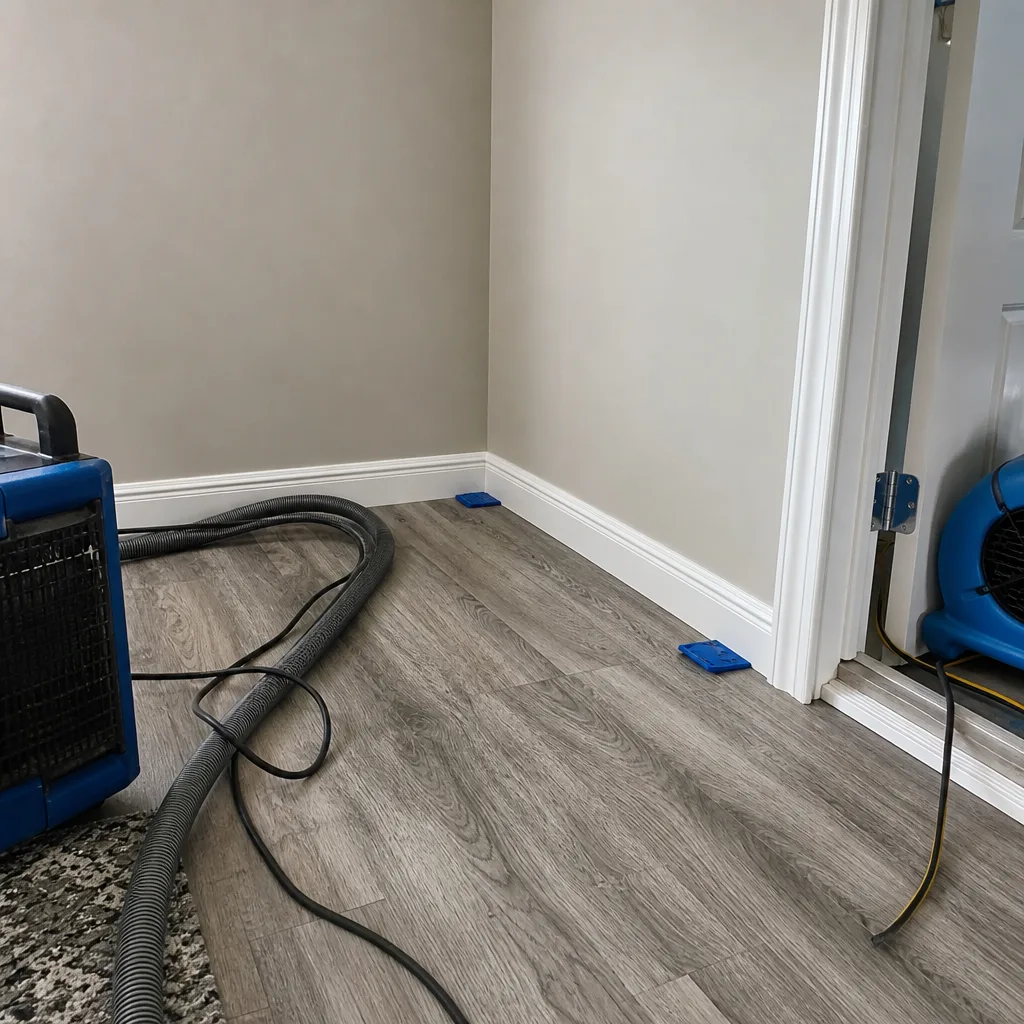 After
After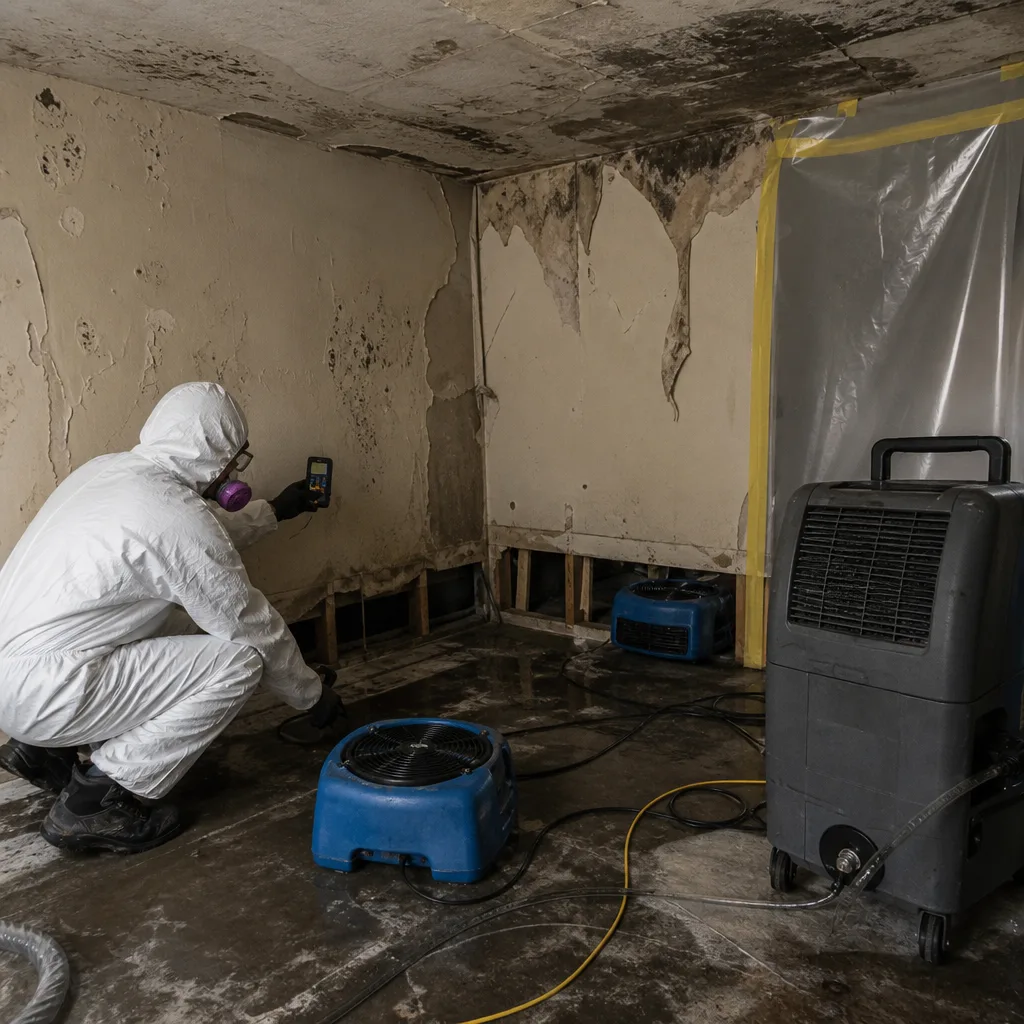 Before
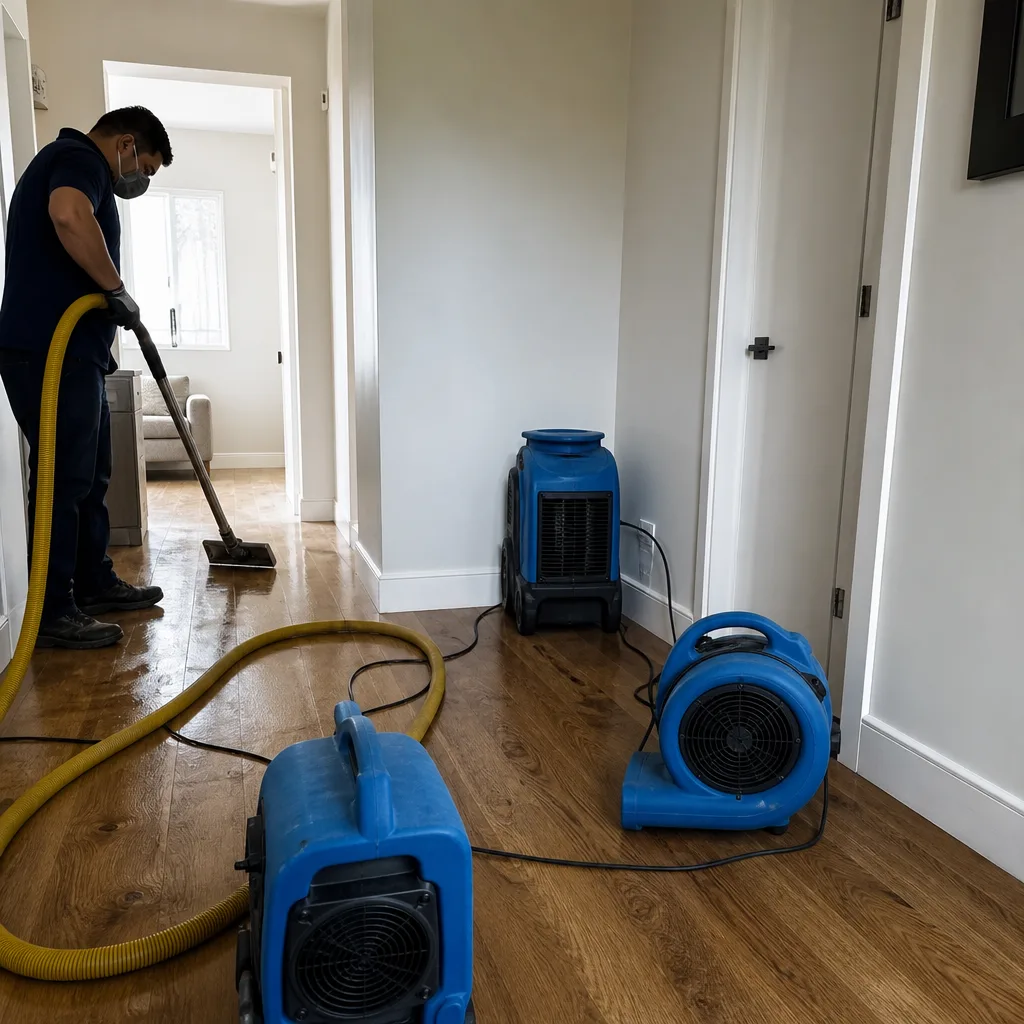 After
After24/7 Emergency Mold Remediation in San Fernando
Mold remediation in San Fernando typically costs between $1,800 and $6,500 depending on affected square footage and whether hidden wall assemblies are involved, with most containment and removal projects completed in 3-7 business days. When you call (747) 294-2725, a live person answers, 24 hours a day, 7 days a week - no voicemail trees, no next-business-day callbacks while spores are still spreading. Our crews dispatch from our Los Angeles office to San Fernando properties with containment barriers, HEPA filtration, and moisture-mapping equipment ready to load. The first 24-48 hours after water intrusion are critical in San Fernando’s summer heat-island conditions; mold colonizes faster here than in coastal zones, and every hour of delay expands the containment perimeter and the final scope.
Understanding Mold Remediation Severity in San Fernando Properties
We classify mold contamination by three factors: the square footage of visible growth, the material classification of affected substrates (Category I porous like drywall, Category II semi-porous like wood framing, Category III non-porous like tile), and the underlying moisture source’s behavior. In San Fernando’s 1940s-1960s housing stock, severity is rarely surface-deep. The original stucco assemblies, often patched with quick-set concrete after the 1971 and 1994 earthquakes, create vapor barriers that trap moisture behind apparently dry walls. We see this on Maclay Avenue corridors and in the low-lying blocks near the city center, where galvanized plumbing failures in slab foundations push water laterally behind seismic-era repairs.
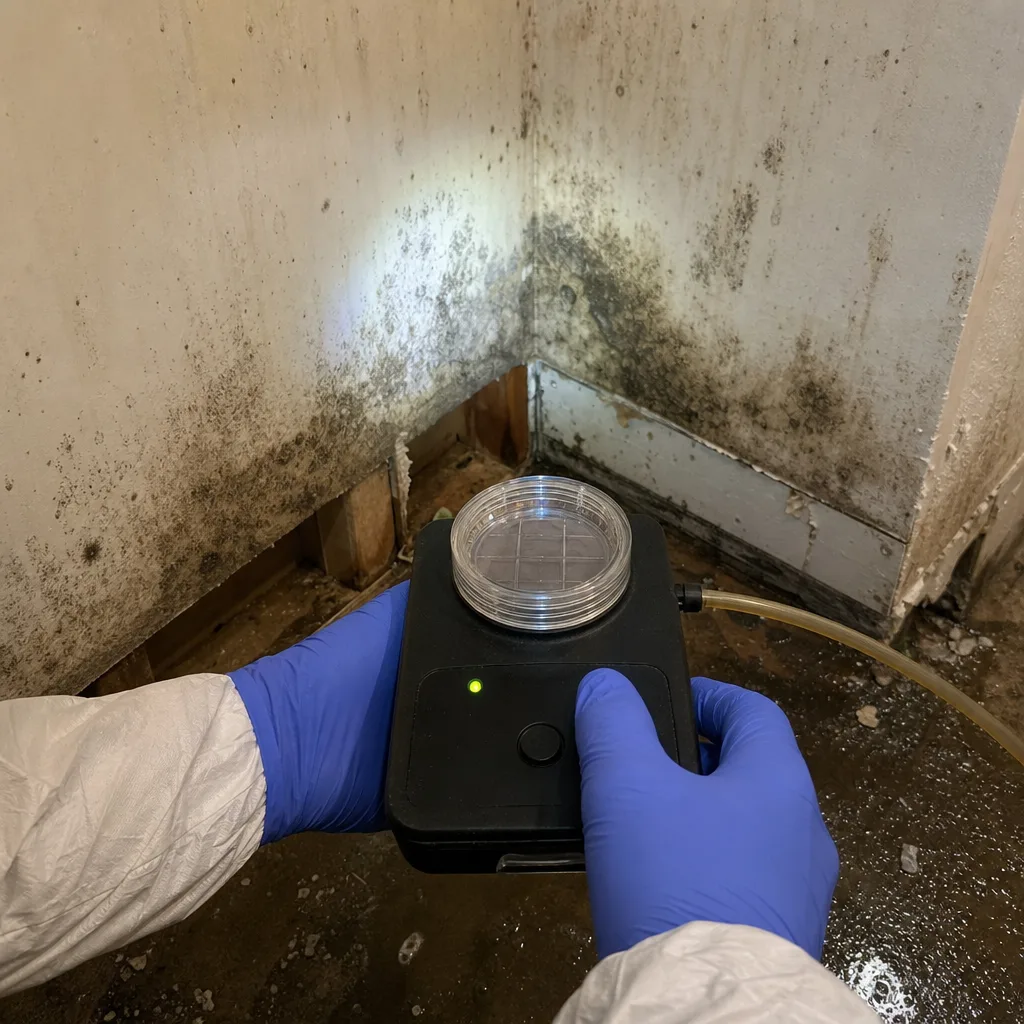
Our Mold Remediation crews use thermal imaging and penetrating moisture meters to distinguish active saturation from historical staining. A reading above 16% wood moisture content triggers full containment; above 20%, we expect hidden colonization behind the patch. Air sampling follows IICRC S520 standards, with laboratory turnaround typically 48 hours. The documentation gap that costs homeowners their claims starts right here, with incomplete moisture mapping that misses the assembly behind the patch.
Why San Fernando Property Owners Choose DryMark Restoration Santa Clarita
- 45-minute response commitment to San Fernando from dispatch, with GPS-tracked crews and direct-to-tech communication.
- 24/7 live answer - a real person, never an automated system - on every call to (747) 294-2725.
- IICRC-certified crews holding WRT (Water Damage Restoration Technician) and AMRT (Applied Microbial Remediation Technician) certifications, with license numbers documented on every job folder.
- Free visual inspection and moisture assessment; we bring the meters to you before any containment is priced.
- Direct insurance billing with photo-documented estimates formatted to carrier standards - no third-party adjuster delays.
- One team from containment through reconstruction; the same tech who maps moisture writes the drying log and signs the clearance certificate.
 Before
 After
AfterOur Mold Remediation Process
1. Inspection & Assessment
We arrive with FLIR thermal cameras, Tramex moisture meters, and borescopes to inspect wall cavities without destructive sampling where possible. In San Fernando’s older stucco homes, we specifically probe behind 1990s-era earthquake patches, which read dry on the surface while harboring elevated moisture 18 inches deep. Every reading is logged with photo documentation, time-stamped for your insurer.
2. Containment & Air Filtration
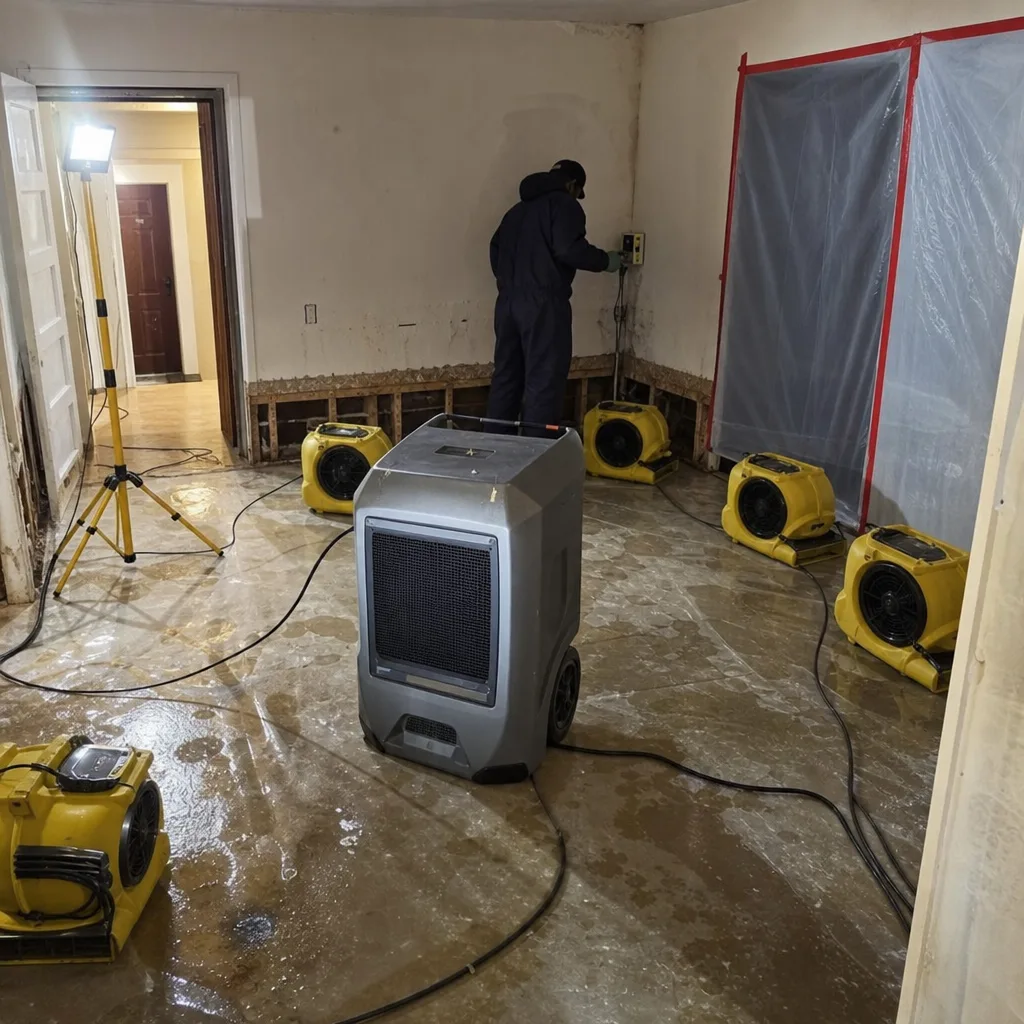
We establish negative-pressure containment using 6-mil poly barriers and HEPA air scrubbers (XPOWER and B-Air units rated at 99.97% efficiency at 0.3 microns). San Fernando’s older homes with original floor plans often require multiple containment zones; we seal HVAC returns to prevent cross-contamination and run continuous air monitoring.
3. Moisture Source Elimination
Before removal begins, we stop the water. This means locating and documenting the supply line, slab leak, or groundwater intrusion point. In San Fernando, we regularly find failed galvanized plumbing behind earthquake repair patches; we coordinate with licensed plumbers and document the repair permit through San Fernando’s Community Development Department, not LADBS.
4. Mold Removal & Cleaning
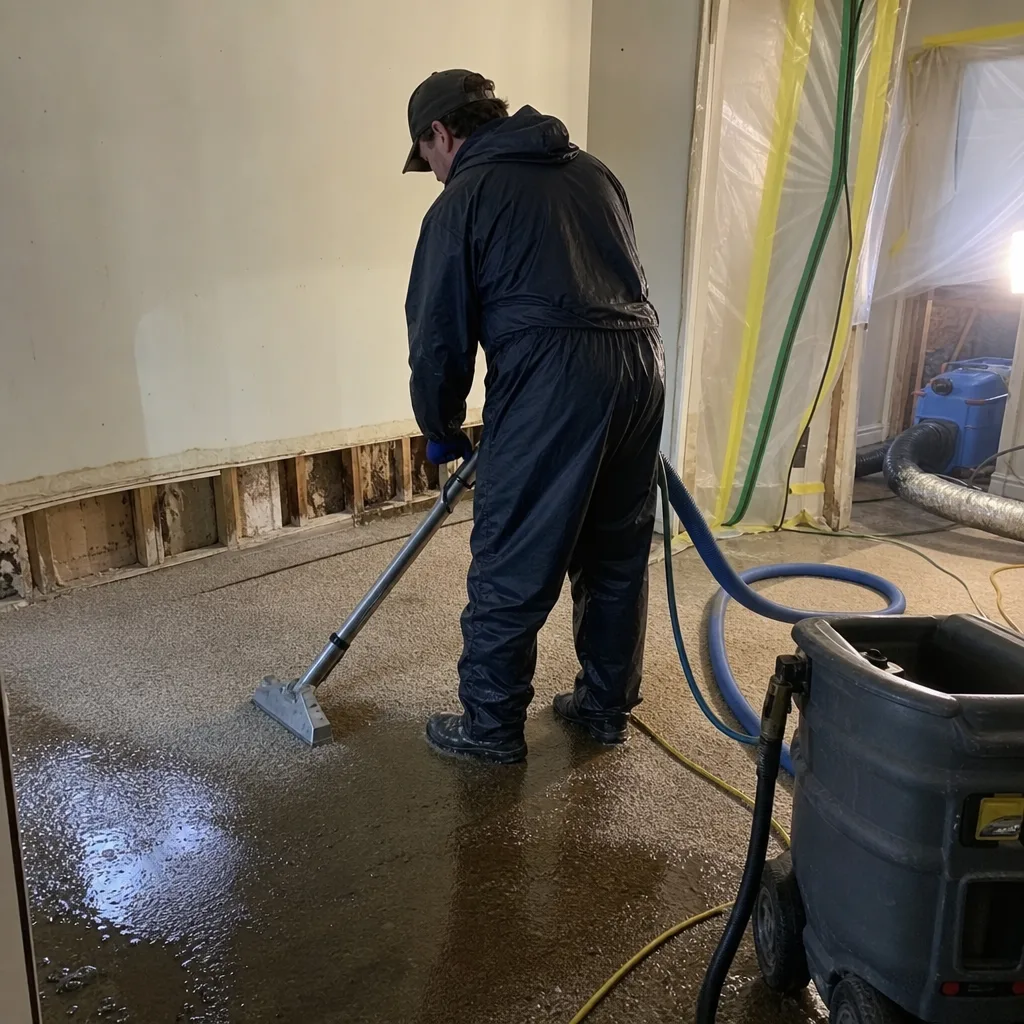
We remove Category I porous materials (drywall, insulation, carpet pad) that cannot be salvaged. Semi-porous framing receives HEPA vacuuming followed by antimicrobial treatment to IICRC S520 standards. In homes with asbestos-containing floor tiles or popcorn ceilings - common in San Fernando’s 1950s-1960s stock - we coordinate certified abatement before disturbing the substrate.
5. Structural Drying & Dehumidification
We deploy Dri-Eaz and Phoenix LGR dehumidifiers sized to the cubic footage of the contained zone, with Injectidry systems for cavity drying where wall assemblies must be preserved. Daily psychrometric readings - temperature, relative humidity, and vapor pressure differential - are logged until materials return to within 4% of dry standard. This documentation is what turns your invoice into a payable claim.
6. Clearance Testing & Restoration
Independent third-party clearance sampling confirms airborne spore counts have returned to background levels before containment is removed. We then provide a written scope for any reconstruction needed, with a price delivered before work begins - Haven Standard, Clause 1. The 365-Day Done Right Promise covers all remediation and repair work.
Need Emergency Mold Remediation in San Fernando Now?
Crews minutes away, answering live 24 hours a day. The sooner we start, the less it costs.
Working With Your Insurance Company
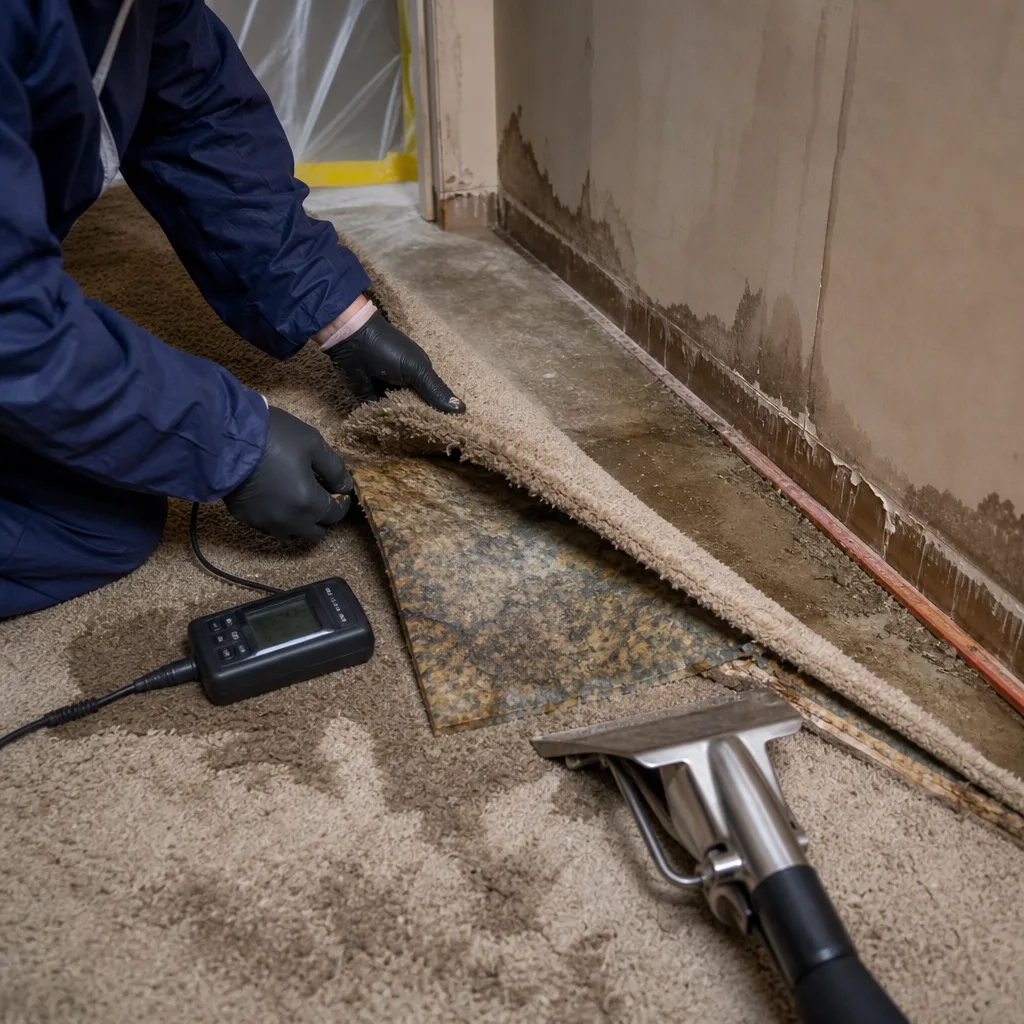
Our documentation-first approach exists because our founder, Alicia Brennan, built Back to Dry Restoration in 2011 after seeing how many homeowners lost legitimate claims to incomplete files. On every San Fernando mold job, we begin photo documentation at the first contact. Industry-standard estimates are formatted to carrier requirements, with line-item scopes that separate pre-existing conditions from current loss events. This matters intensely in San Fernando, where 1994-era earthquake repairs and expired yellow-tag permits create scope disputes that out-of-area adjusters rarely anticipate.
We speak directly with your adjuster, provide moisture logs and drying records on request, and never ask you to front costs beyond your deductible when coverage is confirmed. The photo record on every visit is standard, never an upsell.
What We Provide Your Insurer
- Thorough documentation of the loss, including moisture source identification
- Photos of all damage, room by room, with timestamp and technician notation
- Moisture readings and daily drying logs to IICRC standards
- A detailed, line-item scope of work with material classifications
- Direct coordination with your carrier and adjuster
Built for San Fernando’s Loss Calendar
San Fernando’s mold season runs counter to what coastal homeowners expect. Summer temperatures exceeding 100°F in the Valley’s heat-island pocket accelerate colonization to 24-48 hours after any water intrusion - a supply line break in July can bloom behind a stucco wall before a homeowner notices the water bill spike. Winter atmospheric-river storms, typically December through March, overwhelm the city’s aging storm drain infrastructure and push surface runoff into crawl spaces and slab foundations, particularly in the low-lying residential blocks near the city center where 1950s slab construction meets saturated soil.
Spring brings the secondary wave: homeowners discover mold while investigating musty odors from winter leaks that dried superficially while remaining active in wall cavities. We schedule the most crawl space treatment and humidity control installations in April and May, when the gap between winter saturation and summer heat creates the highest vapor pressure differentials inside San Fernando’s older assemblies.
Mold Remediation Across San Fernando’s Neighborhoods
On Maclay Avenue and the surrounding corridors, we work in 1940s-1960s stucco homes where 1994-era earthquake repairs hide behind original siding. Our crews know to probe the base of walls where quick-set concrete patches meet original stucco; the thermal boundary is almost always compromised, and moisture migrates horizontally along the patch line. We answered a call on Maclay Avenue where a winter atmospheric-river storm had pushed runoff into a 1950s slab foundation, and the homeowner’s plumber found a broken galvanized supply line behind a wall still showing a 1994-era quick-set concrete earthquake patch. Our tech ran moisture mapping and found elevated moisture readings 18 inches up the stucco wall; we set containment, pulled the wet drywall, treated the exposed framing, and ran Dri-Eaz dehumidification and air movers to dry the assembly before any black mold could colonize.
The low-lying blocks near San Fernando’s center, particularly around the corridors approaching San Fernando Road, see repeated groundwater intrusion during winter storms. Original galvanized plumbing in these slab foundations fails predictably in the Valley’s hard water; we coordinate pipe replacement with remediation because drying alone leaves the source active. Near the city’s eastern boundary toward Sylmar, newer infill construction on compacted fill presents different challenges - tighter building envelopes with inadequate mechanical ventilation, leading to humidity-driven mold in attics and behind vinyl siding.
Specialized Mold Remediation Services We Offer in San Fernando
Mold Inspection & Testing
We provide independent, documented mold inspection with air and surface sampling to IICRC S520 standards. In San Fernando, our inspections specifically address the false-negative risk of seismic-era wall patches; we use borescopes and moisture probes to verify cavity conditions that surface sampling misses. Laboratory results typically return in 48 hours with a written protocol for remediation if indicated.
Mold Removal
Containment-based removal following IICRC S520 and EPA guidelines, with HEPA filtration and negative-pressure engineering. For San Fernando’s older homes, we assess asbestos-containing materials before disturbance and coordinate abatement through permitted contractors. Every removal project includes a written price before work begins - Haven Standard, Clause 1.
Black Mold Remediation
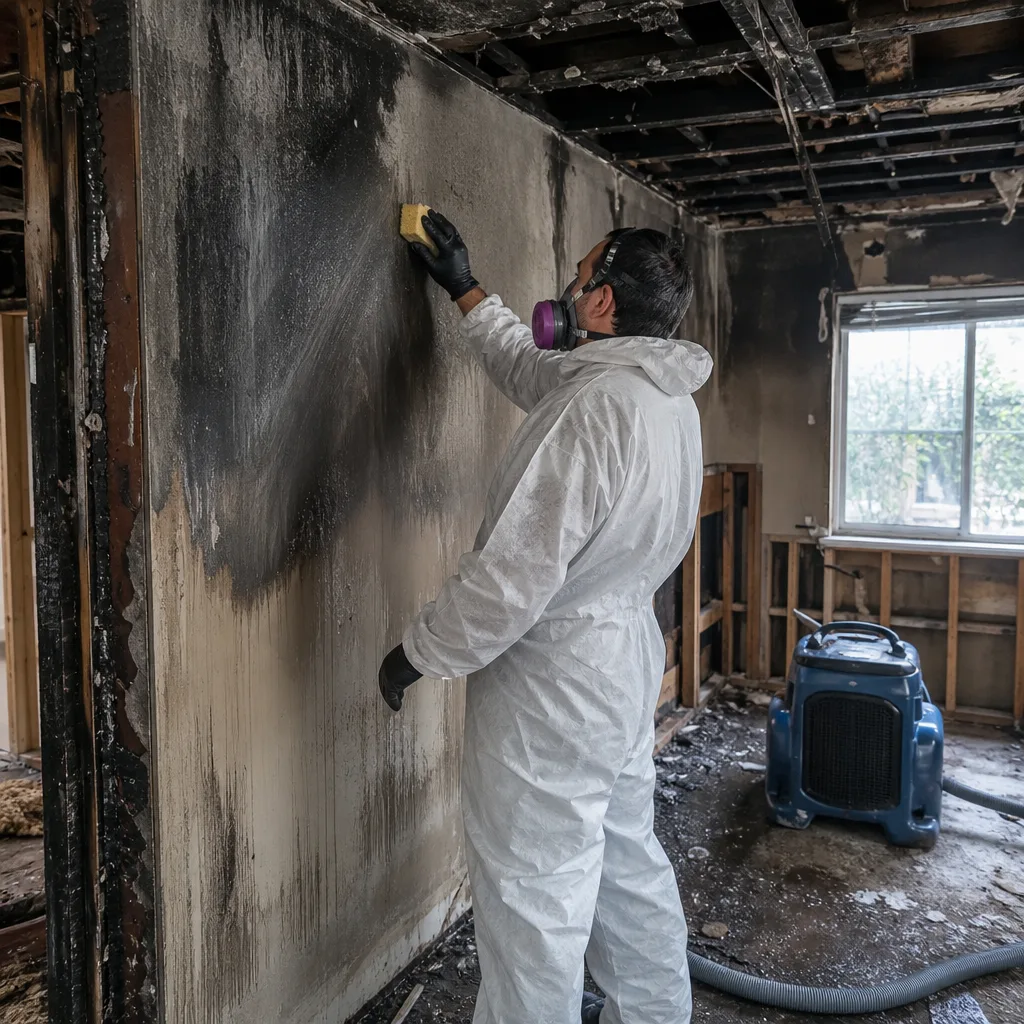
Stachybotrys chartarum and other toxigenic species require enhanced containment, PPE, and disposal protocols. In San Fernando’s 1950s homes with original floor tiles or popcorn ceilings, black mold remediation often intersects with asbestos management; we sequence work to contain both hazards without cross-contamination. Post-remediation clearance testing is mandatory.
Air Quality Restoration
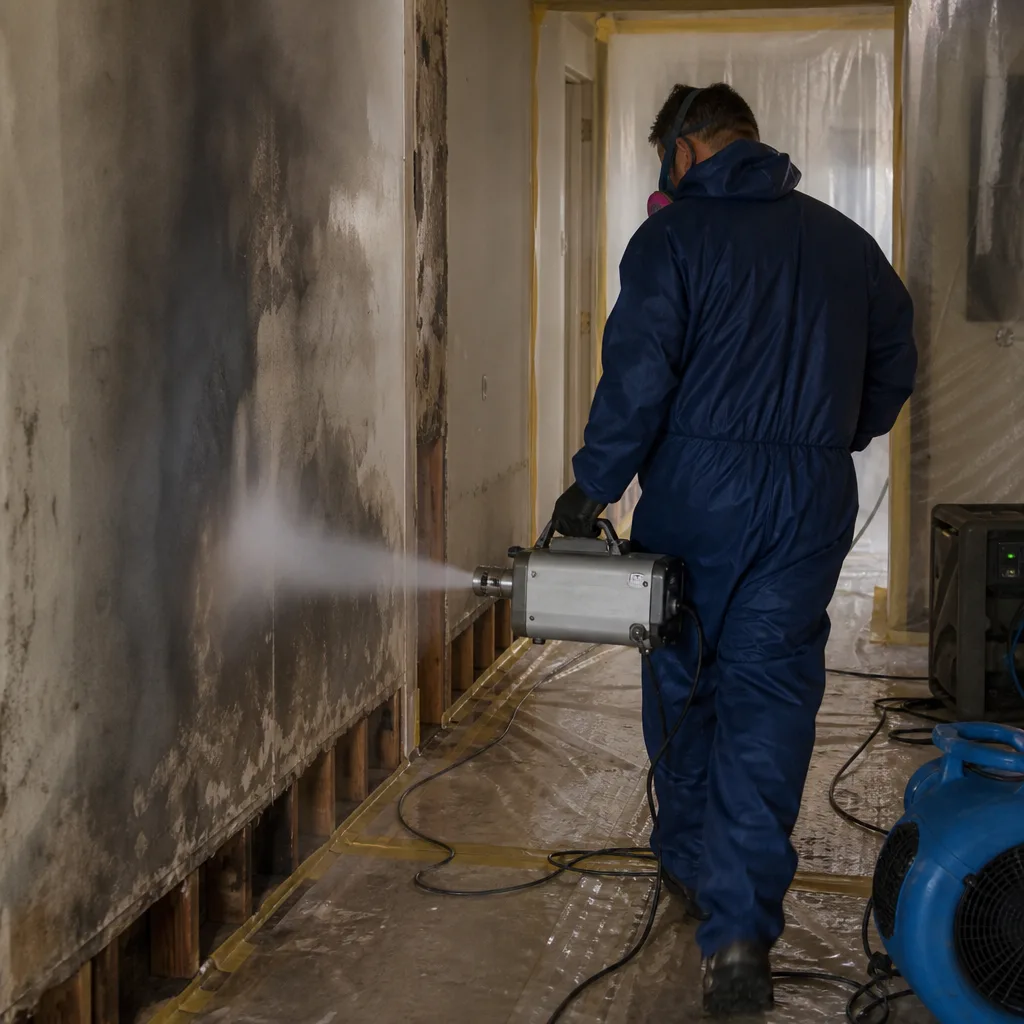
After removal, we restore indoor air quality through HEPA scrubbing, duct cleaning where contamination has entered HVAC systems, and continuous monitoring until spore counts match outdoor background. San Fernando’s tight older homes with original ductwork particularly benefit from this service; we document before-and-after counts for your insurer.
Crawl Space Treatment
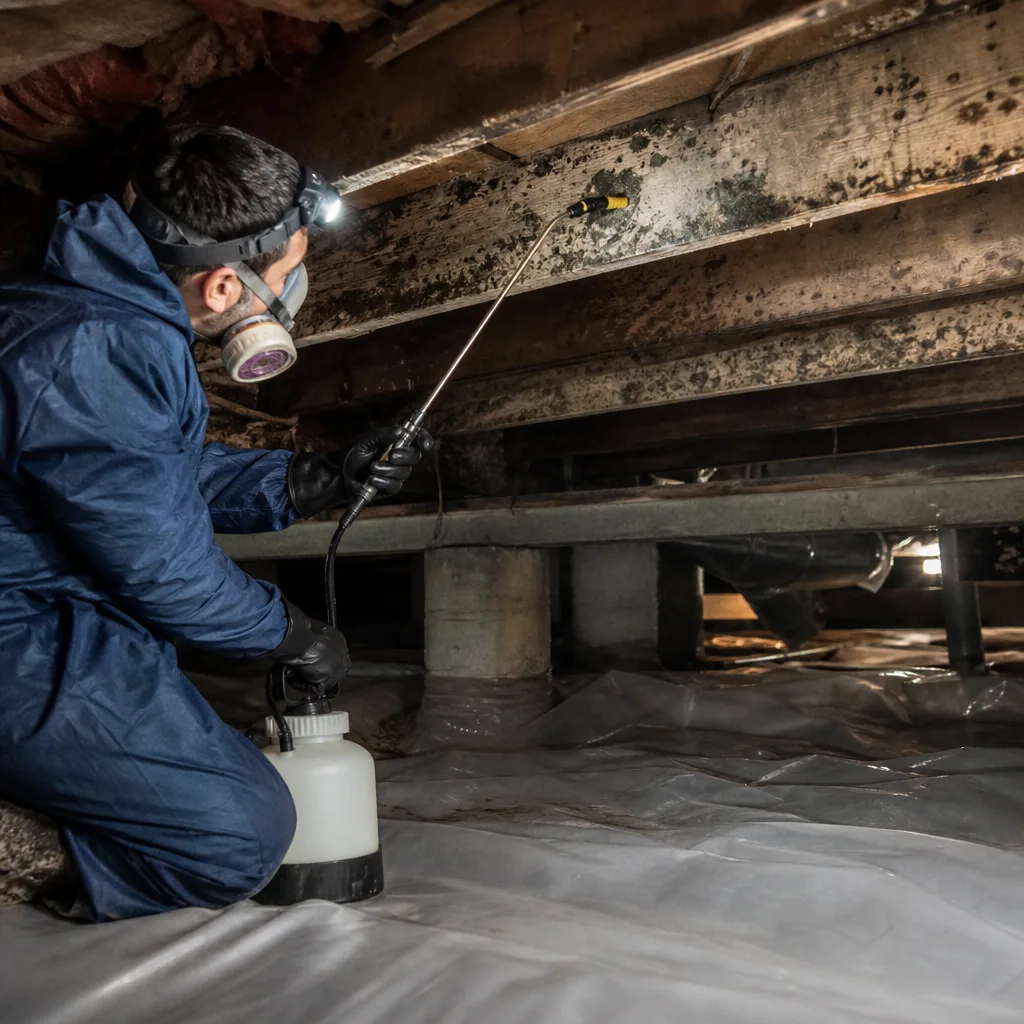
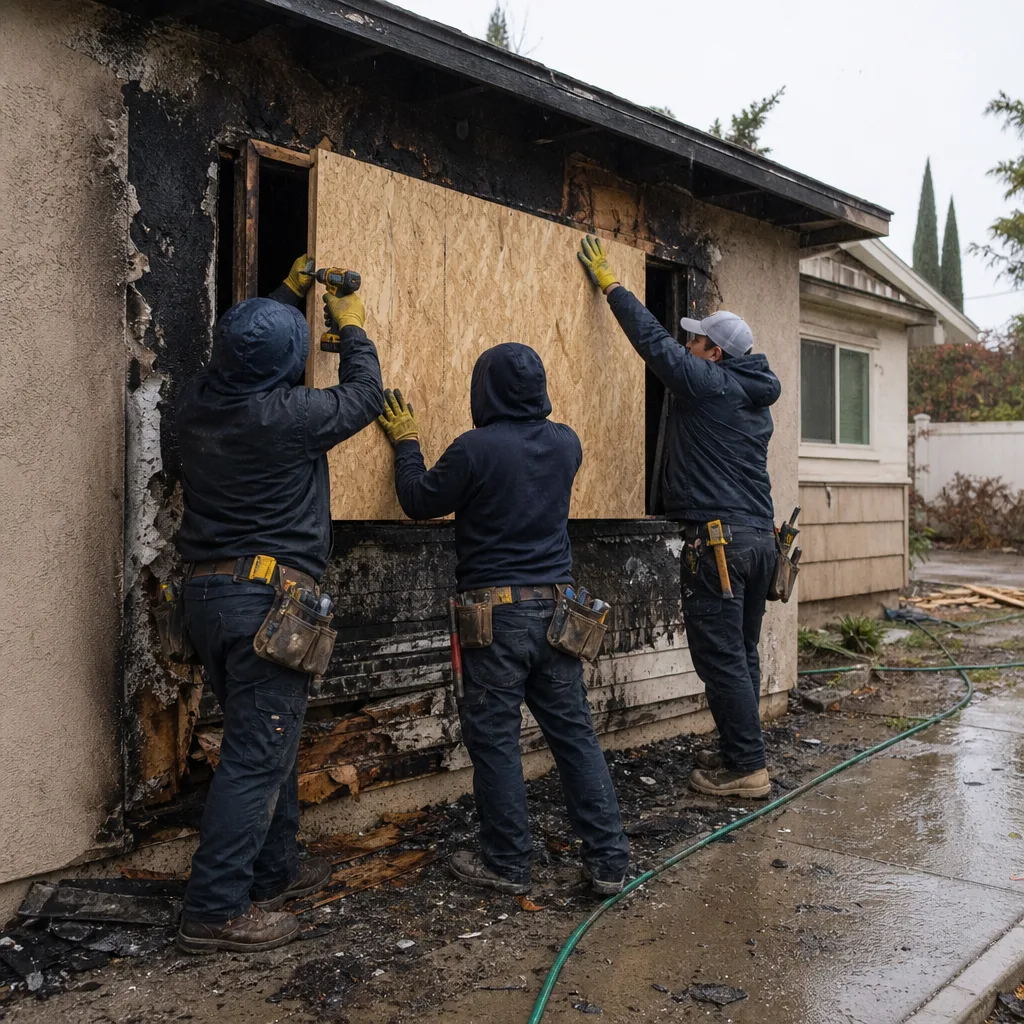
San Fernando’s low-lying residential blocks near the city center see persistent crawl space humidity from winter storm runoff and slab-adjacent groundwater. We install vapor barriers, dehumidification, and drainage improvements to prevent re-colonization after remediation. Skipping this step is the most common cause of recurring mold in San Fernando; we include moisture source elimination in every crawl space scope.
Moisture & Humidity Control
Long-term humidity control through mechanical dehumidification, ventilation engineering, and building envelope assessment. In San Fernando’s heat-island climate, air conditioning alone often fails to control vapor pressure in wall cavities; we size dehumidification to the specific cubic footage and infiltration rate of your home’s construction era.
What happens when you call
- 1
A real person answersNo phone trees - you reach a local pro.
- 2
You get an upfront price rangeHonest numbers before anyone is dispatched.
- 3
A background-checked tech heads outLicensed & insured, dispatched right away.
- 4
You approve before work beginsNothing starts until you say go.
Mold Remediation Costs in San Fernando, CA
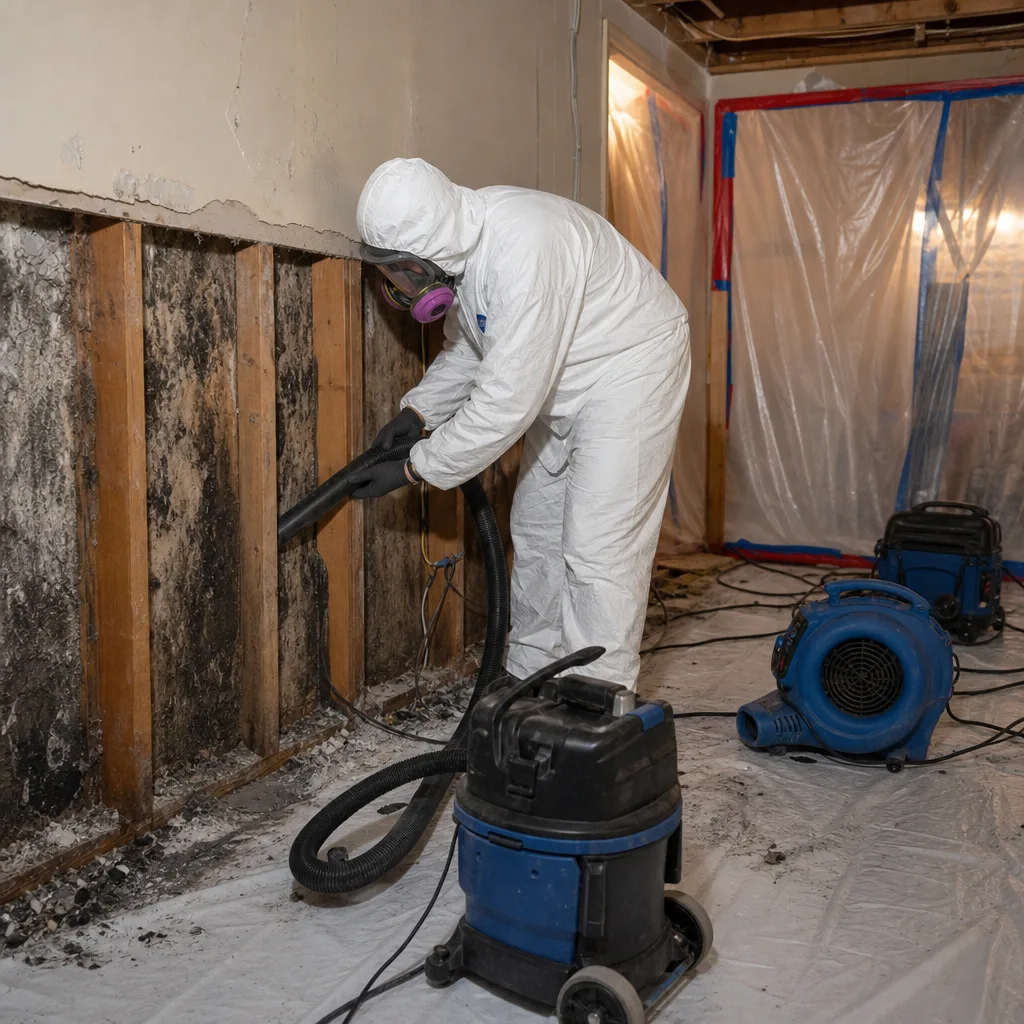
A typical contained mold removal in San Fernando runs $1,800-$3,500 for areas under 100 square feet with accessible moisture sources. Projects involving hidden wall assemblies, seismic-era repair patches, or asbestos coordination range $4,200-$6,500. Whole-home crawl space treatment with vapor barrier installation typically falls between $3,500 and $7,000 depending on linear footage and drainage complexity.
What moves the price: the square footage of visible and hidden colonization, the need for asbestos abatement coordination (common in San Fernando’s 1950s-1960s stock), permit requirements through San Fernando’s Community Development Department, and whether the moisture source requires plumbing or drainage correction. Insurance typically covers mold remediation when the underlying water damage is a covered peril - sudden supply line failure, storm intrusion, or fire suppression discharge - but excludes long-term maintenance-related humidity. We review your policy language and document the loss origin to support your claim. Call (747) 294-2725 for a free visual inspection and written scope; estimates carry no obligation.
We Also Serve Cities Near San Fernando
Our crews respond daily to Mold Remediation in San Fernando and surrounding communities: Sylmar to the northeast, where newer construction on hillside fill creates different moisture patterns; Mission Hills and Granada Hills to the south and west, with their own mix of vintage and infill housing; and Panorama City to the southeast, where post-war apartment stock presents multi-unit containment challenges. Permit workflows, building ages, and soil conditions vary by municipality; we maintain current familiarity with each jurisdiction’s requirements.
Serving San Fernando, CA - Our Local Coverage Area
We’re based in the San Fernando area and know this community well. Use the map below to see our service coverage - if you’re nearby, we can almost certainly help.
San Fernando Mold Remediation Questions, Answered
Why does mold remediation in San Fernando require a different permit process than Burbank or Glendale?
San Fernando is an independent incorporated city fully encircled by Los Angeles, so all remediation permits must be pulled through San Fernando’s own Community Development Department, not LADBS. Out-of-area contractors regularly submit to the wrong jurisdiction, stalling work while mold continues to colonize. We file correctly the first time, with documentation packages formatted to San Fernando’s specific requirements. Call (747) 294-2725 if you’re dealing with a permit delay from a previous contractor.
My San Fernando home has a cracked slab from the 1971 or 1994 earthquake - does that make mold remediation more complicated?
Yes. Slab cracks from seismic events create pathways for groundwater and surface runoff, particularly in San Fernando’s low-lying blocks where winter atmospheric-river storms overwhelm drainage. The 1971 and 1994 earthquakes also left many homes with patched - not rebuilt - foundation and wall assemblies that trap moisture differently than original construction. Our moisture mapping specifically accounts for these anomalies, and we document pre-existing seismic damage separately from current loss to protect your insurance claim.
How fast does mold grow after a winter storm floods my San Fernando crawl space?
In San Fernando’s heat-island climate, mold colonization begins 24-48 hours after water intrusion and accelerates significantly once temperatures exceed 80°F. A January storm flood in a crawl space can progress from saturation to visible colonization within a week if the source isn’t eliminated and drying isn’t initiated. Our 45-minute response commitment exists because every day of delay expands the containment perimeter and the final scope. Call (747) 294-2725 for immediate dispatch.
What should I expect during black mold remediation in a 1950s San Fernando home with asbestos floor tiles?
We sequence the work: first, certified asbestos abatement of the floor tile or popcorn ceiling under separate containment; then, mold remediation in the now-accessible substrate. You cannot disturb asbestos-containing materials during mold removal without violating Cal-OSHA regulations. We coordinate both scopes with a single written price before any work begins - Haven Standard, Clause 1 - and document each phase for your insurer. Expect 5-10 business days for combined projects depending on laboratory clearance turnaround.
Do you use the same drying equipment in San Fernando’s older stucco homes as in newer construction?
No. San Fernando’s 1940s-1960s stucco assemblies, particularly those with 1990s earthquake patches, require Injectidry cavity drying systems and lower-temperature dehumidification to avoid driving moisture deeper into quick-set concrete fills. Newer construction with standard drywall and modern vapor barriers responds to conventional air movers and LGR dehumidifiers. Our technicians select equipment based on the specific wall assembly we map during inspection, not by default. The daily drying log documents which equipment was deployed and why.
Can I stay in my home during mold remediation?
For contained areas under 100 square feet with no toxigenic species, residents often remain in the home with HVAC isolation. For whole-room or whole-home black mold remediation, or when asbestos abatement is sequenced, we recommend temporary relocation until clearance testing confirms safe re-entry. We provide a written re-entry protocol with specific air quality benchmarks, not a verbal assurance. Your insurer may cover relocation costs under additional living expenses; we document the necessity in our scope.
Are your technicians certified for mold remediation?
Yes. Our lead technicians hold IICRC AMRT (Applied Microbial Remediation Technician) and WRT (Water Damage Restoration Technician) certifications, with continuing education to current standards. License numbers are documented on every job folder and available on request. We do not send general laborers to perform microbial remediation; every containment is supervised by a certified technician who signs the drying log and clearance documentation. This certification is what distinguishes restoration from cleaning, and it’s what your insurer expects to see.
What should I do in the first 30 minutes after discovering mold?
Stop the water source if you can identify it safely, then call (747) 294-2725 for live dispatch. Do not disturb visible mold - agitation releases spores and expands the contamination zone. Turn off HVAC systems to prevent distribution through ductwork. Take photos from a distance for your records, then wait for our technician with moisture-mapping equipment. The documentation we create in the first hour often determines whether your claim is paid without dispute; early, undisturbed conditions are the most defensible.
Written by Alicia Brennan, Owner at Back to Dry Restoration, serving San Fernando since 2011.
Mold Remediation in Nearby Areas