

Free visual inspection and a written scope of work before any mitigation begins - photos, moisture readings, and drying logs go in your claim file
The scope we write is the scope we bill. Anything new gets shown to you, in writing, before we touch it.
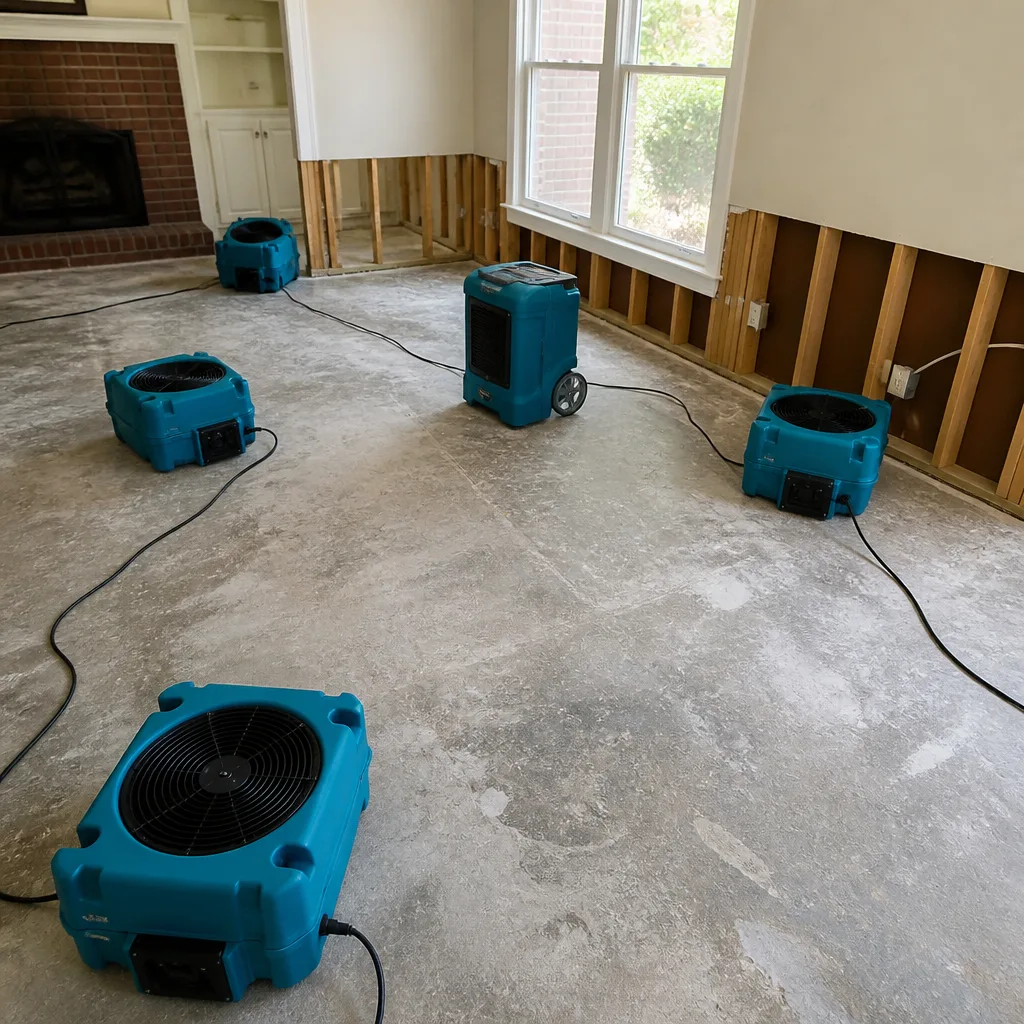
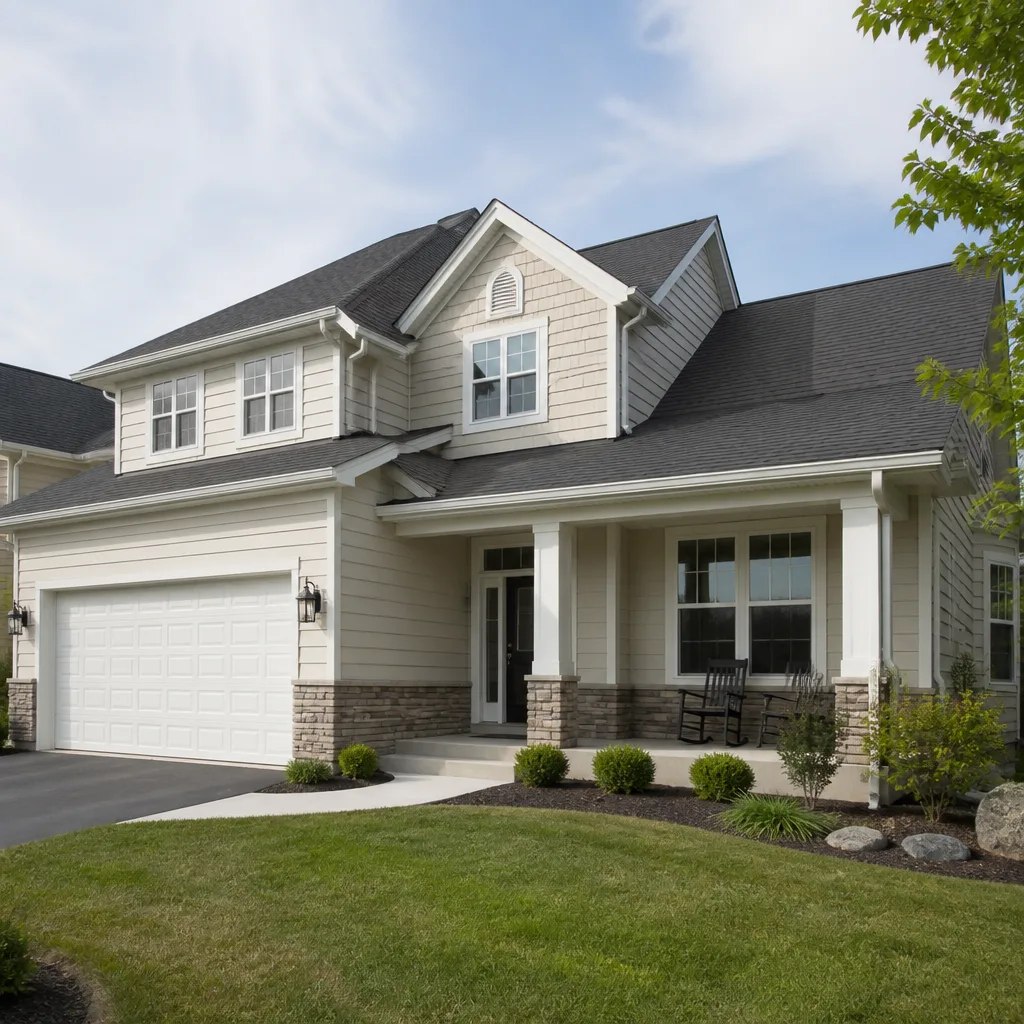
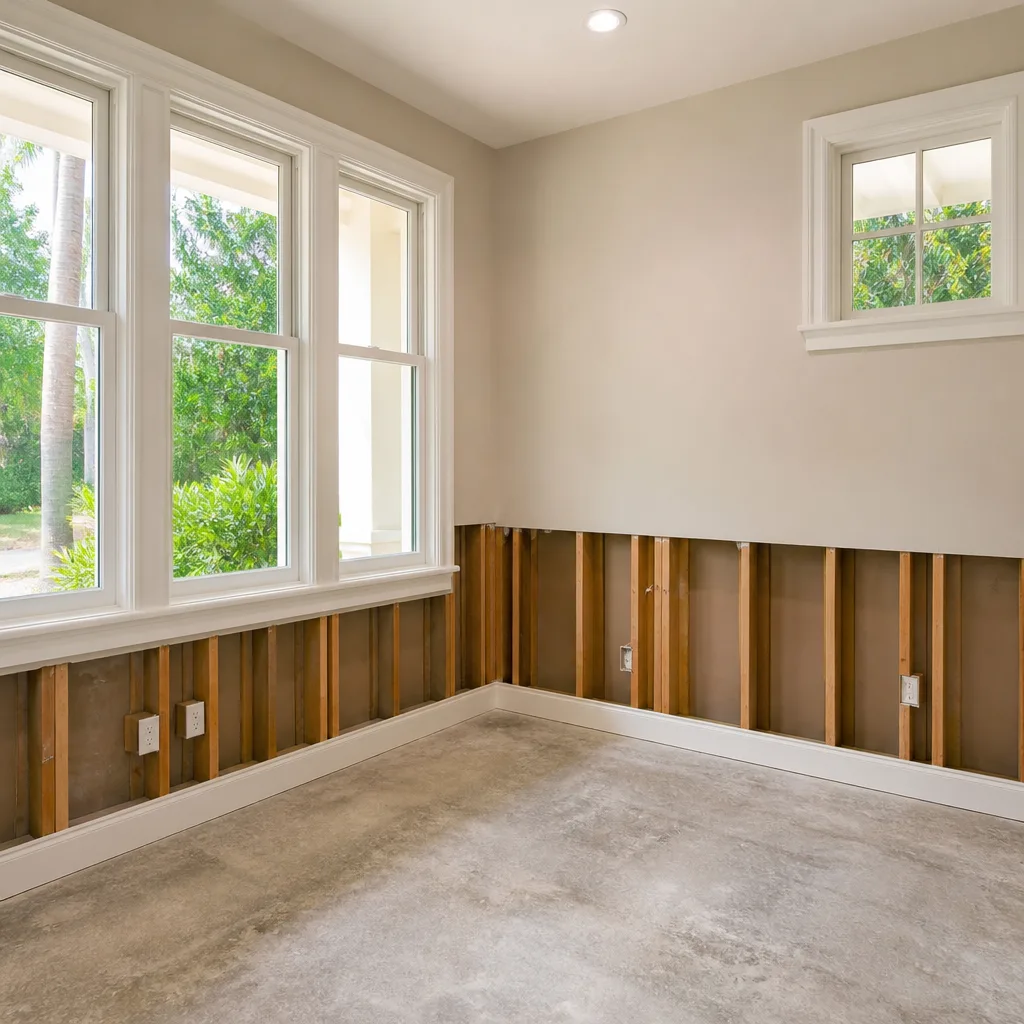
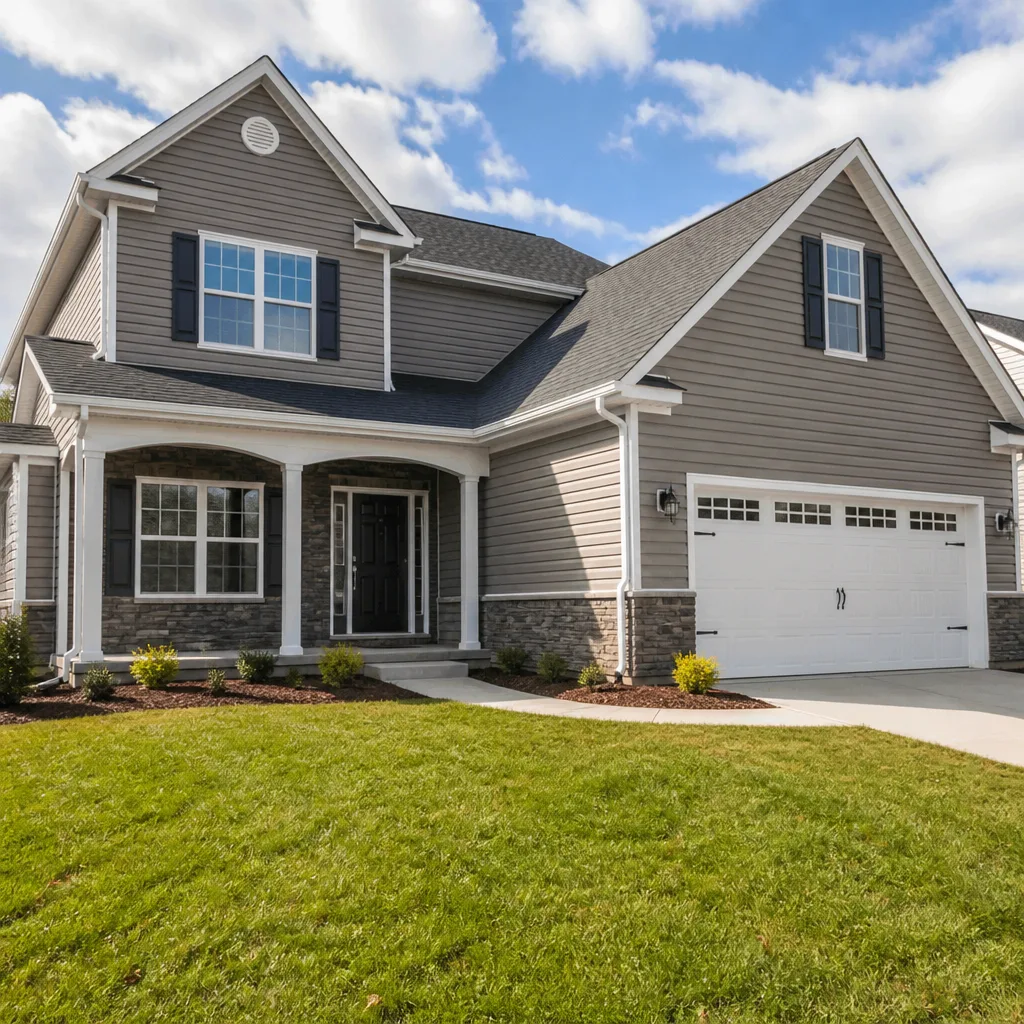
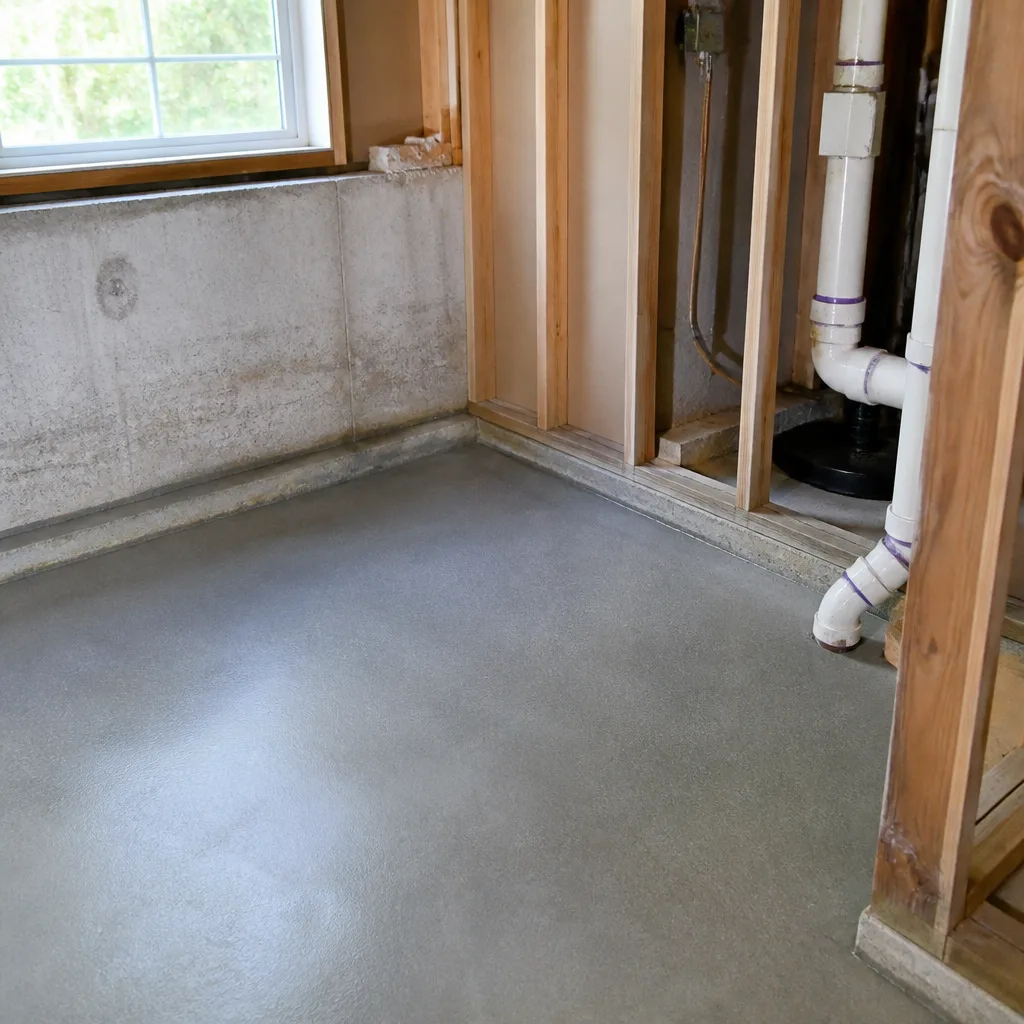
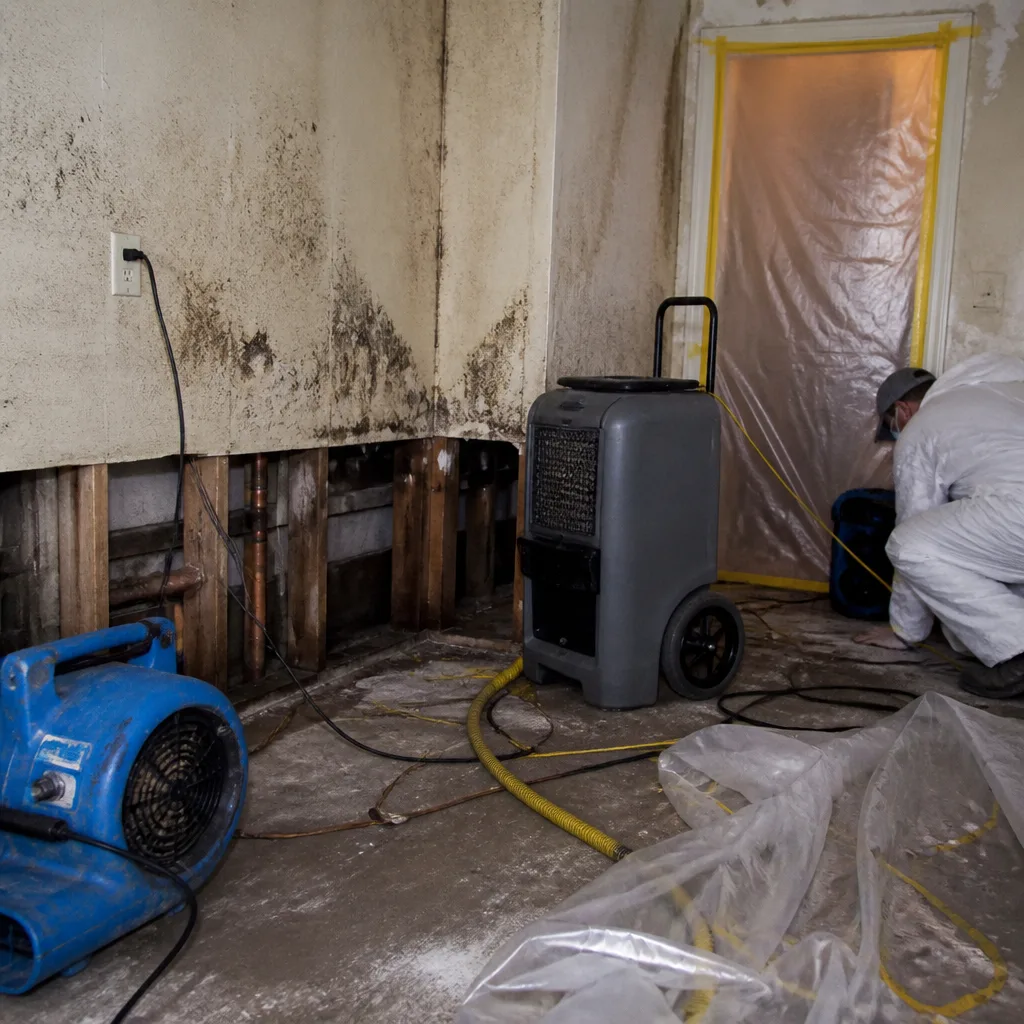 Before
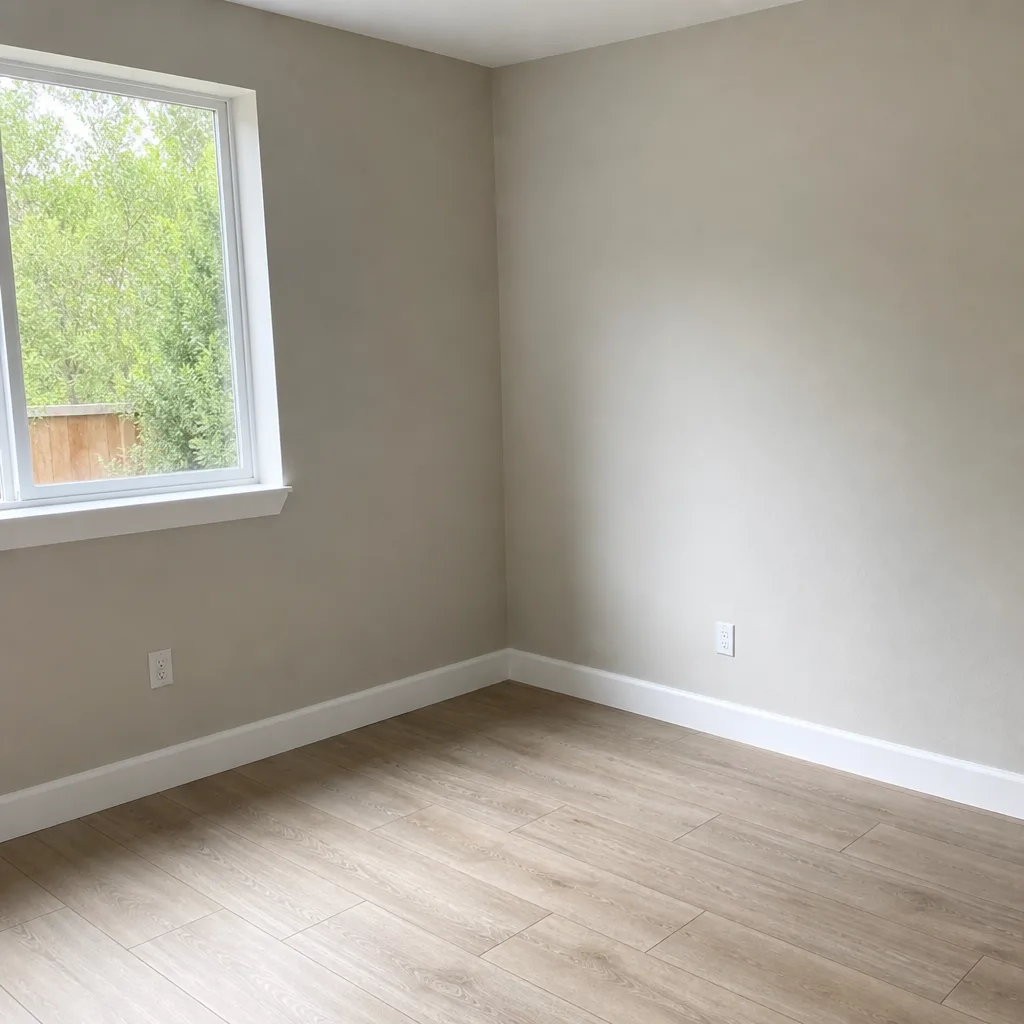 After
After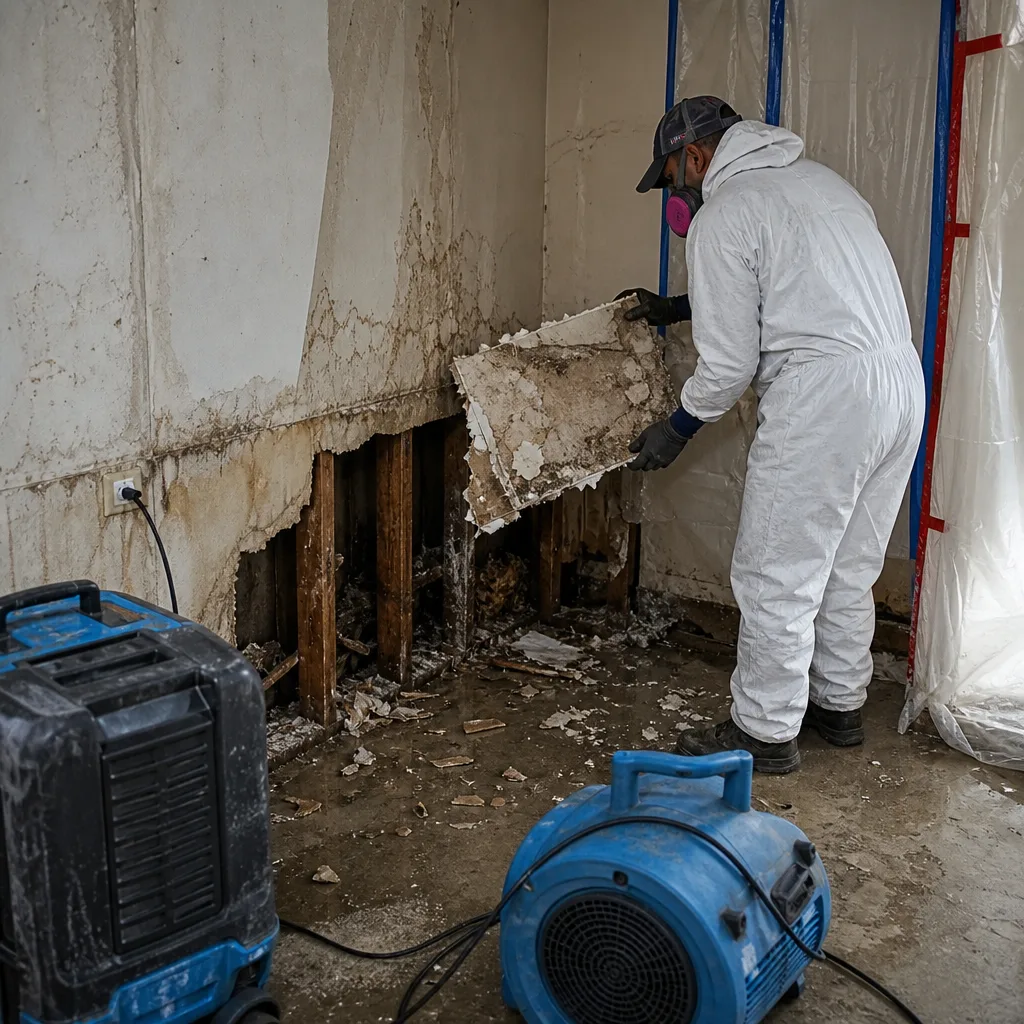 Before
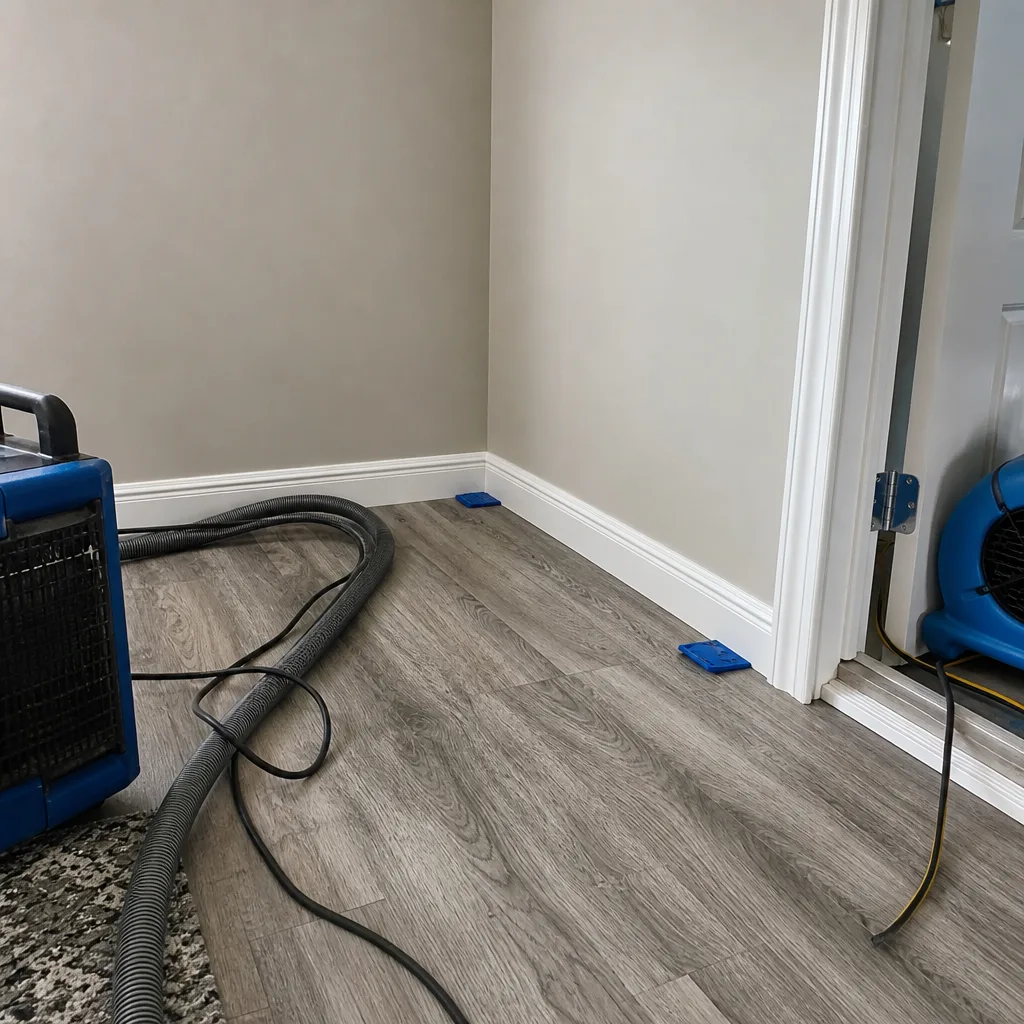 After
After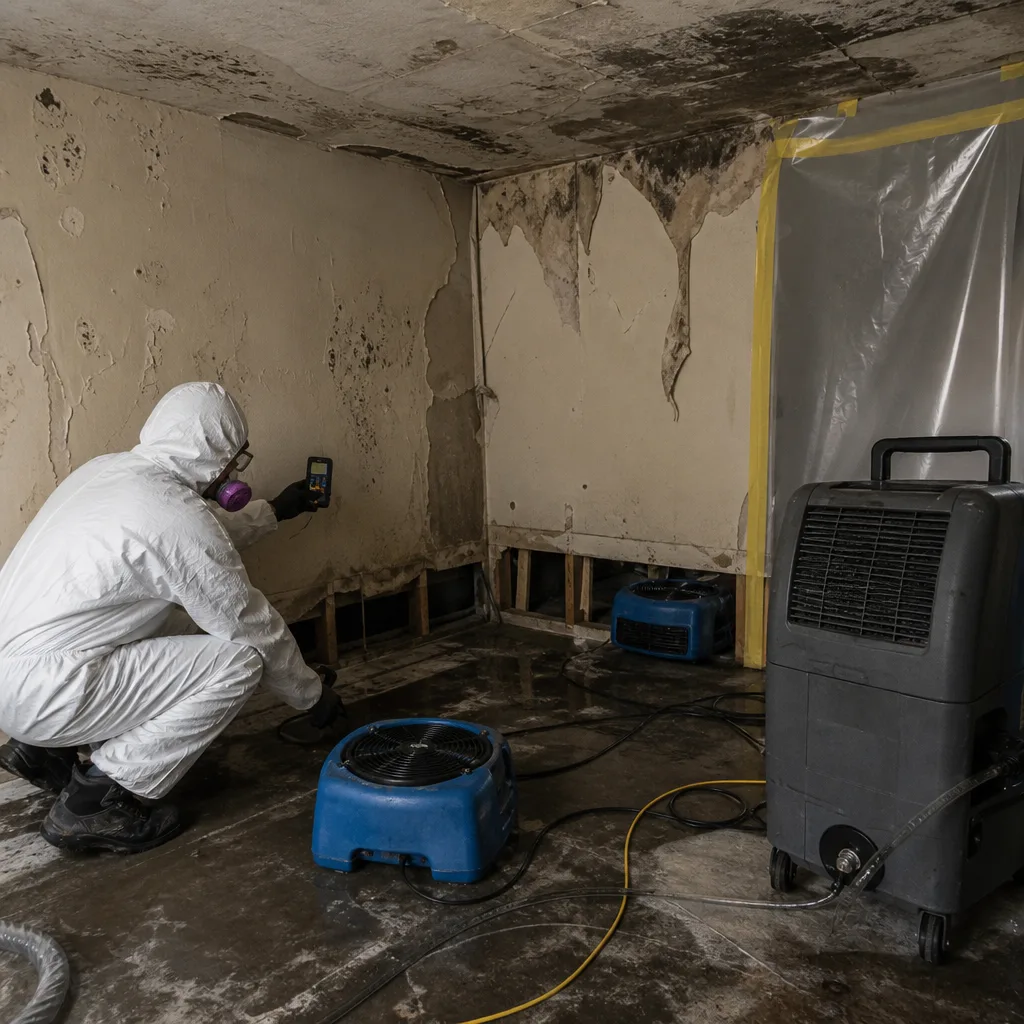 Before
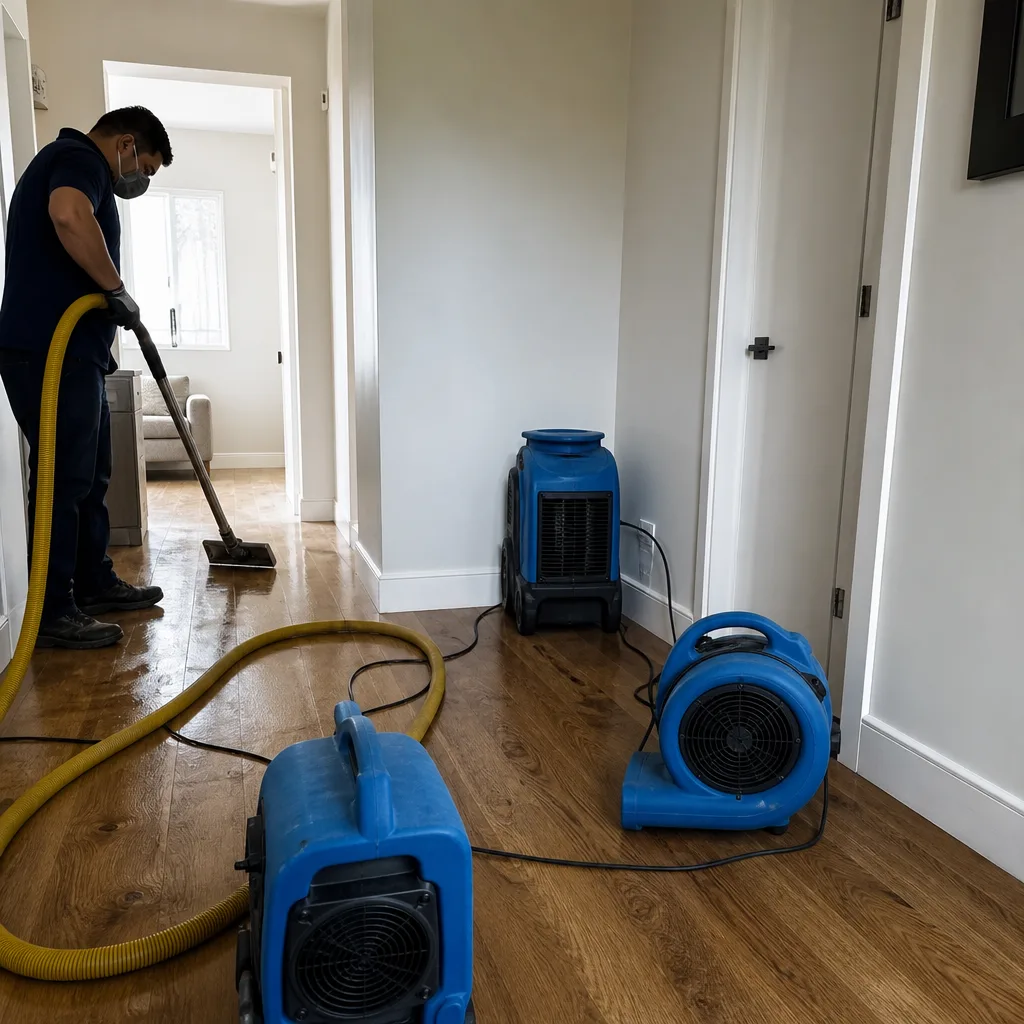 After
After24/7 Emergency Mold Remediation in Winnetka
Mold remediation in Winnetka typically costs $1,800-$6,500 depending on whether surface treatment or full wall-system replacement is needed, and our crews are dispatched within 45 minutes for active water-intrusion calls. Call (747) 294-2725 now - a live person answers every emergency line, 24 hours a day, with no voicemail trees while moisture is still spreading through your walls. The first hour determines whether we contain a localized colony or face secondary contamination through your HVAC system; in Winnetka’s 1940s-1970s tract homes, slab leaks from corroded galvanized lines move fast through hollow stucco voids left by cosmetic 1994 earthquake repairs.
We offer a free visual inspection and written scope before any work begins, every time, under Haven Standard, Clause 1. Our Mold Remediation team serves Winnetka from our Los Angeles office, with crews already routing through the Valley for nearby Reseda and Northridge calls.
Understanding Mold Remediation Severity in Winnetka Properties
Mold damage in Winnetka falls into three containment tiers. Tier 1 covers isolated surface growth under 10 square feet, typically behind a single bathroom vanity or kitchen cabinet, where HEPA vacuuming and antimicrobial treatment suffice. Tier 2 involves 10-100 square feet with probable HVAC involvement, requiring negative-air containment with Poly sheeting, air scrubbers running at 4-6 air changes per hour, and sealed ductwork. Tier 3 exceeds 100 square feet or involves toxigenic species like Stachybotrys chartarum, demanding full room isolation, personnel in PPE, and third-party clearance testing before rebuild.
Winnetka’s housing stock tilts most calls toward Tier 2 or 3. The slab-on-grade foundations, original galvanized supply lines in hard Valley water, and those hollow stucco sections from 1994 patches mean moisture mapping routinely reveals hidden colonization behind apparently clean surfaces. We document every reading with psychrometric data - temperature, relative humidity, and vapor pressure differential - so your insurer sees why removal, not cleaning, was necessary.
Why Winnetka Property Owners Choose DryMark Restoration Santa Clarita
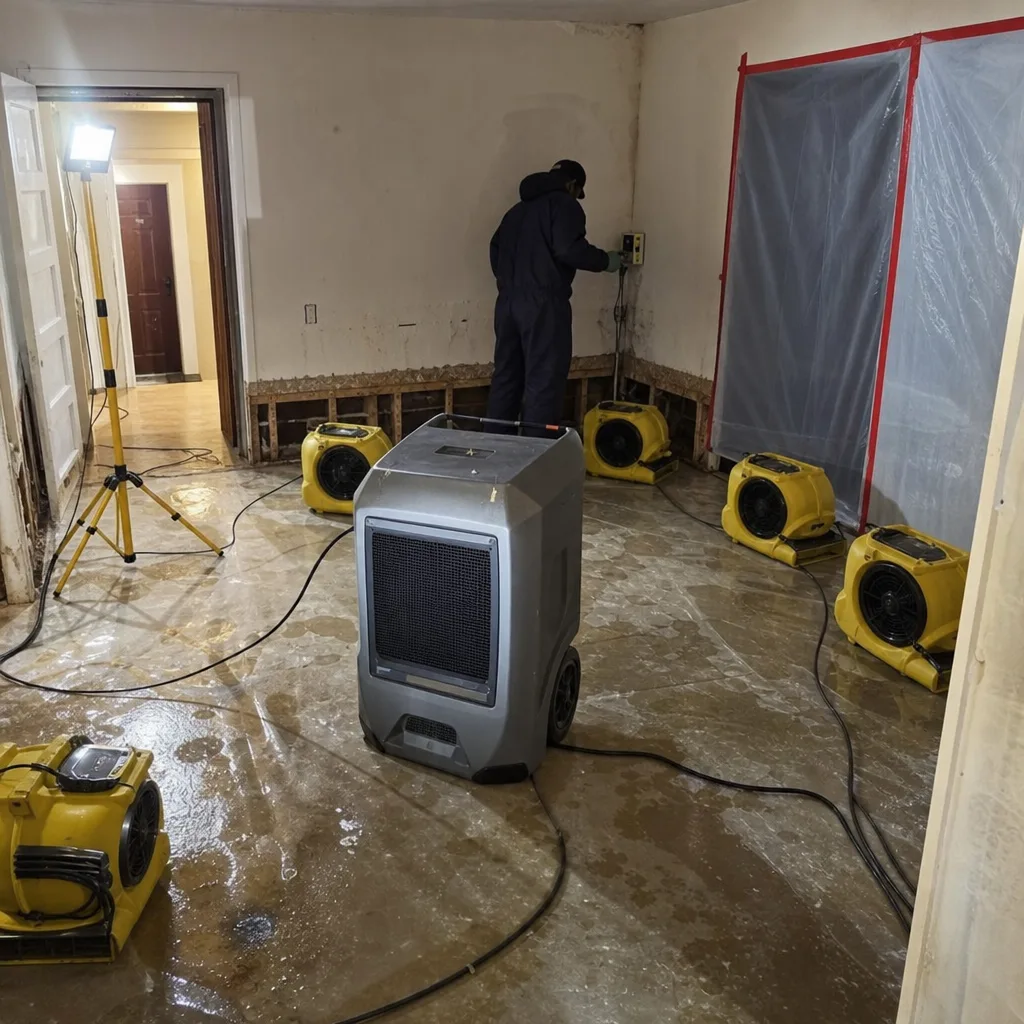
- 45-minute response commitment to active water-intrusion calls in Winnetka, because slab leaks don’t wait for business hours.
- 24/7 live answer by a real person, never an automated system - no voicemail while mold spores are actively releasing.
- IICRC-certified crews holding WRT (Water Damage Restoration Technician) and AMRT (Applied Microbial Remediation Technician) credentials, with license numbers provided on request.
- Free visual inspection and written scope before any containment is set up or equipment is deployed.
- Direct insurance billing with photo-documented drying logs that turn restoration invoices into payable claims.
- One team from microbial remediation through reconstruction, so no handoff gaps between containment removal and wall rebuild.
 Before
 After
AfterOur Mold Remediation Process
1. Inspection & Assessment
We moisture-map every room with thermal imaging and pinless moisture meters, then probe suspect stucco for hollow sections. In Winnetka, we specifically test slab perimeter walls where 1994 quake micro-cracking channels slab leaks into wall cavities. You receive a written scope with line-item pricing before any work begins - Haven Standard, Clause 1.
2. Containment & Air Filtration
Negative-air containment is erected with 6-mil Poly sheeting and zipper-door access. HEPA air scrubbers (XPOWER and B-Air units) run continuously at calculated air-exchange rates to prevent cross-contamination through degraded caulked penetrations common in Winnetka’s aging framing.
3. Removal of Contaminated Materials
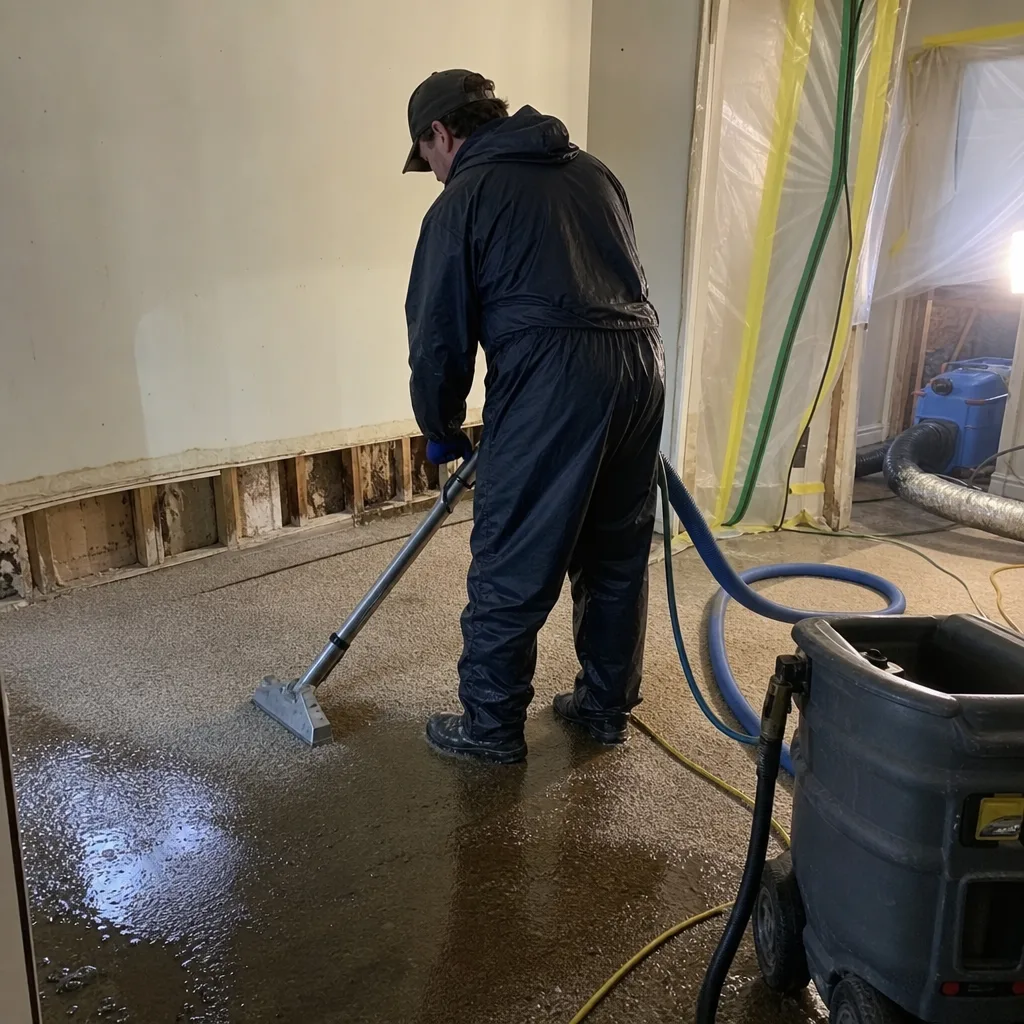
We remove drywall, insulation, and hollow stucco sections to expose the full colonization footprint. In Winnetka’s tract homes, this often means full wall-system replacement rather than spot repair, because degraded metal lath and trapped moisture extend well beyond visible mold.
4. Cleaning & Antimicrobial Treatment
Remaining structural materials are HEPA-vacuumed and treated with EPA-registered antimicrobials. We document pre- and post-treatment moisture readings for your insurer, with daily drying logs showing progressive moisture-content reduction to below 16% wood moisture equivalent.
5. Structural Drying & Dehumidification
Dri-Eaz LGR dehumidifiers and Injectidry cavity-drying systems pull residual moisture from framing and slab edges. Tertiary drying - the final phase where vapor pressure differentials are minimized - prevents recurrence in Winnetka’s thermally cycled building envelopes.
6. Repairs, Rebuild & Clearance
We replace removed wall systems with moisture-resistant materials where code allows, then schedule third-party clearance testing for AMRT-compliant projects. The 365-Day Done Right Promise covers all reconstruction work under The Haven Standard.
Need Emergency Mold Remediation in Winnetka Now?
Crews minutes away, answering live 24 hours a day. The sooner we start, the less it costs.
Working With Your Insurance Company
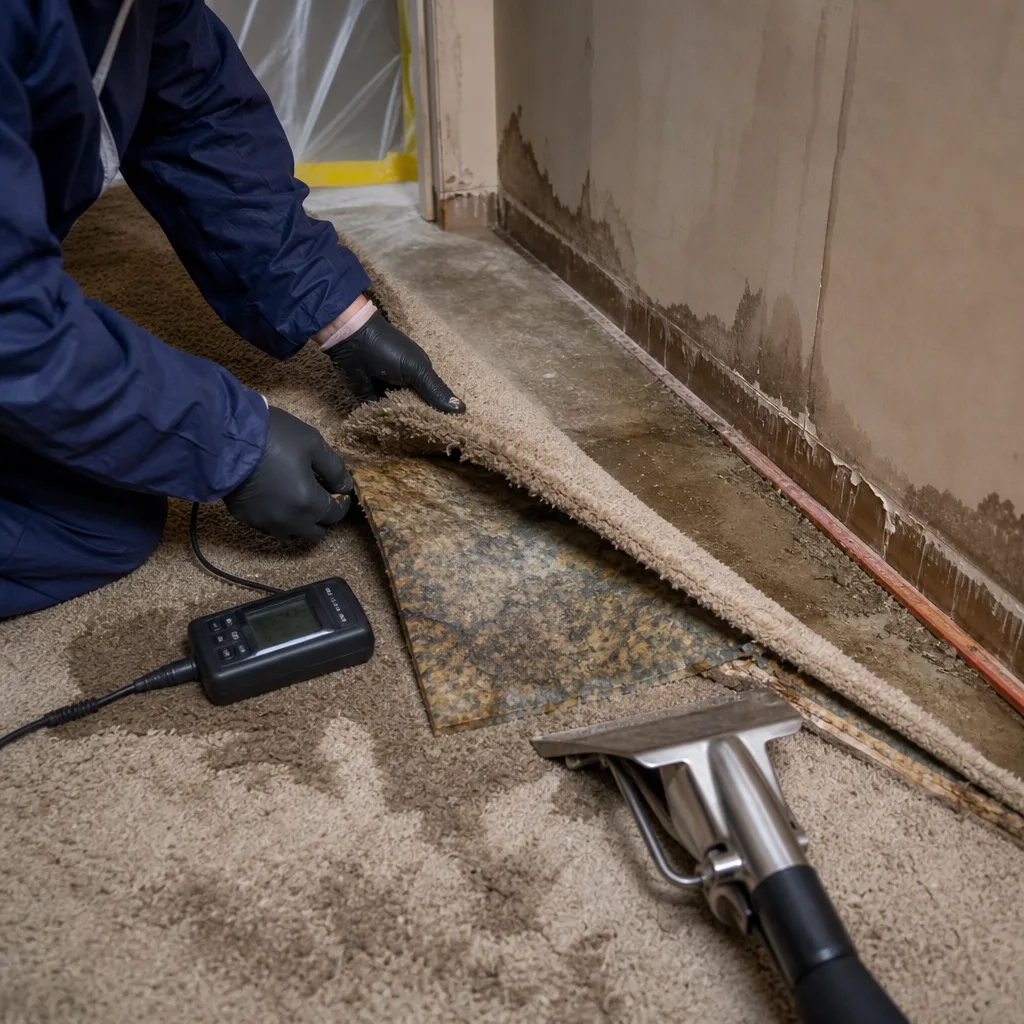
Documentation begins at arrival, not at invoice. We photograph every room, every moisture reading, every removed material classification - Category 2 water from corroded galvanized lines carries different remediation requirements than Category 1, and misclassification by less thorough contractors is a leading cause of claim denial. Our estimates follow industry-standard Xactimate pricing, with line-item scopes that match what adjusters expect to see.
We speak directly with your adjuster, providing the drying logs and photo records that justify full wall-system replacement when hollow stucco voids are discovered. In Winnetka, where 1994 earthquake legacy damage is predictable, we’ve built carrier relationships on the quality of our documentation, not on volume of claims.
What We Provide Your Insurer
- Thorough documentation of the loss
- Photos of all damage, room by room
- Moisture readings and drying logs
- A detailed, line-item scope of work
- Direct coordination with your carrier
Built for Winnetka’s Loss Calendar
January through March brings the heaviest slab-leak season. Thermal cycling from 40°F winter lows to heated interior slabs stresses Winnetka’s aging galvanized and early-copper supply lines, particularly where 1994 foundation micro-cracking has accelerated corrosion. Homeowners often misclassify the resulting seepage as Category 1 clean water, delaying proper drying until mold is established.
April through June sees Santa Ana wind events that drive smoke and ash into attic and wall cavities through degraded caulked penetrations. Fall brings the most extreme thermal cycling - 105-110°F days dropping to 60°F nights - fatiguing roof membranes and pipe joints on homes already past their service life. Summer’s dry heat actually accelerates hidden mold in air-conditioned interiors where slab moisture meets cooled drywall, creating condensation zones that thermal imaging reveals but visual inspection misses.
Mold Remediation Across Winnetka’s Neighborhoods
Winnetka’s building stock is remarkably uniform, but loss patterns vary by micro-location. Near Saticoy Street and the 20400 block, our crews encounter the most severe legacy quake damage - hairline slab cracks that channel hard municipal water directly into wall cavities, with hollow stucco sections that have been trapping moisture for three decades. Properties between Winnetka Avenue and Vanowen Street show similar patterns but with more frequent DIY patch attempts that conceal rather than resolve the underlying intrusion.
West of Mason Avenue, closer to the Chatsworth border, homes built in the early 1970s show the first wave of copper-to-galvanized transition plumbing, with electrolytic corrosion at junction points that produces pinhole leaks undetectable without pressure testing. East of Tampa Avenue, toward Reseda, we see more second-story additions on original slab foundations, where improper flashing and 1994 chimney mortar degradation create roof-to-wall moisture paths that mimic slab-leak patterns.
The corridor near Winnetka’s small commercial district along Sherman Way presents mixed-use challenges - residential units above ground-floor retail with shared HVAC systems that amplify cross-contamination risk when mold is discovered in common wall assemblies.
Specialized Mold Remediation Services We Offer in Winnetka
Mold Inspection & Testing
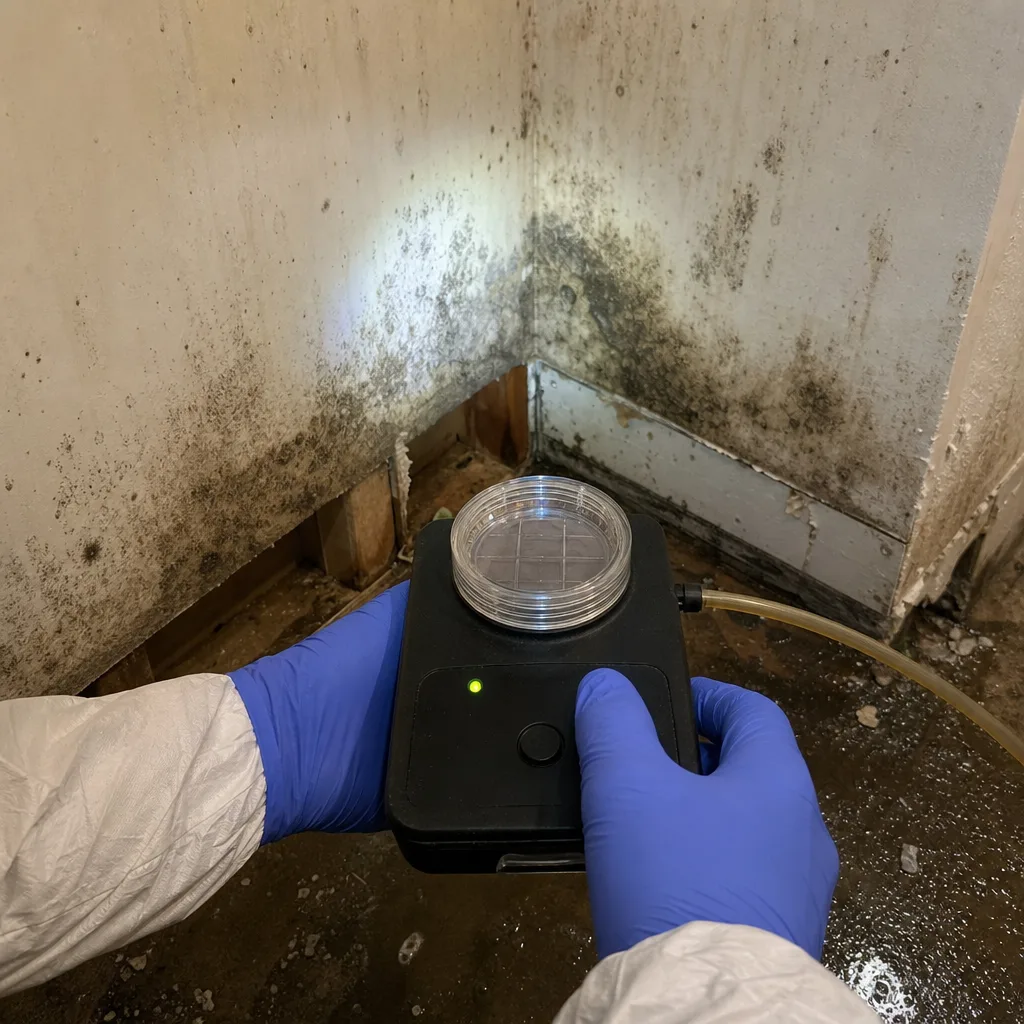
We begin with moisture mapping and air sampling, not guesswork. In Winnetka homes with hard water and old pipes, we pressure-test supply lines as part of the inspection because slab leaks are the hidden driver behind most recurrent mold. Air samples are analyzed for spore counts and species identification; tape-lift samples confirm surface colonization type. You receive a written report with remediation recommendations, not a sales pitch.
Mold Removal
Removal means physical extraction of contaminated materials, not surface spraying. In Winnetka’s tract homes, this distinction matters: hollow stucco sections and degraded metal lath must come out, or mold returns within weeks. We classify removed materials by type and document disposal for your insurer.
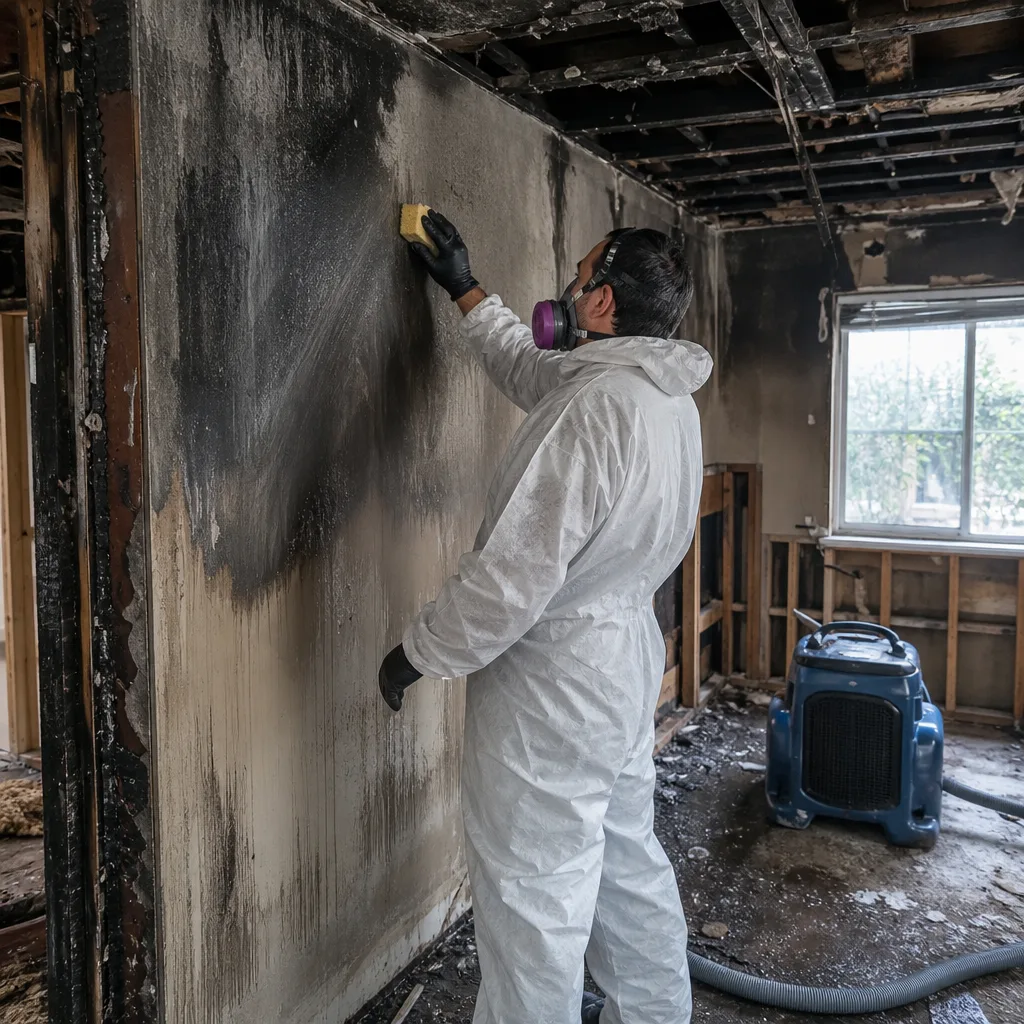
Black Mold Remediation
Stachybotrys chartarum and other toxigenic species require full containment, PPE, and third-party clearance testing. Winnetka’s chronic moisture-trapping conditions - slab leaks feeding quake-damaged walls - create the sustained wet conditions these species prefer. We do not perform black mold remediation without containment; any contractor who suggests otherwise is violating IICRC S520 standards.
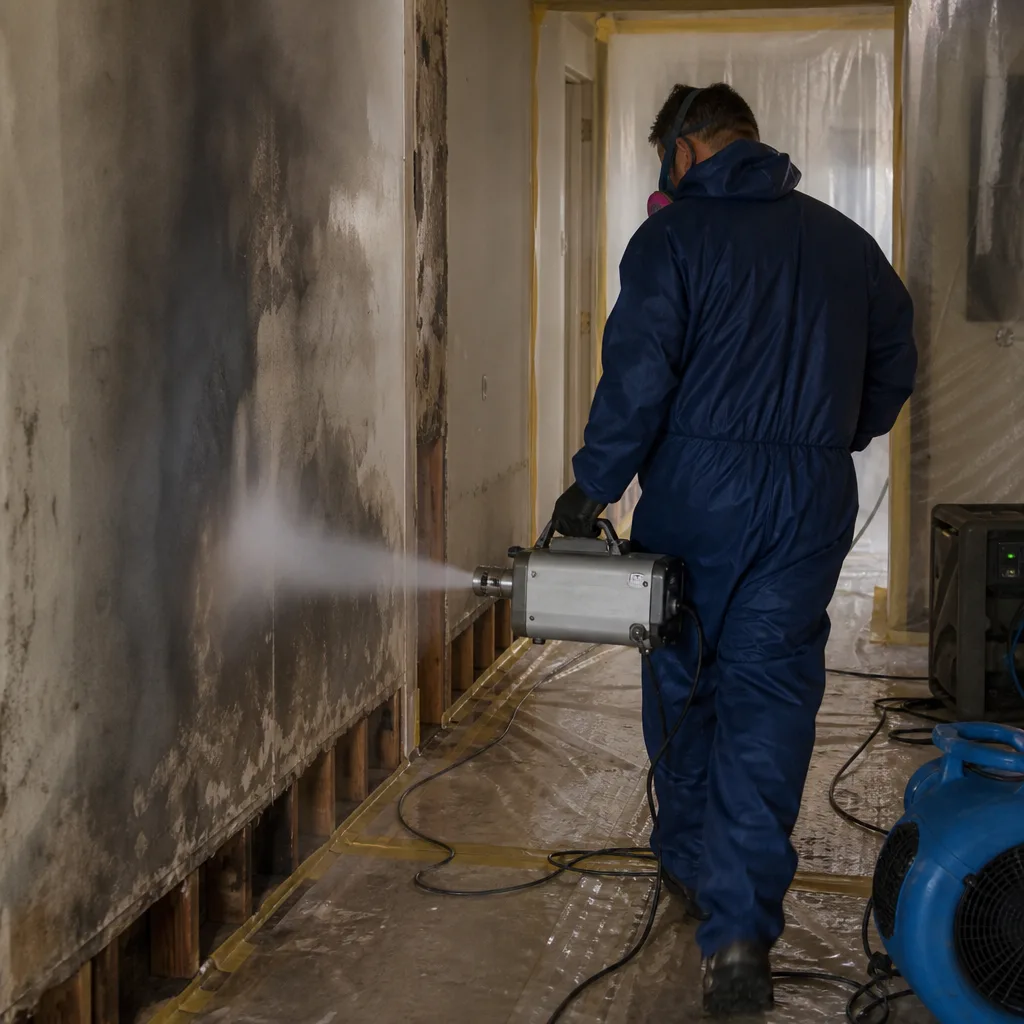
Air Quality Restoration
Post-remediation, we restore breathable air through HEPA filtration, duct cleaning where contamination has spread, and continuous air-quality monitoring until spore counts match outdoor baselines. In Winnetka’s tight, slab-on-grade homes with limited natural ventilation, this step prevents the “musty return” that homeowners mistake for incomplete remediation.
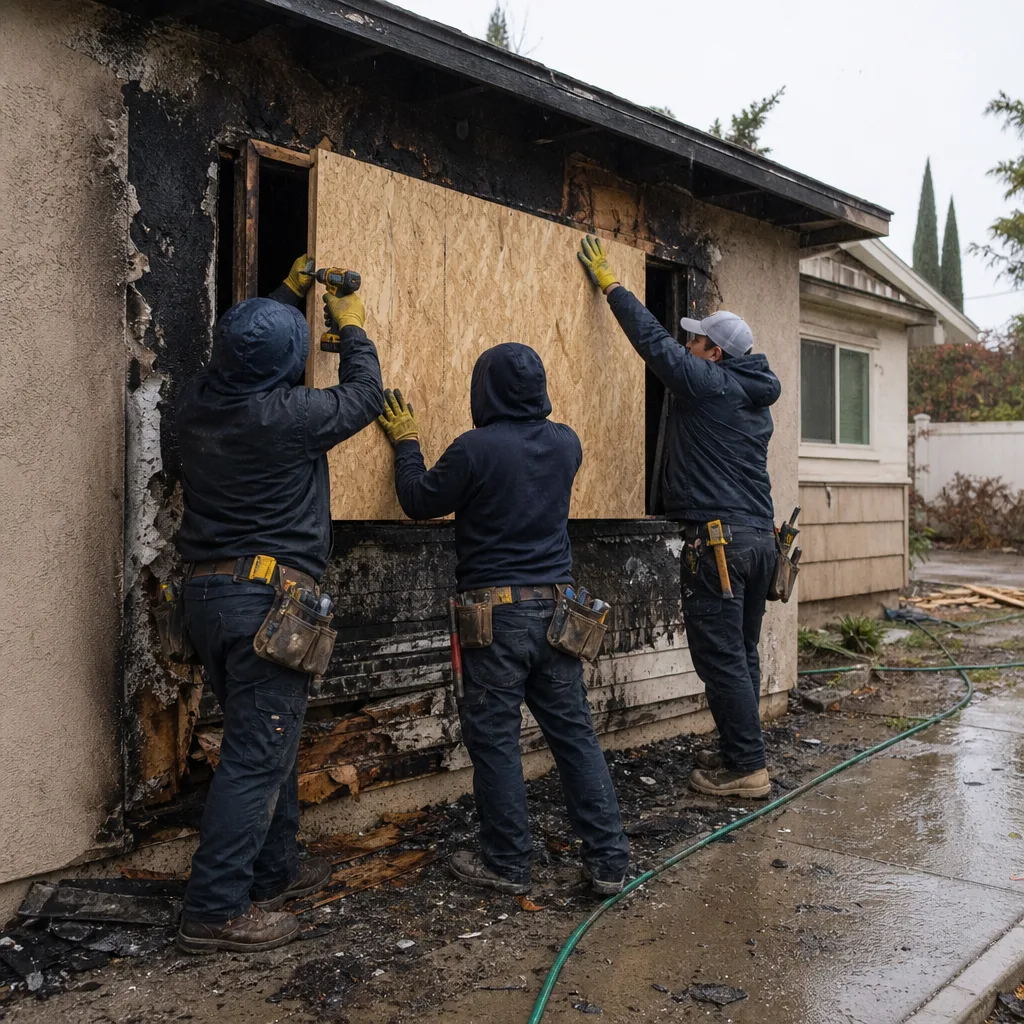
Crawl Space Treatment
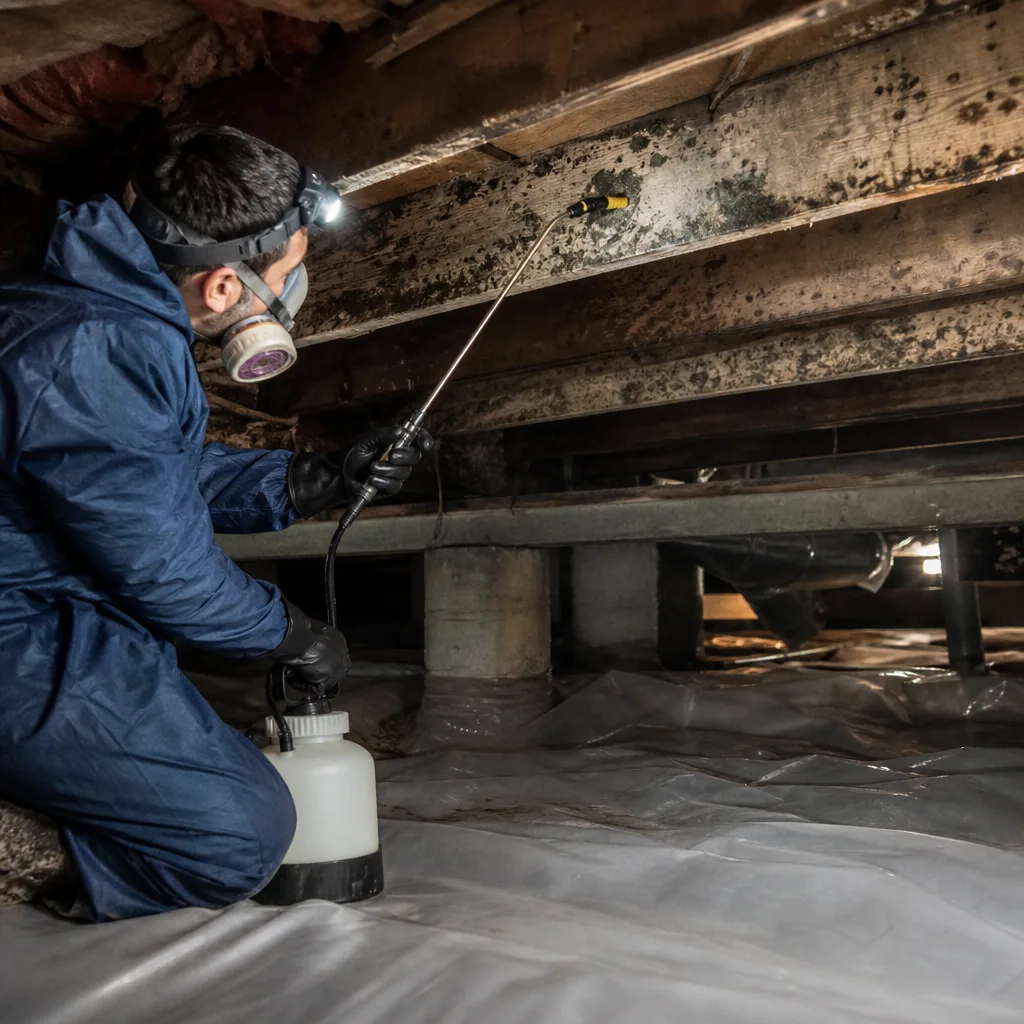
Winnetka’s slab-on-grade construction means true crawl spaces are rare, but where additions or hillside grading have created accessible sub-floor areas, we apply vapor-barrier installation and dehumidification. More commonly, we treat the perimeter “crawl” between slab edge and stucco skirt where moisture accumulates from irrigation overspray and slab weeping.
What happens when you call
- 1
A real person answersNo phone trees - you reach a local pro.
- 2
You get an upfront price rangeHonest numbers before anyone is dispatched.
- 3
A background-checked tech heads outLicensed & insured, dispatched right away.
- 4
You approve before work beginsNothing starts until you say go.
Mold Remediation Costs in Winnetka, CA
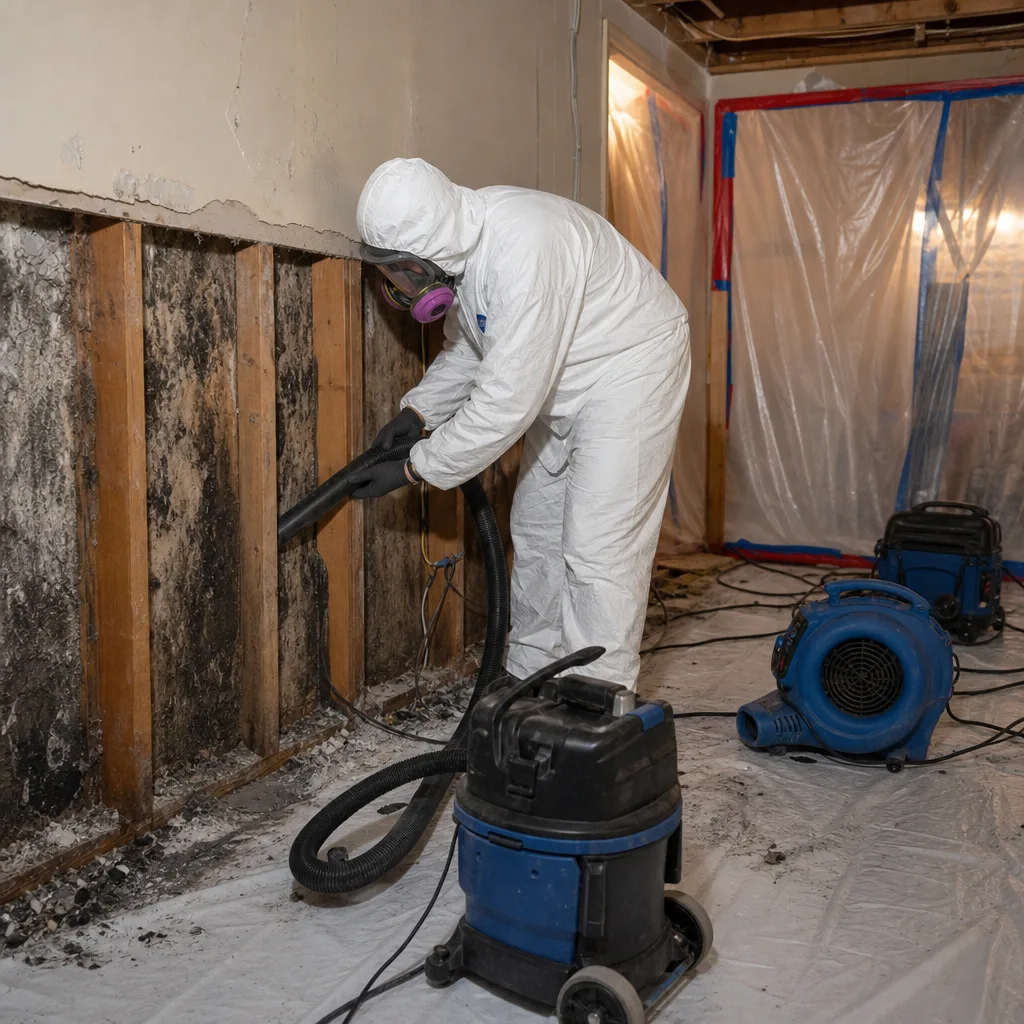
Typical mold remediation in Winnetka runs $1,800 for localized surface treatment in a single bathroom, $3,200-$4,800 for medium containment with wall removal in one to two rooms, and $5,500-$6,500+ for full wall-system replacement in slab-leak scenarios with degraded stucco and metal lath. These ranges reflect Winnetka’s specific conditions; in coastal LA markets with newer construction and fewer legacy quake issues, comparable jobs often cost 20-30% less because surface treatment suffices.
What moves the price: square footage of colonization, whether containment is single-room or whole-house, presence of toxigenic species requiring third-party clearance testing, and the extent of hidden damage revealed during removal. Insurance typically covers mold remediation resulting from sudden water damage - burst pipes, slab leaks, storm intrusion - but may exclude long-term maintenance issues unless documentation proves the loss was hidden and unforeseeable. Our photo records and moisture logs are built for that argument. Call (747) 294-2725 for a free inspection and written scope; estimates carry no obligation.
We Also Serve Cities Near Winnetka
Our crews route daily through the west Valley, handling mold remediation in Winnetka and neighboring Reseda to the east, Northridge with its mix of quake-damaged older stock and newer hillside construction, Chatsworth’s ranch properties with well-water and septic complications, and Porter Ranch where gas-utility infrastructure work has disrupted grading and drainage patterns in recent years.
Serving Winnetka, CA - Our Local Coverage Area
We’re based in the Winnetka area and know this community well. Use the map below to see our service coverage - if you’re nearby, we can almost certainly help.
Winnetka Mold Remediation Questions, Answered
Why does mold keep coming back in my Winnetka home even after cleaning?
Surface cleaning fails because the moisture source remains active. In Winnetka’s slab-on-grade tract homes, slab leaks from corroded galvanized lines feed continuous moisture through 1994 quake micro-cracks into hollow stucco voids. Until the leak is fixed and the hollow sections are removed, mold returns within weeks. Call (747) 294-2725 for moisture mapping that finds the actual source.
How quickly can mold start growing after a slab leak in Winnetka?
Mold colonization begins 24-72 hours after water intrusion in Winnetka’s warm Valley climate, faster in summer when slab temperatures accelerate spore germination. Category 2 water from corroded pipes actually supports faster growth than clean Category 1 because nutrients are present. If you suspect a slab leak, the inspection window is measured in hours, not days.
Does the 1994 Northridge earthquake still affect mold remediation in Winnetka today?
Yes. Winnetka sits within two miles of the epicenter, and the cosmetic stucco patches applied after 1994 left hollow, moisture-trapping voids that have degraded for 30 years. We probe every Winnetka remediation call for these conditions; what looks like surface mold routinely becomes full wall-system replacement once the extent of hidden damage is revealed. This is block-by-block certainty here, not occasional bad luck.
Why is full wall replacement often needed for mold remediation in Winnetka tract homes?
Three factors converge: slab leaks provide continuous moisture, 1994 quake damage created hollow stucco sections with degraded metal lath, and 70-year-old framing has reduced moisture tolerance. Surface treatment cannot reach colonization inside these voids, and the degraded lath cannot be re-secured. Removal and rebuild is the only remediation that satisfies IICRC S520 and prevents recurrence. Call (747) 294-2725 for a written scope on your specific wall system.
What should I expect during a mold inspection in a Winnetka home with hard water and old pipes?
We moisture-map all slab perimeter walls, pressure-test supply lines for pinhole leaks, and probe suspect stucco for hollow sections. Thermal imaging identifies temperature differentials that indicate moisture behind finishes. You receive a written report with species identification if sampling was performed, a line-item scope with pricing, and documentation formatted for insurance submission. The inspection itself takes 60-90 minutes for a typical Winnetka single-story.
How long does mold remediation take in Winnetka?
Localized surface treatment: 1-2 days. Medium containment with wall removal: 3-5 days plus 48-72 hours for structural drying before rebuild. Full wall-system replacement after slab leak: 5-8 days for remediation, plus reconstruction scheduling. Tertiary drying in Winnetka’s thermally cycled envelope cannot be rushed; we document daily moisture logs until wood moisture equivalent drops below 16%.
Can my family stay in the home during mold remediation?
For Tier 1 surface treatment under 10 square feet, often yes with containment isolation. For Tier 2 or 3, or any toxigenic species, temporary relocation is recommended and sometimes required by your insurer for coverage of alternate lodging. We specify occupancy status in your written scope before work begins.
Are your technicians certified for mold remediation?
Our lead technicians hold IICRC AMRT (Applied Microbial Remediation Technician) and WRT credentials, with ongoing education in S520 standards. License numbers and certification verification are provided on request. All technicians are background-checked, uniformed, and named on your job documentation - not day-labor arrivals. Call (747) 294-2725 to verify credentials before scheduling.
Winnetka’s mold problem is specific: 1940s-1970s tract homes, hard water corroding old pipes, and 1994 earthquake legacy damage that created the perfect hidden moisture traps. Generic remediation fails here because it doesn’t account for these conditions. Our documentation-first approach - written scope before work, photo records on every visit, daily drying logs - is built for the claims battles that Winnetka’s unique damage profile inevitably triggers.
Written by Alicia Brennan, Owner at Back to Dry Restoration, serving Winnetka since 2011 under The Haven Standard.
Mold Remediation in Nearby Areas