
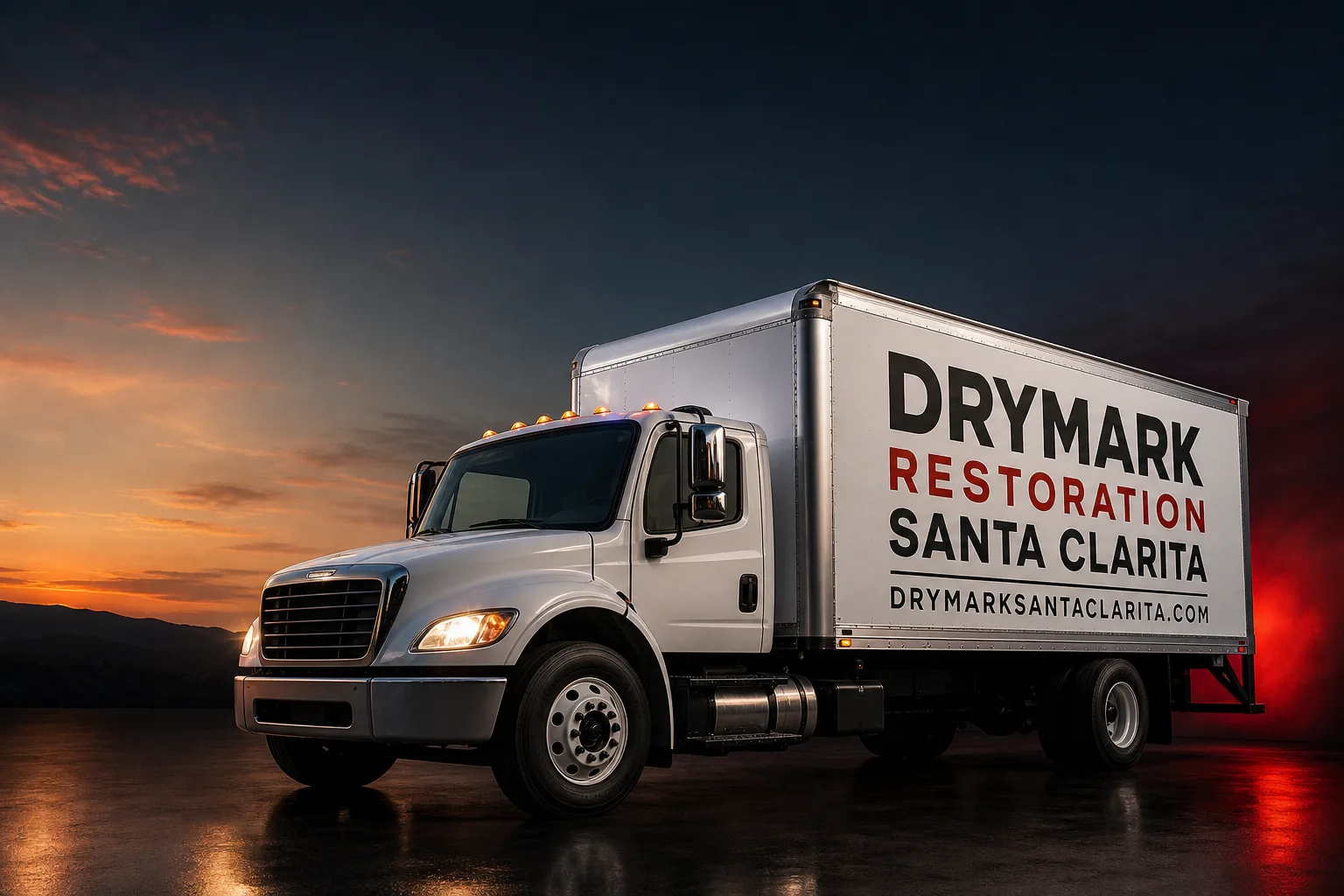
Free visual inspection and a written scope of work before any mitigation begins - photos, moisture readings, and drying logs go in your claim file
The scope we write is the scope we bill. Anything new gets shown to you, in writing, before we touch it.
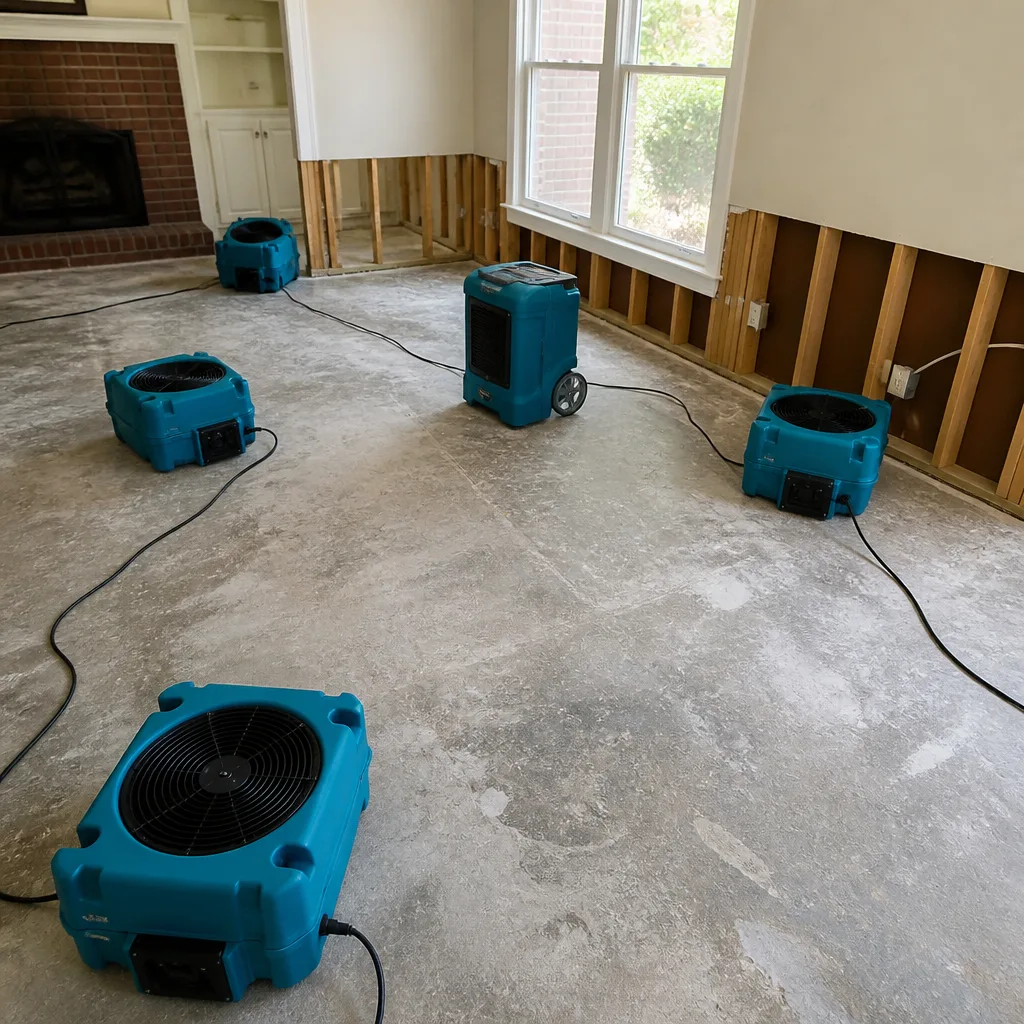
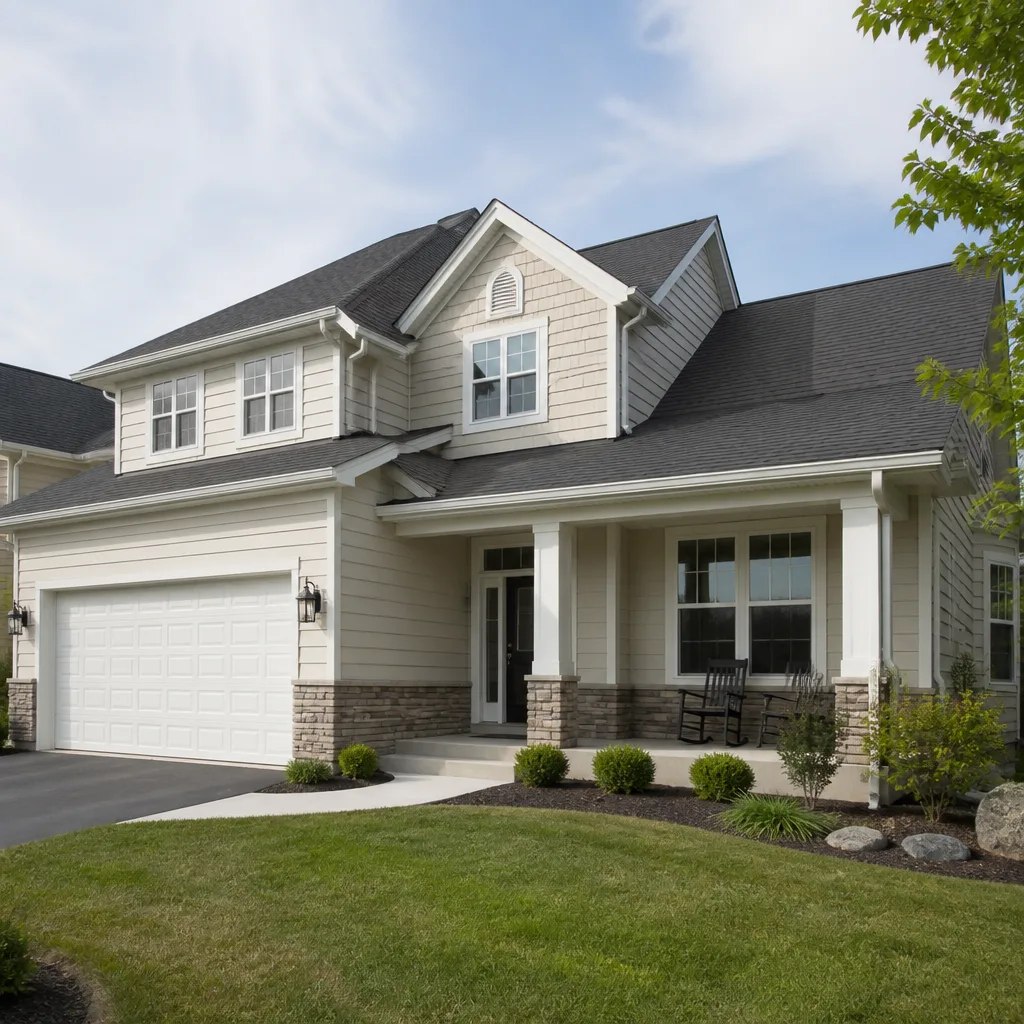
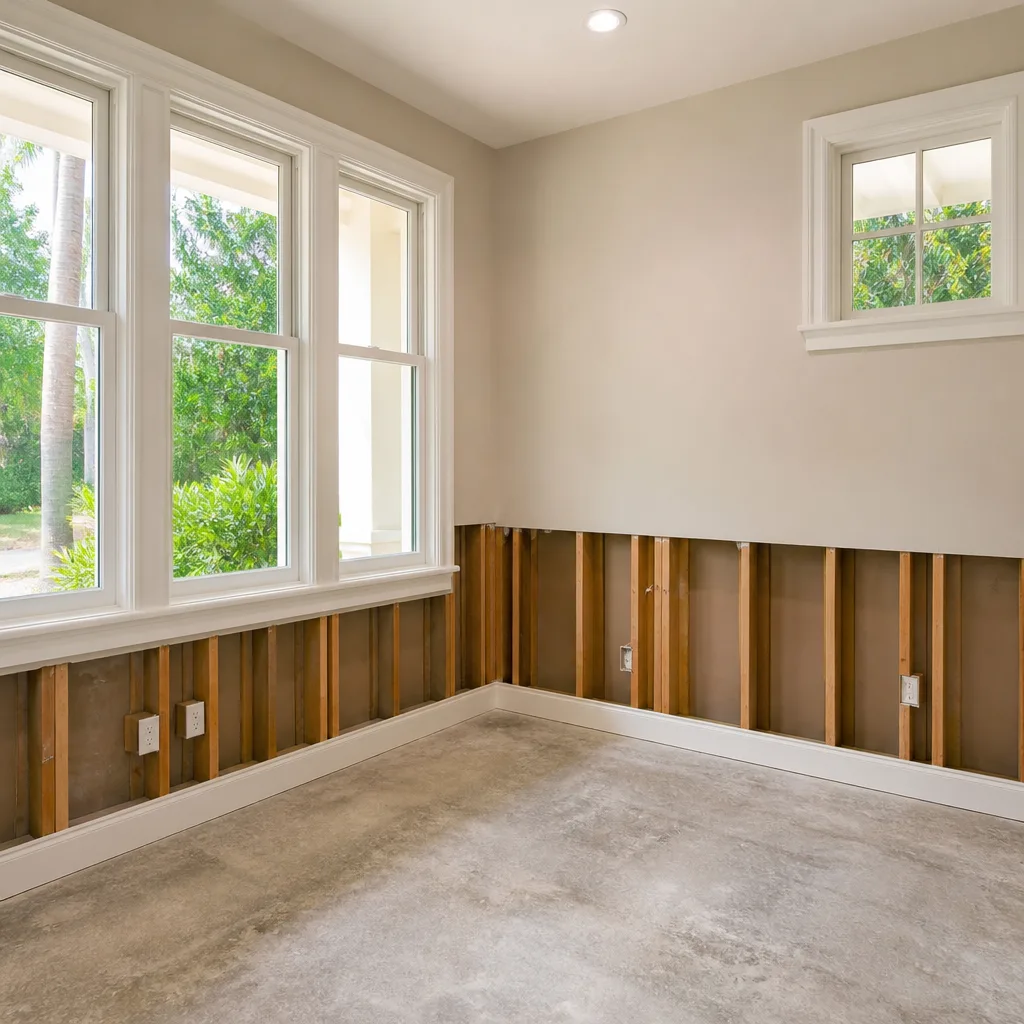
 Before
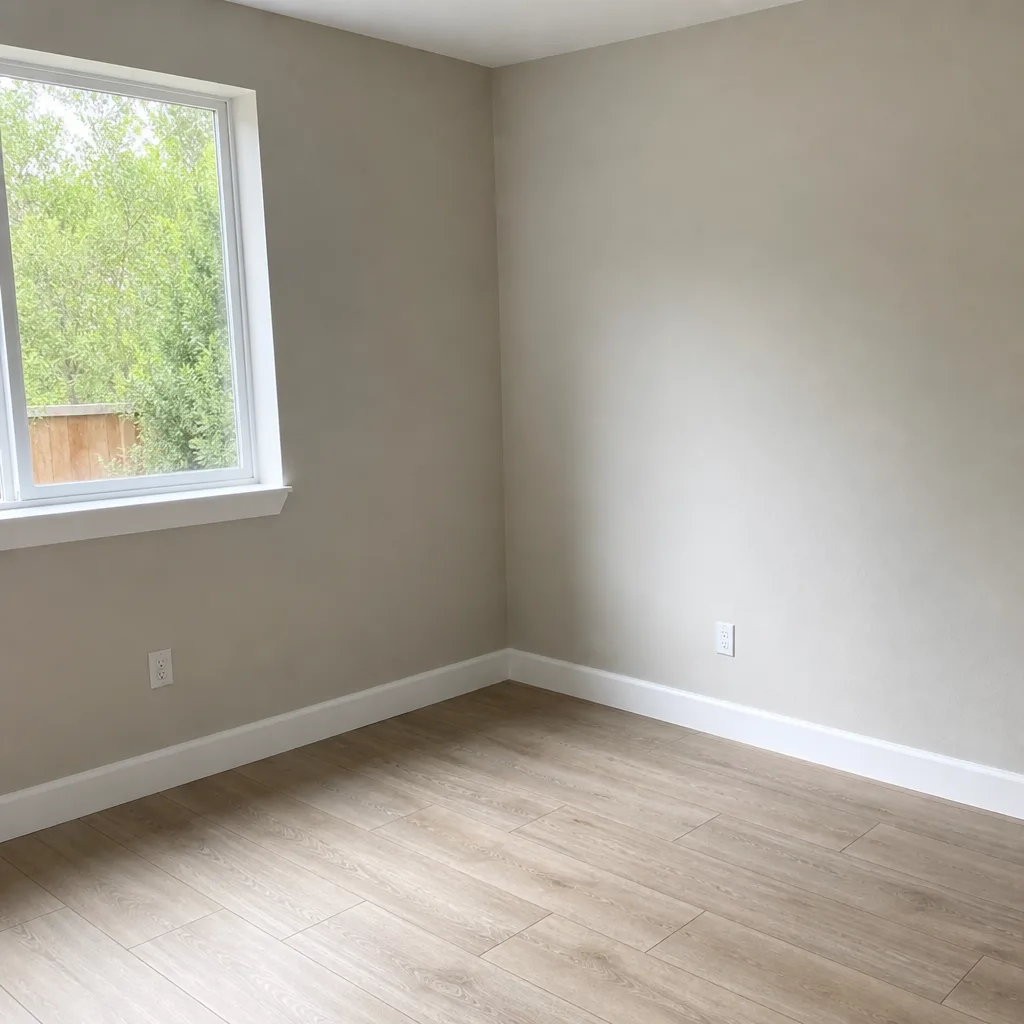 After
After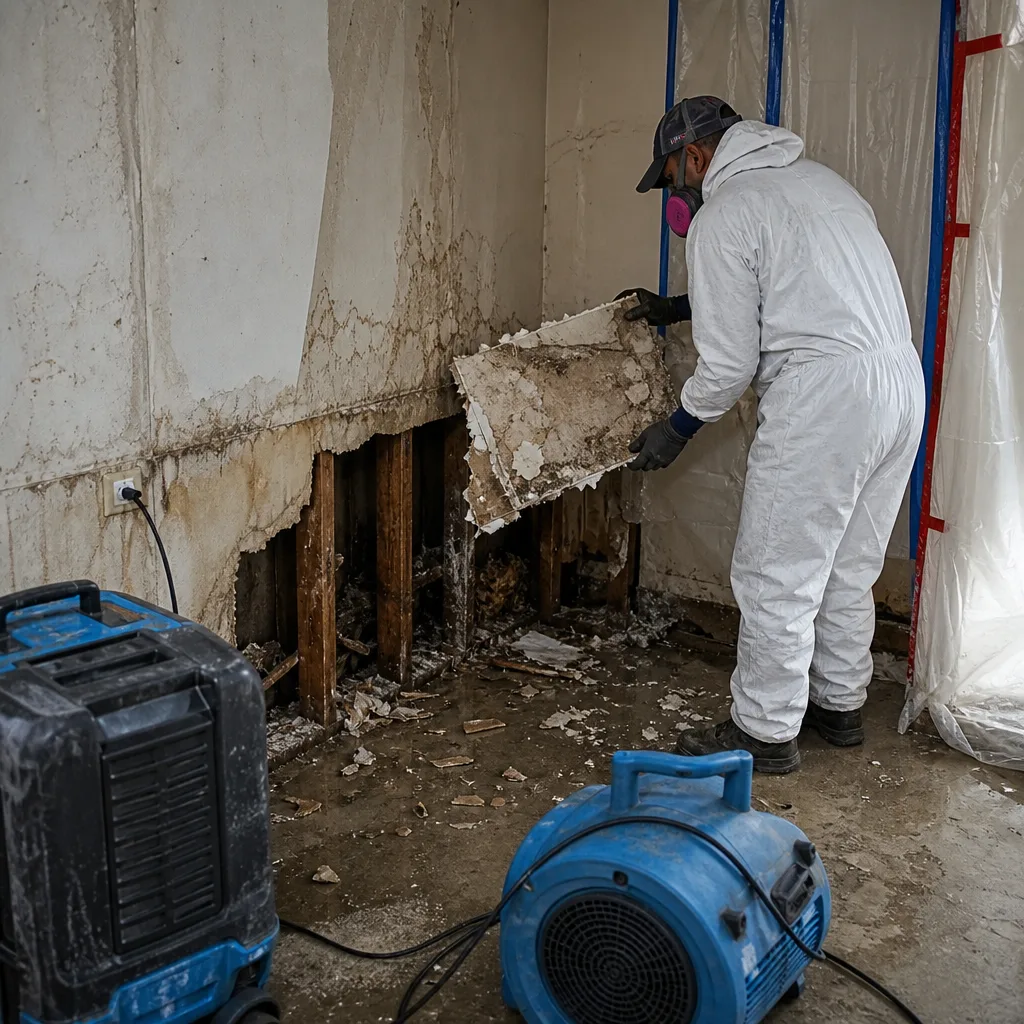 Before
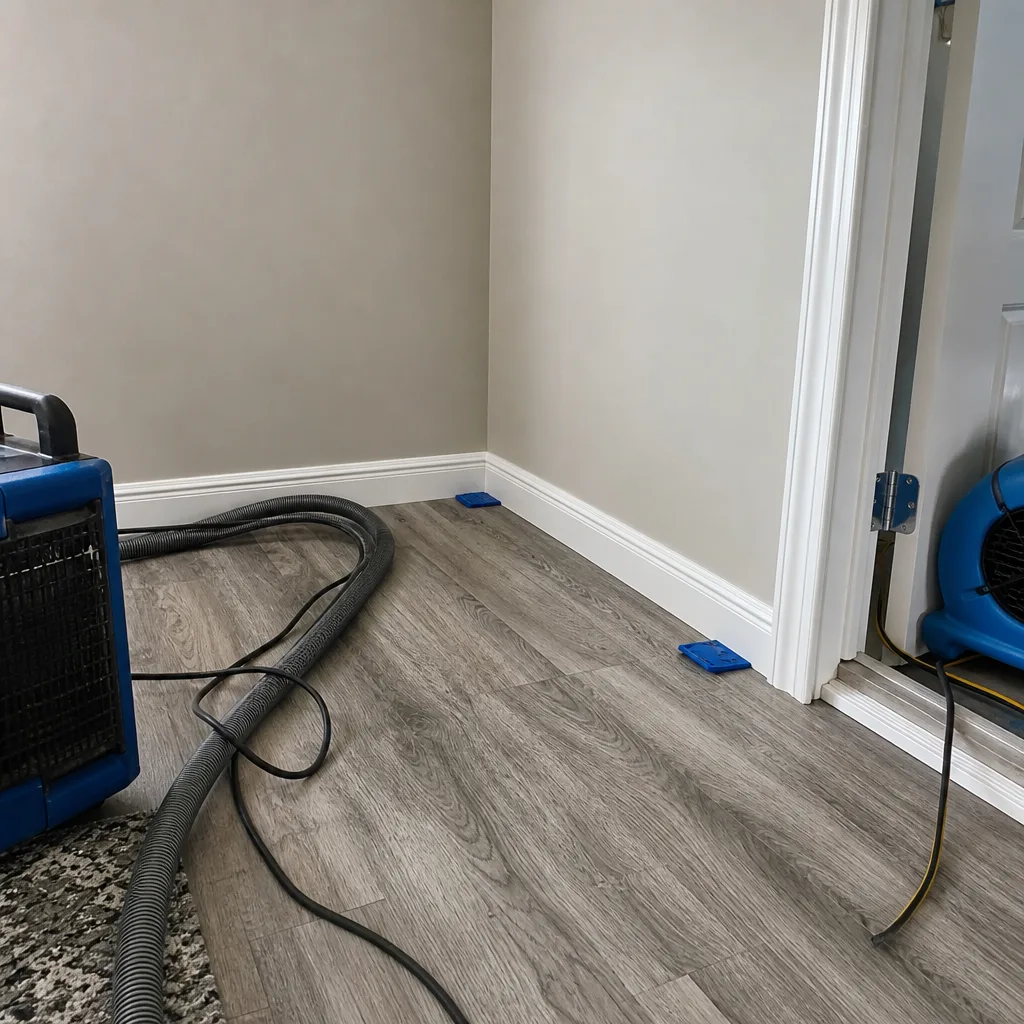 After
After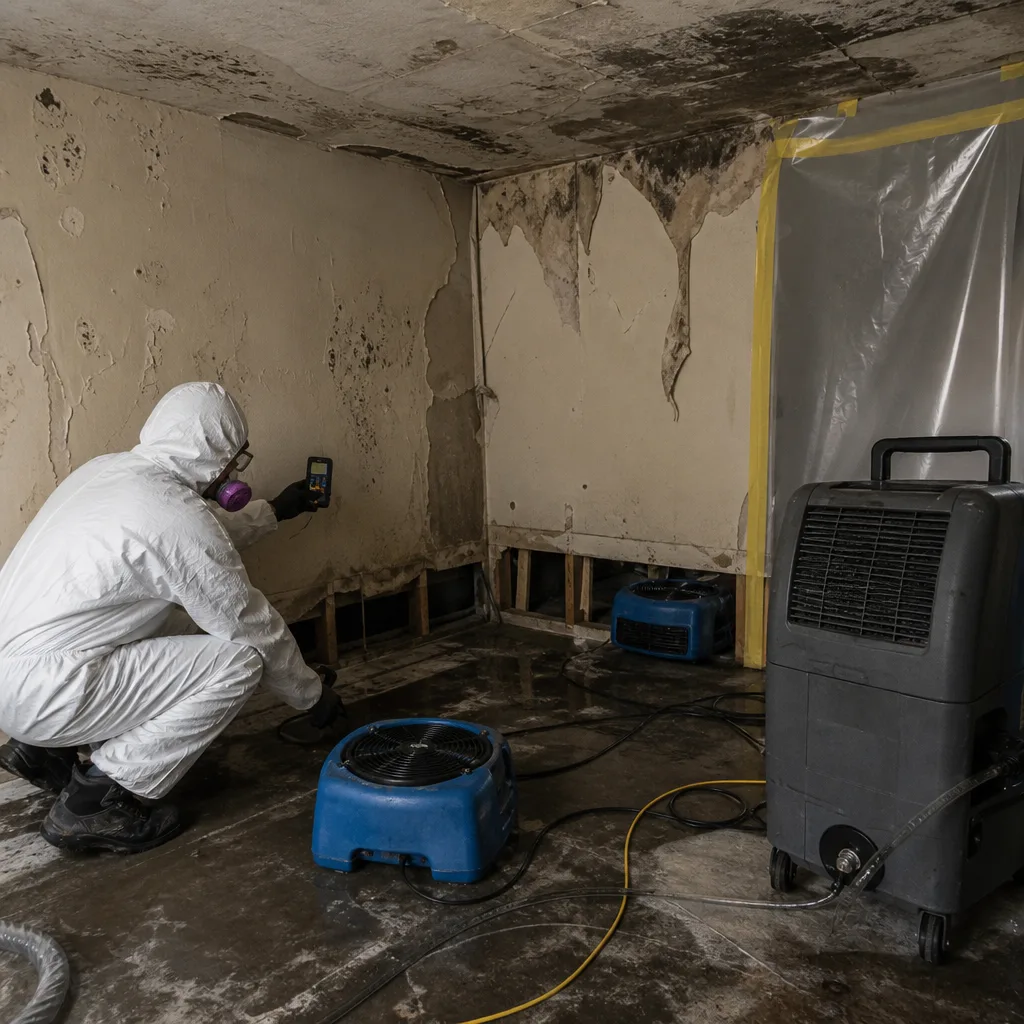 Before
 After
After24/7 Emergency Fire & Smoke Damage Restoration in Granada Hills
A fire in your Granada Hills home demands immediate response to stop smoke from embedding deeper into walls, insulation, and HVAC systems. Call (747) 294-2725 now and a live person answers, 24 hours a day, 7 days a week - no voicemail, no callback queue. Our crews dispatch throughout Granada Hills, including the neighborhoods near Knollwood Country Club, the streets backing Bee Canyon open space, and the full stretch of San Fernando Mission Boulevard. We arrive with containment equipment, HEPA filtration, and thermal imaging to assess what the flames touched and what the smoke reached. The first hour determines whether odor can be fully extracted or becomes a months-long problem. We provide a free visual inspection on arrival and a written price before any work begins - Haven Standard, Clause 1.
Understanding Fire & Smoke Damage Restoration Severity in Granada Hills Properties
Fire damage in Granada Hills operates on a severity ladder that starts with dry soot, moves to wet smoke residue, and peaks at protein fires and full structural char. Dry soot, common from fast-burning paper and wood, powders across surfaces and responds to HEPA vacuuming and dry-sponge cleaning. Wet smoke, produced by slow-burning plastics and synthetics, smears and bonds to stucco, drywall, and skip-sheathing - the exact assembly found in Granada Hills’s 1950s-1970s ranch homes. Protein fires from kitchen grease leave nearly invisible but pungent residues that standard cleaning misses entirely.
Smoke migration follows pressure differentials and HVAC pathways, often traveling farther than flames. In Granada Hills’s single-story slab ranches with original aluminum-frame windows and aging galvanized supply lines, smoke finds gaps at slab perimeters, compromised stucco weather barriers, and the very earthquake-era patchwork that resurfaces during demo. Tertiary smoke damage - odor compounds absorbed into porous materials - requires vapor pressure differential calculations to determine whether materials can be restored or must be removed. Our crews document every surface with photo records and moisture readings before declaring any material salvageable.
Why Granada Hills Property Owners Choose DryMark Restoration Santa Clarita
- 45-minute response commitment to Granada Hills addresses - dispatch coordinates from our Los Angeles office with crews already positioned in the San Fernando Valley.
- 24/7 live answer by a real person, never an automated system; emergency lines ring through to a trained intake specialist who can deploy crews while you are still on the call.
- IICRC-certified crews holding FSRT (Fire and Smoke Restoration Technician) and WRT (Water Damage Restoration Technician) credentials, with AMRT (Applied Microbial Remediation Technician) certification for secondary mold concerns.
- Free visual inspection on every call - we arrive, assess, and document before any equipment runs or any price is discussed.
- Direct insurance billing with adjuster coordination from day one; we speak the same estimate language your carrier uses.
- One team from emergency board-up through structural fire repair - no handoffs between mitigation and reconstruction that lose scope continuity.
 Before
 After
AfterOur Fire & Smoke Damage Restoration Process
1. Inspection & Assessment
We walk the property with thermal imaging cameras, hygrometers, and moisture meters to map smoke migration, water intrusion from suppression, and structural compromise. In Granada Hills ranches, we specifically probe for the brittle original stucco scratch coat that crumbles during demo and forces immediate rescope. Every finding is photo-documented before we leave the room.
2. Emergency Board-Up & Stabilization
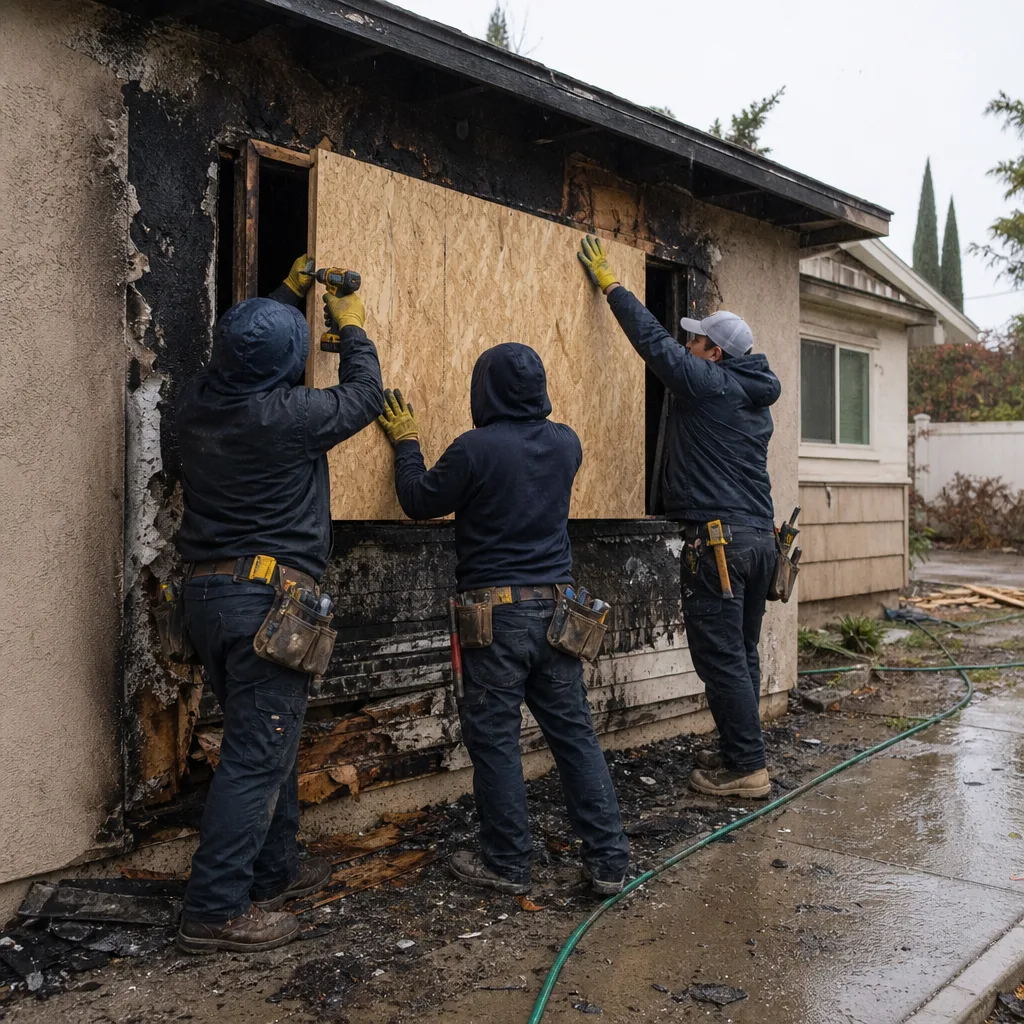
Broken windows, compromised doors, and exposed roof sections get temporary protection to secure the structure and prevent secondary weather damage. We tarp damaged roof areas and install security barriers same-day, critical in Granada Hills’s Santa Ana wind corridors where ember re-ignition remains a live threat.
3. Water Extraction & Structural Drying
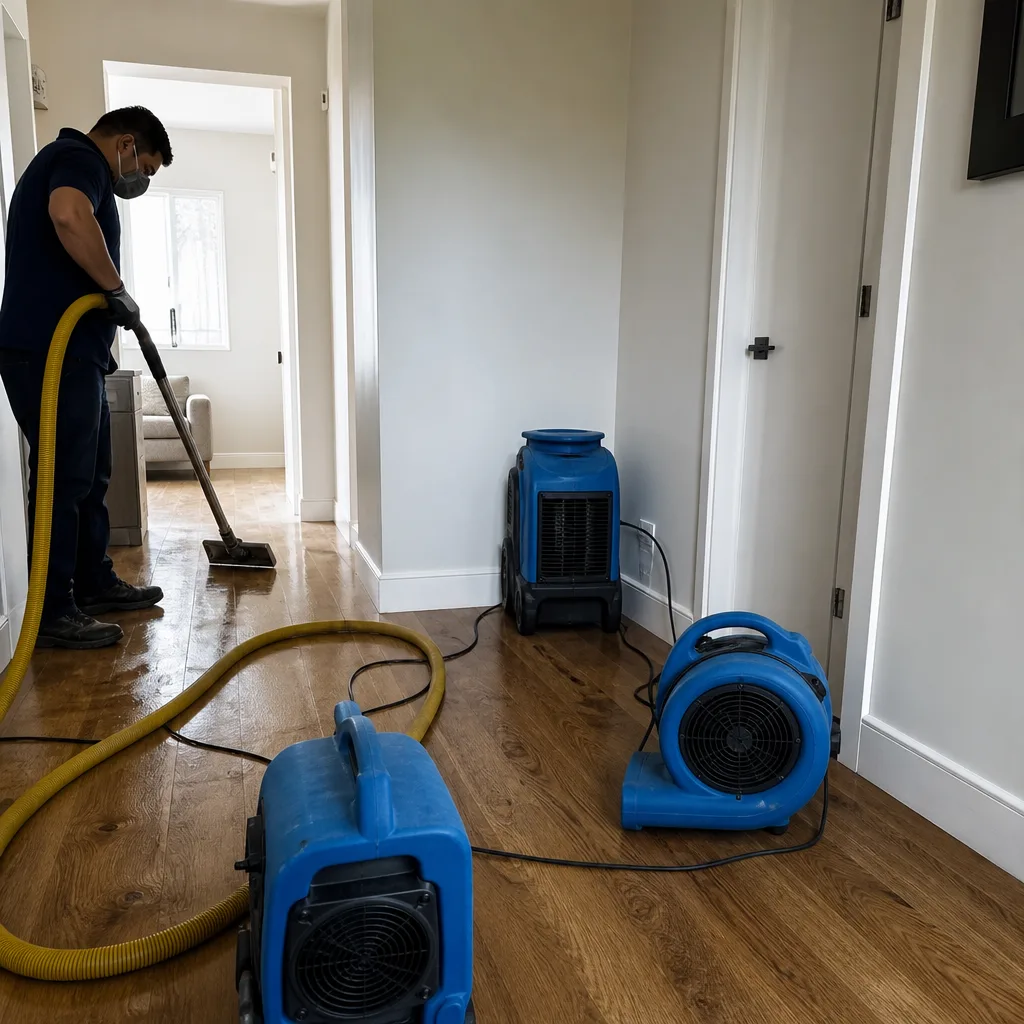
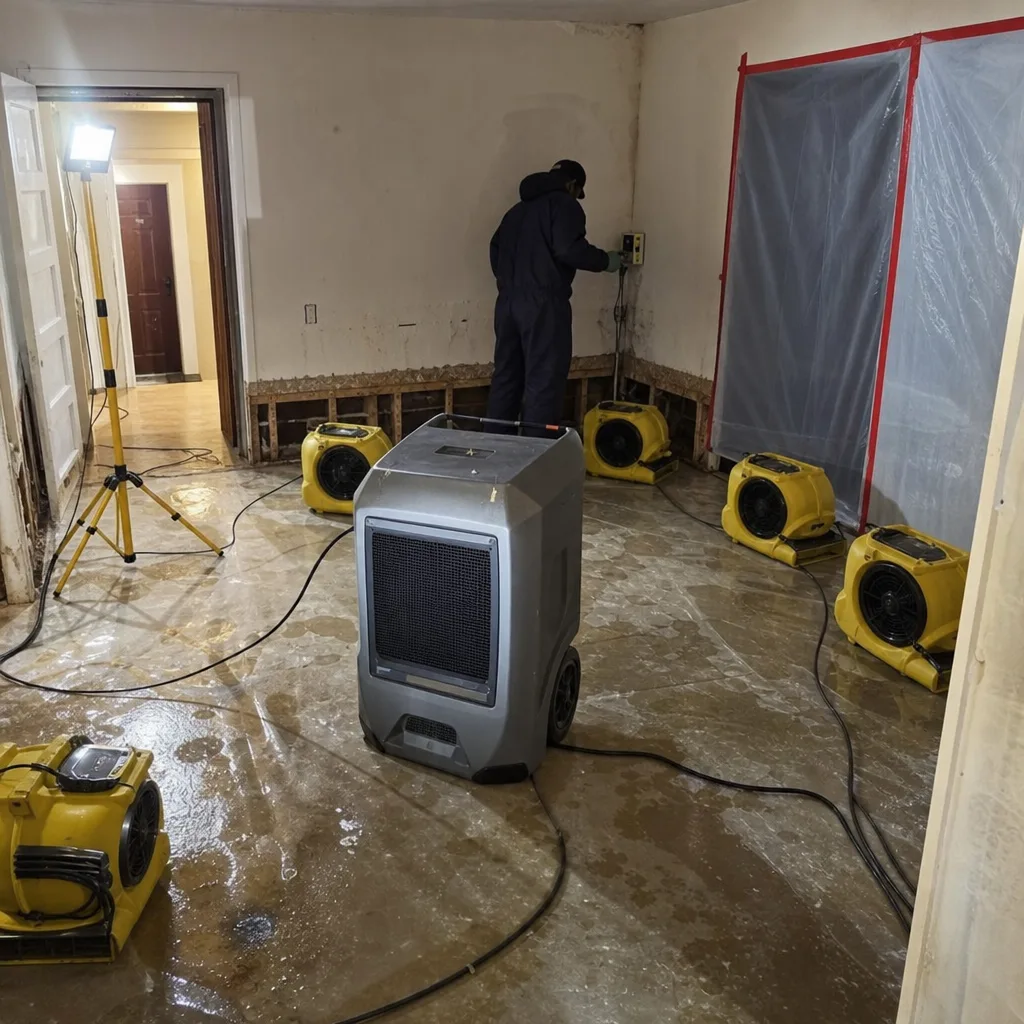
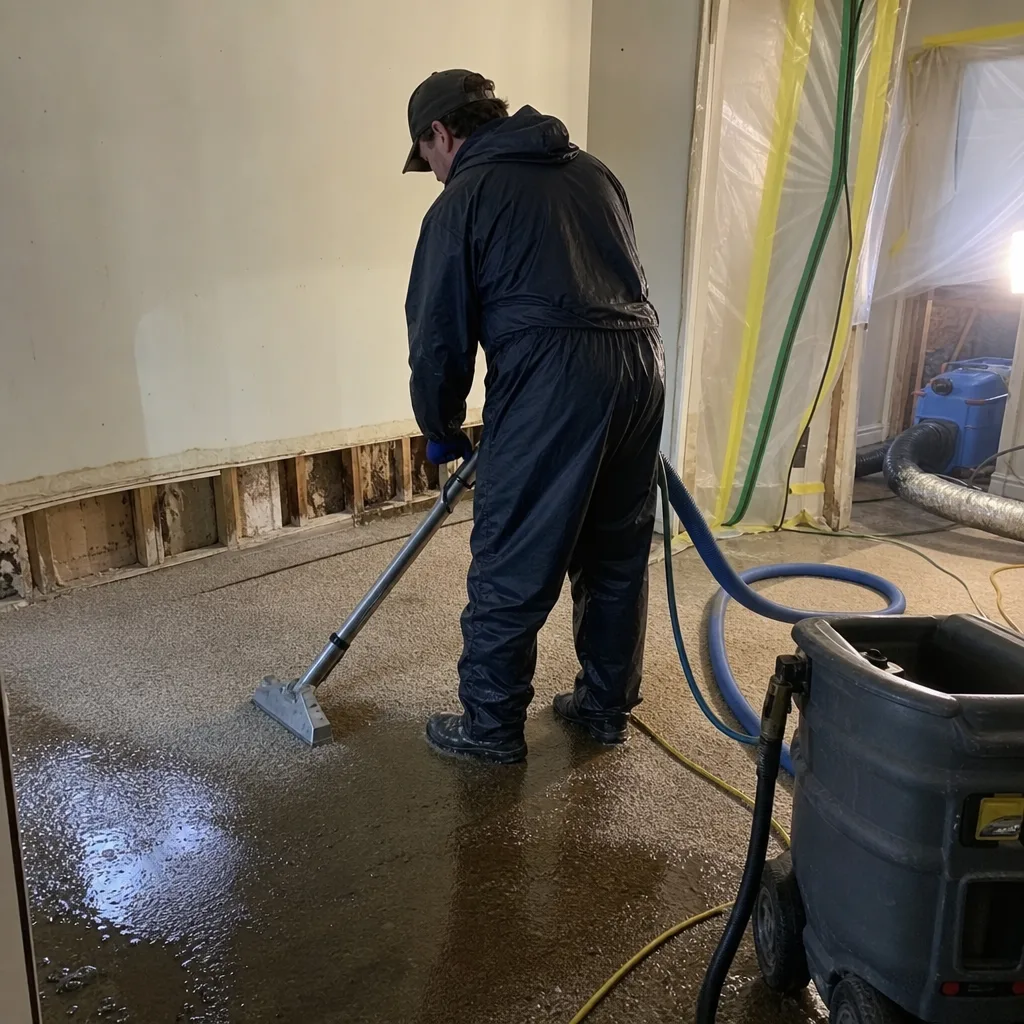
Fire suppression leaves standing water and saturated assemblies. We deploy truck-mounted extraction, then set air movers, LGR dehumidifiers from Dri-Eaz and Phoenix, and Injectidry cavity-drying systems to pull moisture from wall voids and subfloors. Daily moisture logs track psychrometric data - temperature, relative humidity, and specific humidity - until readings confirm materials have returned to dry standard.
4. Smoke & Soot Removal
Dry soot gets HEPA vacuumed; wet smoke residues require chemical sponges and pH-adjusted cleaning agents matched to the burned material. We clean vertical surfaces top-down and horizontal surfaces toward the HVAC returns to avoid recontamination. In Granada Hills’s original stucco homes, we test whether the scratch coat has retained odor compounds that demand removal rather than surface cleaning.
5. Odor Removal & Deodorization
Surface cleaning cannot reach odor molecules absorbed into framing, insulation, and porous finishes. We run hydroxyl generators and thermal fogging with containment barriers, cycling air through activated carbon filtration. For deep-set smoke odor in original 1960s skip-sheathing, we may need to seal salvageable framing with odor-blocking primers or remove and replace compromised assemblies - documented in writing before the cut.
6. Structural Fire Repair & Restoration
Charred framing gets sistered or replaced; damaged drywall, stucco, and finishes are rebuilt to match pre-loss condition. In Granada Hills’s layered housing stock, we scope for the original galvanized supply lines, early copper drains, and aluminum single-pane windows that 1990s earthquake repairs often left in place - materials that complicate matching and may trigger code-upgrade discussions with your adjuster.
Need Emergency Fire & Smoke Damage Restoration in Granada Hills Now?
Crews minutes away, answering live 24 hours a day. The sooner we start, the less it costs.
Working With Your Insurance Company
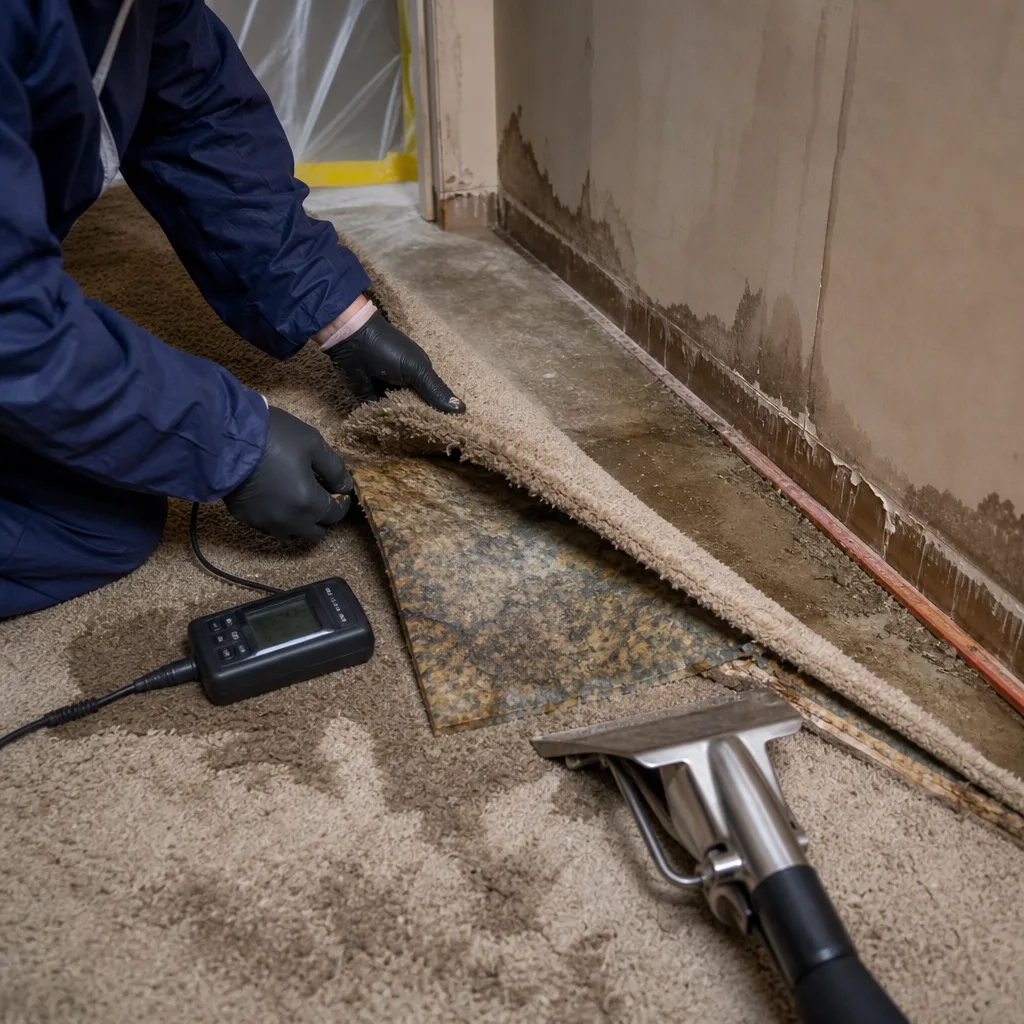
Fire claims succeed or fail on documentation density. Our Fire & Smoke Damage Restoration team produces the daily logs, photo records, and written scopes that turn restoration invoices into payable claims. From the first hour on your Granada Hills property, we photograph every room, every surface, every piece of contents before anything moves. We record moisture readings at each structural drying check, maintain psychrometric charts, and deliver line-item scopes that match Xactimate or Symbility formats your adjuster already uses.
Direct adjuster coordination means we conference-call with your carrier, answer technical questions about drying standards or material classifications, and revise scopes in real time when hidden conditions emerge - like the crumbling earthquake-era stucco we regularly encounter in Granada Hills ranches. No surprise additions after work starts; Haven Standard, Clause 1 requires a written price before any crew member begins.
What We Provide Your Insurer
- Thorough documentation of the loss
- Photos of all damage, room by room
- Moisture readings and drying logs
- A detailed, line-item scope of work
- Direct coordination with your carrier
Built for Granada Hills’s Loss Calendar
Granada Hills’s fire and smoke damage follows patterns shaped by its geography and climate. Fall Santa Ana wind events, typically October through January, drive ember-driven ignition along the wildland-urban interface where the northern neighborhoods meet the Santa Susana foothills brush. Relative humidity drops to single digits; temperatures spike 15-20°F above coastal Los Angeles. A smoldering ember travels hundreds of yards and enters attic vents or gaps in aging stucco. Post-Santa-Ana smoke odor calls cluster heavily in the Knollwood and Bee Canyon fringe.
Winter atmospheric rivers saturate drought-stressed soils and exploit thermal-cycled slab cracks, creating water intrusion pathways that complicate fire restoration when suppression water meets hidden entry points. Summer’s extreme heat bakes smoke residues deeper into porous materials and accelerates corrosion of original galvanized plumbing left from the 1950s-1970s build era. Spring’s moderate conditions offer the best window for extensive reconstruction, but emergency response runs year-round. Our crews carry equipment for both fire-specific and water-intrusion scenarios on every Granada Hills dispatch because the two conditions so often overlap, and we also offer Mold Remediation in Granada Hills when moisture creates secondary microbial risk.
Fire & Smoke Damage Restoration Across Granada Hills’s Neighborhoods
Granada Hills is not uniform, and neither are its fire restoration challenges. The northern streets near Knollwood Country Club and the Bee Canyon open-space buffer sit closest to the wildland-urban interface. Our crews know post-Santa-Ana ember and smoke calls concentrate here; homes backing the brush face elevated ember intrusion risk through original aluminum-frame windows and aging roof vent screens. Containment and HEPA filtration go up immediately on these calls, and we inspect attic spaces for ember penetration even when the visible fire damage appears minor.
Along San Fernando Mission Boulevard and the central Valley corridor, 1960s and 1970s ranches dominate. These properties often carry the layered legacy of original construction plus 1994 Northridge earthquake repairs - cosmetic stucco resurfacing over cracked scratch coats, original galvanized supply lines, and early copper drains. Opening walls here for Fire & Smoke Damage Restoration in Granada Hills means encountering mixed-material assemblies that complicate scope and prevent clean matching of finishes.
The western neighborhoods toward Balboa Boulevard and the 118 freeway corridor feature similar ranch stock with varying degrees of renovation. Some owners have fully updated systems; others retain original assemblies beneath surface improvements. We probe for this during initial assessment because it determines whether odor removal can be achieved through cleaning and sealing or requires full material replacement.
South of Rinaldi Street, closer to the Northridge border, the 1994 earthquake damage was most concentrated. Slab perimeters shifted; stucco weather barriers cracked. Insurance-funded repairs often addressed appearance, not structure. Fire restoration work here routinely uncovers these hidden pre-existing conditions, making our moisture mapping and structural assessment protocols especially thorough. We document everything because your adjuster will need to distinguish fire damage from pre-loss conditions.
Specialized Fire & Smoke Damage Restoration Services We Offer in Granada Hills
Fire Damage Cleanup
We remove charred debris, damaged contents, and compromised structural materials with photo documentation at every stage. In Granada Hills’s slab ranch homes, we specifically inspect slab perimeters and stucco assemblies for earthquake-era damage that fire suppression water may have activated. A written scope precedes any removal - Haven Standard, Clause 1.
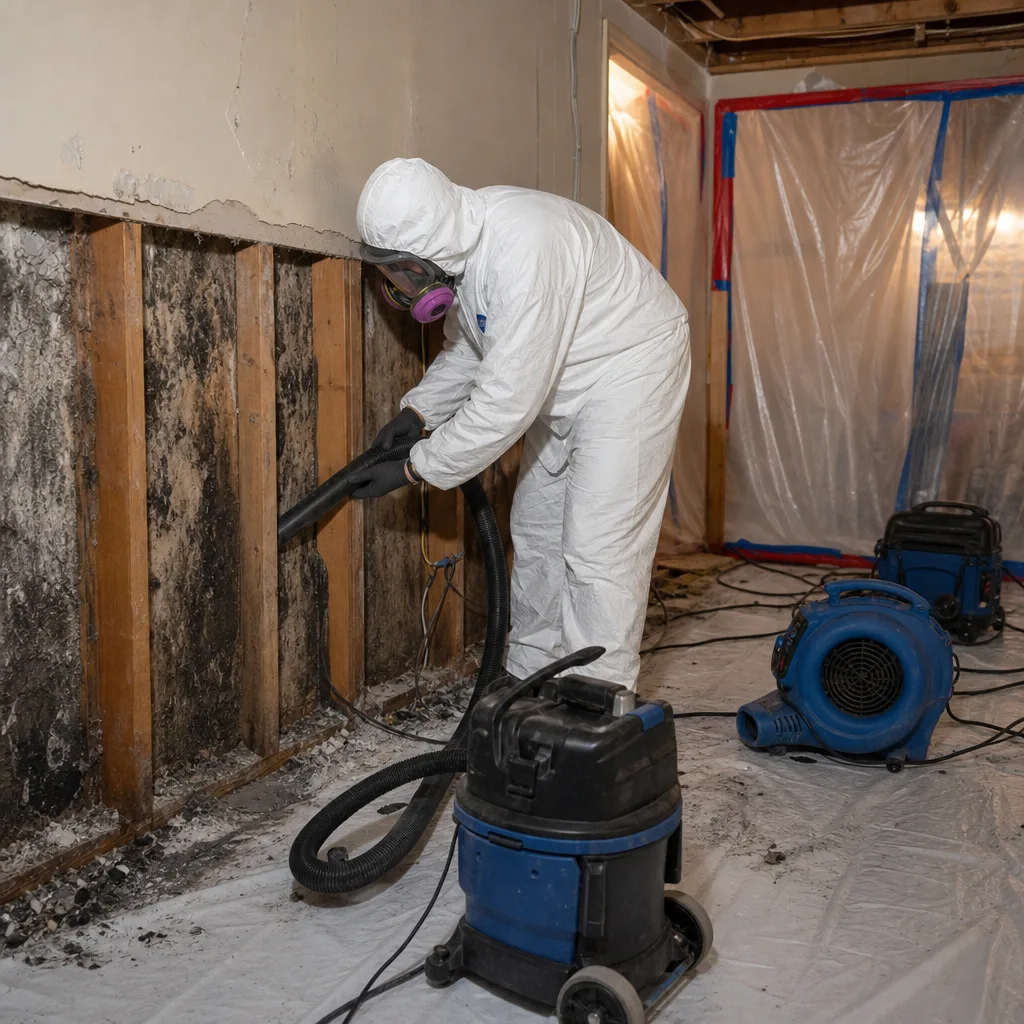
Smoke & Soot Removal
Dry, wet, and protein soot residues each demand different cleaning chemistry and mechanical action. We test surfaces before applying agents to avoid setting stains deeper. Original stucco scratch coats in Granada Hills’s 1950s-1970s homes often harbor soot in pores that surface cleaning cannot reach; we identify these conditions early and scope accordingly.
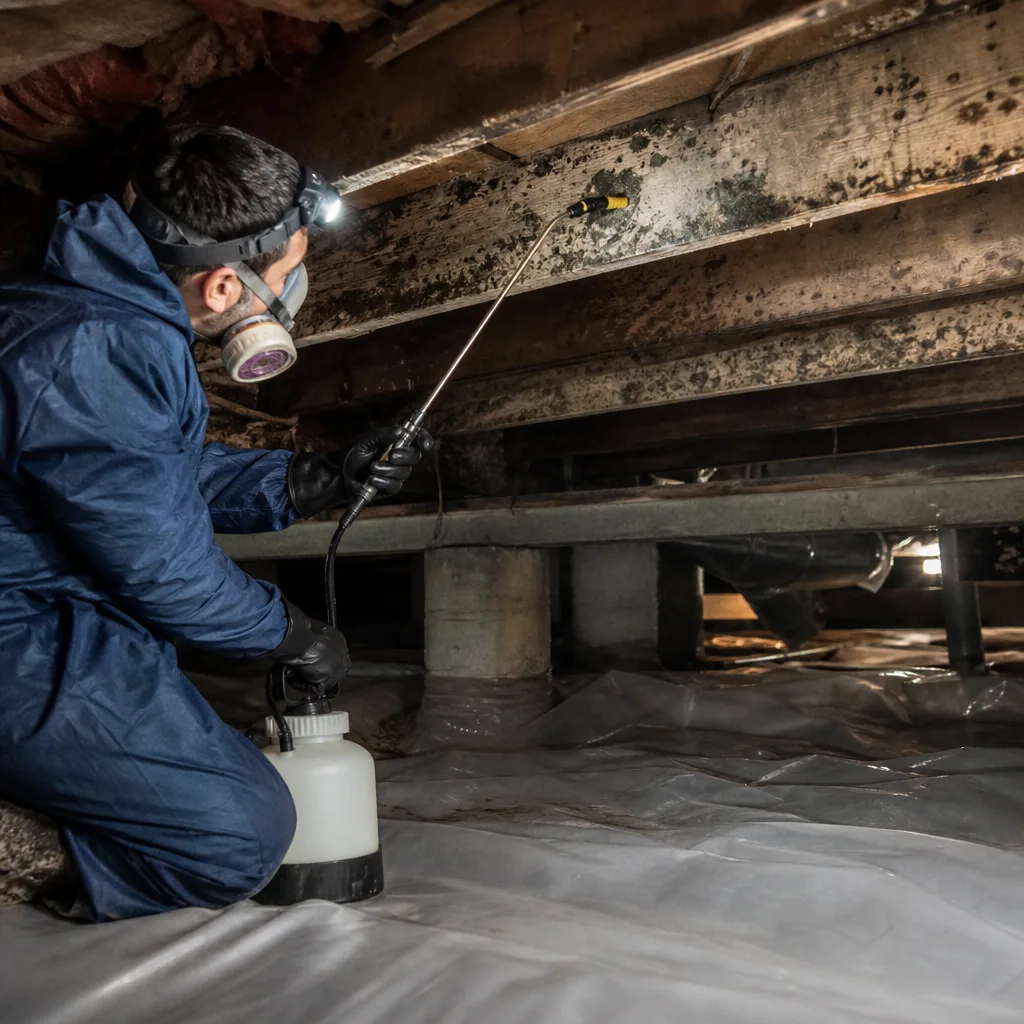
Odor Removal & Deodorization
Smoke odor compounds penetrate porous materials and re-emit as temperature and humidity fluctuate. We deploy hydroxyl generators, thermal fogging, and activated carbon filtration with containment barriers, running vapor pressure differential calculations to determine whether materials can be restored or must be removed. In Granada Hills’s original skip-sheathing and stucco assemblies, odor frequently requires full material replacement rather than surface treatment.
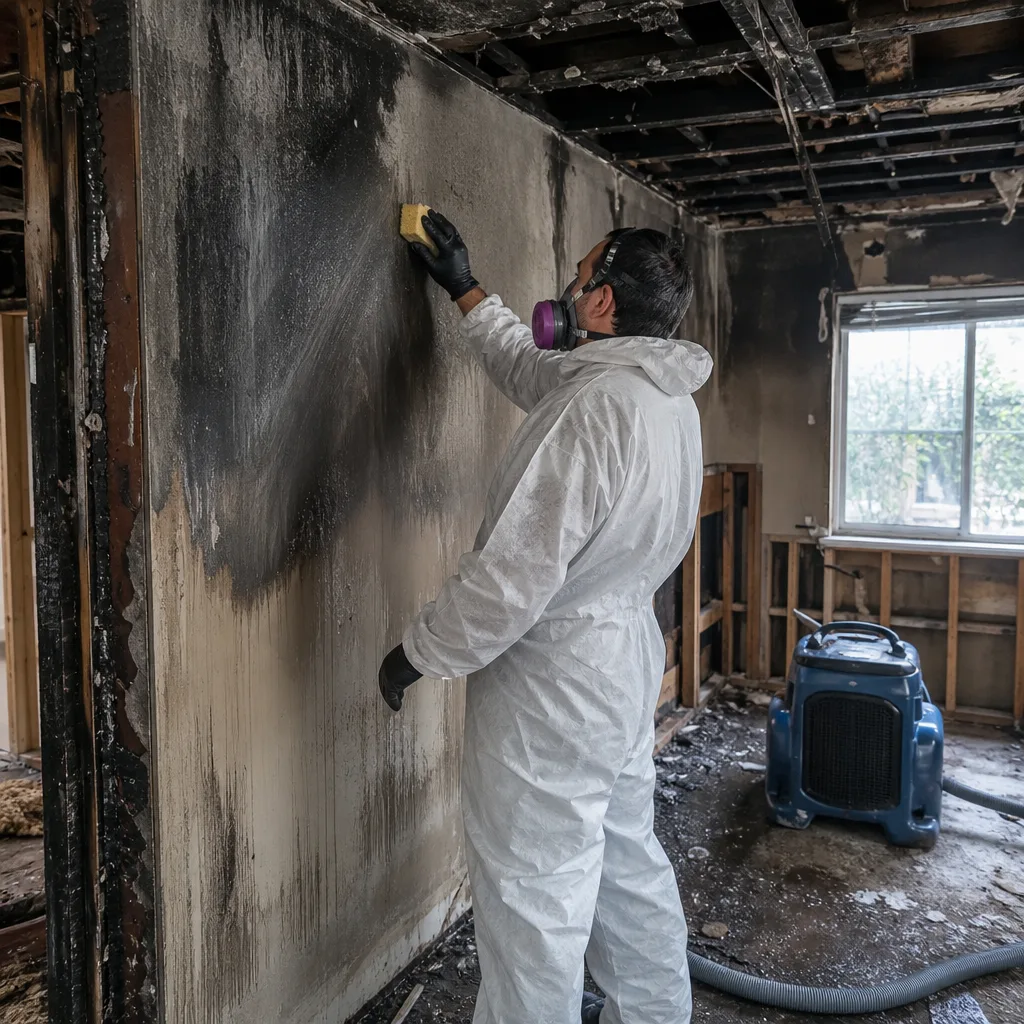
Contents Cleaning & Pack-Out
Salvageable contents receive ultrasonic cleaning, ozone treatment, or specialized textile restoration at our facility. We inventory every item with photo documentation before transport. Items beyond restoration are documented for insurance replacement valuation. In Granada Hills’s tight-knit neighborhoods, we coordinate pack-out timing to minimize disruption to adjacent properties.
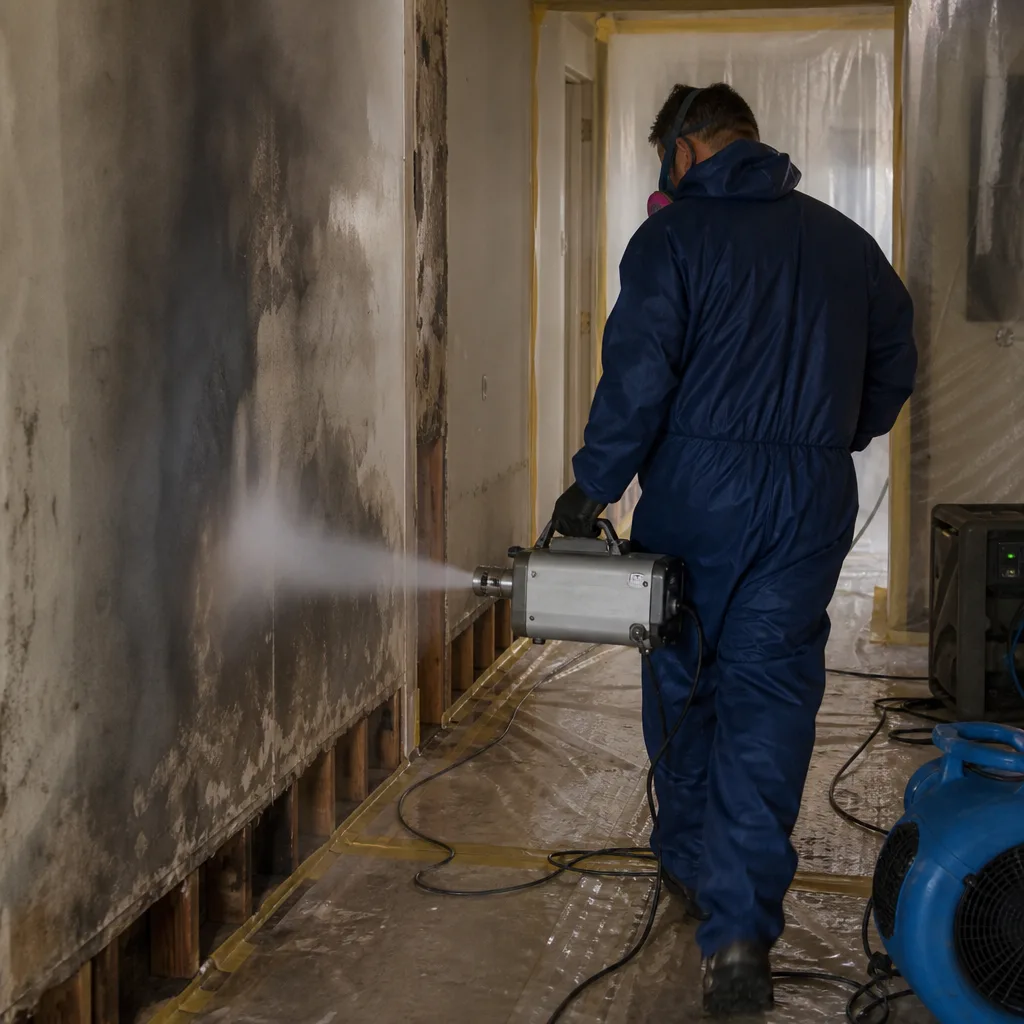
Emergency Board-Up & Tarping
Structural openings get immediate weather and security protection. We install plywood barriers, roof tarps, and temporary fencing same-day. Critical in Granada Hills’s Santa Ana wind corridors, where exposed structures face secondary damage from 60+ mph gusts and ember re-ignition risk.
Structural Fire Repair
Charred framing, compromised drywall, and damaged stucco are rebuilt to pre-loss condition with matching materials. In Granada Hills’s layered housing stock, we scope for original materials left in place after 1994 repairs - aluminum windows, galvanized supply lines, early copper drains - that affect code compliance and matching feasibility. Your adjuster receives full documentation of any code-upgrade triggers.
What happens when you call
- 1
A real person answersNo phone trees - you reach a local pro.
- 2
You get an upfront price rangeHonest numbers before anyone is dispatched.
- 3
A background-checked tech heads outLicensed & insured, dispatched right away.
- 4
You approve before work beginsNothing starts until you say go.
Fire & Smoke Damage Restoration Costs in Granada Hills, CA
Fire and smoke restoration pricing in Granada Hills reflects the specific conditions of local housing stock and the complexity of layered earthquake-era repairs. Typical ranges:
- Emergency board-up and tarping: $800-$2,400 depending on roof area and structural opening count
- Smoke and soot removal for a single-room kitchen fire: $1,800-$4,500
- Whole-house odor removal and deodorization with hydroxyl and thermal fogging: $3,200-$8,000
- Contents pack-out, inventory, and cleaning: $2,500-$6,500 based on volume and contamination level
- Structural fire repair, per affected room (drywall, insulation, framing, finish): $4,500-$12,000
- Full stucco removal and replacement on a Granada Hills ranch facade: $8,000-$18,000
What moves price: the square footage affected, the type of soot (dry vs. wet vs. protein), whether original stucco scratch coat requires full replacement, and whether hidden earthquake-era conditions demand rescope. Insurance typically covers direct fire and smoke damage plus necessary water damage from suppression; our direct billing handles adjuster coordination. Out-of-pocket costs usually apply to deductibles and any elective upgrades beyond like-kind replacement. We provide a free visual inspection and written price before work begins - call (747) 294-2725 to schedule.
We Also Serve Cities Near Granada Hills
Our crews respond throughout the northern San Fernando Valley and adjacent communities: Granada Hills remains our core service area, with regular dispatch to Mission Hills, San Fernando, Northridge, and Sylmar. Each shares similar Valley climate conditions, building stock, and wildland-urban interface exposure, though Granada Hills’s proximity to the 1994 Northridge epicenter creates unique earthquake-repair residue conditions we do not encounter elsewhere.
Serving Granada Hills, CA - Our Local Coverage Area
We’re based in the Granada Hills area and know this community well. Use the map below to see our service coverage - if you’re nearby, we can almost certainly help.
Granada Hills Fire & Smoke Damage Restoration Questions, Answered
Why does smoke odor keep coming back after our Granada Hills fire cleanup?
Residual smoke odor returns when cleaning stops at the surface while odor molecules remain trapped in porous materials behind it.
In Granada Hills’s 1950s-1970s ranch homes, the original stucco scratch coat and skip-sheathing assemblies are especially porous, and contractors who treat fire loss as sanding-and-sealing miss odor lodged deep in these materials. The 1994 Northridge earthquake repairs often left original scratch coats in place beneath cosmetic resurfacing; these crumble during demo and reveal hidden odor reservoirs. We test with moisture meters and thermal imaging to identify affected assemblies, then scope full removal when vapor pressure calculations show surface treatment will fail. Call (747) 294-2725 for an inspection that finds the source rather than masking it.
Does the 1994 Northridge earthquake damage still affect a fire restoration job in Granada Hills today?
Yes, because thousands of Granada Hills homes received rapid, insurance-funded cosmetic repairs that concealed shifted slab perimeters, cracked foundations, and compromised stucco weather barriers beneath fresh finishes.
These 30-year-old patches resurface as hidden pre-existing conditions during fire restoration demo. We regularly open walls to find brittle original stucco scratch coat that crumbles on contact, forcing immediate rescope of interior finishes. Slab cracks that thermal cycling has widened over three decades become water intrusion pathways when fire suppression saturates the area. Our initial assessment specifically probes for these conditions so your scope and insurance documentation distinguish fire damage from pre-loss conditions. Call (747) 294-2725 and we will walk you through what we typically find.
How do Santa Ana wind events affect smoke damage in the Knollwood and Bee Canyon fringe?
Santa Ana winds drive ember-driven ignition and accelerate smoke migration through pressure differentials across the wildland-urban interface.
In the northern Granada Hills neighborhoods backing Bee Canyon open space, fall Santa Ana events drop relative humidity to single digits and push temperatures 15-20°F above coastal baselines. Embers travel hundreds of yards and enter homes through aging roof vents, gaps in original stucco, and aluminum-frame windows. Even when flames do not reach the structure, smoke pressure-forces into attic spaces and wall cavities. Our post-Santa-Ana protocols include attic inspection for ember penetration and pressure-testing of the building envelope, with HEPA containment and air scrubbing deployed before any cleaning begins. Call (747) 294-2725 for ember-specific assessment.
Why is moisture mapping important on a fire job in a Granada Hills ranch home?
Fire suppression water meets hidden intrusion pathways that thermal cycling and earthquake-era slab damage have created over decades.
Granada Hills’s 15-20°F-hotter summers expand and contract slab edges; the 1994 Northridge earthquake shifted many slab perimeters. These conditions create cracks that remain dormant until atmospheric-river winter rains or fire suppression flooding saturate the soil. Skipping moisture mapping risks discovering weeks later that water has wicked under fresh char repair through a pathway no one documented. We run atmospheric moisture readings room-by-room, probe slab perimeters with penetrating meters, and maintain daily drying logs until readings confirm dry standard. This documentation protects your claim and your structure. Call (747) 294-2725 to schedule moisture mapping.
Can you match the original materials when repairing fire damage in a 1950s-70s Granada Hills ranch?
Matching requires identifying what is actually present, not what appears on the surface, because layered earthquake-era repairs often conceal original materials.
We regularly encounter original galvanized supply lines, early copper drains, and aluminum single-pane windows left in place beneath 1990s cosmetic updates. These materials affect code compliance, insurance valuation, and finish matching. Our scope documents each material classification by trade name and notes where code upgrades may apply. When original stucco scratch coat must be fully replaced, we match aggregate and texture to pre-loss appearance. Your adjuster receives photo documentation and material specifications before reconstruction begins. Call (747) 294-2725 for a written scope that specifies exactly what will be installed.
How fast can your crew actually get to Granada Hills?
We commit to 45-minute response times to Granada Hills addresses from dispatch.
Crews are positioned throughout the San Fernando Valley with equipment loaded for both fire-specific and water-intrusion scenarios, since the two conditions overlap on most fire calls. Our Los Angeles office coordinates dispatch; you speak to a live person who can deploy while you are still describing the situation. Emergency board-up and stabilization begin on arrival; full assessment and written scope follow. Call (747) 294-2725 and a live person answers now.
Will insurance cover the full fire restoration, or will we pay out of pocket?
Homeowners insurance typically covers direct fire and smoke damage plus necessary water damage from suppression, minus your deductible.
Where disputes arise, they usually involve distinguishing fire damage from pre-existing conditions or disagreements over material matching versus code upgrades. Our documentation - photo records, moisture logs, line-item scopes, and written material specifications - gives your adjuster the evidence to approve complete restoration. We coordinate directly with carriers and provide the daily drying logs and structural assessments that turn invoices into paid claims. Out-of-pocket costs generally apply to deductibles and any elective upgrades beyond like-kind replacement. Call (747) 294-2725 and we will review your coverage specifics during the free inspection.
What should we do in the first 30 minutes after a fire is extinguished?
Ensure everyone is safe and accounted for, then call (747) 294-2725 before entering the structure or touching damaged materials.
Do not attempt to clean soot yourself; improper cleaning sets stains deeper and can make professional restoration more expensive. Do not use electrical outlets or HVAC systems until they have been inspected; smoke and water compromise both. If the structure is unsecured, our emergency board-up team can stabilize it before you re-enter. We arrive with containment equipment, begin photo documentation immediately, and provide a written assessment before any work starts. The sooner we begin, the more material we can typically save.
Written by Alicia Brennan, Owner at DryMark Restoration Santa Clarita, serving Granada Hills since 2011 under The Haven Standard.